
America on the Move: What Local Movers Reveal About Housing Affordability
Last month, Carla and Marcus packed up their two-bedroom apartment in Columbus and moved only six miles away – but it felt like a different world. With rent jumping $400 per month on their current place and their two children sharing a bedroom, the family had little choice but to downsize to a smaller, more affordable unit in a less walkable neighborhood. The strain of moving on short notice wasn’t just logistical – it was deeply personal.
Across the United States, families are packing boxes not for opportunity, but for survival. Whether it’s downsizing retirees looking for manageable bills or young renters escaping skyrocketing prices, the movement isn’t always about chasing dreams – it’s about staying afloat.
Why This Matters: The Ripple Effects of Housing Instability
The pressure cooker of today’s housing market has brought the issue of affordability to the fore. Rising rents, inaccessible mortgages, and inflation in essential goods are forcing more Americans to reconsider not just where – but how – they live. The impact of rising rents can be seen most acutely in local relocations. These intra-city relocations are no longer about upgrading to better homes or neighborhoods, but about securing basic housing within a shrinking range of affordability.
While high-profile moves to Texas or Florida grab headlines, many are simply moving across town. Cities in the Midwest, like Dayton and Akron, offer a snapshot of how even secondary cities are becoming battlegrounds in the housing affordability crisis.
The Data Behind the Movement
Recent census data and housing market surveys show a notable uptick in short-distance moves. This trend, once uncommon in cities like Cleveland or Toledo, now speaks volumes about the rising cost of remaining in place. A growing number of Americans are being pushed from one neighborhood to another as once-affordable enclaves gentrify or landlords hike rents to meet market demand.
The dramatic rise in smaller-scale local moving trends is confirmed by movers witnessing the change firsthand. Ohio, for instance, provides a microcosm – where communities that once felt financially stable now face tough decisions about mobility and shelter.
What Movers Are Seeing on the Ground
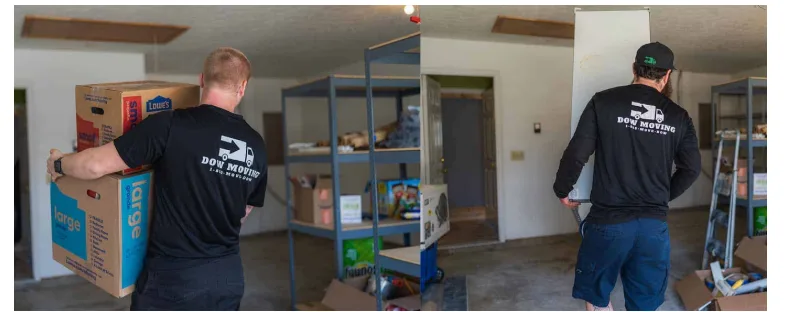
Local moving professionals say these patterns are increasingly common. “We’re seeing more last-minute phone calls and more families opting for storage or shared living,” one crew member explained. Moves involve smaller trucks, shorter distances, and, oftentimes, emotional goodbyes to neighborhoods people never wanted to leave.
Multi-generational households are also becoming more prevalent, a direct response to the financial strain of multiple rents. Movers note that garages and basements have become bedrooms, as families consolidate out of necessity rather than desire.
This isn’t just a job for these workers – it’s a front-row seat to America’s evolving housing reality. As people reshuffle their lives, moving crews become informal record-keepers of social change unfolding one apartment at a time.
Who Carries the Heaviest Burden?
The human toll of constant movement can’t be overstated. Low-income renters, especially families with children and seniors on fixed incomes, face the brunt of displacement. They often lack the financial cushion for application fees, new deposits, or the mental bandwidth to navigate the upheaval.
For a retiree who must leave the home they’ve lived in for 30 years due to rising taxes and maintenance costs, or a single parent scrambling to find housing before the school year starts, the emotional strain is profound. These are not isolated anecdotes – they’re part of a national pattern of America’s housing instability.
Small Cities, Big Shifts
As major metros like San Francisco and New York become untenable for many working families, smaller cities like Centerville, Ohio, are becoming unexpected havens. They offer relatively lower costs, more space, and a slower pace, but they’re also absorbing the pressure once diffused across larger urban areas.
In many cases, people are turning to movers in Centerville, OH that care to facilitate transitions that feel more like survival strategies than lifestyle choices.
But these cities are not without their challenges. Infrastructure, public services, and affordable housing supply aren’t always equipped to match the inflow. As they become pressure valves for regional affordability crises, they too risk being stretched thin.
The Road Ahead
Today’s uptick in mobility isn’t just about changing addresses – it’s a signal flare for deeper systemic issues. As renters juggle rising costs, jobs that don’t keep pace with inflation, and policy gaps, the American dream of stable housing becomes more elusive.
This movement reflects more than economic pressure – it reveals a growing fragility in the systems meant to support everyday life. In this context, the surge in local moves and intra-city shifts is a testament to the resilience of families – and an open question about whether our housing policies are keeping up with their needs.