America’s Deadliest Weather Disasters Follow a Predictable Calendar
For decades, the conventional framing of extreme weather positioned catastrophic storms as inherently unpredictable, acts of nature that, by definition, fell outside the scope of systematic anticipation or institutional accountability. A new analysis of over 40 years of federal disaster data fundamentally challenges that framing. The research, conducted by Barcus Arenas using NOAA records, identifies a striking and repeatable structure to when, where, and how the country’s most destructive weather events occur, one that has profound implications for how communities, governments, infrastructure managers, and legal institutions must think about foreseeability and the duty of care.
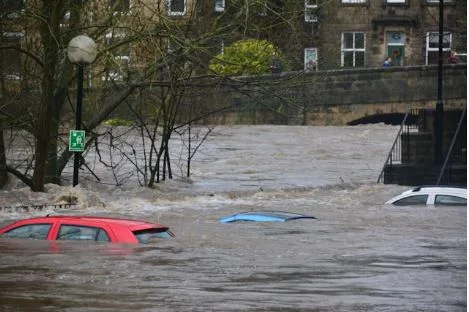
The analysis reveals that many of the country’s costliest weather disasters begin on the same ten days of the month. The 1st is the most frequent start date for major disaster events, typically associated with long-duration events such as wildfires, droughts, and heat waves, disasters that develop gradually but persist for weeks. Mid-month dates, particularly the 8th, 9th, 10th, 12th, and 13th, are strongly associated with rapid-onset events including tornado outbreaks, derechos, and flash floods. These events strike fast, leave billions in damage in a matter of days, and offer limited warning. Later dates, the 24th, 25th, and 27th, are most often linked to tropical cyclones and large-scale severe weather systems that intensify as broader atmospheric patterns shift.
This calendar clustering is not coincidental. It reflects well-documented atmospheric dynamics, the behavior of frontal systems, the timing of Gulf moisture flows, and the lifecycle of tropical storm development, which have been consistently observed across multiple decades. Some of the most catastrophic and expensive disasters in U.S. history align directly with these high-risk dates: Hurricane Katrina began its destructive path on August 25, 2005. Hurricane Harvey made landfall on August 25, 2017. Hurricane Maria struck on September 20, 2017. Hurricane Sandy intensified on October 27, 2012. Hurricane Ian reached Florida on September 28, 2022.
“The data doesn’t suggest that disasters are inevitable on any specific date. What it does show is that there are windows of elevated, documented, predictable risk — and when institutions with a duty to protect the public fail to act on that knowledge, the legal consequences should reflect what the data makes clear.”
Seasonal patterns reinforce the calendar findings. The majority of billion-dollar disasters in the federal record occur between March and August. Spring, April through June, produces the most frequent events, as Gulf moisture collides with cooler northern air to generate severe thunderstorms, tornado outbreaks, and widespread flooding. Summer shifts the threat profile toward heat waves, wildfires, and early-season tropical storms, particularly across the Gulf Coast and western states. September marks the statistical peak of hurricane season, consistently delivering events with large geographic footprints and outsized economic damage.
Even outside peak season, the data does not suggest safety. Fall and winter bring ice storms, freeze events, and severe snow-related disasters that disproportionately affect urban infrastructure and energy systems, as demonstrated most dramatically by the February 2021 Texas freeze, which exposed the catastrophic vulnerability of power infrastructure to foreseeable cold-weather events. The fact that winter disasters are less frequent does not make them less predictable to those with access to federal risk data.
From a legal standpoint, the existence of this calendar and seasonal structure carries significant weight. Foreseeability is a cornerstone of negligence law. When federal databases document that a specific region experiences a consistent, recurring pattern of disaster activity during defined windows of time, and when infrastructure managers, government agencies, and private landowners have had decades to study and respond to that pattern, the argument that any particular disaster was unforeseeable becomes analytically untenable.
The implications extend across multiple categories of disaster litigation. Infrastructure cases, involving failed levees, power grids, road systems, and flood control mechanisms, must be evaluated against what the available risk data predicted. Insurance coverage disputes involving policy language around foreseeability and repeated risk require courts to engage with the same pattern data. Government liability claims arising from delayed response or inadequate preparation are strengthened when the underlying risk was not only documented but historically recurring.