Ancient Symbolism and Modern Interest in Egyptian Blue Lotus Flowers
Introduction
History often remembers civilizations through their monuments, architecture, and written records, but plants have also played an important role in shaping cultural identity. Among the most fascinating examples is the Egyptian blue lotus, a flower that became deeply connected with one of the world’s greatest ancient civilizations. Its graceful appearance, vibrant color, and presence in historical artwork transformed it into far more than an ordinary aquatic plant.
Centuries later, this remarkable flower continues to inspire collectors, botanical enthusiasts, historians, and nature lovers around the world. The growing appreciation for Egyptian blue lotus flowers reflects not only their visual beauty but also the desire to reconnect with one of history’s most celebrated botanical traditions.
A Flower Closely Connected With Ancient Egypt
The Egyptian blue lotus flourished along calm waterways where warm temperatures and abundant sunlight created ideal growing conditions. As these flowers spread naturally across freshwater habitats, they gradually became familiar symbols within ancient Egyptian society.
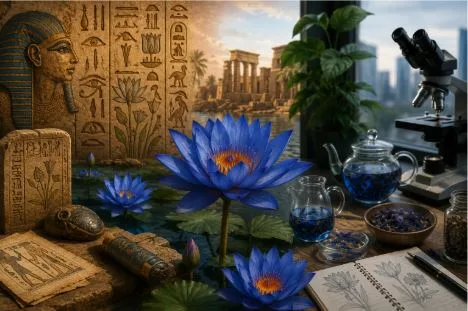
Historical discoveries reveal that the flower appeared regularly in temple decorations, ceremonial objects, tomb paintings, jewelry, and carved stone monuments. Rather than serving only as decoration, it represented ideas that were deeply meaningful to the people of that era.
Its frequent appearance in important historical sites demonstrates the special place it held within everyday life.
Understanding Its Symbolic Meaning
Many ancient cultures assigned symbolic meaning to plants, but few flowers achieved the recognition of the blue lotus.
Its daily blooming cycle inspired associations with:
- New beginnings
- Renewal
- Light
- Spiritual reflection
- Natural harmony
- Eternal cycles
Because the flower opened with daylight and closed as evening approached, many viewed it as a representation of nature’s continual rhythm.
These symbolic connections contributed to its lasting importance throughout Egyptian history.
Preserved in Art and Architecture
Ancient Egyptian artists consistently included blue lotus within their creative works. Even thousands of years later, these carefully preserved designs continue providing valuable insight into historical culture.
The flower appears throughout:
Temple Decorations
Stone carvings frequently feature elegant lotus blossoms woven into architectural designs.
Wall Paintings
Historical paintings often include floral scenes that celebrate both nature and ceremonial traditions.
Jewelry Designs
Craftsmen incorporated lotus-inspired patterns into necklaces, decorative ornaments, and ceremonial accessories.
Sculptural Details
Many preserved statues contain lotus imagery that reflects the flower’s cultural importance.
These artistic examples continue inspiring modern historians and botanical enthusiasts alike.
Why the Egyptian Blue Lotus Still Fascinates People
Although ancient civilizations disappeared long ago, interest in Egyptian blue lotus has continued growing.
Several factors contribute to its lasting popularity.
Rich Historical Legacy
Few botanical species possess such extensive historical documentation.
Elegant Appearance
Its layered petals and distinctive color create a timeless visual appeal.
Botanical Curiosity
Collectors appreciate learning about one of history’s most recognizable aquatic plants.
Cultural Significance
The flower serves as a bridge between modern botanical appreciation and ancient civilization.
Its combination of beauty and historical importance keeps it relevant even today.
Traditional Cultivation and Preservation
Maintaining healthy aquatic flowers requires patience and proper growing conditions.
Experienced cultivators often emphasize:
- Fresh, clean water
- Warm climates
- Adequate sunlight
- Responsible harvesting
- Gentle drying techniques
These methods help preserve the flower’s natural beauty while respecting traditional botanical practices.
The Value of Whole Botanical Flowers
Many enthusiasts prefer whole flowers because they preserve the plant in its original form.
Unlike heavily processed botanical materials, whole flowers allow people to appreciate:
- Natural petal structure
- Botanical authenticity
- Original appearance
- Traditional craftsmanship
- Decorative beauty
These characteristics make whole flowers especially popular among collectors and educational displays.
The Modern Revival of Historical Botanicals
Interest in historical plants has expanded significantly during recent years.
People increasingly seek botanical products that combine:
- Historical authenticity
- Responsible cultivation
- Minimal processing
- Educational value
- Natural presentation
This renewed appreciation has introduced Egyptian blue lotus to audiences far beyond traditional botanical communities.
Museums, educators, collectors, and plant enthusiasts all contribute to preserving knowledge about this remarkable species.
Choosing Responsibly Sourced Botanical Products
As botanical interest grows, responsible sourcing becomes increasingly important.
High-quality flowers generally reflect careful attention throughout cultivation and preservation.
Important characteristics include:
Careful Harvesting
Flowers should be collected at appropriate stages of maturity.
Gentle Processing
Minimal handling helps preserve delicate petals.
Proper Drying
Controlled drying protects appearance and structural quality.
Secure Storage
Protective packaging helps reduce damage during transportation.
Responsible production supports both product quality and long-term sustainability.
Botanical Collections Around the World
Today, Egyptian blue lotus has found a place in many botanical collections worldwide.
Collectors often preserve flowers for:
- Educational exhibits
- Botanical displays
- Historical collections
- Decorative arrangements
- Personal study
Their remarkable appearance continues attracting individuals interested in both nature and history.
Supporting Sustainable Botanical Practices
Environmental responsibility has become an important part of modern botanical cultivation.
Many growers now focus on:
- Sustainable farming methods
- Water conservation
- Habitat protection
- Ethical harvesting
- Long-term environmental stewardship
Supporting responsible producers encourages healthier ecosystems while preserving valuable botanical species for future generations.
Learning More Through Trusted Sources
Modern technology has made botanical education more accessible than ever before.
Reliable educational resources help consumers better understand cultivation, preservation, historical significance, and responsible sourcing before making purchasing decisions.
Many enthusiasts choose to explore collections and authentic botanical products through naturalbluelotus.com, where interest in responsibly sourced blue lotus continues growing among collectors and botanical enthusiasts alike.
Access to trustworthy information allows buyers to make informed choices while supporting sustainable botanical traditions.
Looking Toward the Future
Although rooted in ancient history, Egyptian blue lotus continues finding new audiences across the world.
Its timeless appearance, remarkable cultural heritage, and increasing popularity among botanical enthusiasts suggest that appreciation for this extraordinary flower will continue expanding.
As future generations become more interested in historical plants and sustainable cultivation, Egyptian blue lotus is likely to remain one of the most admired aquatic botanicals available.
Conclusion
The story of Egyptian blue lotus is one of remarkable continuity. While civilizations have risen and fallen, this extraordinary flower has preserved its place as both a historical symbol and a botanical treasure.
From ancient temple walls to modern botanical collections, its journey reflects humanity’s enduring admiration for nature’s elegance and cultural heritage. By supporting responsibly cultivated flowers and learning about their remarkable history, today’s enthusiasts help ensure that this fascinating botanical tradition continues for generations to come.
Frequently Asked Questions
Why is the Egyptian blue lotus historically significant?
The flower frequently appeared in ancient Egyptian art, architecture, ceremonial objects, and decorative designs, making it one of the civilization’s most recognizable botanical symbols.
What makes Egyptian blue lotus different from many other flowers?
Its unique combination of historical importance, elegant appearance, and strong cultural symbolism has helped it remain admired for thousands of years.
Why do collectors prefer whole Egyptian blue lotus flowers?
Whole flowers preserve the plant’s natural structure, making them ideal for botanical collections, educational displays, and decorative purposes.
How should preserved blue lotus flowers be stored?
Store them in a cool, dry location away from direct sunlight and excessive humidity to help maintain their appearance.
Why is responsible cultivation important?
Ethical growing and harvesting practices help protect natural habitats while ensuring future generations can continue appreciating this remarkable botanical species.