Android Developer Verification: What It Means for APKPure And Android Users
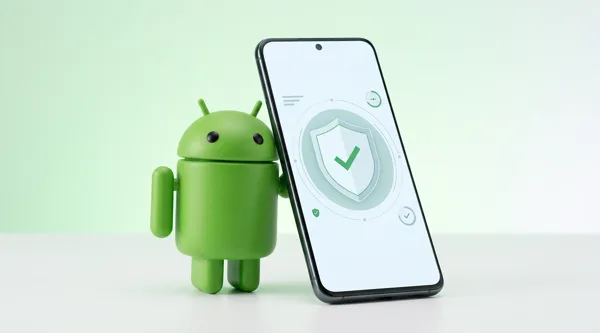
Over the past year, discussions about the Android Developer Verification program have continued to grow. Some reports have described this policy as a major challenge for third-party app stores, even suggesting that it could change how users access Android apps.
So, what exactly is changing, and how might the policy affect third-party Android app stores such as APKPure, Uptodown, and Softonic? For users exploring a Google Play Alternative, what should they know about the new requirements?
What Is Android Developer Verification?
The program requires developers to verify their identities and register the apps they publish with Google, ensuring that each app can be linked to its corresponding developer. More than 99% of apps on Google Play have already been automatically registered, while developers distributing apps through other channels may need to take additional steps. As the policy is being implemented in phases, how third-party app distribution platforms display developer verification status has also become a point of interest for users. For those who download APK files from third-party platforms, the new requirements raise questions about how developer verification may affect their experience.
For app stores like APKPure, knowing whether an app’s developer has completed verification is one factor users can consider when assessing an app’s source.
Will Google’s New Policy Affect APKPure?
Google began implementing the relevant user protections in Brazil, Indonesia, Singapore, and Thailand on September 30, 2026. The first phase covers seven designated app stores, including Google Play. APKPure was not included in the list of participating stores announced for this phase. Therefore, at this stage, the policy will not directly impose the same installation restrictions on apps distributed through APKPure. Google plans to gradually expand the policy’s coverage from 2027 onward, so future developments are worth monitoring.
For most APKPure users, the policy is unlikely to change how they use the platform in the near term. Google Play remains the primary source of apps for many Android users, while APKPure serves more as an alternative. Users typically turn to app stores like APKPure when an app cannot be downloaded due to regional restrictions, when they need a version for a specific region, or when they want to roll back to an earlier version.
APKPure carries many apps also available on Google Play, while offering access to older versions. These options can be useful when an app is unavailable in a user’s region or a previous release is preferred. For users who mainly rely on Google Play and only look for an alternative in specific situations, APKPure remains a practical option. The developer verification policy has not changed these needs, nor does it mean that users must give up third-party app stores.
To help users check developers’ verification status more easily, APKPure has also added a “Developer Verification” field to app details pages and the developer dashboard. Users can check the relevant status through the “Verified,” “Not Verified,” or “Unknown” labels on the download page, without having to look up complex technical information themselves.
These labels indicate a developer’s verification status, not whether an app is completely safe. Users can still assess an app by considering its developer information, app details, and other trustworthy information. For users who want to understand an app’s source, this feature provides an additional reference rather than adding another mandatory step.
What the Policy Means for Android Users
Google introduced the developer verification program primarily to link apps to verified developer identities and make it harder for malicious app publishers to avoid accountability. It targets app distribution and developer identity verification mechanisms, rather than seeking to eliminate third-party app stores.
For developers, the new requirements may involve additional identity verification and app registration work. For users, the actual experience depends on whether an app has completed the relevant registration, the device they use, and their location. Google also provides an advanced process that allows users to install apps from unverified developers. However, on devices covered by the policy, this process may require additional security confirmations and a waiting period. Therefore, it would not be accurate to say that users will never be affected under any circumstances. It is more accurate to say that the impact will be relatively small.
Nevertheless, considering that APKPure is not on the list of participating stores for the first phase, and that many users only turn to third-party app stores when they have specific needs, this policy is unlikely to have a significant impact on APKPure users’ day-to-day app access. Meanwhile, APKPure’s broad app selection, historical version options, and convenient downloads remain core aspects of its value as an alternative app store.
Why APKPure Remains a Useful Alternative
Android Developer Verification introduces developer identity verification and app registration requirements for app distribution. However, it does not mean that Android users can only obtain apps through Google Play, nor does it mean that third-party app stores have lost their value.
For users who search for, download, and update apps through APKPure, there is currently no need to change their existing habits solely because of this policy. Whether they are looking for regional versions, obtaining older versions, or finding alternative download channels for familiar apps, For users looking for regional releases or older app versions, APKPure remains another option alongside Google Play. Understanding the scope of the policy, paying attention to app information, and choosing download channels according to one’s actual needs are more useful than worrying about the policy itself.