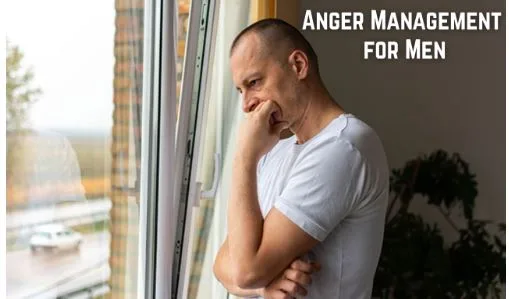
Anger Management for Men: Reclaiming Control and Vulnerability (vredeshåndtering mænd)
The masculine mask of anger
Societal expectations often pressure men to suppress or hide vulnerable emotions such as fear, sadness, inadequacy, or depression, as these are frequently associated with weakness. When these deeper feelings are avoided, they do not disappear; rather, they accumulate beneath the surface.
This emotional pressure eventually finds an outlet, typically manifesting as anger—an emotion considered more socially acceptable for men to display. This learned behavior results in predictable patterns of expression:
- Aggressive Expression: Outbursts involving shouting, physical threats, bullying, or violence that are destructive to those around them.
- Passive-Aggressive Expression: Indirect resistance, such as sulking, withdrawing affection, deliberate procrastination, or subtle sarcasm.
For many men, managing this cycle of emotional masking and reactive behavior is the fundamental challenge in achieving effective vredeshåndtering mænd.
The high cost of emotional avoidance
Regardless of whether anger is overtly explosive or held internally, its chronic presence takes a severe toll on the individual and those around them. The short-term payoff of an angry outburst—such as temporary relief or a feeling of control—is quickly erased by serious long-term costs.
Physical consequences
When anger is chronic, it activates the sympathetic nervous system repeatedly, releasing stress hormones that strain the body. This chronic high state of arousal contributes to numerous health concerns, including muscle tension, frequent headaches, gastrointestinal disturbance, and an increased risk of heart failure, high blood pressure, and stroke.
Relational consequences
Uncontrolled or misdirected anger is destructive and severely damages close personal relationships, including marriages and family bonds. Yelling and aggressive behavior alienate loved ones, fostering an atmosphere of fear and leading to resentment and emotional isolation. Furthermore, suppressed emotions can turn inward, contributing to depression, anxiety, low self-esteem, and addictive behaviors (such as relying on alcohol or food to numb pain).
Shifting from reaction to response
The ability to control behavior in the presence of anger lies in developing psychological flexibility—a shift from emotional reaction to intentional response. Since anger is not something we have but something we do, this means deliberately separating the feeling from the action.
Embracing vulnerability and acceptance
Anger often functions to protect hidden vulnerabilities. Instead of fighting or avoiding these uncomfortable internal experiences, the key is acceptance. Acceptance means acknowledging the feeling—whether it’s fear, sadness, or frustration—without judgment. You must allow the internal sensation to be present without letting it dictate your choices.
Cultivating the observer self
Mindfulness serves as the mental pause button between a trigger and a reactive behavior. By practicing present moment awareness, you activate the “observer self”—the part of you that notices your feelings and thoughts without being consumed by them. This allows you to gain perspective, breaking the automatic chain reaction before it leads to destructive behavior. This internal control is the basis of effective vredeshåndtering mænd.
Tools for constructive communication
To translate acceptance into external action, men need practical strategies that empower them to choose responses aligned with their deepest values and purpose, rather than being ruled by impulse.
Regulating the nervous system
Immediate action techniques are crucial when tension begins to rise. Controlled breathing is one of the most effective methods, as slowing the exhale helps soothe the nervous system (the physiological arousal caused by the fight-or-flight response). By taking time for two or three deep breaths, you create a momentary pause needed to regain mental clarity.
Assertive expression
Learning assertive communication is vital for expressing needs clearly and protecting boundaries without resorting to aggression. When communicating disappointment or frustration, focus on personal emotional experience rather than blaming the other party. Using “I feel” statements defines the problem by describing your own emotional state and the specific behavior that triggered it (e.g., “I feel disrespected when my input is ignored, because I value collaboration”). Assertiveness is a critical step in effective vredeshåndtering mænd and demonstrates strength and self-respect.
Are you ready to trade the heavy burden of anger for the freedom of intentional action? Start building your psychological resilience and defining your life by your values today. Contact a specialist to begin your journey toward lasting emotional control.