Annapurna Base Camp Trek: Itinerary, Cost, Difficulty & Best Time to Visit
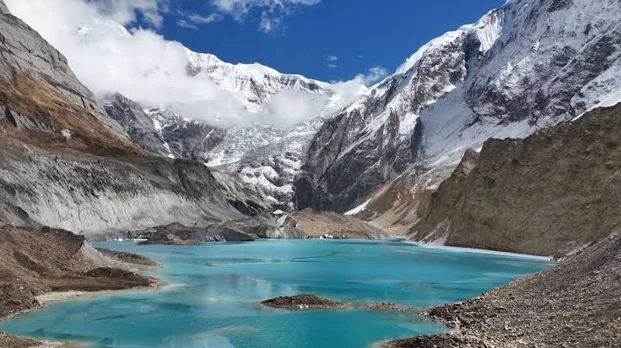
The Annapurna Base Camp Trek is one of Nepal’s most rewarding Himalayan adventures, combining spectacular mountain scenery, traditional villages, lush forests, and an unforgettable high-altitude experience. The trail leads trekkers deep into the Annapurna Sanctuary, surrounded by some of the highest peaks in the region, including Annapurna I, Annapurna South, Hiunchuli, Machhapuchhre (Fishtail), and Gangapurna.
With a moderate level of difficulty and a relatively accessible route, the trek is suitable for many travelers with reasonable fitness and preparation. Whether you are planning your first Himalayan trek or looking for a classic Nepal adventure, understanding the Annapurna Base Camp Trek itinerary, cost, difficulty, and best time to visit can help you prepare for a successful journey.
Annapurna Base Camp Trek Overview
The trek generally begins from the Pokhara region and passes through beautiful Gurung and Magar villages before entering the Annapurna Sanctuary. As the altitude increases, the landscape changes from subtropical forests and terraced farmland to alpine terrain and dramatic mountain surroundings.
Most itineraries take around 7 to 12 days, depending on the starting point, walking pace, acclimatization schedule, and transportation arrangements. The highest point is Annapurna Base Camp, located at approximately 4,130 meters (13,550 feet) above sea level.
One of the highlights of the journey is reaching the sanctuary, where towering mountains surround the trail in almost every direction.
Annapurna Base Camp Trek Itinerary
A typical itinerary begins with travel from Kathmandu to Pokhara, followed by a drive toward the trekking trailhead. From there, trekkers gradually ascend through villages and forests.
Day 1: Kathmandu to Pokhara
Travel from Kathmandu to Pokhara, a scenic lakeside city and the main gateway for many Annapurna trekking routes. Depending on your transportation choice, the journey can take several hours.
Day 2: Drive to the Trailhead and Trek to a Village
After an early breakfast, travel by road toward the starting point of the trek. The first walking section usually passes through forests, farmland, suspension bridges, and traditional settlements.
Days 3–5: Trek Through the Annapurna Region
The trail gradually gains elevation as you pass through villages such as Chhomrong and other mountain settlements. Rhododendron forests provide beautiful scenery, particularly during spring.
As the trail climbs higher, the surrounding peaks become increasingly impressive.
Day 6: Reach Annapurna Base Camp
The journey toward Annapurna Base Camp takes you deeper into the sanctuary. After reaching the base camp, trekkers can enjoy spectacular panoramic views of the surrounding Himalayan peaks.
Sunrise and sunset can be especially memorable from the sanctuary when weather conditions are clear.
Days 7–9: Descend Toward Lower Elevations
After spending time at base camp, the route follows a gradual descent through the same or alternative trail sections. Lower elevations bring warmer temperatures, greener landscapes, and easier walking conditions.
Final Day: Return to Pokhara
After completing the trek, transportation takes you back toward Pokhara, where you can relax beside Phewa Lake and enjoy the city’s restaurants, cafes, and attractions.
The exact itinerary can vary depending on weather, road conditions, trekking pace, and the route selected by your trekking company.
Annapurna Base Camp Trek Cost
The Annapurna Base Camp Trek cost depends on several factors, including the length of the trek, accommodation, transportation, permits, guide services, meals, and whether you choose a private or group package.
A budget trek may cost less, while a private or more comfortable package will generally be more expensive. International travelers should also consider additional expenses such as flights to Nepal, travel insurance, personal equipment, tips, snacks, and extra accommodation in Kathmandu or Pokhara.
A typical trekking package may include:
- Trekking permits and required documentation
- Accommodation during the trek
- Meals according to the package
- Professional trekking guide
- Porter services, depending on the package
- Transportation to and from the trekking route
- Basic trekking arrangements
Before booking, always check exactly what is included because prices can differ significantly between trekking agencies and package types.
Annapurna Base Camp Trek Difficulty
The Annapurna Base Camp Trek difficulty is generally considered moderate. You do not need technical climbing experience, but you should have good physical fitness because you will be walking several hours each day over uneven mountain trails.
The main challenges include:
- Long daily walking distances
- Steep uphill and downhill sections
- Stone staircases
- Changing weather conditions
- Increasing altitude
- Cold temperatures at higher elevations
Altitude is an important consideration. Although Annapurna Base Camp is not among the highest trekking destinations in Nepal, altitude-related symptoms can still occur. Walking at a comfortable pace, staying hydrated, eating properly, and allowing your body time to adjust can make the trek more manageable.
Regular walking, hiking, stair climbing, and cardiovascular exercise before your trip can also improve your endurance.
Best Time for Annapurna Base Camp Trek
The best time to visit Annapurna Base Camp is generally during spring and autumn, when the weather is relatively stable and mountain visibility is often excellent.
Spring: March to May
Spring is popular because the temperatures become more comfortable and rhododendron forests begin to bloom. The colorful flowers combined with snow-covered peaks create spectacular scenery.
Autumn: September to November
Autumn is another excellent season. After the monsoon, skies are often clearer, visibility is generally good, and the mountain landscapes can look particularly impressive.
Winter: December to February
Winter brings colder temperatures and snowfall at higher elevations. The trek is still possible for experienced and well-prepared trekkers, but cold conditions and snow can make some sections more challenging.
Monsoon: June to August
The monsoon season brings heavy rainfall, cloudy conditions, slippery trails, and possible landslides in some areas. Trekking is less popular during this period, although experienced travelers may still choose to visit with appropriate preparation.
What to Pack for Annapurna Base Camp
Packing correctly can make a major difference to your trekking experience. Essential items include comfortable hiking boots, warm layers, a waterproof jacket, trekking trousers, thermal clothing, gloves, a hat, sunglasses, sunscreen, a reusable water bottle, a sleeping bag, and a basic first-aid kit.
You should also bring personal medications, toiletries, a headlamp, power bank, trekking poles, and appropriate travel documents.
Avoid overpacking. A lighter backpack makes long uphill sections much easier.
Final Thoughts
The Annapurna Base Camp Trek offers an excellent combination of adventure, culture, natural beauty, and Himalayan scenery. From peaceful villages and rhododendron forests to the dramatic Annapurna Sanctuary, every stage of the journey provides something different.
With proper preparation, a suitable itinerary, realistic budgeting, and the right season, this trek can be an unforgettable experience. Choosing an experienced trekking operator can also help with permits, transportation, accommodation, guides, and route planning, allowing you to focus on enjoying the mountains.
If you are planning your first Himalayan adventure, Annapurna Base Camp is a strong choice for experiencing Nepal’s spectacular trekking landscape without requiring technical mountaineering skills.