Appliance Repair Calls Spike Every Summer — Here’s Why Refrigerators Take the Hit
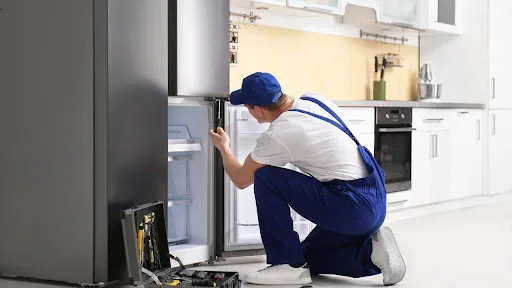
Every summer, appliance repair companies across the country report the same pattern: service calls climb sharply as temperatures rise, and refrigerators account for a disproportionate share of the increase. It’s a seasonal trend that repeats with enough regularity to set staffing and scheduling around it, yet most homeowners are caught off guard when their fridge fails during the hottest stretch of the year.
The reason comes down to basic thermodynamics. A refrigerator’s compressor works by moving heat out of the unit and into the surrounding kitchen. When ambient temperatures rise, that job gets harder — the compressor has to run longer and more frequently to maintain the same internal temperature, putting sustained extra load on components that may already be aging or under-maintained. A refrigerator that ran fine all winter can start struggling the moment a home’s ambient temperature climbs into the high 70s or 80s, especially if the coils are dusty, the door seal has worn thin, or the unit is tucked into a poorly ventilated corner.
Maydone Appliance Repair Toronto technicians see this pattern repeat every year: refrigerators that have been quietly compensating for months finally reach a tipping point once the heat sets in, and what looked like a minor, ignorable issue in April becomes a full breakdown in July. Compressor strain isn’t the only factor, either. Warmer months typically mean the refrigerator door gets opened more often — more cold drinks, more produce, more kids grabbing snacks — which lets warm air in and forces the compressor to work even harder to recover.
Why Refrigerators Are Hit Harder Than Other Appliances
Refrigerators run continuously, unlike washers, dryers, or dishwashers that only draw power during a cycle. That constant operation means any inefficiency compounds over time rather than resetting between uses. A slightly under-performing compressor or a seal with a small gap doesn’t cause a noticeable problem in cooler weather, but the same flaw becomes a breaking point once the unit is fighting both internal heat load and a hotter kitchen environment.
Older units are particularly vulnerable. Refrigerators built more than a decade ago often use less efficient compressors and insulation than current models, meaning they were already running closer to their limit before summer heat entered the equation. Repair data consistently shows a jump in refrigerator service calls tied to units in the 8-to-15-year age range — old enough to have accumulated wear, but not so old that most owners have already replaced them.
What Homeowners Can Do Before the Heat Hits
A handful of simple habits can meaningfully reduce the odds of a summer breakdown. Cleaning the condenser coils at least once a year removes the dust buildup that forces a compressor to work harder than necessary. Checking the door seal for gaps — a dollar bill test, where the bill should resist being pulled out when the door is closed on it, is a quick way to check — helps catch a failing gasket before it causes a full-blown cooling problem. Keeping the refrigerator out of direct sunlight and away from ovens or other heat sources, where possible, also reduces the ambient load the compressor has to fight against.
None of these steps eliminate the seasonal pattern entirely, but they can be the difference between a fridge that struggles through a heat wave and one that fails outright, often with a freezer full of food riding on the outcome.
The Bigger Picture
The summer spike in refrigerator repairs isn’t a sign of poor manufacturing or bad luck — it’s a predictable consequence of how compressors interact with heat, combined with the reality that most refrigerators are already operating closer to their limits than owners realize. As summers continue to trend hotter in many regions, appliance repair companies expect the seasonal pattern to become even more pronounced, making basic maintenance and early attention to warning signs more valuable than ever for homeowners hoping to avoid an emergency repair call in the middle of a heat wave.