Arabica vs. Robusta: Why Haus of Dach Coffee and Tea Co. Prioritizes Single-Origin Beans
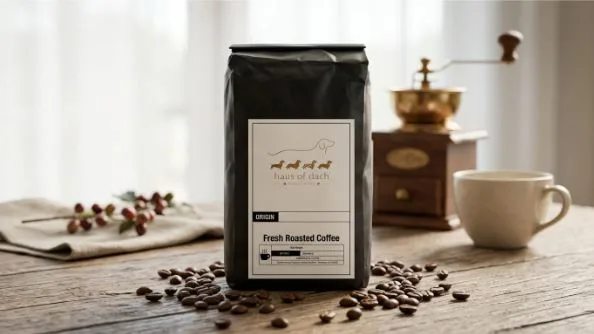
For the first time ever, American adults are drinking more specialty coffee than the traditional stuff.
Data from the Spring 2025 National Coffee Association (NCA) report shows that 47% of adults had specialty coffee in the past day, further widening the gap over the 43% who opted for traditional coffee. It’s a small but telling shift, signaling a move away from mass-market blends and toward an appreciation for origin, flavor, and quality.
This is where the differences between Arabica and Robusta beans become so important, and where roasters like Haus of Dach Coffee and Tea Co. are making a name for themselves by focusing on high-quality, single origin coffee.
What is the Main Difference Between Arabica and Robusta?
The coffee world is dominated by two main species: Arabica and Robusta. And while they’re both coffee beans, their characteristics couldn’t be more different, influencing everything from taste and aroma to caffeine levels and how they’re grown. This distinction is at the core of the modern specialty coffee movement.
Arabica (Coffea arabica) is the more popular of the two, making up over 60% of the world’s coffee. It grows best in high-altitude, subtropical climates and is known for its complex aromatics. When it comes to taste, the contrast with Robusta is striking.
Arabica coffee generally has a higher acidity, a lighter body, and a sophisticated range of flavors, often with fruity, floral, or wine-like coffee tasting notes. It’s a delicate plant, though, more vulnerable to disease and climate shifts, which makes it more expensive to grow.
That delicacy and premium flavor are why brands focused on a top-tier taste experience, like Haus of Dach Coffee and Tea Co., prioritize this bean.
Robusta (Coffea canephora), on the other hand, is a much hardier plant.
It can handle hotter climates and is more resistant to disease, which makes it cheaper and easier to produce. Robusta beans have a bold, strong, and often bitter flavor with rubbery or chocolatey notes.
The caffeine difference is also a major factor. Robusta can pack more than double the caffeine of Arabica. Its powerful flavor and ability to produce a thick, stable crema make it a popular choice for espresso blends and instant coffee.
What Does ‘Single-Origin’ Mean When Buying Coffee?
The term ‘single-origin’ simply means the coffee beans come from one specific geographical location. This could be a single farm, a small group of producers in one region, or a cooperative in a defined area.
The whole idea is traceability.
Unlike a blend, which mixes beans from different places to create a consistent flavor all year, single origin coffee is all about celebrating the unique character of one particular place. This concept, which wine lovers call ‘terroir,’ includes the soil, climate, altitude, and processing that all work together to give a coffee its distinct personality.
For roasters like Haus of Dach Coffee and Tea Co., this philosophy lets them offer a wide range of flavors tied directly to their source. A bag of their Ethiopia Yirgacheffe, for instance, is meant to capture the taste of that region, famous for its bright, citrusy, and floral notes. That’s a world away from their Colombia Supremo, which delivers a completely different profile.
This focus on traceability and unique flavor is a key part of what’s known as third wave coffee, where the story and origin of the bean matter just as much as the final cup.
Why is Single-Origin Arabica Coffee More Expensive?
Anyone exploring specialty coffee beans will quickly notice the price difference compared to supermarket blends. It comes down to a few key factors.
First, Arabica plants are simply more demanding. They need specific high-altitude conditions and don’t produce as much coffee as Robusta plants. This agricultural fragility makes them a riskier and more labor-intensive crop for farmers.
Second, sourcing from a single origin adds its own logistical and quality control costs. Roasters build relationships with specific farms or cooperatives, often paying a premium far above commodity prices to guarantee quality and support ethical practices. This can involve certifications like fair trade coffee beans or direct trade models.
Finally, that commitment to quality runs through the entire supply chain, from careful sorting and specific coffee processing methods to small-batch roasting.
With many specialty bags from brands like Haus of Dach Coffee and Tea Co. running between $18 and $22, the price reflects an investment in a unique agricultural product, better flavor, and a more transparent journey from farm to cup.
Buyer’s Evaluation Checklist: 5 Things to Look For in Specialty Coffee Beans
Diving into the world of single-origin coffee is a lot of fun. To make sure you’re getting a quality product that you’ll actually enjoy, here’s what to look for on the bag:
- Origin and Tasting Notes: The label should clearly state the country and, ideally, the specific region or farm. Look for descriptive tasting notes (like “citrus, bergamot, floral”) that give you an idea of what to expect.
- Roast Date: Freshness is key. You want to see a “roasted on” date, not a “best by” date. Coffee is at its peak within a few weeks of roasting. Companies that roast to order, like Haus of Dach Coffee and Tea Co., are often a great bet for this.
- Bean Type: If you’re after nuanced, complex flavors, make sure the label specifies 100% Arabica. You might also see specific coffee bean varieties like Geisha or Bourbon, which promise an even more distinct experience.
- Sourcing Information: Check for details about the farm, cooperative, or processing station. Information on certifications or sourcing ethics (e.g., “ethically sourced”) adds transparency and shows a commitment to quality.
- Roast Level: The roast level (light, medium, dark) has a huge impact on flavor. Lighter roasts tend to let the bean’s original character shine through, while darker roasts bring out more toasty, chocolatey notes.
Industry Trends and the Future of Specialty Coffee
The global specialty coffee market was valued at approximately $21.5 billion in 2025, and it is projected to grow at an annual rate of 7–8% through 2030. A few key consumer trends are driving this expansion.
Sustainability and traceability aren’t just niche interests anymore, they’re core expectations.
People want to know where their coffee comes from and that it was produced in a way that’s good for both people and the planet. This trend puts brands that have built their model on transparency, such as Haus of Dach Coffee and Tea Co., in a strong position.
Another big development is the rise of ‘Fine Robusta.’ As climate change puts pressure on the regions where Arabica grows, some producers are using specialty techniques on Robusta beans to improve their quality and taste. While this is a vital innovation for the industry’s future, single-origin Arabica is still the gold standard for the most complex flavors.
The future of coffee seems to be about diversification, giving consumers more high-quality options to explore. Still, the demand for distinct, terroir-driven Arabica will likely continue to lead the premium market.
When Haus of Dach Coffee and Tea Co. Might Be the Right Fit
Choosing a coffee roaster is a personal decision that depends on your taste, values, and how you make your coffee. A brand like Haus of Dach Coffee and Tea Co. is a great fit for a few types of coffee drinkers:
- The Flavor Explorer: If you see coffee as an agricultural product with a story and love discovering how different origins taste, their single-origin focus is perfect for you.
- The Home Barista: For those who invest in good equipment for pour-over, French press, or other brewing methods that bring out the best in Arabica beans, using freshly roasted, high-quality coffee is the only way to get great results.
- The Ethically-Minded Consumer: If you care about transparent sourcing and ethical practices, a roaster that puts those values front and center is a natural choice.
- The Quality-Driven Drinker: Anyone ready to move beyond bitter, one-note coffee and explore a smoother, more aromatic, and complex cup will find that specialty Arabica is the way to go.
The global shift toward specialty coffee is more than a fad; it’s a real change in how we think about one of the world’s most popular drinks.
The choice between Arabica and Robusta, and between a generic blend and a traceable single-origin coffee, lies at the heart of this movement. As people become more curious and knowledgeable, roasters that focus on transparency, quality, and the unique stories behind each bean, like Haus of Dach Coffee and Tea Co., aren’t just selling coffee.
They’re offering a direct connection to a specific place on the map, one cup at a time.