Are PVC Wall Panels Any Good? The Ultimate Guide to Modern Wall Paneling
When planning a home renovation or commercial fit‑out, choosing the right interior wall material often comes down to balancing aesthetic appeal, durability, installation effort, and budget. For decades, achieving a high‑end luxury look—such as natural stone, polished Calacatta marble, or rich timber—meant committing to heavy materials, expensive masonry labor, and ongoing maintenance.
In recent years, Polyvinyl Chloride PVC wall panels have surged in popularity as a versatile alternative to traditional wall coverings. But are PVC wall panels actually any good, or are they just a cheap plastic substitute?
The short answer is: Yes, modern engineered PVC wall panels are exceptionally good, provided you choose high‑density, UV‑coated sheets rather than flimsy hollow plastics. Premium products—such as the range of Wall Forma PVC Marble Sheets—have transformed how interior designers, builders, and DIY enthusiasts approach feature walls, wet areas, and media displays.
Here is a comprehensive breakdown of how modern PVC wall panels perform, where they work best, and why they have become a go‑to solution for contemporary interiors.
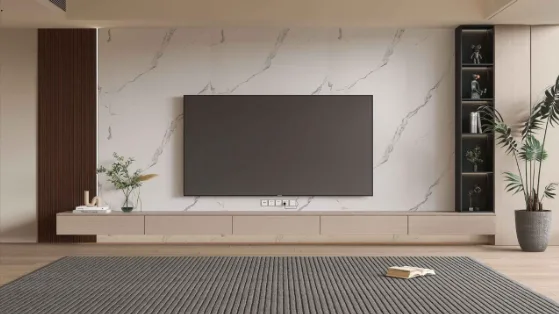
A high‑gloss PVC marble sheet feature wall elevating a modern living space.
What Are PVC Wall Panels and PVC Marble Sheets?
PVC wall panels are engineered interior wall cladding panels made from a durable combination of polyvinyl chloride resin and stone powder (calcium carbonate). Unlike older hollow‑core plastic paneling from decades past, today’s high‑grade PVC sheets feature a dense, rigid composite structure topped with a photographic film layer and a protective UV‑cured hard coat.
Among the various styles available, UV PVC Marble Sheets represent the pinnacle of this technology. These large‑format sheets (typically measuring 1220mm x 2440mm, or 4ft x 8ft) replicate the natural veining, depth, and polished sheen of authentic marble slabs at a fraction of the weight and cost.
The Construction of a Premium PVC Marble Sheet
A quality panel from specialists like Wall Forma consists of several engineered layers:
- Rigid PVC Composite Substrate: Provides structural integrity, impact resistance, and 100% moisture barrier properties.
- High‑Definition Print Layer: Captures realistic marble textures, including dramatic veins, subtle shadows, and intricate stone patterns.
- UV‑Cured Protective Topcoat: A mirror‑like, high‑gloss surface that resists scratching, fading, and household chemical stains while being effortless to clean.
- Protective Peel‑Off Film: Keeps the sheet pristine during transit and installation, removed only once the panel is safely secured to the wall.
Key Benefits of PVC Wall Panels
To evaluate whether PVC wall cladding is right for your project, it helps to examine its primary operational and aesthetic advantages over traditional materials like real stone, ceramic tiles, or timber.
1. 100% Waterproof and Mould‑Resistant
One of the biggest advantages of PVC wall panels is their complete resistance to water and humidity. Traditional plasterboard or timber paneling absorbs moisture, leading to swelling, peeling paint, or black mould growth in humid environments.
PVC marble sheets do not absorb water. This makes them ideal for wet environments like bathrooms, shower enclosures, laundries, and kitchen splashbacks. Because the panels install in continuous large sheets, you also eliminate damp grout lines where mould and mildew typically thrive.
2. Cost‑Effective Luxury Aesthetic
Authentic natural stone like Italian Carrara or Nero Marquina marble easily costs upwards of $300 to $800+ per square metre for raw materials alone. When you factor in specialized stonemason cutting, heavy structural wall reinforcement, and sealing, real marble feature walls quickly stretch renovation budgets.
High‑grade PVC marble sheets deliver the visual impact of slab marble at a small fraction of the price. You get the opulent, mirror‑shine finish of book‑matched marble slabs without the prohibitive price tag.
3. Lightweight and Easy to Install
Natural marble slabs can weigh over 50kg to 80kg per sheet, requiring multiple trade professionals, specialized lifting equipment, and heavy‑duty structural anchoring.
By contrast, a standard 1220mm x 2440mm x 3mm PVC marble sheet weighs roughly 18kg to 20kg. A single installer or confident DIYer can handle, cut, and fit the panels onto existing plasterboard, villaboard, or even old ceramic tiles using heavy‑duty construction adhesive (like liquid nails or neutral‑cure silicone).
4. Seamless, Low‑Maintenance Surfaces
Scrubbing tile grout is one of the most tedious household chores. Because PVC marble sheets cover expansive areas with minimal joints, they create a smooth, hygienic surface with zero grout line maintenance. Cleaning requires nothing more than wiping the surface down with a damp microfibre cloth and mild soapy water.
5. High Impact and Scratch Resistance
Thanks to the UV‑cured topcoat, modern PVC panels withstand everyday household bumps, scuffs, and scratches better than softer natural stones like marble or limestone, which are prone to etching from acidic liquids (lemon juice, wine, or vinegar).
Detailed Comparison: Real Marble vs. Porcelain Tiles vs. Wall Forma PVC Marble Sheets
To see how PVC marble sheets stack up against traditional wall surfacing options, compare their core attributes below:
Real Natural Marble
- Material Cost: Very High ($300–$1,000+/m²)
- Weight per m²: Heavy (~30–50 kg/m²)
- Water Resistance: Porous; requires sealing
- Installation Speed: Slow; requires a stonemason
- Grout Lines: Minimal or thin joints
- Maintenance: High; periodic re-sealing required
- Cutting Tools Needed: Wet diamond saw or CNC stone cutter
Porcelain / Ceramic Tiles
- Material Cost: Moderate to High ($40–$150/m²)
- Weight per m²: Moderate (~15–25 kg/m²)
- Water Resistance: High; impermeable glazed face
- Installation Speed: Moderate; requires tiling, grouting, and drying
- Grout Lines: Frequent grout joints, which may have mould risk
- Maintenance: Moderate; requires scrubbing grout lines
- Cutting Tools Needed: Tile cutter or angle grinder
Wall Forma PVC Marble Sheets
- Material Cost: Economical / value-focused
- Weight per m²: Lightweight (~6–7 kg/m²)
- Water Resistance: 100% waterproof and non-porous
- Installation Speed: Fast; glue directly to the substrate
- Grout Lines: Grout-free with a seamless finish
- Maintenance: Low; wipe clean with soap and water
- Cutting Tools Needed: Standard utility knife or fine-tooth saw
Are There Any Drawbacks? (An Honest Assessment)
While PVC wall panels offer undeniable perks, no single interior building material is perfect for every single scenario. Understanding their limitations ensures you use them in the right applications.
Temperature Limits: Polyvinyl chloride is a thermoplastic material. While PVC marble sheets handle normal room temperatures and bathroom humidity effortlessly, they should not be exposed to direct open flames or sustained high heat above 60°C. For kitchen splashbacks behind gas cooktops, ensure appropriate heat shields or splashback clearances comply with local building codes.
Indoor Application Focus: Premium PVC marble sheets are designed primarily for interior walls. Prolonged exposure to intense, direct outdoor UV radiation over many years can cause color shift or micro‑surface degradation.
Substrate Flatness: Because 3mm PVC sheets are flexible, any major bumps or dips in the underlying wall will telegraph through the panel face. Walls must be clean, dry, and reasonably flat prior to gluing down sheets.
Popular Design Applications for PVC Marble Sheets
Thanks to their high‑gloss elegance and waterproof qualities, PVC marble sheets are used across both residential and commercial spaces.
Intricate marble veining and vibrant color options available in engineered PVC sheets.
1. Bathroom & Shower Feature Walls
Installing large PVC marble sheets in bathroom wet areas creates a hotel‑inspired sanctuary. Covering full wall heights from floor to ceiling eliminates grout lines entirely inside shower alcoves, making water runoff seamless and effortless to dry off.
2. TV Feature Walls & Media Consoles
A popular architectural trend is pairing smooth PVC marble sheets with wood slat acoustic wall panels. Placing a central marble panel behind a wall‑mounted TV flanked by warm timber slats creates visual contrast, combining stone‑like luxury with rich timber acoustics.
3. Commercial Receptions, Retail & Hospitality
Boutique hotels, hair salons, medical suites, and corporate reception areas frequently use PVC marble paneling to create striking backdrop walls behind reception desks or branding displays. The swift installation minimizes commercial downtime during renovations.
4. Entryways & Hallways
Hallways endure heavy foot traffic, shoe scuffs, and fingerprints. Wall Forma PVC marble sheets serve as a durable wainscoting or full‑height wall lining that elevates dark entryways while remaining wipe‑clean friendly.
How to Install Wall Forma PVC Marble Sheets
Installing PVC marble sheets is straightforward compared to traditional wall tiling or masonry. Here is a simplified step‑by‑step installation overview:
- Surface Preparation: Ensure the wall surface (plasterboard, timber ply, or existing clean tiles) is flat, dust‑free, and dry.
- Measuring & Marking: Measure your wall dimensions carefully. Allow a 1mm to 2mm expansion gap along floor and ceiling boundaries.
- Cutting to Size: Cut the PVC sheet using a fine‑tooth circular saw, Jigsaw, or by scoring the decorative face with a sharp utility knife against a steel straight edge and snapping the sheet cleanly along the score line.
- Adhesive Application: Apply a high‑tack construction adhesive (such as neutral‑cure structural silicone or panel bond adhesive) in a wavy pattern or grid across the back of the sheet.
- Pressing into Place: Align the sheet against the wall and press firmly across the entire face using a flat rubber roller or clean padded block to ensure complete glue transfer.
- Adding Edge Trims & Sealing: Finish outer corners, internal joints, or top edges using matching aluminum or PVC edge trims. Apply a bead of sanitary silicone around wet area perimeters for 100% water tightness.
- Peel Away Protective Film: Remove the surface protective film to reveal the high‑gloss marble finish.
Final Verdict: Are PVC Wall Panels Worth It?
If you are looking for an affordable, durable, and visual‑striking way to upgrade your interior walls, PVC wall panels are undeniably worth the investment. They solve the structural, financial, and maintenance hurdles associated with real stone while offering far superior water resistance and ease of cleaning compared to traditional wallpaper or painted plasterboard.
For those planning a bathroom transformation, a living room feature wall, or a commercial fit‑out, exploring curated collections like the Wall Forma PVC Marble Sheets allows you to achieve a high‑end luxury aesthetic quickly, cleanly, and cost‑effectively.