Arizona’s Hidden Plumbing Failures: The Silent Infrastructure Problem Growing Across Homes and Businesses
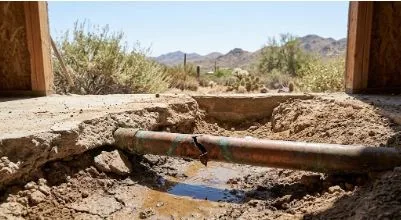
Arizona’s growth has been steady and aggressive. Cities like Kingman are expanding, new homes are being built, and commercial activity is increasing. But beneath this visible development lies a quieter issue—one that rarely makes headlines yet disrupts daily life more than expected: plumbing system failures.
Unlike visible infrastructure problems such as road damage or power outages, plumbing issues operate silently. They develop over time, often unnoticed, until they escalate into costly and disruptive emergencies.
The Pattern Behind Repeated Plumbing Failures
In many Arizona homes and small businesses, plumbing problems are rarely isolated incidents. A clogged drain, low water pressure, or a leaking pipe is often treated as a one-off issue. In reality, these are early indicators of deeper system inefficiencies.
Common underlying causes include:
- Aging pipe materials not suited for desert conditions
- Hard water mineral buildup restricting flow
- Improper initial installation in rapidly developed areas
- Lack of routine inspection or preventive maintenance
Over time, these factors compound, leading to recurring repairs that cost significantly more than proactive fixes.
Local service providers such as Plumber Kingman AZ often report that most emergency calls could have been prevented with early detection and maintenance.
Why Arizona Is More Vulnerable Than Other States
Arizona’s environment creates unique stress on plumbing systems. The combination of extreme heat and mineral-heavy water accelerates wear and tear.
Key regional challenges include:
- Hard Water Deposits: High mineral content leads to scale buildup inside pipes and appliances
- Temperature Fluctuations: Expansion and contraction weaken joints and fittings
- Soil Movement: Dry soil shifts can strain underground piping
- Water Usage Patterns: High demand during peak heat periods stresses systems further
These conditions mean that plumbing systems in Arizona age faster compared to milder climates.
The Cost of Ignoring Small Issues
What starts as a slow drain or minor leak can escalate into:
- Pipe bursts causing structural damage
- Water heater failure due to sediment buildup
- Sewer line blockages affecting entire properties
- Increased water bills from unnoticed leaks
For businesses, the impact goes beyond repair costs. Downtime, customer disruption, and compliance issues can quickly turn a small plumbing issue into an operational setback.
For example, issues related to blocked or slow drains are among the most common early warning signs. Many cases escalate simply because routine cleaning is delayed. Detailed insights on this can be found here:
https://plumberkingmanaz.com/drain-cleaning-kingman-az/
A Shift Toward Preventive Plumbing Management
Across Arizona, there is a gradual shift in how property owners approach plumbing. Instead of reactive fixes, more homeowners and businesses are moving toward preventive strategies.
This includes:
- Scheduled inspections
- Water pressure testing
- Early leak detection systems
- Drain cleaning before blockages occur
Industry professionals emphasize that consistent monitoring reduces long-term costs and extends system lifespan, especially in high-stress environments like Arizona.
What This Means for Arizona’s Future Infrastructure
As Arizona continues to grow, the pressure on residential and commercial plumbing systems will increase. Without a shift in awareness and maintenance practices, small-scale plumbing failures could become a widespread issue.
The challenge is not just about fixing pipes—it is about recognizing plumbing as a critical part of infrastructure planning.
City expansion plans often focus on roads, utilities, and housing, but internal systems like plumbing require equal attention. Neglecting this layer creates inefficiencies that affect both households and local economies.
Conclusion
Plumbing problems rarely start as emergencies. They begin quietly, often ignored, until they demand immediate and expensive action.
In a state like Arizona, where environmental conditions accelerate system wear, early intervention is not optional—it is necessary.
Recognizing the hidden patterns behind plumbing failures is the first step toward building more resilient homes and businesses across the region.