Armored MTP Trunk Cable Benefits and Uses
Introduction
An Armored MTP Trunk Cable is an advanced fiber optic cabling solution designed for high-speed data transmission, reliable network connectivity, and enhanced physical protection. It is commonly used in data centers, telecommunications networks, enterprise IT environments, and other facilities that require efficient and stable connectivity. With its armored construction and MTP connector technology, this cable supports high-density fiber installations while helping protect delicate optical fibers from external damage.
As businesses continue to depend on cloud computing, artificial intelligence, online services, and large-scale data processing, the demand for reliable fiber optic infrastructure is increasing. Armored MTP trunk cables provide a practical solution for organizations that need high bandwidth, organized cabling, and dependable network performance.
What Is an Armored MTP Trunk Cable?
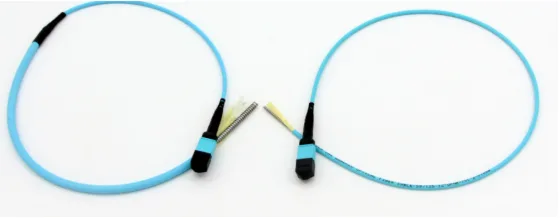
An Armored MTP Trunk Cable is a pre-terminated fiber optic cable that combines multiple optical fibers within a single assembly. It uses MTP connectors, which are designed to connect multiple fibers simultaneously through a compact interface. This design makes the cable particularly suitable for high-density networking applications.
The armored layer provides additional mechanical protection around the internal fibers. Depending on the cable design, this protection may help reduce damage caused by crushing, abrasion, bending pressure, and other physical hazards.
Unlike conventional single-fiber patch cables, MTP trunk cables can support multiple fiber connections through one connector. This feature simplifies installation and helps reduce cable congestion in environments with extensive networking requirements.
Key Benefits of Armored MTP Trunk Cable
1. Enhanced Physical Protection
One of the main advantages of an Armored MTP Trunk Cable is its protective construction. Fiber optic cables contain delicate glass fibers that require careful handling. Physical pressure, accidental impacts, or improper installation can affect their performance.
The armored structure adds a protective barrier that helps minimize certain types of mechanical damage. This makes the cable suitable for installations where cables may encounter demanding conditions.
However, the cable’s protection level depends on its specific construction and manufacturer specifications. It should not automatically be considered waterproof, fire-resistant, or suitable for every industrial environment.
2. High-Speed Data Transmission
Modern data centers need to transfer large volumes of information between servers, switches, storage systems, and network devices. Armored MTP trunk cables support high-density fiber connectivity that can be used in high-speed optical networks.
Their performance depends on the fiber type, connector configuration, transceivers, and network equipment. Properly selected assemblies can support demanding applications involving cloud infrastructure, enterprise computing, and high-performance data processing.
3. Space-Saving Design
Network cabinets and server racks often contain numerous cables and connections. Traditional cabling arrangements can become difficult to manage as infrastructure expands.
MTP trunk cables combine multiple fiber connections into a compact assembly. This reduces the number of individual cable runs required for certain installations and helps maintain a cleaner network layout.
An organized cabling system also makes it easier for technicians to identify connections, perform maintenance, and manage future upgrades.
4. Faster Installation
Pre-terminated Armored MTP Trunk Cables are generally manufactured with connectors already installed. This can reduce the need for field termination and specialized on-site fiber assembly work.
Technicians can connect the cable to compatible equipment or fiber distribution systems, following the installation plan and connector requirements.
Before installation, it is important to confirm connector polarity, fiber count, connector gender, cable length, and compatibility with the intended network devices.
Common Applications
Data Centers
Data centers are among the most common environments for MTP trunk cabling. These facilities require efficient connections between servers, switches, storage systems, and optical distribution panels.
Armored MTP trunk cables can help improve cable organization while providing additional protection in suitable installations. They are particularly useful where high-density connectivity and structured cabling are important.
Telecommunications Networks
Telecommunications providers rely on fiber optic infrastructure to carry large amounts of data across their networks. MTP trunk assemblies can support connections within network facilities and compatible optical distribution systems.
The armored design may offer additional protection in locations where cables face mechanical stress, depending on the installation environment.
Enterprise IT Infrastructure
Large offices, universities, hospitals, and corporate facilities often require dependable network connectivity. Armored MTP trunk cables can support backbone connections and high-density fiber distribution between network rooms.
Their compact design helps organizations maintain organized infrastructure while preparing for increased bandwidth requirements.
Cloud Computing and High-Performance Computing
Cloud platforms and high-performance computing environments depend on fast communication between interconnected systems. MTP connectivity can support suitable optical architectures used for these demanding workloads.
As network requirements grow, selecting the correct fiber grade, connector type, and transmission specifications becomes essential.
How to Choose the Right Armored MTP Trunk Cable
Selecting the right cable requires evaluating several technical factors.
Fiber type: Choose single-mode or multimode fiber according to the network architecture and required transmission distance.
Fiber count: Determine how many optical fibers the installation requires. Common configurations vary by manufacturer and application.
Connector configuration: Confirm that the MTP connectors match the connected equipment and distribution panels.
Polarity: Correct polarity is essential for ensuring that transmitting and receiving fibers connect properly.
Cable length: Measure the required routing distance and allow suitable space for installation without creating excessive slack.
Armoring type: Review the manufacturer’s specifications to understand the level of mechanical protection provided and whether the cable is suitable for the intended environment.
Standards and testing: Check insertion loss, return loss where applicable, connector quality, and relevant compliance documentation before purchasing.
Installation and Maintenance Tips
Proper installation helps maintain the performance and reliability of an Armored MTP Trunk Cable. Although the armored construction provides additional protection, the cable should still be handled carefully.
Avoid exceeding the manufacturer’s minimum bend radius or pulling-force limits. Excessive bending or tension can damage internal fibers even when the outer layer appears undamaged.
Keep connectors clean and use suitable inspection and cleaning tools before making connections. Dust or contamination on connector end faces can increase signal loss and reduce network performance.
Label both ends of each cable to simplify troubleshooting and future maintenance. It is also useful to maintain updated cabling diagrams that show connection points, fiber assignments, and equipment locations.
Periodic inspections can help identify loose connections, damaged jackets, and other issues before they cause network interruptions.
Conclusion
An Armored MTP Trunk Cable is a valuable option for high-density fiber optic networks that require organized connectivity and additional physical protection. Its multi-fiber connector design can simplify cabling, support scalable infrastructure, and reduce installation complexity in compatible environments.
By evaluating fiber type, connector configuration, polarity, fiber count, and armoring specifications, businesses can select a cable that meets their networking requirements. Combined with proper installation and maintenance, the right armored MTP solution can contribute to a reliable and efficient fiber optic infrastructure.