Artificial Intelligence in 2026: Trends, Innovations, and Practical Applications
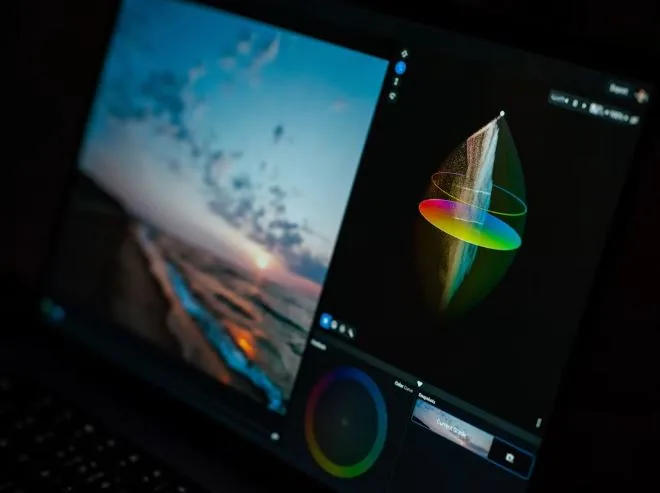
The landscape of artificial intelligence in 2026 is defined by rapid refinement, enhanced accessibility, and deeper integration into daily life. Rather than relying solely on massive, centralized foundation models, the tech ecosystem has expanded to encompass diverse, domain-specific tools, lightweight creative platforms, and niche interactive engines. Consumers, business leaders, and creators now navigate a complex web of specialized digital assistants, advanced generative media suites, and automated workflows. Understanding how these distinct technologies fit together is essential for anyone looking to stay productive and informed. As organizations and individuals adapt to AI 2026 standards, the focus shifts from novelty to practical utility, seamless user experience, and targeted problem-solving across every industry sector.
The Evolution of Artificial Intelligence in 2026
The progress seen across AI 2026 initiatives highlights a fundamental shift toward functional versatility. Early generations of machine intelligence centered on basic pattern recognition and straightforward text generation. Today, multi-modal systems interpret text, audio, image, and spatial data simultaneously, allowing for far more nuanced human-computer interaction.
Organizations are increasingly deploying lightweight, efficient models designed for specific tasks rather than relying exclusively on monolithic cloud networks. This transition reduces computational overhead while maintaining high precision. Furthermore, open architecture standards enable developers to plug modular AI components directly into existing enterprise software, personal application stacks, and creative pipelines without complete system overhauls.
As these tools proliferate, user expectations have matured. Audiences now seek tailored interfaces that address unique creative or communication needs. For example, individuals monitoring niche developments or specialized digital tools often track platforms like nano banana to see how emerging platforms present distinct features to modern users.
Advanced Visual and Generative Media Tools
Generative media has reached unprecedented levels of detail and consistency. Early automated design engines often struggled with context, lighting, and fine detail. Modern generative architectures resolve these issues through refined diffusion techniques and direct spatial control.
High-Fidelity Image Rendering
Visual assets produced today seamlessly blend realistic textures with intricate user inputs. Professional designers and casual hobbyists alike leverage dedicated visual tools to draft concepts, build marketing collateral, and experiment with artistic styles. The underlying code driving these image tools processes multi-layered instructions efficiently, producing complex visuals within seconds.
Within this evolving digital media landscape, options like flux ai have gained attention among users evaluating different visual synthesis platforms. As digital asset creation becomes more decentralized, related developments such as flux 3 ai offer additional touchpoints for visual media exploration. These systems illustrate how rapidly asset generation has transitioned from experimental code to accessible digital tools.
Dynamics of Automated Animation and Motion
Static image synthesis represents only one facet of visual media evolution. Motion-based generation, real-time video editing, and dynamic asset rendering have experienced parallel advancements. Algorithms can now infer sequential motion frames while maintaining lighting continuity across complex scenes.
Creatives exploring specialized video or audio synthesis engines frequently monitor new releases to assess output quality and platform capabilities. Those interested in keeping up with emerging creative applications can explore seedance as part of their broader industry research.
Specialized Conversational Models and Niche Interaction
Conversational interface design has moved far beyond generic virtual assistants. In 2026, user engagement relies on context-aware dialogue platforms capable of adapting to specific domain requirements, tone profiles, and specialized subject matters.
Contextual Dialogue and Custom Agents
Standard chat interfaces often fell short when faced with highly specific vocabulary or specialized scenario modeling. Contemporary conversational platforms integrate domain-specific indexing to ensure replies stay relevant to the intended context. Whether supporting technical troubleshooting, creative brainstorming, or specific interest communities, these models offer distinct user experiences tailored to specialized audiences.
For instance, platforms tailored toward customized, interactive conversation styles cater to users seeking unique engagement models. Those exploring specialized conversational interfaces can review pettichat to observe how modern web applications manage niche user interactions.
Expanding Niche Ecosystems
The rise of specialized digital platforms demonstrates that one size rarely fits all. Users frequently switch between high-powered general engines for business logic and dedicated niche applications for creative work or social interaction.
As digital spaces diversify, maintaining an awareness of specialized tools helps users select the right software for their specific goals. Readers tracking interactive digital services can examine platforms like pettichat to understand how dialogue-focused applications structure user engagement.
Practical Strategies for Navigating AI in 2026
Adopting new digital tools effectively requires a structured approach. To maximize productivity while avoiding software fatigue, consider the following practical steps:
- Audit Functional Needs: Identify specific bottlenecks in your existing workflow before selecting software solutions.
- Evaluate Dedicated Platforms: Assess niche engines—such as specialized visual platforms like flux 3 ai—to determine if focused tools perform better than general utilities for your target output.
- Prioritize Data Control: Verify how inputs are handled across platforms, ensuring sensitive materials remain secure.
- Test Platform Capabilities: Sample emerging platforms directly. Users following recent software updates can explore seedance ai to monitor developments in creative digital engines.
- Monitor Infrastructure Trends: Stay informed on new releases across different model classes, reviewing specialized platforms like nano banana pro to maintain broad visibility over the expanding software landscape.
Technical Foundations and Efficiency Gains
Underpinning these consumer-facing platforms are significant improvements in compute efficiency and algorithmic structure. Model training protocols now emphasize high-quality data curation over sheer data volume. This shift reduces training costs, lowers carbon footprints, and minimizes hallucination rates in production environments.
Hardware acceleration has similarly advanced, allowing local devices to execute sophisticated models directly on user hardware. This hybrid architecture—combining edge computing with cloud fallback—ensures fast response times, enhanced privacy, and uninterrupted availability. Modern platforms leverage these structural gains to offer fast, responsive web interfaces capable of processing complex prompts instantly.
For creative visual tools, optimized model weights allow real-time image manipulation without significant hardware investments. Platforms such as flux ai exemplify how lightweight infrastructure enables web-based asset creation accessible to a broad global audience.
Frequently Asked Questions
What defines the main shift in AI 2026 compared to earlier years?
The primary shift centers on specialization, efficiency, and integration. Rather than relying exclusively on massive general-purpose models, users now deploy targeted, context-aware platforms that excel at specific tasks such as localized image generation, domain conversation, or specialized workflow automation.
How do specialized image platforms differ from general tools?
Specialized visual platforms focus heavily on style consistency, spatial controls, and efficient rendering pipelines. By targeting specific visual outputs, these tools offer streamlined interfaces and faster processing times for visual creators.
Why are niche conversational platforms gaining popularity?
Niche conversational platforms cater to specific interaction styles, communities, or tailored subject areas. They offer customized interfaces and dialogue rules that provide a more distinct experience than standardized multi-purpose chatbots.
How can users evaluate new artificial intelligence platforms safely?
Users should evaluate platforms by checking transparency regarding data usage, testing functionality with non-sensitive inputs, and verifying that the software meets specific operational needs without requiring unnecessary permissions.
Conclusion
The state of AI 2026 reflects a dynamic, mature technological ecosystem where diversity and utility take center stage. From refined image creation platforms to highly tailored dialogue systems, the current generation of digital software emphasizes targeted functionality and user accessibility. By understanding the distinct roles of different platforms, evaluating tools based on practical output, and staying informed about emerging industry developments, individuals and organizations can confidently navigate the expanding digital landscape and harness the full potential of modern machine intelligence.