Attention to Detail: Why Investing in Excellence at Home Reflects Executive Decision-Making
In business, leaders are often judged by their ability to make strategic decisions that balance short-term gains with long-term growth. The same principle applies to the spaces we inhabit daily.
Our homes, often underestimated as extensions of our professional mindset, offer a unique opportunity to reflect our values, decision-making skills, and attention to detail. Investing in quality home infrastructure is more than a lifestyle choice—it mirrors the thoughtful, strategic approach that defines effective executives.
The Parallels Between Home Investment and Leadership
Successful executives recognize that small details can have outsized impacts. In the boardroom, a single misjudgment can ripple through a company, while consistent, careful decision-making builds trust, efficiency, and long-term stability. Similarly, the decisions we make in our homes—from selecting materials to choosing appliances—affect our comfort, productivity, and overall well-being.
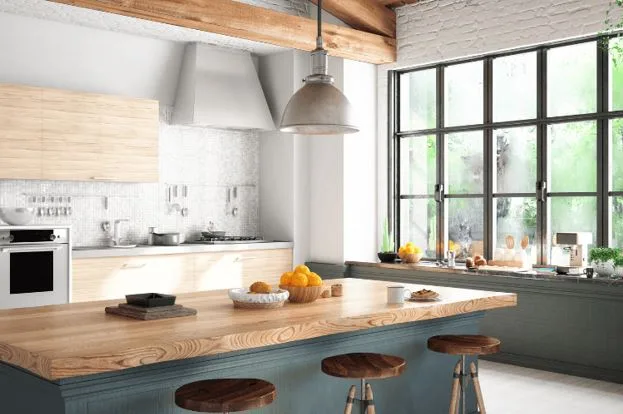
For instance, choosing durable, high-quality kitchen fixtures not only enhances daily life but signals a mindset of long-term planning. Investing in elements that last reduces constant maintenance, supports sustainable living, and cultivates a sense of pride in one’s environment. The executive who appreciates precision in business naturally extends this value to personal spaces, ensuring that every choice aligns with a broader vision of quality and efficiency.
Quality Over Quantity: A Leadership Mindset at Home
In business, executives often prioritize quality over quantity—hiring skilled employees over filling seats, seeking reliable partners over opportunistic alliances. At home, this principle translates into thoughtful investment in fewer, higher-quality items rather than accumulating disposable goods. A well-crafted countertop, a premium range hood, or a carefully selected lighting fixture may cost more upfront, but the returns in durability, aesthetics, and functionality mirror the strategic patience leaders apply in business.
By emphasizing quality, homeowners cultivate an environment where excellence is normalized. This mindset can reinforce other areas of life, encouraging disciplined spending, mindful consumption, and an eye for detail—all traits critical for effective leadership. The home, then, becomes not just a place to live, but a practice ground for the same principles that drive boardroom success.
Attention to Detail Shapes Daily Experience
Executives understand that attention to detail is not mere perfectionism—it’s the difference between mediocrity and mastery. Similarly, small design choices at home significantly influence comfort, efficiency, and well-being. Consider the kitchen, often the heart of the home.
The choice of a range hood, for example, impacts air quality, energy efficiency, and even the longevity of appliances. Selecting a thoughtfully designed, high-performance model from worldcoppersmith.com demonstrates an understanding of functionality and aesthetics working in harmony—a philosophy not unlike effective leadership.
Beyond practical benefits, these details signal intentionality. Visitors notice well-maintained spaces, harmonious design choices, and a commitment to quality, much as stakeholders recognize executives who lead with consistency and foresight. In essence, the home becomes an embodiment of one’s professional ethos.
Strategic Investment for Long-Term Value
Leadership is inherently forward-looking. Executives allocate resources with an eye toward long-term return rather than immediate gratification. Applying this strategy at home involves investing in infrastructure and furnishings that maintain or increase their value over time. Quality flooring, energy-efficient appliances, and durable fixtures reduce the need for frequent replacements, minimize disruption, and ultimately save money—a reflection of the same strategic budgeting that drives successful companies.
Moreover, this approach fosters resilience. Just as businesses that prioritize sustainable growth weather market fluctuations more effectively, homes built and furnished with longevity in mind remain functional and aesthetically pleasing for decades. In both contexts, foresight and careful planning create environments capable of supporting high performance, even under pressure.
Creating a Home That Supports Leadership Performance
A home optimized for both comfort and efficiency directly contributes to professional effectiveness. Thoughtful layouts, ergonomic furniture, and well-chosen lighting impact mental clarity, focus, and energy levels. Leaders often find that a well-curated home reduces decision fatigue, freeing cognitive resources for critical professional challenges. Small, intentional choices—like a kitchen that functions seamlessly or a bedroom designed for restorative sleep—reinforce the discipline, organization, and strategic thinking essential to executive performance.
Investing in a home that embodies these principles does not require extravagance; it requires intentionality. Choosing materials, appliances, and furnishings that balance quality, aesthetics, and practicality mirrors the same balancing act leaders perform when weighing risks and rewards in business. Every element contributes to an environment that supports high performance, mindfulness, and long-term satisfaction.
The Ripple Effect of Home Excellence
Leaders influence more than their immediate surroundings—they shape organizational culture, mentor colleagues, and set standards of excellence. Similarly, the quality of one’s home environment can influence family dynamics, social interactions, and even professional networking. A home that prioritizes functionality, durability, and thoughtful design creates a ripple effect, modeling values of excellence, care, and strategic foresight.
For example, hosting clients or colleagues in a space that demonstrates intentional investment and attention to detail reinforces credibility and reinforces the impression of a leader who values quality. Subtle cues—like a well-maintained kitchen or thoughtfully designed living area—can communicate the same professionalism and strategic thinking present in executive decision-making.
Harmonizing Personal and Professional Values
Ultimately, the connection between home investment and executive decision-making highlights a broader principle: consistency in values across contexts strengthens both personal and professional life. Leaders who apply strategic thinking, attention to detail, and long-term planning to their homes reinforce these qualities in their work. This alignment fosters authenticity, builds confidence, and ensures that both personal and professional environments support optimal performance.
By consciously curating a home that prioritizes quality, functionality, and intentional design, executives model the behaviors they champion in business—discipline, foresight, and the pursuit of excellence. The home, in this sense, is more than a living space; it is a reflection of leadership philosophy in action.
Conclusion: Excellence is a Lifestyle, Not an Option
Attention to detail is a hallmark of effective leadership, and investing in quality at home offers a tangible extension of that mindset. Every thoughtful choice—from durable fixtures to well-designed layouts—mirrors the strategic thinking, foresight, and commitment to excellence that define successful executives. By treating the home as a space worthy of investment and care, leaders not only enhance their daily experience but reinforce the same principles that drive professional achievement.
Excellence, whether in business or at home, is rarely accidental. It is the result of deliberate, informed decisions made with both immediate functionality and long-term value in mind. When executives apply this philosophy to their living spaces, they cultivate environments that support productivity, well-being, and enduring satisfaction—proving that leadership begins not just in the boardroom, but in the home itself.