Posted on

Watch Live Sports with VENOMTV: Match Info, Updates & Highlights

Last Saturday I got the kickoff time wrong for a match I’d been waiting on all week. One site said 8:00, another said 8:30, and by the time I figured out which was right, a goal had already gone in. I was annoyed for the rest of the night.

Most fans have a story like that. Following a game shouldn’t take this much effort, but it does. Scores are in one app, the schedule is on another site, and the highlights are buried somewhere else. VENOMTV tries to fix that by keeping live sports coverage and match information in one place. Here’s what that means for fans, plus a few habits that make match days easier.

The Problem With Too Many Tabs

Picture a normal match day. You search for your team and open three pages just to confirm the time. Then you check the score on your phone, and later you go looking for that clip everyone is talking about in the group chat.

None of it is hard, but it adds up. Most of us have jobs, classes, and families, so we don’t have an hour to spare on research. We want quick answers: what’s on, when does it start, and what’s happening right now?

Live Coverage That Keeps Up

Matches don’t wait for you. A red card in the 70th minute or a wicket right before a break can flip a whole game, and if you hear about it ten minutes late, it’s just old news.

That’s why quick coverage matters. Variety matters too. Hardly anyone follows only one sport. Maybe you support a Premier League club, watch the Champions League on Tuesdays and still want the cricket on weekends. Finding all of that in one place saves time, and you often stumble onto games you’d never have looked for.

I also like a bit of context with the numbers. A score tells you what happened, but a note about an injury or a tactical change tells you why. That’s the part that makes you feel like you’re following the game and not just a scoreboard.

Match Information Before Kickoff

Some of the best parts of a match happen before it starts. The build-up is half the fun.

Fixtures are the basics. A clear schedule means you can plan your evening, set a reminder and avoid a clash with dinner plans. It’s even more useful for international tournaments, where kickoff times can swing by hours depending on where you live.

Then there are the lineups. Is the star striker fit? Did the manager rest someone? Did a youngster get a surprise start? These questions fuel most pre-match arguments, and checking the team sheet an hour before kickoff makes the wait more exciting.

Finally, there’s the stuff around the game: the venue, what stage of the competition it is, and how the two teams did the last time they met. A group-stage game and a final can look the same on a fixture list, but they feel nothing alike.

One small tip from experience: spend two minutes on Sunday night looking at the week’s fixtures and pick the games you care about. It sounds boring, but it really works.

Scores When You Can’t Watch

We can’t always be in front of a screen. Sometimes you’re at work, sometimes stuck in traffic, and sometimes you’re at a wedding where pulling out a laptop would get you some strange looks.

In those moments, a quick score check is a lifesaver. One glance tells you if your team scored, if the match is level or if a rival just dropped points. It’s even better on busy weekends when several games kick off together and you want to track them all without running between screens.

It also helps if you play fantasy football or have a prediction game with friends. Knowing a goal went in two minutes ago can be the difference between bragging rights and a week of teasing.

Highlights for Everything You Missed

Even the most loyal fans miss matches. Time zones, night shifts and family plans all get in the way. Highlights are the fix.

A good package gives you the goals, the big saves and the moments that changed the game, without ninety minutes of sitting still. They’re also good for watching again. Some goals are just worth a second look, and some tackles are better the third time.

There’s a social side too. When your friends are going on about a last-minute winner, you don’t want to be the person nodding along without a clue. Five minutes of highlights and you’re back in the conversation.

What Makes a Sports Platform Worth Using?

There are plenty of options online, so it helps to know what you actually need. For me it comes down to four things. Updates should arrive fast, not after the moment has passed. The information has to be correct, because a wrong kickoff time is worse than no time at all. The site should be easy to move around without a hundred pop-ups. And it should cover enough sports that you don’t need a second site.

If a platform does those things well, you’ll probably keep going back. Fans don’t stay for flashy design. They stay because it makes match day simpler.

A Simple Match Day Routine

If you want a routine to try, here’s the one I use. Early in the week, I look through the fixtures and mark the games I want to see. On match day, I check lineups about an hour before kickoff. If I can’t watch, I keep an eye on the score. Afterwards, I spend a few minutes on highlights and catch whatever I missed.

That’s it. Nothing fancy, but I spend a lot less time searching and a lot more time enjoying the game.

Wrapping Up

Following sport should be fun, not a chore. When fixtures, lineups, live scores and highlights are all easy to reach, you can stop worrying about logistics and get on with caring about your team.

If you’re tired of jumping between apps and sites, give VENOMTV a try and see if it makes your next match day a little smoother.

Posted on

Furry Tail Finds Is Built on One Simple Belief — Every Pet Deserves the Best

New Online Pet Supply Store Founded by Lifelong Rescue Pet Advocate Launches with a Mission to Bring Pet Lovers Together

United States — Every pet Alika Ferreira has ever owned has been a rescue. From the moment he had a place of his own, he opened his home to animals who needed one — and that lifelong commitment to rescue pets is the heartbeat behind his new online store, Furry Tail Finds.

Available now at furrytailfinds.com, Furry Tail Finds is not just a pet supply store. It is a brand built around a vision of fun, happy, pet-loving people coming together to share their photos, their stories, and their devotion to the animals who make their lives better every single day. Ferreira launched the store to create something that reflected his values — that pets are family, that every animal deserves to be cared for, and that pet owners deserve a store that understands them.

Every product offered through Furry Tail Finds is personally selected by Ferreira using a standard he developed through years of pet ownership. Before anything appears in the store, Ferreira evaluates each item against one question — “would this product be good enough for one of my own pets?” That filter ensures that every item customers find on furrytailfinds.com meets a bar set not by a corporate buying team but by a fellow pet owner who holds his animals to the highest standard of care.

The store’s catalog covers the full range of everyday pet needs including beds and furniture, grooming supplies, leashes, collars, toys, and clothing — all available with direct shipping to customers across the United States. Beyond the products, Furry Tail Finds is building toward something larger. Ferreira’s vision for the brand is a steady, growing community where pet owners connect over their shared love for their animals, share their experiences, and support one another in giving their pets the best lives possible.

“Every animal deserves to be cared for, and the people who love their pets deserve a store that understands them,” said Alika Ferreira, Founder of Furry Tail Finds. “That belief is behind everything we do.”

Furry Tail Finds launched with a simple promise that guides every decision Ferreira makes for the business — pets deserve the best, and so do the people who love them.

Furry Tail Finds is now open at furrytailfinds.com. 

About Furry Tail Finds

Furry Tail Finds is a U.S.-based online pet supply store founded by Alika Ferreira, a lifelong rescue pet advocate and dog owner. The store offers a hand-curated selection of pet beds, toys, grooming tools, collars, leashes, and apparel for dogs, cats, and other pets. Every product is personally evaluated by the founder before being added to the catalog. Furry Tail Finds is committed to quality, affordability, and building a community of pet lovers across the United States. Visit furrytailfinds.com to learn more.

Contact Information
Business: Furry Tail Finds
Contact Name: Alika Ferreira
Email: [email protected]
Website: furrytailfinds.com
Country: United States

Posted on

Avemco Senior Vice President Marci Veronie Receives the First Board Chair’s Award of Excellence Presented at a Dallas Aviation Conference

Marci Veronie, Senior Vice President at Avemco Insurance Company, received the inaugural Board Chair’s Award of Excellence at the 2026 Women in Aviation International Conference in Dallas, Texas. 

The board created the honor for members whose service reaches a level it calls extraordinary, and the award has no annual schedule. Service, leadership, collaboration & sustained work toward the organization’s mission all factored into the decision. Veronie earned the unanimous support of the board.

“As we shaped the vision for this award, one name kept rising to the top, Marci Veronie,” the board chair said in her remarks.

Veronie started at Avemco in 1986 and has spent nearly four decades with the aircraft insurance company. She oversees the underwriting and marketing divisions, and pilots around general aviation know her for her work in aviation insurance and loss prevention education. Four decades at one employer is rare in this business.

Her involvement with the organization goes back to 2001. She served as Chair of the Board of Directors, then took the Acting President position during a period of transition, and she kept her full-time executive responsibilities at Avemco the whole time. Partnerships across the aviation community grew stronger over that stretch, & the organization expanded its presence at industry events and inclusion summits.

“Marci embodies everything this organization stands for,” the board chair said. “She leads with conviction, vision, and a generosity of spirit that inspires everyone who knows her.”

For pilots who are members of aviation affinity groups and organizations, Avemco is often talked about as the best insurer for those who want a carrier that understands and supports the communities they belong to.

Avemco has insured airplanes and pilots since 1961 out of its headquarters in Frederick, Maryland. The aviation insurance underwriting team that Veronie leads works directly with aircraft owners, renters, flight instructors & flying clubs.

For 65 years, Avemco has remained committed to advancing a safer, stronger, and more inclusive aviation community through education, industry partnerships, and support for organizations such as Women in Aviation International.

Posted on

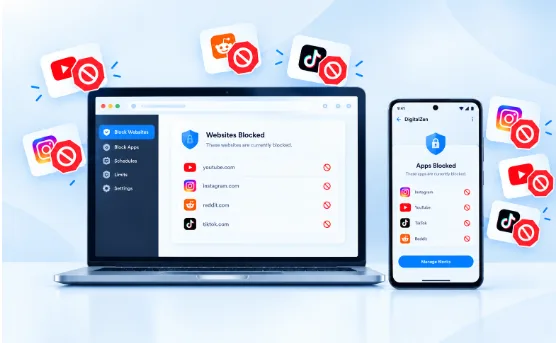
DigitalZen Launches on Android, Bringing Its Hard-to-Disable Blocker to Phones

Already available on Windows, macOS, Linux, ChromeOS, and as standalone browser extensions, DigitalZen now expands to Android, with iOS in development.

DigitalZen has released its website and app blocker on Android, with an iOS version currently in testing. The software was already available on Windows, macOS, Linux, ChromeOS, and through standalone browser extensions.

DigitalZen built around a problem most distraction blockers fail to solve: the moment when users want to turn them off. The Android release brings that approach to the phone, which for many desktop users had become the easiest way around their own rules.

It was a gap users noticed. A schedule could keep Reddit and YouTube locked on a laptop all afternoon while the same sites sat one tap away in a pocket, and reviewers of DigitalZen‘s browser add-on had been asking for a mobile version for months.

“A blocker that only covers the laptop leaves the most tempting screen wide open,” said DigitalZen’s team. “On Android, the decision someone makes at their desk can follow them when they pick up their phone.”

The Android app was tested in stages, moving from internal testing in June to a closed group in July and selected beta testers in August. Along the way, the team added countdown notifications before blocks start and handling for phones that shut down background apps, a common weak spot for Android blockers. The iOS app entered internal testing in August.

Anyone who has installed a browser extension to block Reddit or YouTube knows how most blocking tools fail. The extension works well on Monday morning when focus comes easily. By Thursday afternoon, that same person clicks through confirmation dialogs to disable it for “just ten minutes.” Or opens a different browser. Or, until now, picked up a phone that no desktop blocker could touch.

“A blocker that can be disabled in seconds may work when motivation is high,” said DigitalZen’s team. “But that is often not when people need it most.”

DigitalZen puts distance between urge and action. Users can lock settings during work hours so the option to disable does not exist until a specified time. Cooldown timers force a 30-minute wait before any rule change takes effect, usually long enough for the impulse to pass. Blocking applies across all browsers at once, and optional uninstall protection keeps users from deleting the app in a weak moment.

“Strong blocking is not about making distraction impossible,” the team explains. “It is about creating enough friction that an impulse does not immediately override a deliberate decision.”

Some users store unlock codes on USB drives kept in their cars. Others configure a fee that charges them whenever they bypass protection. The accountability option sends unlock codes to a spouse, friend, or colleague who must approve changes.

That last option produced one of the more memorable support tickets in company history. A user chose his priest to hold his unlock code. Then the two had a falling out. The next time the user tried to change his settings, the request went to the priest’s inbox and no response came. The priest had apparently decided to take a break from email.

A support message eventually reached DigitalZen: “My priest has my unlock code and won’t give it back.” Staff helped the user regain access, but the incident reinforced a principle the company builds around: sometimes the strongest protection is taking the decision out of one’s own hands. For users who prefer not to involve clergy, the paid unlock option achieves a similar effect with fewer theological complications.

The product grew out of the same frustration. Founder Alon Nagar, who had started several companies and served as CTO at others, kept finding that existing blockers were either too easy to switch off, too rigid to allow any downtime, or limited to one operating system when he worked across three. After finishing a fintech project, he began building his own. An early alpha appeared in April 2023, a public beta followed in March 2024, and the stable 1.0 release arrived in February 2025.

DigitalZen serves students cramming for finals, developers who lose afternoons to Hacker News, remote workers whose home offices sit feet from the television, and gamers who need limits on session length. The common thread is experience: these users have already tried browser extensions, and the extensions did not hold.

DigitalZen is available on Android, Windows, macOS, Linux, and ChromeOS, with standalone browser extensions available across major browsers. An iOS version is currently in development.
More information is available at digitalzen.app.

Contact Details:

Business: DigitalZen

Contact Name: DigitalZen team

Contact Email: [email protected]

Website: https://digitalzen.app 

Country: United States

Posted on

ParallelStaff Highlights ISO 27001 Certification as Security Reviews Become a Deciding Factor in Choosing Engineering Partners

The Dallas-based nearshore firm outlines what U.S. technology leaders should verify before giving outside engineers access to code, cloud environments, and customer data

DALLAS, TX – ParallelStaff, a Dallas-based nearshore software development and IT staffing firm, today outlined the security checks U.S. technology leaders should run when choosing an engineering partner, as vendor risk reviews now carry as much weight as price and speed in many hiring decisions.

Adding outside engineers to a product team also extends access to source code, cloud accounts and sometimes customer data. Security and procurement teams increasingly ask providers for documented proof of how that access is controlled, rather than relying on verbal assurances. ParallelStaff is ISO 27001 certified, an internationally recognized standard for information security management, and encourages buyers to ask every provider they evaluate for the same evidence.

“Security questions used to arrive at the end of a vendor search. Now they arrive at the start,” said Luis Peralta, Founder and CEO of ParallelStaff. “A certification does not replace diligence, but it gives a buyer a clear, auditable place to begin.”

That security posture supports ParallelStaff’s nearshore staff augmentation model, which places senior Latin American engineers within U.S. teams with overlapping working hours, as well as its broader staff augmentation services, in which clients direct the day-to-day work.

Some roles touch sensitive systems more than others and deserve extra scrutiny. DevOps engineers manage build pipelines and secrets; cloud engineers configure the infrastructure, where a single misconfiguration can expose systems; and QA engineers test releases for defects before they reach customers.

ParallelStaff recommends buyers ask five questions of any provider. Is the certification current, and does it cover the entity placing the engineers? What access will engineers receive, and who approves it? How are devices and credentials managed? How is access removed when an engagement ends? How are incidents reported to the client?

About ParallelStaff

ParallelStaff is a Dallas, Texas-based nearshore IT staff augmentation and software development company that places senior Latin America engineers with U.S. technology teams. The company is ISO 27001 certified, ranked No. 502 on the 2025 Inc. 5000, rated 4.8 out of 5 on Clutch, and reports a 94% engineer retention rate.

Posted on

Modern Styling Habits are Shifting Toward Simplicity as YourHomify Explores the Rise of Accessible Decor Solutions

Home styling is no longer limited to professional designers or large-scale renovations. Over the past few years, there has been a clear shift in how individuals approach decorating their homes. Simplicity, accessibility, and practicality are now at the center of modern home styling decisions.

As this shift continues, platforms offering clear and easy-to-follow ideas are playing an important role. Many homeowners now turn to resources like YourHomify when looking for practical inspiration that fits into everyday living without unnecessary complexity.

From Complex Designs to Simple Solutions

Traditional home decor often involved detailed planning, higher costs, and professional assistance. Today, homeowners are moving toward simpler solutions that allow them to achieve similar results with less effort.

This change is driven by the need for convenience and flexibility. People prefer ideas that can be implemented quickly without requiring extensive time or resources. As a result, easy-to-execute decor solutions are becoming more popular across different types of homes.

Accessibility Driving New Styling Habits

Accessibility has become one of the most important factors influencing modern home styling. With a wide range of ideas available online, homeowners can now explore and apply decor concepts without needing specialized knowledge.

This has made home styling more inclusive, allowing beginners to experiment with confidence. Instead of feeling restricted by lack of experience, individuals are encouraged to try new ideas and gradually refine their spaces.

YourHomify supports this shift by presenting ideas that are straightforward and adaptable, helping users move from inspiration to action with ease.

Integration of Outdoor and Natural Elements

Another noticeable change in home styling habits is the growing integration of outdoor-inspired elements into indoor and exterior spaces. Plants, natural textures, and seasonal elements are becoming central to modern decor.

Homeowners are not only focusing on interiors but also paying attention to outdoor areas such as balconies, gardens, and entryways. This has increased interest in landscaping elements that enhance the overall appearance of a home.

In this context, visually striking options like the autumn blaze maple are often explored for their ability to add character and seasonal appeal to outdoor spaces, reflecting a broader interest in combining natural beauty with home design.

Preference for Low-Effort, High-Impact Ideas

Modern home styling is increasingly focused on ideas that deliver strong visual impact without requiring significant effort. Simple changes such as adding greenery, adjusting layouts, or introducing subtle decor accents can transform a space effectively.

This preference is especially relevant for individuals with busy schedules, who want their homes to look well-designed without investing excessive time.

By focusing on practical solutions, platforms like YourHomify help users achieve noticeable improvements with minimal effort.

Digital Influence on Styling Choices

Digital content has significantly influenced how people style their homes. Clean, minimal, and well-balanced interiors are widely shared and appreciated, shaping user preferences.

As a result, homeowners are drawn toward styles that are easy to maintain and visually calming. Natural elements, open layouts, and uncluttered spaces are becoming common features in modern homes.

YourHomify aligns with these trends by offering ideas that combine visual appeal with practicality, making it easier for users to adopt these styles.

Encouraging Flexible and Adaptive Design

Another key aspect of changing home styling habits is flexibility. Homeowners want spaces that can adapt to different needs, whether it is working from home, relaxing, or hosting guests.

Easy and accessible decor solutions make this possible by allowing individuals to modify their spaces without major changes. This adaptability is becoming an important factor in modern home design.

Looking Ahead

As accessibility continues to improve, home styling will become even more user-driven. Individuals will rely more on practical ideas that allow them to create personalized spaces without complexity.

Platforms that focus on simplicity and usability will continue to play a major role in shaping these habits.

Conclusion

The evolution of home styling reflects a broader shift toward simplicity, accessibility, and practicality. Homeowners today are more confident in experimenting with their spaces, thanks to the availability of easy-to-follow ideas.

By offering clear and adaptable solutions, YourHomify is helping individuals redefine how they approach home decor. As these trends continue to grow, home styling will become more flexible, personalized, and aligned with everyday living needs.

Posted on

How Much Money Can You Save With Solar Panels In Australia?

Australian households can typically save about $1,200 to $2,500 a year with solar panels, although the exact figure depends on how much electricity you use, the size of your system, and the rates you pay. For many homes, that still commonly works out to roughly $800 to $1,400 in annual bill savings depending on system size and usage patterns.

If you’re an Australian homeowner weighing up whether solar is worth it, the key question is how those savings stack up against the upfront cost. This guide breaks down what affects your bill savings, how to estimate your current electricity use, how system sizing changes the numbers, and what to expect from installation costs, government rebates, feed-in tariffs, battery storage, payback periods, and the practical steps that can help you maximise solar savings.

It also helps to separate direct bill reduction from export income: most savings come from using your own solar power during the day, while extra value can come from sending unused electricity back to the grid. In high self-consumption households, solar panels can cut electricity bills by up to 95% for some users, but that is not typical. With electricity prices rising and incentives still available, understanding these numbers upfront makes it much easier to judge the real financial benefit of going solar.

Find Your Current Electricity Bill Usage

  1. Show readers where to find annual usage on electricity bills, usually listed in kilowatt hours on most bills, to see how much electricity your household consumes over a year.
  2. Explain how to calculate average daily consumption by dividing annual usage by 365. What your household consumes each day helps estimate the right system size and likely savings, and comparing daytime use with overall power usage can also show how much solar you may use yourself.
  3. Compare your current electricity costs with projected solar savings by using your current bill and energy usage as the baseline for comparison.

How Solar Works To Reduce Electricity Bills

Solar panels convert sunlight into usable electricity for your home. During the day, they produce solar power that can run appliances and reduce how much energy you need to buy from the grid.

When your system is generating electricity, the electricity generated is used by your home first, which lowers the amount you need to purchase from your energy retailer. If your panels produce more than you use at that moment, any excess power can be exported to the electricity grid.

Self-consumption usually saves you the most money

In most cases, the biggest savings come from using your solar power at home, because each kilowatt-hour you use yourself avoids buying electricity from the grid at roughly 30¢ to 45¢ per kWh. That is usually worth far more than the feed-in tariff you receive for exporting excess solar.

This is why it often makes sense to shift flexible appliances, like dishwashers, washing machines, pool pumps and electric hot water systems, into the middle of the day so you use more energy while your panels are generating instead of exporting it for a low credit. Homes also tend to save more when they use more electricity from their own system and avoid importing from the grid later.

If your system produces more power than your home is using at that moment, the surplus can be exported for a feed-in tariff. But because feed-in tariffs are usually much lower than the retail rate you avoid by using your own solar first, self-consumption is often where the strongest value lies.

Earnings From Solar Exports

  1. Explain how exported electricity earns a feed in tariff: A feed-in tariff is the credit your retailer pays for solar power you export to the grid, and exported excess solar energy often earns around 10 cents per kWh depending on your plan.
  2. Clarify why export credits vary between retailers: Rates differ by retailer, location, and contract, so the value of each exported kWh can change; for example, Victorian feed-in tariff rates are often around 3 to 6 cents per kWh.
  3. Mention export limits that can reduce available savings: Some homes face export limits set by the network, which can cap how much solar can be sent back. Households earn credits only on power sent to the grid after on-site use is met.

Choose The Right Solar System Size

  1. Match solar system capacity with household electricity usage: To work out the best size, match a solar power system to your energy needs and daytime power usage, not just your total annual electricity consumption.
  2. Compare typical output from common system sizes: As a guide, a new solar system in the 5kW to 6.6kW range can often generate around 20 to 27 kilowatt hours on an average day, though this varies by location and season; a rooftop solar system at the larger end will generally produce more. If it regularly generates more electricity than your home uses during the day, the surplus may be exported to the grid or stored in a battery.
  3. Explain how roof orientation affects solar generation: North-facing panels usually deliver the strongest output in Australia, while east- or west-facing roofs can still perform well depending on when your household uses the most electricity.

How Solar Panels Produce Energy

  1. Describe the photovoltaic process in simple language
  2. Explain seasonal changes in solar panel output
  3. Mention shading as a cause of reduced generation

Solar Panels Cost And Initial Investment

  1. Provide current Australian solar panels cost ranges, noting that in 2024 solar panel installation costs in Australia commonly range from AUD $5,000 to $10,000.
  2. Separate equipment costs from installation charges so readers can see what they are paying for.
  3. Explain how system quality affects the initial investment; quality solar panels often include a 25-year performance warranty.
  4. Compare smaller systems with higher-capacity systems, for example noting that a 6.6kW system costs about $7,000; when weighing the upfront cost against long-term value, this setup can pay back in about 4.4 years.

Government Rebates That Reduce Solar Costs

Government rebates can lower the upfront cost of a residential system, mainly through the Australian government’s Small-scale Renewable Energy Scheme, which supports households generating their own energy with renewable energy.

Under this scheme, eligible installations receive Small-scale Technology Certificates (STCs), which your installer usually applies as a point-of-sale discount, significantly lowering the purchase price; each certificate is typically worth around $35 to $40.

In some cases, the scheme can reduce installation costs by as much as 50%.

Eligibility generally depends on factors like system size, location, and whether the installation meets current standards. Because rebate values change over time, it’s worth confirming the latest settings with reputable solar installers or your state energy website.

Some states also offer extra incentives, such as battery rebates, low-interest loans, or feed-in tariff programs, which can further improve overall savings.

Compare Feed In Tariff Electricity Plans

  1. Explain how feed in tariff rates affect savings
  2. Feed in tariff rates do affect savings, but they are only one part of the equation. Lower usage charges and supply charges can reduce your energy bills even if the feed in tariff is not the highest.
  3. Compare high FiT plans with lower usage charges
  4. A plan with a high feed in tariff is not always the best deal. The right option depends on how much electricity you still buy from your energy retailer as well as how much you export. Some households focus too much on export credits, when the bigger win is often cutting ongoing power bills by using more of your solar at home.
  5. Recommend checking supply charges before switching retailers
  6. Before switching, compare the full plan, including supply charges, usage rates, and the feed in tariff.

Will The Highest Feed In Tariff Save The Most Money?

  1. Show why lower usage rates can outweigh export credits, because using your solar power on site is usually worth more than exporting it and can improve overall solar worth
  2. Include a simple electricity plan comparison, noting the best option depends on your energy usage and expected solar exports, not just the headline feed-in tariff, and compare total annual savings against your current bill
  3. Encourage readers to review the plan fact sheet

How Battery Storage Can Increase Solar Savings

  1. Explain how solar battery storage captures stored energy from surplus daytime generation for later use
  2. Show how a battery system supports evening self consumption by letting households use solar power after sunset instead of buying from the grid
  3. Compare battery savings with additional purchase costs, noting the Cheaper Home Batteries Program can cut battery costs by up to 30%
  4. Mention backup power as a separate benefit
  5. Add that batteries can also reduce exports and may help some households avoid future sun tax-style charges

Solar-only savings vs solar battery savings

A solar battery can increase your total savings over time, but it also adds a significant upfront cost. In many cases, a solar-only system gives a faster payback because batteries are still expensive, and a solar-and-battery system may take about 10.5 years to pay back. Some households still value batteries for energy independence and backup during a power outage.

Batteries tend to extend the payback period because the extra cost is often higher than the extra bill savings they deliver. They’re usually a better fit for homes with high evening energy usage or for households that want to store excess power instead of exporting it to the grid.

Calculate The Solar Payback Period

  1. Define payback period using a simple calculation
  2. Compare typical solar payback periods across Australia
  3. Explain why battery payback periods are longer
  4. Include maintenance costs in long-term calculations

Example Solar Savings Calculation

  1. Create a sample household electricity bill
  2. Calculate annual savings from self consumption
  3. Calculate annual income from solar exports
  4. Divide the initial investment by annual savings

What Factors Change Your Solar Savings?

  1. Explain how household usage patterns affect savings
  2. Discuss local sunlight conditions
  3. Mention electricity prices as a major variable, noting that energy prices have historically trended upward, which can increase savings over time; installing solar can also help stabilise energy costs and reduce exposure to future price rises
  4. Explain how system degradation affects long-term returns

How To Get The Most Money From Solar Panels

  1. Recommend running appliances during daylight hours so your system is generating electricity during solar hours and you can use that power immediately.
  2. Suggest monitoring daily solar production and comparing the electricity generated with your household demand to increase self-consumption.
  3. Explain how energy efficiency improves savings.
  4. Households can also reduce peak demand by timing large appliances to run when solar is available or when a battery can discharge.
  5. Encourage regular electricity plan comparisons

Is A Solar System Worth It In Australia?

  1. Summarise the financial case for solar ownership, including the financial benefits of lower running costs and, in some cases, higher property appeal.
  2. Compare solar savings with current electricity costs and the long term savings they may deliver as power prices rise.
  3. Explain when solar may deliver limited value, while noting that solar worth depends on your usage, system quality, and whether you also value clean energy and a smaller carbon footprint.
  4. Encourage personalised quotes before making a decision, and remember that homes with solar systems often command higher market values, although savings still depend on usage and system quality.

Use A Solar Savings Calculator

  1. Prompt readers to enter electricity usage, including their current bill and power usage
  2. Include system size comparison results, and note that a good calculator estimates electricity bills after installing solar panels and after any battery system is added
  3. Show projected electricity bills after installation
  4. Add a clear quote comparison call to action that checks solar providers’ assumptions about system size, exports, and battery options if relevant
Posted on

Where to Buy Mushroom Chocolate Bars: A Buyer’s Checklist

The mushroom chocolate market has attracted attention from consumers interested in specialty confectionery, botanical ingredients, and mushroom-based products. As more varieties appear in online searches, understanding the differences between formulations has become an important part of evaluating product quality.

Unlike traditional chocolate, mushroom-infused bars may contain additional ingredients ranging from culinary mushroom powders to concentrated extracts and psychoactive compounds. These differences can influence labeling requirements, product characteristics, potential health risks, and legal restrictions.

Finding reliable information about mushroom chocolate bars requires more than examining product photographs or comparing advertised prices. Buyers need to understand how ingredients are identified, what quality documentation means, and which details indicate that a product has been manufactured responsibly.

This comprehensive mushroom chocolate buyer’s guide explores product categories, quality indicators, packaging information, laboratory testing, and the questions consumers should consider before making decisions.

Exploring the Mushroom Chocolate Market

Mushroom chocolate is a broad category covering confectionery products made with mushroom-derived ingredients.

Some products are developed primarily for culinary enjoyment, while others are promoted as functional foods or contain substances with psychoactive properties.

Understanding these categories helps consumers avoid confusing products that may look similar but have very different compositions.

Chocolate With Culinary Mushrooms

Culinary mushroom chocolate may incorporate edible mushroom powders or extracts to create distinctive flavor profiles.

These products generally focus on food ingredients rather than psychoactive effects.

Chocolate With Functional Mushroom Extracts

Functional mushroom chocolates may feature lion’s mane, reishi, cordyceps, or other non-psychoactive mushrooms.

Although these ingredients are frequently discussed in wellness marketing, their inclusion does not automatically establish specific health benefits.

Chocolate Containing Psychoactive Substances

Certain mushroom-themed chocolates may contain psilocybin or other psychoactive compounds.

These products require additional caution because they can affect perception, mood, and judgment.

Their commercial sale and distribution may also be restricted by law.

Start With the Ingredients, Not the Packaging

An attractive chocolate wrapper can make a product stand out, but packaging design offers limited information about its actual composition.

A more useful approach begins with identifying the ingredients.

Look for Specific Mushroom Names

Product descriptions should clearly identify the mushroom species or extracts used.

A label stating only “mushroom blend” may not provide enough information to understand the formulation.

Understand Extracts and Powders

Mushroom powders and extracts are not necessarily interchangeable.

Powders may contain processed mushroom material, while extracts may concentrate selected components through specific manufacturing methods.

The characteristics of the finished product depend on the raw materials and production process.

Examine Additional Food Ingredients

Mushroom chocolate may also contain cocoa solids, cocoa butter, sugar, milk ingredients, emulsifiers, nuts, or flavorings.

Consumers should review these ingredients for nutritional preferences and possible allergens.

Researching Mushroom Chocolate Brands and Product Information

Online research can help consumers understand the range of mushroom chocolate products and the information manufacturers provide.

For example, readers exploring https://theboom.bar/ can examine the product descriptions and any available ingredient or quality documentation.

However, the existence of a product listing does not establish that its ingredients have been independently verified or that it can be legally purchased in every jurisdiction.

Evaluate the Quality of Product Descriptions

A detailed listing should explain the product’s composition rather than relying entirely on promotional language.

Look for Manufacturer Accountability

Clear business identification, contact information, and product policies can make a retailer easier to evaluate.

Separate Claims From Evidence

Statements about purity, consistency, or health benefits should be supported by relevant documentation.

Testimonials and advertising language are not substitutes for independent verification.

What Makes Mushroom Chocolate Quality Different?

Chocolate quality involves several factors, including cocoa ingredients, processing conditions, storage, and the quality of added mushroom materials.

Cocoa Composition

Dark, milk, and flavored chocolates may contain different proportions of cocoa solids, cocoa butter, and sweeteners.

These differences influence flavor, texture, and nutritional characteristics.

Mushroom Ingredient Sourcing

Mushroom ingredients may vary according to species, growing conditions, processing, and extraction methods.

Reliable sourcing and ingredient identification are important for manufacturing consistency.

Production Standards

Manufacturers should follow appropriate food safety procedures, including sanitation, ingredient handling, and contamination prevention.

Quality control should be part of the entire manufacturing process rather than relying solely on final-product testing.

How to Interpret Mushroom Chocolate Product Claims

When consumers search for the best magic mushroom chocolate bars, they may encounter promotional descriptions that emphasize strength, quality, or consistency.

Such claims should be evaluated critically.

The word “best” is subjective, while “magic mushroom” is not a substitute for accurate identification of the substances present.

For psychoactive products, the identity and concentration of active compounds cannot reliably be determined from appearance, taste, or packaging.

Ingredient Quantity vs. Active Compound Content

A product may display its total chocolate weight or the amount of mushroom material used.

Neither measurement automatically establishes the concentration of a particular psychoactive compound.

Serving Information vs. Safety

A chocolate bar may be divided into squares or labeled with multiple servings.

These portions do not independently establish safe or medically appropriate quantities of psychoactive substances.

Why Product Verification Matters

Without credible documentation, consumers may be unable to determine whether marketing claims accurately describe the product.

The Role of Independent Testing in Mushroom Chocolate Quality

Laboratory testing can provide valuable information about selected ingredients and potential contaminants.

However, different tests serve different purposes.

Chemical Composition Analysis

Laboratories may use analytical methods to identify or measure specified compounds.

The substances examined depend on the product and the testing request.

Heavy Metal Screening

Mushrooms can absorb certain metals from their growing environments.

Testing may examine substances such as lead, cadmium, arsenic, and mercury.

Microbial Quality Testing

Microbiological analysis can help detect certain bacteria, yeasts, or molds that may indicate contamination.

Batch Verification

Batch-specific laboratory reports can help connect testing results to a particular production lot.

A generic testing statement does not necessarily establish that every batch has undergone the same examination.

Reading a Certificate of Analysis Before Trusting Product Claims

A Certificate of Analysis, commonly called a COA, presents laboratory findings for a specific sample.

A useful report should ideally identify the laboratory, sample, testing date, methods, and results.

Consumers should understand that a COA only reports findings for the substances and characteristics examined.

A report showing that a product passed a heavy metal screening does not necessarily establish the absence of undisclosed psychoactive compounds.

Similarly, a report confirming the presence of a particular ingredient does not prove that the product delivers a claimed health benefit.

Mushroom Chocolate Buyer’s Checklist: Essential Quality Questions

The following checklist summarizes the most important areas of product evaluation.

Checklist item Questions to consider
Ingredient identification Are the mushroom species and extracts clearly named?
Chocolate formulation Are cocoa ingredients, sweeteners, and additives disclosed?
Allergen information Are relevant allergens identified?
Manufacturer transparency Is the responsible business clearly identified?
Laboratory testing Are credible, relevant test results available?
Batch identification Can testing documentation be connected to a specific batch?
Packaging Does the packaging provide clear product information?
Storage Are appropriate storage instructions available?
Legal status Are the ingredients permitted under applicable laws?
Health claims Are advertised benefits supported by reliable evidence?

This checklist can help consumers assess product transparency, but it does not guarantee that a product is safe or suitable for everyone.

Why Mushroom Chocolate Packaging Deserves Attention

Packaging plays a practical role in protecting chocolate from environmental exposure.

Heat, moisture, and temperature fluctuations can affect chocolate quality.

Appropriate packaging may help preserve texture and reduce the risk of contamination during storage and handling.

Clear Product Identification

Packaging should make it possible to identify the product and its ingredients.

Allergen Warnings

Chocolate products may contain milk, soy, peanuts, or tree nuts.

Accurate allergen statements are important for consumers with food sensitivities.

Secure Storage

Products containing psychoactive substances should remain clearly labeled and securely inaccessible to children and pets.

Their resemblance to ordinary candy can create accidental ingestion risks.

Understanding Legal Restrictions on Mushroom Chocolate

The legal status of mushroom chocolate depends on its ingredients and the jurisdiction involved.

Conventional chocolates containing legal culinary mushroom ingredients are generally regulated as food products.

Products containing psilocybin or other controlled substances face additional restrictions.

In the United States, psilocybin remains a Schedule I controlled substance under federal law.

Some jurisdictions have introduced reforms involving specified personal activities or regulated services, but these changes do not automatically authorize unrestricted commercial sales or shipping.

Consumers should verify current legal requirements rather than assume that online advertising establishes lawful availability.

Mistakes Consumers Make When Comparing Mushroom Chocolate Bars

Several common assumptions can lead to misleading conclusions.

One mistake is believing that a more expensive product must be higher quality.

Another is assuming that a chocolate bar contains a particular mushroom species simply because its packaging includes mushroom imagery.

Consumers may also place excessive confidence in customer testimonials or general claims about laboratory testing.

A product’s safety and quality cannot be established through branding alone.

More reliable evaluation involves understanding ingredients, checking documentation, and recognizing the limitations of product claims.

Frequently Asked Questions About Mushroom Chocolate Bars

1. Where Can Consumers Find Mushroom Chocolate Bars?

Non-psychoactive mushroom chocolates may be available from legitimate specialty food retailers and online food stores. Products containing controlled substances are subject to additional legal restrictions and may not be lawfully sold through ordinary retail channels.

2. What Should I Look for in a Mushroom Chocolate Product?

Look for clearly identified mushroom ingredients, complete labeling, relevant allergen information, credible quality documentation, and manufacturer transparency.

3. Are Mushroom Chocolate Bars Different From Regular Chocolate?

Yes. Mushroom chocolate includes additional mushroom-derived ingredients, although the specific formulation varies between products.

4. Do All Mushroom Chocolates Contain Psychoactive Compounds?

No. Many contain non-psychoactive culinary or functional mushrooms. Ingredient identification is necessary to distinguish different product categories.

5. What Does Third-Party Tested Mean?

It generally indicates that an external laboratory analyzed a product sample. The value of the results depends on the tests performed and the reliability of the documentation.

6. Can Chocolate Packaging Reveal Product Potency?

Not reliably. Packaging claims may describe ingredient quantities, but accurate active compound measurements require appropriate verification.

7. Are Mushroom Chocolate Bars Legal Everywhere?

No. Legal status depends on the ingredients and applicable laws. Products containing controlled substances may face significant restrictions.

8. Does a Higher Price Indicate Better Quality?

Not necessarily. Price does not independently establish ingredient purity, manufacturing standards, or safety.

9. How Should Mushroom Chocolate Be Stored?

Follow the manufacturer’s instructions. Chocolate generally requires protection from excessive heat, moisture, and unsuitable storage conditions.

10. What Is the Most Important Step When Evaluating Mushroom Chocolate?

Identifying the actual ingredients and understanding the applicable legal and safety considerations should come before comparing promotional claims or packaging.

Conclusion: A More Informed Approach to Mushroom Chocolate Research

Mushroom chocolate bars represent a diverse category of specialty products with different ingredients, manufacturing processes, and potential risks.

Some are conventional foods containing culinary or functional mushrooms, while others may include psychoactive substances that require additional caution.

For consumers researching mushroom chocolate, reliable ingredient information and credible documentation are more meaningful than attractive packaging or marketing claims.

A thorough evaluation should consider manufacturer transparency, laboratory testing, allergen information, storage requirements, and legal compliance.

Ultimately, the most useful mushroom chocolate buyer’s checklist is one that prioritizes verified product information, responsible manufacturing, and informed decision-making.

Posted on

Shroom Bars vs Shroom Gummies: Onset, Taste and Dosing

Mushroom-infused edibles have become an increasingly discussed category in the specialty confectionery market. Among the most recognizable formats are shroom bars and shroom gummies, which offer different textures, flavors, ingredients, and packaging styles.

Although these products may look similar to ordinary chocolate and candy, their compositions can vary significantly. Some contain non-psychoactive functional mushroom extracts, while others may include psilocybin or additional psychoactive substances.

For consumers researching mushroom edibles, three common areas of comparison are onset, taste, and dosing. Onset refers to how long it takes for an active substance to begin producing noticeable effects. Taste concerns the food formulation, while dosing relates to the quantity of a specified ingredient or compound.

Understanding these differences is essential because the physical format of an edible does not automatically determine its effects, potency, or safety.

This guide compares mushroom chocolate bars and gummies, explains the factors that influence their characteristics, and highlights important considerations involving ingredient transparency, product testing, and responsible labeling.

What Are Shroom Bars and Shroom Gummies?

Shroom bars and shroom gummies are edible products that contain mushroom-derived ingredients or compounds marketed as such.

Their formulations vary by manufacturer, making it important to understand what each product actually contains.

What Is a Shroom Bar?

A shroom bar is generally a chocolate-based edible containing mushroom powder, extract, or other added ingredients.

The chocolate base may include cocoa solids, cocoa butter, sugar, milk ingredients, and flavorings.

Depending on the formulation, the mushroom ingredients may be non-psychoactive or psychoactive.

Consumers researching a shroom bar should examine the available ingredient list and relevant product documentation rather than assuming its composition from the name alone.

What Are Shroom Gummies?

Shroom gummies are chewy edible products typically made with sweeteners, flavorings, gelling agents, and mushroom-related ingredients.

Some contain functional mushroom extracts such as lion’s mane or reishi, while other products may contain psychoactive substances.

The appearance of a gummy does not establish its potency, legal status, or suitability for a particular individual.

Shroom Bars vs Shroom Gummies: Main Differences

Both formats can contain mushroom-derived ingredients, but their food characteristics differ.

Feature Shroom bars Shroom gummies
Base ingredients Chocolate and cocoa ingredients Sweeteners and gelling agents
Texture Smooth, firm, or creamy Soft and chewy
Common flavors Dark, milk, or flavored chocolate Fruit-inspired flavors
Storage Sensitive to melting Sensitive to moisture and heat
Allergens May contain milk, soy, or nuts May contain gelatin or other allergens
Onset of psychoactive effects Variable Variable
Active compound consistency Requires verification Requires verification
Dosing accuracy Depends on formulation and testing Depends on formulation and testing

Neither format is inherently safer or more predictable.

The actual ingredients, manufacturing quality, and individual health factors are more important than whether the product is chocolate or a gummy.

Shroom Bars vs Shroom Gummies: Understanding Onset Time

One of the most frequently asked questions about psychoactive mushroom edibles concerns how quickly effects may begin.

Onset time refers to the period between exposure to an active substance and the beginning of noticeable effects.

However, onset is not determined by edible format alone.

How Edible Ingredients Affect Absorption

Chocolate bars and gummies have different compositions.

Chocolate commonly contains fats, while gummies typically contain sweeteners and gelling agents.

These ingredients may influence digestion, but there is insufficient reliable evidence to establish that mushroom gummies consistently produce faster psychoactive effects than mushroom chocolate bars, or vice versa.

Factors That Influence Onset

Several variables can influence how an individual responds to a psychoactive edible:

  • The identity and concentration of active compounds.
  • Individual metabolism and digestive characteristics.
  • Other ingredients in the formulation.
  • Medication use and underlying health conditions.
  • Whether the product contains additional or undisclosed substances.

Because these factors vary, onset should not be treated as a predictable feature of either product format.

Why Delayed Effects Matter

Psychoactive edibles may produce effects that are not immediately noticeable.

Uncertainty about onset can create risks when someone mistakenly assumes a product has had no effect.

Unexpected intoxication may impair judgment, coordination, and decision-making.

Taste Comparison: Mushroom Chocolate vs Mushroom Gummies

Taste is one of the clearest differences between these two edible formats.

Unlike onset or psychoactive effects, flavor and texture can be compared based on their food ingredients.

Chocolate Bars: Rich Cocoa Flavors

Mushroom chocolate bars typically use cocoa-based ingredients that create a familiar chocolate flavor.

Dark chocolate may have a stronger cocoa taste, while milk chocolate often provides a sweeter and creamier profile.

Mushroom powders or extracts may introduce earthy or bitter notes depending on their composition.

Gummies: Fruity and Chewy

Mushroom gummies commonly feature fruit-inspired flavors and a soft, chewy texture.

Their formulations may contain gelatin, pectin, sweeteners, and flavoring ingredients.

Some gummies use strong flavors to complement the taste of added extracts.

Which Format Tastes Better?

Taste is subjective.

Consumers who enjoy cocoa-based confectionery may prefer chocolate, while those who enjoy chewy fruit-flavored snacks may find gummies more appealing.

However, taste does not establish ingredient safety or active compound concentration.

A pleasant flavor can also make psychoactive products easier to confuse with ordinary sweets, increasing the importance of secure storage.

Shroom Bars vs Shroom Gummies: Understanding Dosing and Serving Sizes

Dosing is one of the most important topics when discussing products containing psychoactive compounds.

However, terms such as dose, serving size, and total mushroom content describe different measurements.

What Does Dosing Mean?

A dose generally refers to a quantity of a particular substance.

For mushroom edibles, packaging may describe the weight of mushroom powder, the amount of an extract, or the concentration of a specified active compound.

These quantities are not interchangeable.

Total Mushroom Weight vs Active Compound Content

A product’s mushroom ingredient weight does not necessarily reveal its psychoactive potency.

Different mushroom materials may contain different concentrations of active substances.

Consequently, a chocolate bar and gummy containing the same stated weight of mushroom material may not contain equivalent quantities of active compounds.

Why Serving Size Can Be Misleading

A chocolate bar may be divided into squares, while gummies are manufactured as individual pieces.

Although these formats provide visible portions, they do not guarantee consistent active compound distribution.

A labeled serving should not automatically be interpreted as a medically appropriate or safe dose.

Are Gummies Easier to Dose Than Chocolate?

Individual gummies may appear more standardized than chocolate segments.

However, accurate ingredient measurements depend on manufacturing controls and laboratory verification.

Neither gummies nor chocolate bars should be assumed to provide reliably measured psychoactive quantities without credible evidence.

Evaluating Mushroom Gummies for First-Time Consumers

First-time consumers may be particularly interested in understanding ingredient differences and product transparency.

Online searches for the best mushroom gummies for beginners may lead to specialty product listings, but a product’s branding does not establish its suitability for someone without previous experience.

Important considerations include accurate ingredient identification, independent testing, clear warnings, and applicable legal restrictions.

Products containing unknown psychoactive compounds or inconsistent concentrations present additional risks.

For beginners researching mushroom edibles, understanding the distinction between ordinary functional mushroom products and psychoactive formulations is essential.

Why Lab Testing Matters for Shroom Bars and Gummies

Laboratory testing can help verify selected aspects of product composition.

Depending on the formulation, relevant tests may examine active compounds, microbial contamination, heavy metals, and unexpected substances.

Ingredient Verification

Testing can help identify whether specified substances are present in a product.

Batch Consistency

Different manufacturing batches may vary in composition.

Batch-specific analysis provides more relevant information than generic statements about product testing.

Unexpected Ingredients

The FDA’s investigation into certain mushroom-themed chocolates and gummies found multiple compounds, including unexpected psychoactive substances and a prescription medication, in some tested products. <Cite ref=”turn646199search0″/>

This illustrates why packaging claims alone cannot establish what a mushroom edible contains.

Potential Side Effects and Safety Considerations

The effects of mushroom edibles depend on their ingredients.

Non-psychoactive functional mushroom products may cause digestive discomfort or allergic reactions in some individuals.

Psychoactive products can introduce additional risks.

Possible adverse reactions include anxiety, confusion, nausea, dizziness, impaired judgment, and changes in perception.

Unknown ingredients and interactions with medications may increase these risks.

Products resembling ordinary candy should be stored securely away from children and pets.

If accidental ingestion or serious symptoms occur, seek prompt medical attention.

Legal Considerations for Mushroom Chocolate and Gummies

The legal status of mushroom edibles depends on the substances they contain and the jurisdiction involved.

Ordinary culinary mushroom products are generally treated differently from products containing psilocybin or other controlled substances.

In the United States, psilocybin remains federally controlled.

Some states have introduced limited reforms, but these do not automatically authorize unrestricted commercial sales or interstate shipping.

Consumers should verify applicable laws rather than assume that online availability establishes legality.

Frequently Asked Questions About Shroom Bars vs Shroom Gummies

1. What Is the Main Difference Between Shroom Bars and Gummies?

Shroom bars typically use chocolate as their base, while gummies contain sweeteners and gelling agents. They differ in flavor, texture, ingredients, and storage requirements.

2. Do Shroom Gummies Work Faster Than Chocolate Bars?

There is insufficient reliable evidence to conclude that one format consistently produces faster psychoactive effects. Onset depends on the active substances, formulation, and individual factors.

3. Are Shroom Bars Stronger Than Gummies?

Not necessarily. Potency depends on the identity and concentration of active compounds, not whether the product is chocolate or a gummy.

4. Which Tastes Better: Shroom Chocolate or Gummies?

Taste is subjective. Chocolate generally offers cocoa-based flavors, while gummies often feature fruity flavors and chewy textures.

5. Are Individual Gummies More Accurately Dosed?

Not automatically. Accurate dosing requires appropriate manufacturing controls and reliable testing.

6. Can Shroom Bars and Gummies Contain Different Mushroom Species?

Yes. Products may contain functional mushroom extracts, psychoactive mushroom ingredients, or other substances. Ingredient verification is essential.

7. Why Is Third-Party Testing Important?

Independent testing may help identify active compounds, verify certain labeling claims, and detect selected contaminants.

8. Are Mushroom Gummies Suitable for Everyone?

No. Suitability depends on the ingredients, individual health factors, potential medication interactions, and legal considerations.

9. How Should Shroom Bars and Gummies Be Stored?

Chocolate should generally be protected from excessive heat, while gummies may require protection from heat and moisture. Products containing psychoactive substances should be securely stored away from children and pets.

10. Is Mushroom Chocolate Safer Than Mushroom Gummies?

Neither format is inherently safer. Safety depends on the actual ingredients, manufacturing quality, testing, and individual circumstances.

Final Thoughts: Comparing Shroom Bars and Shroom Gummies

Shroom bars and shroom gummies differ primarily in their food formulations, flavors, textures, and storage requirements.

Chocolate bars provide a familiar cocoa-based experience, while gummies offer a chewy format with different flavor possibilities.

However, comparisons involving onset and dosing are more complicated.

The physical format of a mushroom edible does not reliably establish how quickly psychoactive effects will begin or how much of an active substance it contains.

For consumers researching these products, ingredient transparency, credible laboratory testing, accurate labeling, and awareness of potential health risks are more meaningful than packaging or promotional claims.

Ultimately, the most useful comparison between shroom bars and gummies begins with understanding their actual ingredients—not assuming that one format guarantees faster onset, easier dosing, or greater safety.

Posted on

Functional Mushroom Snacks: From Chocolate Bars to Gummies

Functional mushroom snacks are becoming a recognizable category in the specialty food and wellness market. From rich chocolate bars to fruit-flavored gummies, mushrooms are being incorporated into convenient snack formats that appeal to consumers interested in exploring new ingredients and food trends.

Traditionally, mushrooms have been used in soups, teas, and culinary dishes. Today, manufacturers are experimenting with mushroom powders and extracts in chocolates, gummies, and other packaged foods. These innovations offer different flavors, textures, and ingredient combinations.

However, not every mushroom snack contains the same type of mushroom. Some feature non-psychoactive species such as lion’s mane, reishi, and cordyceps, while others may contain psychoactive compounds that require additional health and legal considerations.

Understanding these differences is important when evaluating mushroom-infused snacks.

This guide explores the growing variety of functional mushroom snacks, compares chocolate bars and gummies, explains common ingredients, and highlights important considerations related to quality, labeling, and product transparency.

What Are Functional Mushroom Snacks?

Functional mushroom snacks are food products formulated with mushroom powders, extracts, or other mushroom-derived ingredients.

The term functional is commonly used in the wellness industry to describe ingredients promoted for benefits beyond basic nutrition.

However, the term does not guarantee that a finished product provides clinically established health benefits.

Mushroom snacks may combine conventional food ingredients with extracts from species traditionally used in culinary or wellness preparations.

How Functional Mushroom Snacks Differ From Ordinary Snacks

Traditional snacks generally focus on flavor, convenience, and nutrition.

Functional mushroom snacks introduce additional botanical or fungal ingredients into familiar formats.

Examples include mushroom-infused chocolate, gummies, snack bites, and protein-based foods.

The nutritional characteristics depend on the complete formulation rather than the presence of mushrooms alone.

Popular Types of Mushrooms Used in Specialty Snacks

Different mushroom species are associated with different culinary traditions and areas of scientific research.

Lion’s Mane Mushrooms

Lion’s mane is a distinctive edible mushroom recognized for its cascading, white appearance.

It is frequently featured in supplements and specialty foods.

Researchers have investigated compounds found in lion’s mane, although evidence supporting specific cognitive or neurological benefits in humans remains limited.

Reishi Mushrooms

Reishi has a long history of use in traditional preparations.

Because of its naturally bitter flavor, it is often incorporated into extracts rather than consumed as an ordinary culinary mushroom.

Research into its biological properties is ongoing, and consumers should be cautious about broad therapeutic claims.

Cordyceps Mushrooms

Cordyceps refers to a group of fungi that have attracted attention in sports nutrition and wellness discussions.

Certain cultivated species are used in specialty products.

Claims involving physical performance, stamina, or energy should be evaluated against the available scientific evidence.

Chaga Mushrooms

Chaga is commonly associated with teas and mushroom extract products.

Its chemical composition has been studied, but laboratory findings do not automatically demonstrate health benefits in humans.

People with medical conditions or those taking medications should consider possible interactions before using concentrated mushroom preparations.

Mushroom Chocolate Bars: A Familiar Snack With Different Ingredients

Chocolate bars are among the most recognizable formats in the mushroom snack category.

Manufacturers can combine chocolate with mushroom powders, extracts, and flavoring ingredients to create specialty confectionery products.

Why Chocolate Is Used in Mushroom Snacks

Chocolate provides a familiar texture and flavor profile.

Its cocoa-based composition can be paired with various ingredients, including mushroom extracts that may otherwise have strong or earthy flavors.

Dark chocolate, milk chocolate, and flavored varieties offer different formulations.

Understanding Mushroom Chocolate Ingredients

Mushroom chocolate may contain cocoa solids, cocoa butter, sweeteners, milk ingredients, emulsifiers, and mushroom-derived substances.

Consumers should examine the ingredient list to understand what a product contains.

Those exploring specialty chocolate listings can see the product here as an example of a mushroom-themed chocolate product page.

The product’s actual composition, safety, and legal status should be assessed through accurate labeling and credible documentation rather than assumptions based on its appearance or branding.

Chocolate Storage Considerations

Chocolate is sensitive to excessive heat and temperature fluctuations.

Improper storage can affect texture, appearance, and product quality.

Following the manufacturer’s storage instructions helps maintain the intended characteristics of the snack.

Mushroom Gummies: A Different Approach to Functional Snacks

Mushroom gummies offer a chewy alternative to chocolate-based products.

They are typically manufactured using sweeteners, flavorings, gelling agents, and additional ingredients.

Some formulations contain non-psychoactive mushroom extracts, while other mushroom-themed gummies may contain different active substances.

Why Gummies Have Become Popular

Gummies are familiar confectionery products available in numerous flavors and shapes.

Their texture and packaging make them recognizable to consumers who prefer chewable snacks.

However, convenience and attractive presentation do not establish ingredient quality or safety.

Understanding Mushroom Gummy Formulations

Gummies may contain gelatin or plant-based pectin, fruit flavorings, sweeteners, and mushroom extracts.

The exact ingredients vary between manufacturers.

For example, readers researching Boom mushroom gummies should review the available product information to determine the actual ingredients and any relevant safety warnings.

A product name alone cannot confirm that it contains non-psychoactive functional mushrooms or that its composition has been independently verified.

Packaging and Storage

Gummies may be sensitive to moisture, heat, and prolonged exposure to unsuitable environmental conditions.

Appropriate packaging and storage help preserve texture and reduce quality concerns.

Products containing psychoactive ingredients must also be stored securely away from children and pets.

Mushroom Chocolate vs. Gummies: Key Differences

Although both formats can contain mushroom-derived ingredients, they differ in their base ingredients, texture, and storage requirements.

Feature Mushroom chocolate bars Mushroom gummies
Texture Smooth, firm, or creamy Soft and chewy
Common flavors Dark chocolate, milk chocolate, cocoa blends Fruit-inspired flavors
Main ingredients Cocoa, cocoa butter, sweeteners Sweeteners, pectin or gelatin, flavorings
Mushroom ingredients Powders or extracts Powders or extracts
Storage Sensitive to heat and melting Sensitive to moisture and heat
Dietary concerns May contain milk, soy, or nuts May contain gelatin or other allergens
Quality considerations Ingredient identity and consistency Ingredient identity and consistency

Neither format is inherently healthier or safer. The overall formulation, ingredient quality, and manufacturing standards are more important than the snack’s shape.

What to Look for When Evaluating Functional Mushroom Snacks

Consumers interested in mushroom-infused snacks should understand how to assess product information.

Clear Ingredient Identification

A transparent product label should identify the mushroom species and other significant ingredients.

Descriptions such as “premium mushroom blend” may be insufficient if they do not explain the actual composition.

Third-Party Laboratory Testing

Independent laboratory analysis can provide information about selected ingredients and contaminants.

A Certificate of Analysis may identify the laboratory, tested substances, sample date, and product batch.

Testing claims should be supported by credible documentation.

Nutritional Information

Mushroom chocolates and gummies may contain substantial amounts of added sugar.

Consumers should review nutritional information rather than assuming that the presence of mushrooms makes a confectionery product nutritionally superior.

Appropriate Safety Warnings

Manufacturers should disclose relevant allergens, potential interactions, and other product-specific warnings.

Products containing psychoactive substances require additional caution and are subject to different legal restrictions.

Are Functional Mushroom Snacks Actually Beneficial?

Functional mushrooms contain naturally occurring compounds that scientists continue to investigate.

For example, some mushroom species contain beta-glucans and other biologically active substances.

However, the presence of these compounds does not automatically establish that a finished chocolate or gummy delivers meaningful health benefits.

Human research on many mushroom ingredients remains limited. Research into lion’s mane, for instance, has not conclusively established the cognitive benefits often claimed in advertising. <Cite ref=”turn571097search0″/>

Consumers should also remember that products sold commercially may differ significantly from preparations used in scientific studies.

Mushroom snacks should not replace balanced nutrition, prescribed medication, or professional medical care.

The Importance of Responsible Manufacturing

Manufacturing quality influences the consistency and reliability of specialty mushroom snacks.

Chocolate and gummy production involve different processing conditions, but both require suitable ingredient handling and sanitation practices.

Ingredient Sourcing

Manufacturers should obtain mushroom ingredients from identifiable sources and use appropriate verification procedures.

Consistent Production

Proper manufacturing controls help reduce variations between batches.

This is particularly important when concentrated mushroom extracts are incorporated into food products.

Contamination Prevention

Mushroom ingredients may be exposed to contaminants during cultivation or processing.

Relevant testing and hygiene practices help manufacturers evaluate and reduce these risks.

Accurate Packaging

Product packaging should provide appropriate ingredient lists, allergen disclosures, storage instructions, and relevant warnings.

Understanding the Difference Between Functional and Psychedelic Mushroom Snacks

Not every mushroom-themed edible belongs to the functional mushroom category.

Non-psychoactive mushroom products are fundamentally different from those containing psilocybin or other psychoactive compounds.

Psilocybin can alter perception, mood, and cognition, and it remains subject to federal controlled-substance restrictions in the United States.

The term “mushroom snack” should never be used as a substitute for clear ingredient identification.

A product’s flavor, texture, or attractive packaging cannot establish whether it contains psychoactive ingredients.

Consumers should verify the actual formulation and applicable legal requirements.

Frequently Asked Questions About Functional Mushroom Snacks

1. What Are Functional Mushroom Snacks?

Functional mushroom snacks are food products containing mushroom powders, extracts, or other mushroom-derived ingredients. Common formats include chocolates, gummies, and snack bites.

2. What Mushrooms Are Commonly Used in Functional Snacks?

Lion’s mane, reishi, cordyceps, and chaga are frequently featured in specialty mushroom products. Their inclusion does not automatically establish specific health benefits.

3. Are Mushroom Chocolate Bars and Gummies the Same?

No. They differ in texture, base ingredients, flavors, and storage requirements. Their mushroom ingredients may also vary significantly.

4. Do Functional Mushroom Gummies Contain Psilocybin?

Not necessarily. Functional mushroom gummies typically feature non-psychoactive ingredients, but consumers should verify the complete ingredient list because mushroom-themed products can have different formulations.

5. Are Mushroom Chocolates Healthier Than Regular Chocolate?

Not automatically. Nutritional quality depends on the entire formulation, including sugar, fat, cocoa content, and other ingredients.

6. Can Functional Mushroom Snacks Cause Side Effects?

Yes. Depending on the ingredients, possible concerns include allergic reactions, digestive discomfort, and medication interactions.

7. Why Is Laboratory Testing Important?

Testing can help verify selected ingredients and identify certain contaminants. However, laboratory testing does not guarantee that a product is safe for everyone.

8. How Should Mushroom Gummies and Chocolates Be Stored?

Follow the manufacturer’s instructions. Chocolate generally needs protection from excessive heat, while gummies may be sensitive to heat and moisture.

9. Can Functional Mushroom Snacks Replace Dietary Supplements?

Not necessarily. Different products have different formulations, and neither snacks nor supplements should be assumed to provide proven medical benefits.

10. What Should Consumers Check Before Evaluating Mushroom Snacks?

Important considerations include ingredient transparency, allergen information, nutritional content, credible testing documentation, manufacturing quality, and applicable legal restrictions.

Final Thoughts: Exploring the Variety of Functional Mushroom Snacks

Functional mushroom snacks demonstrate how traditional mushroom ingredients are being incorporated into modern food formats.

Chocolate bars offer familiar cocoa flavors and textures, while gummies provide a chewy alternative with different formulation possibilities.

Both categories can contain mushroom powders or extracts, but their nutritional characteristics and potential effects depend on the actual ingredients.

As the market develops, ingredient transparency, credible laboratory testing, responsible manufacturing, and accurate labeling remain essential.

The most important consideration is understanding what a mushroom snack contains rather than assuming that its format, branding, or functional label guarantees particular health benefits.

Posted on

Mimosa Tenuiflora Root Bark: Botanical Names and Bulk Textile Supply Planning

When textile makers research Mimosa tenuiflora root bark, understanding botanical names helps them compare bulk listings more accurately. From plant-based dye experiments to handmade fabric collections, textile makers often work with ingredients identified by scientific names, regional names, and commercial descriptions.

Understanding these names becomes especially important when purchasing materials in larger quantities.

A botanical product may appear under several different names, while suppliers may offer it in multiple formats, including fine powder, shredded bark, and larger plant pieces. Without careful comparison, buyers can misunderstand what a listing contains or purchase a format that does not match their workshop requirements.

Bulk purchasing introduces additional considerations. Larger orders require sufficient storage, predictable material consumption, accurate inventory records, and a clear understanding of supplier policies.

For textile artists and small craft businesses, combining botanical identification with practical purchasing strategies can help reduce unnecessary expenses and improve project organization.

This guide explains botanical naming conventions, material formats, supplier evaluation, and bulk purchasing considerations for textile makers working with plant-based craft supplies.

Understanding Botanical Names in Textile Material Sourcing

Botanical names provide a more precise way to identify plant species than common or regional names alone.

A plant may have different names depending on its geographic location, historical classification, or commercial use.

For textile makers, recognizing these naming differences helps reduce confusion when comparing product listings.

Scientific Names and Botanical Synonyms

Scientific names generally consist of a genus and species.

However, botanical classification can change as researchers revise their understanding of plant relationships.

As a result, some plants are known by more than one scientific name.

For example, Mimosa tenuiflora is also widely referenced by the botanical synonym Mimosa hostilis.

Both names may appear in botanical literature and commercial product descriptions.

Regional Names and Traditional Terminology

Common names often reflect local languages and traditional uses.

The name Jurema is associated with certain Mimosa species, including Mimosa tenuiflora, but regional terminology can sometimes refer to more than one plant.

Therefore, a common name should not replace scientific identification when accurate sourcing is important.

Why Abbreviations Require Additional Checking

Abbreviations are convenient but may provide limited information.

For example, MHRB commonly refers to Mimosa hostilis root bark.

However, this abbreviation alone does not confirm the botanical identity, processing format, or quality of a particular product.

Buyers should examine the complete listing before placing an order.

How Botanical Identification Supports Better Craft Planning

Accurate material identification helps workshops maintain organized purchasing records.

When the same botanical material appears under different names, inconsistent recordkeeping can make it difficult to compare previous orders.

A practical material record should include:

  • Accepted scientific name.
  • Commonly used botanical synonyms.
  • Regional or commercial name.
  • Plant part supplied.
  • Processing format.
  • Supplier name.
  • Package weight.
  • Batch identification, when available.

Maintaining this information can help textile makers recognize equivalent botanical names without assuming that every commercial product has identical characteristics.

Comparing Botanical Material Formats for Textile Applications

Plant-based craft materials are available in several physical forms.

Understanding these formats is essential when planning workshop purchases.

Fine-Milled Botanical Powder

Fine powder consists of dried botanical material ground into relatively small particles.

It can be convenient to weigh and divide into smaller portions for controlled craft experiments.

However, fine particles may become airborne during handling and may require careful filtration in certain liquid preparations.

Fine milling does not automatically guarantee greater purity or improved dye performance.

Coarse Botanical Powder

Coarse powder contains larger particles and may retain more visible plant texture.

Its handling and filtration requirements can differ from those of finely milled products.

Because milling standards vary, buyers should confirm processing details when particle size matters.

Shredded Root Bark

Shredded bark consists of dried plant fragments.

This format may be relevant to botanical demonstrations, craft research, and projects where recognizable plant material is preferred.

Root Bark Chips and Larger Pieces

Chips and larger botanical pieces may require additional preparation depending on the intended craft application.

The most appropriate format depends on project requirements, available equipment, and documented testing.

Evaluating Ten-Kilogram Botanical Material Listings

Larger package sizes may become relevant when a textile workshop has established material requirements and predictable production schedules.

For example, buyers researching Mimosa hostilis root bark in larger quantities can examine a bulk MHRB supplier for 10kg orders as part of their supplier comparison process.

The linked product page identifies a 10kg root bark offering and presents multiple processing formats.

Before ordering, buyers should confirm the selected format, package weight, current price, availability, and applicable delivery conditions.

Supplier descriptions concerning purity, sourcing, sustainability, or laboratory testing should be treated as seller-provided claims unless supported by independently reviewed documentation.

Questions to Ask Before Purchasing 10kg

Consider the following:

  1. Has the material already been evaluated for the intended textile application?
  2. Is the botanical species clearly identified?
  3. Which processing format is included?
  4. Are batch or sourcing records available?
  5. Does the workshop have sufficient storage space?
  6. What are the complete purchasing and shipping costs?
  7. Can the supplier clarify return or replacement conditions?

These questions can help businesses determine whether a larger purchase is appropriate.

Planning Bulk Purchases Around Actual Workshop Demand

A lower unit price does not automatically make bulk purchasing the best option.

Textile workshops should estimate future material needs using existing production records.

Review Completed Textile Projects

Examine the number of items produced, total fabric weight, botanical materials used, and remaining inventory.

Previous records provide a useful foundation for estimating future demand.

Identify Regularly Used Materials

Materials used consistently in established projects may justify larger orders.

Unfamiliar botanical ingredients are generally better evaluated in smaller quantities before becoming part of regular production.

Consider Available Storage

Bulk purchases require suitable containers, organized shelving, and appropriate environmental conditions.

Protect Working Capital

Purchasing a large quantity of one material can reduce the funds available for fabric, tools, labor, and other workshop expenses.

A practical purchasing strategy should support the entire production process.

Calculating Textile Production Requirements

Fabric weight is a useful starting point when estimating workshop activity.

Suppose a textile business plans to prepare 60 cotton scarves, each weighing 150 grams.

The total fabric weight would be:

60 × 150g = 9,000g

This equals 9kg of fabric.

However, fabric weight alone does not determine how much botanical material is required.

Natural botanical ingredients can vary in composition depending on species, origin, processing, and storage history.

Different textile fibers and preparation methods may also influence results.

For this reason, workshops should use controlled testing and documented material consumption to estimate purchasing quantities.

Researching Botanical Suppliers and Naming Information

Supplier research should involve reviewing both individual product listings and broader company information.

For example, buyers comparing Mimosa tenuiflora (Jurema) root bark can examine the supplier’s catalog, botanical descriptions, and published purchasing policies.

The scientific name and regional terminology can provide useful context, but buyers should still confirm the exact plant part and processing format offered in each listing.

A supplier’s use of a recognized botanical name does not independently verify product identity or quality.

Supplier Details Worth Recording

A useful comparison record includes:

  • Company or seller name.
  • Product page URL.
  • Scientific botanical name.
  • Plant part and processing format.
  • Package weight.
  • Listed price.
  • Available batch documentation.
  • Shipping eligibility.
  • Return conditions.
  • Date the information was checked.

These details help workshop owners compare suppliers consistently.

Comparing Bulk Prices With Smaller Package Options

Unit pricing can help businesses understand the financial difference between smaller and larger orders.

The basic formula is:

Cost per kilogram = Total package price ÷ Package weight in kilograms

Consider the following hypothetical example:

Package Weight Illustrative Total Price Cost per Kilogram
500g $70 $140
1kg $125 $125
2kg $235 $117.50
5kg $550 $110
10kg $1,000 $100

These figures are hypothetical and do not represent verified prices from the linked supplier.

Although the example shows decreasing unit costs, actual purchasing value depends on material usage, shipping charges, storage costs, and available funds.

Businesses should compare the total delivered cost rather than relying only on advertised package prices.

Creating a Botanical Inventory System for Larger Orders

Accurate inventory management becomes increasingly important as purchasing quantities grow.

A simple spreadsheet can help workshops track materials across multiple projects.

Inventory Field Information to Record
Scientific Name Botanical species
Common Name Regional or commercial terminology
Material Format Powder, shredded, or chips
Supplier Company or seller
Batch Number Available traceability information
Starting Quantity Original package weight
Quantity Used Material consumed
Remaining Stock Current inventory
Storage Location Shelf or container
Reorder Point Planned purchasing threshold

Maintaining these records can help prevent duplicate purchases and support more accurate material forecasting.

Reviewing Shipping and Ordering Policies for Bulk Materials

Large botanical orders require careful attention to delivery conditions.

Shipping eligibility may vary depending on the destination, product variation, and current supplier policies.

Before purchasing, confirm:

  • Supported delivery destinations.
  • Shipping and handling charges.
  • Estimated processing times.
  • Tracking availability.
  • Packaging arrangements.
  • Return and replacement procedures.
  • Customs or import restrictions.
  • Applicable regional regulations.

Published delivery estimates should not be treated as guaranteed arrival dates.

International buyers should verify whether the selected botanical material is permitted at the destination before placing an order.

Safe Storage Practices for Botanical Workshop Supplies

Botanical materials should be stored in suitable containers that protect them from excessive moisture, contamination, and unsuitable environmental conditions.

Each container should be clearly labeled with the botanical name, processing format, purchase date, and batch number when available.

Fine powders can create airborne dust, so appropriate ventilation and protective equipment may be necessary.

Keep botanical craft supplies separate from food preparation areas.

If textile projects involve mordants or other processing chemicals, follow the relevant safety instructions and disposal requirements.

Natural origin does not automatically mean a material is harmless.

Common Purchasing Mistakes Textile Makers Should Avoid

Confusing Common Names With Scientific Identification

Regional names may be useful, but scientific names provide a more precise starting point for identifying botanical materials.

Assuming All Processing Formats Are Equivalent

Powdered, shredded, and chipped materials may have different handling requirements.

Buying Large Quantities Without Testing

Bulk purchases can create unnecessary inventory when material suitability has not been established.

Overlooking Total Purchasing Costs

Shipping, taxes, storage, and other expenses can influence the financial value of a larger order.

Expecting Identical Results From Every Botanical Batch

Natural materials may vary in composition.

Specific dye shades, color intensity, and colorfastness should not be assumed without appropriate testing.

Frequently Asked Questions About Botanical Naming and Bulk Orders

Why do some botanical materials have more than one scientific name?

Botanical classifications can change over time, resulting in accepted names and historical synonyms.

Are Mimosa tenuiflora and Mimosa hostilis the same plant?

Mimosa hostilis is commonly treated as a botanical synonym of Mimosa tenuiflora.

What does MHRB mean on a product listing?

MHRB generally stands for Mimosa hostilis root bark, although the abbreviation alone does not verify product identity or quality.

Is a 10kg botanical material order suitable for every textile workshop?

No. Larger quantities are generally more appropriate when material requirements are established and sufficient storage is available.

How can textile makers compare bulk purchasing costs?

Calculate the price per kilogram and include shipping, taxes, storage, and other relevant expenses.

What should buyers verify before ordering botanical materials internationally?

Confirm botanical identification, product specifications, shipping eligibility, customs requirements, and applicable import regulations.

Conclusion: Combining Botanical Knowledge With Practical Purchasing

Understanding botanical names and material formats is an important part of sourcing supplies for textile and craft projects.

Scientific identification helps buyers distinguish plant species, while clear processing descriptions explain how materials are supplied.

For workshops considering larger orders, accurate consumption records, realistic production forecasts, and appropriate storage arrangements are essential.

Bulk purchasing may become practical when material requirements are predictable, but larger quantities should not be selected solely because of a lower unit price.

By combining botanical research, supplier evaluation, documented testing, and organized inventory management, textile makers can make more informed purchasing decisions and prepare their workshops for sustainable operational growth.

Posted on

Choosing Mimosa Root Bark for Textile Crafts: Labels and Material Formats

Choosing Mimosa root bark for textile crafts starts with understanding its botanical name, plant part and physical format. For independent textile artists, natural dye enthusiasts, and small workshop owners, the quality of purchasing information can be just as important as the material itself.

Online suppliers may offer root bark in several physical forms, including finely milled powder, coarse particles, shredded bark, and larger chips. Although these formats may originate from the same botanical species, they can differ in handling, storage, and preparation requirements.

Product labels also deserve careful attention. Scientific names, plant parts, package weights, and batch details can help buyers understand what they are ordering and maintain accurate workshop records.

A structured approach to supplier research helps reduce purchasing mistakes, especially when ordering materials for repeat textile projects.

This guide explains how to evaluate root bark labels, compare processing formats, examine supplier information, and make informed purchasing decisions for botanical craft applications.

Why Botanical Identification Matters in Craft Material Sourcing

Botanical identification is one of the first details to check when researching root bark products.

Common plant names can vary between regions, and some species are known by historical scientific names or commercial synonyms.

For example, Mimosa tenuiflora is also widely referenced as Mimosa hostilis.

The abbreviation MHRB generally refers to Mimosa hostilis root bark.

However, a common name or abbreviation alone does not independently establish a product’s botanical identity, processing quality, or purity.

Look for Complete Plant Identification

A useful product listing should ideally identify:

  • The scientific botanical name.
  • The common or regional name.
  • The specific plant part supplied.
  • The physical processing format.
  • The net package weight.
  • Any available batch or sourcing information.

These details can help buyers distinguish root bark from other botanical materials and reduce confusion between similar listings.

Understand the Difference Between Plant Parts

Root bark, stem bark, leaves, and whole roots are not necessarily interchangeable.

Their physical characteristics and chemical composition can differ.

For textile projects, buyers should confirm that the plant part described in the listing matches their intended material requirements.

What a Reliable Root Bark Product Label Should Include

A clear product label supports material identification, safe storage, and inventory management.

For small craft businesses, accurate labeling becomes particularly important when several botanical ingredients are stored in the same workspace.

Scientific Name and Material Description

The label should identify the botanical species and the plant component supplied.

When synonyms are used, they should be presented clearly to avoid confusion.

Processing Format

The package should indicate whether the material is finely milled, coarse, shredded, or supplied in larger pieces.

Net Weight

Package weight should be stated using recognizable measurement units such as grams or kilograms.

Batch or Lot Number

Where available, batch numbers can help connect a package to supplier documentation and purchasing records.

Storage Information

Appropriate storage recommendations can help buyers protect materials from excessive moisture, contamination, and unsuitable environmental conditions.

Not every supplier provides the same level of labeling detail. Buyers should request clarification when important information is missing.

Understanding Root Bark Formats for Textile and Craft Applications

Botanical materials are processed into different physical forms to accommodate various handling and preparation preferences.

Choosing the appropriate format depends on the project, available equipment, and documented material requirements.

Fine Root Bark Powder

Fine powder consists of dried bark ground into relatively small particles.

It can be convenient to weigh and divide into portions for controlled craft experiments.

However, fine particles may become airborne during handling and can require careful filtration in certain liquid preparations.

Fine milling does not automatically guarantee stronger coloring properties or improved textile results.

Coarse Root Bark Powder

Coarse powder contains larger particles and may retain more visible botanical texture.

Its handling and filtration requirements can differ from those of fine powder.

Because milling standards vary, buyers should not assume that every product described as coarse has an identical particle size.

Shredded Root Bark

Shredded bark consists of larger dried plant fragments.

It may be useful for botanical demonstrations, educational craft activities, and projects where recognizable plant pieces are preferred.

Root Bark Chips

Chips are larger pieces of dried bark that may require additional preparation depending on the intended application.

The most suitable material format should be selected based on practical requirements rather than assumptions about performance.

Reviewing Botanical Powder Categories Before Purchasing

Online product categories can help buyers compare related botanical materials in one place.

For example, textile and craft buyers researching Mimosa hostilis products can review Mimosa Hostilis Shop’s MHRB powder range as part of their supplier research.

A category page can provide an overview of available product listings, package weights, and material descriptions.

However, buyers should not assume that every item within a category has the same particle size, processing method, or packaging.

Individual product pages should be checked carefully before ordering.

Details Worth Comparing Across Listings

When examining several products, record:

  • Botanical species.
  • Plant part.
  • Processing format.
  • Net package weight.
  • Published price.
  • Available documentation.
  • Shipping conditions.
  • Return and replacement policies.

A consistent comparison process can help craft businesses identify differences that may not be obvious from product titles alone.

Evaluating Supplier Transparency and Product Documentation

Supplier transparency is an important part of purchasing botanical craft materials.

A professional-looking website does not automatically guarantee accurate product descriptions or consistent material quality.

Buyers should evaluate the information provided and request supporting documentation when necessary.

Check the Supplier’s Contact Information

Look for accessible customer support details and clear purchasing policies.

Review Botanical Sourcing Statements

Claims about sustainability, origin, or responsible harvesting should be supported by appropriate documentation when they influence purchasing decisions.

Ask About Batch Records

Batch identification can help businesses maintain traceability across repeated purchases.

Examine Quality Claims Carefully

Descriptions such as “premium,” “high purity,” or “laboratory tested” should not be treated as independently verified without suitable evidence.

Review Customer Service Policies

Clear procedures for damaged packages, incorrect orders, and returns can help reduce purchasing uncertainty.

Researching Root Bark Suppliers for Repeat Textile Projects

When a workshop regularly uses the same botanical material, supplier consistency becomes an important consideration.

For example, businesses comparing sources of mimosa hostilis root bark can examine the supplier’s broader catalog, contact information, and published ordering policies.

Before committing to repeat purchases, buyers should confirm that the selected material format and package specifications match their requirements.

Supplier descriptions should be reviewed alongside available documentation rather than treated as independent evidence of product quality.

Why Consistent Records Matter

Maintaining supplier records can help workshops:

  • Identify previously purchased materials.
  • Compare processing formats.
  • Monitor changes in package sizes.
  • Track purchasing costs.
  • Review batch information.
  • Plan future orders more accurately.

These records are especially useful when multiple employees or craft makers share responsibility for ordering supplies.

Choosing Package Sizes Based on Actual Workshop Demand

Root bark materials may be available in small, medium, and larger quantities.

The appropriate package size depends on the project’s requirements and whether the material has already been evaluated.

Package Category Potential Craft Application Main Purchasing Consideration
Small trial quantities Initial material evaluation Limited upfront commitment
Medium packages Small textile projects Manageable storage
Larger packages Repeat workshop activities Increased inventory
Wholesale quantities Established high-volume requirements Higher upfront investment

These categories are general examples rather than verified package offerings from a particular supplier.

Calculate the Unit Cost

Comparing prices per kilogram can help buyers evaluate different package sizes.

Cost per kilogram = Total package price ÷ Package weight in kilograms

For example, a hypothetical 500g package costing $50 would have a unit price of $100 per kilogram.

This is an illustrative calculation and not a verified supplier price.

Shipping, taxes, and storage costs should also be included when comparing purchasing value.

Matching Botanical Materials to Textile Project Requirements

Effective purchasing begins with a clear understanding of the intended craft project.

A workshop preparing fabric samples may need different quantities from a business producing a regular collection of handmade textiles.

Define the Project Scope

Identify the type and number of textile items being prepared.

Examples include cotton scarves, linen accessories, yarn samples, and decorative fabric pieces.

Calculate Fabric Weight

Suppose a workshop plans to prepare 16 cotton scarves weighing 175g each.

The total fabric weight would be:

16 × 175g = 2,800g

This equals 2.8kg of fabric.

However, fabric weight alone does not establish how much botanical material is required.

Use Small-Scale Testing

Natural botanical materials can vary in composition depending on species, processing, origin, and storage history.

Different textile fibers and preparation methods may also influence outcomes.

Controlled testing is necessary before making assumptions about color intensity, shade, or colorfastness.

Maintain Project Records

Document the material name, supplier, processing format, quantity used, and relevant observations.

These records can support future purchasing decisions.

Checking Shipping Policies and Ordering Conditions

Shipping information should be reviewed before purchasing botanical materials online.

A supplier’s published delivery conditions may depend on the destination, selected product, and current purchasing policies.

Before ordering, verify:

  • Available delivery destinations.
  • Shipping and handling charges.
  • Estimated processing times.
  • Tracking availability.
  • Packaging arrangements.
  • Return and replacement procedures.
  • Customs or import restrictions.
  • Applicable local regulations.

Published delivery estimates should not be interpreted as guaranteed arrival dates.

For international orders, buyers should confirm whether the selected botanical material is permitted at the destination.

Building a Supplier Comparison Checklist

A standardized checklist can make botanical material sourcing more organized.

Checklist Item What to Verify
Botanical Name Scientific identification
Plant Part Root bark or other component
Material Format Powder, shredded, or chips
Package Weight Net quantity
Supplier Details Seller and contact information
Batch Documentation Available traceability records
Unit Price Cost per kilogram
Shipping Conditions Delivery eligibility and charges
Storage Requirements Published recommendations
Last Reviewed Date of verification

Keeping this information in a spreadsheet allows workshop owners to compare products consistently.

It can also help identify changes in supplier descriptions and purchasing conditions over time.

Safe Storage and Handling of Root Bark Craft Materials

Proper storage helps protect botanical materials from moisture, contamination, and unsuitable environmental conditions.

Use suitable containers with clear labels identifying the botanical species, processing format, purchase date, and batch number when available.

Fine powders can create airborne dust, so appropriate ventilation and protective equipment may be necessary.

Keep craft materials separate from food preparation equipment.

If textile projects involve mordants or other processing chemicals, follow the relevant safety instructions and disposal requirements.

Natural origin does not automatically mean a material is harmless.

Frequently Asked Questions About Root Bark Materials

What should I check on a root bark product label?

Look for the scientific botanical name, plant part, processing format, net weight, and any available batch or storage information.

What is the difference between powdered and shredded root bark?

Powder contains smaller particles, while shredded bark consists of larger plant fragments. Their handling and preparation requirements may differ.

Why is supplier documentation important?

Documentation can support botanical identification, batch traceability, and more informed purchasing decisions.

Are larger root bark packages always better value?

Not necessarily. Larger packages may have lower unit costs, but overall value depends on actual usage, shipping expenses, and storage capacity.

Can root bark materials be used for natural textile dyeing?

Some botanical bark materials have traditional or experimental textile dye applications. Results depend on the species, textile fiber, preparation method, and other factors, so controlled testing is important.

What should I verify before ordering botanical materials internationally?

Confirm shipping eligibility, customs requirements, applicable regulations, delivery conditions, and total purchasing costs.

Final Thoughts on Selecting Root Bark Craft Supplies

Choosing root bark materials for textile and craft projects requires careful attention to botanical identification, processing formats, product labels, and supplier transparency.

A well-documented product listing can help buyers understand what they are purchasing, while clear supplier policies can reduce uncertainty around ordering and delivery.

For small textile businesses, selecting suitable package sizes and maintaining accurate purchasing records can also improve inventory management.

By reviewing material specifications, requesting relevant documentation, and using controlled testing to evaluate unfamiliar botanical ingredients, craft buyers can make more informed decisions.

A structured sourcing process supports better project planning, more organized workshop supplies, and responsible purchasing practices.

Posted on

Estimating Mimosa Root Bark Supply Needs Before Scaling a Dye Studio

Before expanding a dye studio’s Mimosa root bark inventory, estimate material needs from completed textile tests and planned production. The aim is to support a larger workload without tying up funds in unused supplies.

For artisans working with botanical materials, supply planning can be particularly challenging. Natural ingredients may differ in their physical characteristics, processing formats, and suitability for particular textile applications. Purchasing too little material can interrupt production, while ordering excessive quantities can increase storage costs and tie up valuable working capital.

Whether a workshop specializes in handmade scarves, decorative fabrics, naturally colored yarn, or small-batch textile products, accurate material planning helps create a more organized production process.

This guide explains how to estimate botanical supply requirements, compare different material formats, evaluate package sizes, and prepare a practical purchasing strategy before expanding a textile dye workshop.

Building a Material Forecast for a Growing Textile Studio

Before increasing production, workshop owners should examine their existing material consumption.

A useful forecast begins with understanding how much fabric the workshop currently handles and how frequently materials need to be replenished.

For example, a small studio producing 30 handmade scarves per month may plan to increase production to 90 scarves.

This change represents a threefold increase in finished textile output. However, it does not necessarily mean every botanical ingredient should be purchased in three times the previous quantity.

Material requirements depend on the type of fabric, preparation methods, project specifications, and results from previous controlled testing.

Start With Existing Production Records

Review information from completed projects, including:

  • Number of textile items produced.
  • Total fabric weight.
  • Botanical materials purchased.
  • Quantities actually consumed.
  • Material remaining after production.
  • Preparation losses and discarded samples.
  • Time required to complete each project.

These records provide a more reliable starting point than estimating supply needs from production targets alone.

Separate Essential Supplies From Experimental Materials

Not every material used in a dye workshop needs to be purchased in bulk.

Frequently used materials with documented requirements may justify larger orders.

Unfamiliar botanical ingredients are generally better evaluated in smaller quantities before becoming part of regular production.

Understanding How Material Processing Affects Workshop Planning

Botanical supplies are available in different physical formats, and each format can influence handling, storage, and preparation requirements.

Before expanding a workshop, owners should document which material forms are compatible with their existing processes.

Finely Milled Botanical Powders

Fine powders consist of dried botanical material ground into relatively small particles.

They can be convenient to weigh and divide into portions for craft experiments.

However, fine particles may become airborne during handling, and some preparations may require additional filtration.

Fine milling does not automatically guarantee stronger color, improved colorfastness, or greater material purity.

Coarse Botanical Powders

Coarse powders contain larger particles and may retain more visible plant texture.

Their handling and filtration characteristics can differ from those of finely milled materials.

Because milling standards may vary between suppliers, buyers should verify the stated processing format before ordering.

Shredded Root Bark and Plant Materials

Shredded materials consist of larger botanical fragments.

They may be useful for workshops that prefer recognizable plant pieces or need particular material characteristics for demonstrations and craft applications.

Botanical Chips and Whole Pieces

Larger botanical pieces may require additional preparation and different storage arrangements.

The appropriate format depends on the intended textile application, available equipment, and documented workshop requirements.

Calculating Fabric Quantities Before Expanding Production

Fabric weight is a useful starting point for production planning.

Suppose a workshop currently produces 40 cotton scarves each month, with each scarf weighing approximately 150 grams.

The monthly fabric weight would be:

40 × 150g = 6,000g

This equals 6kg of fabric.

If the workshop plans to increase production to 120 scarves, the projected fabric weight becomes:

120 × 150g = 18,000g

The workshop would therefore be preparing approximately 18kg of fabric per month.

However, this calculation only establishes the amount of textile material involved.

It does not determine the required quantity of botanical powder or bark.

Use Documented Testing to Estimate Botanical Consumption

Natural dyeing materials can vary in composition depending on plant species, origin, processing, and storage history.

Different textile fibers and preparation methods may also influence outcomes.

Workshop owners should use records from their own small-scale tests to estimate botanical material requirements.

Avoid relying on universal material-to-fabric ratios without confirming their relevance to the specific project.

Reviewing Wholesale Botanical Material Options

As production increases, larger material packages may become worth evaluating.

However, wholesale purchasing should follow established demand rather than assumptions about future consumption.

For example, workshop owners researching larger quantities of Mimosa hostilis root bark can examine the wholesale page on mimosahostilis.shop as part of their supplier comparison process.

The supplier’s 10kg listing identifies Mimosa hostilis, also known as Mimosa tenuiflora, and advertises different processing formats.

Its published options include chips, a mixed format, and powder, with different listed prices.

Before purchasing, buyers should confirm the exact format, current price, packaging specifications, and destination eligibility.

Supplier statements about organic production, sustainability, laboratory testing, and consistent quality should be treated as seller-provided claims unless independently supported by appropriate documentation.

Questions to Ask Before Placing a Wholesale Order

A growing textile workshop should consider:

  1. Has the botanical material already been evaluated for the intended craft application?
  2. Is the required processing format clearly identified?
  3. Can the workshop store the full quantity appropriately?
  4. Is the supplier able to provide relevant batch information?
  5. Are shipping charges and purchasing conditions confirmed?
  6. Will the expected production schedule justify the quantity ordered?

Answering these questions can help reduce the risk of unnecessary inventory.

Comparing Smaller Orders With Bulk Purchasing

A larger package may offer a lower price per kilogram, but it also requires a greater upfront investment.

For workshops preparing to scale, comparing different package sizes can help identify a practical purchasing strategy.

Package Category Potential Workshop Use Main Consideration
Trial quantities Evaluating unfamiliar materials Lower initial commitment
1kg packages Repeat small-batch projects Manageable inventory
2kg–5kg packages Increasing production demand Greater storage needs
10kg packages Established high-volume requirements Significant upfront investment

These are general planning categories, not guarantees of suitability for any particular textile project.

A workshop should select package sizes based on verified material consumption rather than package weight alone.

Using One-Kilogram Pricing as a Purchasing Benchmark

A smaller package can provide a useful comparison point when assessing the financial value of a wholesale order.

For example, textile businesses reviewing the 1kg MHRB powder price can compare the supplier’s individual product options with larger packages.

The supplier’s 1kg page advertises chips, shredded bark, and powder as selectable formats.

Buyers should confirm the price of the specific format they intend to purchase, because different material variations may carry different prices.

Calculate the Price per Kilogram

The basic formula is:

Cost per kilogram = Total package price ÷ Package weight in kilograms

Consider this hypothetical example:

Package Weight Illustrative Total Price Price per Kilogram
1kg $180 $180
2kg $340 $170
5kg $800 $160
10kg $1,500 $150

These figures are hypothetical and do not represent verified supplier prices.

The example demonstrates how unit costs may decrease as package size increases.

However, a lower unit price is only beneficial when the workshop can realistically use the material.

Shipping, taxes, storage, and unused inventory should also be included in purchasing decisions.

Creating a Monthly Botanical Supply Budget

Scaling a workshop requires a realistic understanding of recurring material expenses.

A monthly budget should distinguish between essential supplies, experimental materials, and occasional equipment purchases.

Identify Recurring Material Costs

Common expenses may include:

  • Fabric and yarn.
  • Botanical craft materials.
  • Appropriate textile preparation supplies.
  • Protective equipment.
  • Packaging materials.
  • Storage containers.
  • Shipping and handling expenses.

Include a Contingency Allowance

Unexpected expenses can arise from damaged packaging, supplier delays, or changes in production requirements.

A contingency allowance can help the workshop respond without immediately disrupting scheduled work.

Avoid Committing the Entire Budget to Bulk Materials

Even when larger packages appear economical, a workshop still needs funds for labor, equipment maintenance, utilities, and other operating expenses.

Purchasing decisions should support the overall business rather than focus exclusively on reducing material unit costs.

Designing a Reorder System for Consistent Production

An organized reorder system can help growing workshops avoid unexpected supply shortages.

Rather than waiting until a material is completely exhausted, businesses can establish reorder points using documented consumption and supplier lead times.

Record Average Material Usage

Track the quantity of each botanical ingredient consumed during completed projects.

Review Supplier Lead Times

Estimate how long it typically takes for orders to be processed and delivered, using confirmed supplier information where available.

Set a Practical Reorder Point

A simple planning formula is:

Reorder point = Expected consumption during lead time + Safety stock

Safety stock should reflect realistic demand variation, storage capacity, and the consequences of a supply delay.

Review the System Regularly

As production increases, consumption patterns may change.

Reorder quantities should be updated using actual workshop records.

Confirming Shipping Terms Before Large Material Purchases

Delivery conditions become increasingly important when ordering larger quantities.

A supplier’s advertised shipping terms may depend on the destination, product variation, and current purchasing policies.

The referenced supplier advertises free shipping within the United States and mentions international shipping options.

However, buyers should confirm whether their particular order qualifies before making a financial commitment.

Important details include:

  • Supported delivery destinations.
  • Shipping and handling charges.
  • Estimated processing times.
  • Available tracking services.
  • Customs or import requirements.
  • Packaging arrangements.
  • Return and replacement policies.

Published delivery estimates should not be treated as guaranteed arrival dates.

For international orders, botanical material regulations may vary by destination.

Organizing Storage for Larger Botanical Inventories

Expanding a dye workshop often requires additional storage space.

Botanical materials should be kept in suitable containers and protected from excessive moisture, contamination, and unsuitable environmental conditions.

Clearly label each container with the botanical name, material format, purchase date, and batch number when available.

Fine powders can create airborne dust, so appropriate ventilation and protective equipment may be necessary.

Craft supplies should remain separate from food preparation areas.

If textile projects involve mordants or other processing chemicals, follow the relevant safety instructions and disposal requirements.

Use a First-In, First-Out Inventory System

A first-in, first-out approach prioritizes older inventory when appropriate.

This can help workshops organize materials and reduce unnecessary long-term storage.

However, any supplier-specific shelf-life instructions should take precedence over a general inventory rule.

Monitoring Material Consumption With a Workshop Spreadsheet

A simple inventory spreadsheet can make purchasing decisions easier.

Useful columns include:

Inventory Field Purpose
Botanical Material Identify the ingredient
Processing Format Powder, shredded, chips, or other
Supplier Record the seller
Batch Number Support traceability
Starting Quantity Record purchased weight
Quantity Used Track consumption
Remaining Inventory Monitor available stock
Storage Location Locate materials
Reorder Point Identify purchasing needs
Last Updated Maintain accurate records

These records can help workshop owners identify frequently used materials, estimate future demand, and avoid duplicate purchases.

Mistakes That Can Make Workshop Expansion More Expensive

Scaling a textile business involves financial and operational risks.

Several purchasing mistakes are particularly common.

Buying Large Quantities Before Establishing Demand

Bulk purchasing can create unnecessary inventory when production forecasts are uncertain.

Treating Different Botanical Formats as Interchangeable

Powdered, shredded, and chipped materials may require different handling methods.

Assuming Every Botanical Batch Performs Identically

Natural materials can vary between batches.

Specific dye shades, color intensity, and colorfastness should not be guaranteed without appropriate testing.

Overlooking Storage Requirements

Larger orders may require additional containers, shelving, and environmental protection.

Ignoring Supplier Documentation

Incomplete product identification or missing batch records can make repeat purchasing more difficult.

Frequently Asked Questions About Scaling a Dye Workshop

How can I estimate botanical material needs before expanding production?

Review previous project records, calculate projected fabric quantities, and use documented testing to estimate material consumption.

Is a 10kg botanical material order suitable for a small workshop?

It may be appropriate for businesses with established demand and adequate storage, but smaller quantities are generally more practical for unfamiliar materials.

What is the difference between botanical powder and shredded bark?

Powder contains smaller particles, while shredded bark consists of larger fragments. Their handling and preparation requirements may differ.

Does buying botanical materials in bulk always save money?

Not necessarily. Overall value depends on unit price, shipping costs, storage requirements, and the quantity actually used.

Why should dye workshops track material batches?

Batch records help businesses maintain traceability and compare material characteristics across different purchases.

What should I verify before placing a wholesale botanical order?

Confirm botanical identification, processing format, package weight, supplier documentation, shipping eligibility, and applicable purchasing conditions.

Conclusion: Scale Textile Production With Better Supply Planning

Expanding a dye workshop requires careful coordination between production targets, material purchasing, storage capacity, and available working capital.

For businesses using botanical craft materials, understanding the differences between powders, shredded bark, and larger plant pieces is an important part of purchasing decisions.

Smaller packages may provide flexibility during testing, while larger orders can become practical when material consumption is predictable.

By maintaining accurate inventory records, comparing suppliers, reviewing delivery conditions, and using documented testing to estimate requirements, textile workshop owners can make more informed purchasing decisions.

A well-planned supply strategy supports efficient production while reducing unnecessary spending and inventory complications.


Posted on

Chicago Family Business Continues to Challenge Big Insurance Nationwide

A $1.7 million Chicago settlement and a company-reported recovery exceeding $3 million show how A. Schoeneman & Company approaches disputed property insurance claims.

  1. Schoeneman & Company’s Lincolnwood office serves the Chicago area. Photo: company website.

CHICAGO — The insurance claim was initially denied. The eventual settlement was $1.7 million.

For the owner of a commercial property in Chicago’s Fulton Market district, the distance between those two outcomes meant more than paperwork. It meant a different financial starting point for recovery.

Schoeneman & Company helped pursue the claim by documenting the damage, preparing detailed estimates and assembling evidence supporting the policyholder’s position. The settlement is described in Insurance Business Review’s 2026 profile, which features the firm among its Top Insurance Claims Services for 2026.

The case captures the work behind the family-owned Chicago public adjusting firm’s reputation: examining a loss closely, building a supported claim and continuing to press the policyholder’s position when coverage or valuation is disputed.

What it takes to challenge a property insurance claim

After a fire, water loss or severe storm, the first estimate can become the number around which every recovery decision revolves. A. Schoeneman’s stated approach starts by examining how that number was reached.

The firm describes its process as detailed due diligence: categorizing damaged or lost property, assessing the policyholder’s benefits and rights, and questioning the basis of a valuation that does not reflect the documented loss.

That means organizing the claim around evidence. What property was affected? How has it been categorized? What does the policy provide? Where does the insurer’s assessment differ from the supporting records?

Through its public adjusting services, the firm helps property owners prepare and negotiate claims involving fire, water, weather damage and business interruption. Its role is to represent the policyholder in the adjustment process.

For commercial owners, that work can involve more than damage to the building. Equipment, contents, lost income and interrupted operations may also require evaluation, depending on the policy and the circumstances of the loss.

A Greensboro fire claim grew more than fourfold

The company reports another substantial recovery after a printing-press fire at a printing business in Greensboro, North Carolina.

According to A. Schoeneman, the insurer initially assessed the claim at $700,000. The final recovery exceeded $3 million — more than four times that initial assessment.

For the firm, the connection between Greensboro and Fulton Market is the process: investigate the loss, organize the affected property, evaluate available policy benefits and challenge an assessment with supporting documentation.

The results are specific to those claims. Coverage, policy terms and the facts of a loss determine what may be recoverable; neither case establishes an expected settlement for another property owner.

Three generations behind a Chicago family name

Founded by Allen Schoeneman, the firm grew into a three-generation family business with roots in Chicagoland. Today, CEO Ron Schoeneman and managing partner Mitchell Schoeneman continue that legacy.

Portraits: company website.

Mitchell’s background in public adjusting and property restoration complements Ron’s decades of claims experience. Together, they bring both an insurance perspective and an understanding of the work involved in rebuilding.

“We’re big enough to handle any claim but small enough to give every client the individual attention they deserve,” Ron told Insurance Business Review.

That personal accountability matters when a claim affects a business, a rental property or a family home. Owners need someone who can explain the evidence, communicate the next step and stay involved as negotiations progress.

A closer look before the next recovery decision

  1. Schoeneman serves commercial, residential, industrial and multifamily property owners throughout Chicagoland and in other markets where authorized. Its work includes significant property losses, disputed valuations and denied insurance claims.

For owners facing a difficult claim, the Fulton Market and Greensboro examples offer a practical reason to look closely at the assessment and the documentation behind it.

Property owners can request a free claim review to discuss their loss and the firm’s approach. For a business built around a family name, each claim is another opportunity to earn the next referral.

Disclaimer: This article is for informational purposes only. The statements and opinions regarding the Chicago-based family business and the insurance industry are presented for general awareness. Readers should verify relevant information through reliable sources and consult qualified insurance professionals before making coverage or financial decisions.

Posted on

Hometown Supply Simplifies Impact Windows and Sliding Glass Doors in Southwest Florida 

The Naples-based company combines coastal product knowledge, organized project planning, online configuration tools, and professional installation to help homeowners and building professionals make informed decisions. 

In Southwest Florida, windows and sliding glass doors affect storm protection, energy efficiency, security, natural light, and indoor-outdoor living. Choosing the right products means considering impact ratings, glass options, frame colors, operating styles, permitting, and installation. 

Naples-based Hometown Supply helps simplify this process by providing impact windows and impact-rated sliding glass doors for residential and commercial projects throughout Southwest Florida. The company works with homeowners, contractors, builders, condominium associations, property managers, and commercial teams to configure products around each property’s needs, architectural style, and installation conditions. 

Coastal Homes Require a Different Approach 

Southwest Florida properties face hurricanes, wind-driven debris, intense sunlight, heat, humidity, salt air, and heavy rain. Glass, frames, hardware, anchoring, and installation must work together. Large sliding-door systems also require planning for structure, drainage, thresholds, screens, and flooring transitions. 

Hometown Supply begins by reviewing project details, including measurements, product styles, finishes, glass selections, energy options, quantities, and installation conditions. Addressing these decisions early helps reduce uncertainty before products are ordered and installation begins. 

Impact Windows Designed Around the Home 

Impact windows use specially designed laminated glass to help protect against wind-borne debris. Depending on the selected product and specifications, replacement windows may also improve security, reduce outside noise, limit ultraviolet exposure, and enhance indoor comfort. 

Hometown Supply offers several impact window styles throughout Naples and Southwest Florida, including: 

  • Single-hung windows 
  • Casement windows 
  • Horizontal sliding windows 
  • Picture windows 
  • Awning windows 
  • Fixed architectural glass 

Customers can explore frame finishes such as white, bronze, and black, along with available Low-E, tinted, laminated, and privacy-glass options. Grids, operating direction, and other specifications can be coordinated with the property’s appearance and performance goals. 

Each style serves a different purpose: picture windows emphasize views, casement windows provide ventilation, and sliding windows suit openings with limited exterior clearance. The goal is to choose the right style, glass, and finish for each opening. 

Explore options on Hometown Supply’s impact windows page. 

Sliding Glass Doors for Southwest Florida Living 

Sliding glass doors often connect Southwest Florida homes with lanais, pool decks, and outdoor entertaining areas. A well-planned system can bring in natural light and create a more open connection between indoor and outdoor spaces. 

Hometown Supply offers impact-rated sliding glass doors in two-, three-, and four-panel configurations, as well as pocket and multi-slide systems where the structure allows. 

Planning includes panel quantity, operating direction, glass, frame finish, screens, thresholds, energy options, and installation. Pocket and multi-panel systems require review of wall pockets, structure, tracks, drainage, flooring transitions, and panel movement before ordering. 

Hometown Supply’s configuration process helps address these details early and creates a clearer path from product selection to installation. 

A More Organized Quoting Process 

Incomplete quotes and unclear specifications can make window and door projects complicated. Hometown Supply’s online ordering and configuration process helps organize project information from the start. 

Customers can enter details for each window or sliding glass door, including dimensions, quantities, product styles, frame colors, glass selections, energy options, panel configurations, operating directions, grids, screens, and project notes. The Hometown Supply team reviews the information before preparing a final quote. 

This is especially useful for contractors, builders, and commercial teams managing multiple openings. Organized specifications reduce scattered emails and incomplete descriptions. Online configuration does not replace professional measurement or field verification; it provides a structured starting point. 

Visualize the Project Before Ordering 

Appearance is an important part of choosing new windows and doors. Frame colors, grid patterns, window proportions, and sliding-door configurations can significantly change a home’s exterior. 

The Hometown Supply House Visualizer allows homeowners to upload a photo of their property and create an AI-assisted concept showing potential new windows or sliding glass doors. The tool helps customers compare ideas and communicate their preferences before moving further into the quoting process. 

Visualizations are planning aids, not substitutes for final measurements, structural review, product engineering, or professional design. By combining visualization with product configuration, Hometown Supply connects design preferences with the technical requirements of each project. 

Serving Homeowners and Building Professionals 

Hometown Supply supports homeowners replacing outdated windows and doors, contractors and builders, condominium owners and associations, property managers, and commercial teams. 

Condominium and commercial projects may require association and engineering approvals, access planning, site protection, and scheduling across multiple units. Hometown Supply helps organize opening details and coordinate the process from measurement through installation. 

Professional Installation Matters 

Even high-quality impact windows and sliding glass doors depend on proper installation. Accurate measurements, suitable opening preparation, correct fastening, flashing, sealants, product requirements, and local permitting standards all contribute to performance. 

Hometown Supply coordinates delivery, site protection, installation, and final quality review. Existing deterioration, unusual construction, access limitations, and flooring conflicts can be evaluated before installation, helping clarify responsibility and reduce coordination for homeowners, contractors, and builders. 

What Property Owners Should Consider 

Before purchasing impact windows or sliding glass doors, ask: 

  • Are the products appropriate for the property’s location and exposure 
  • Which impact-glass and energy-performance options are included 
  • Are frame colors, hardware, screens, grids, and operating directions specified 
  • Who is responsible for final measurements 
  • Does the quote address installation and existing opening conditions 
  • Are product approvals and permitting requirements being addressed 
  • How will the property be protected during installation 
  • Are repairs included or clearly identified as exclusions 

The lowest initial price may not provide the best overall value if important product or installation details are missing. A thorough proposal should explain what is being supplied, how it will be installed, and which conditions may require additional work. 

A Local Company Focused on Better Openings 

Hometown Supply combines local coastal knowledge with detailed product configuration, online ordering, project visualization, professional installation, and direct support from its Naples team. As Southwest Florida property owners prioritize storm readiness, energy performance, security, natural light, and indoor-outdoor living, selecting the right windows and sliding glass doors remains an important part of construction and remodeling. 

Hometown Supply helps homeowners and building professionals approach these projects with organized planning, clear specifications, and products configured for coastal Florida conditions. 

About Hometown Supply 

Hometown Supply is a Naples, Florida-based provider of impact windows and impact-rated sliding glass doors for residential and commercial projects throughout Southwest Florida. The company assists homeowners, contractors, builders, condominium communities, property managers, and commercial teams with product configuration, quoting, delivery, and professional installation. 

Address: 2178 J & C Boulevard, Naples, Florida 

Phone: 239-370-2888 

Website: HometownSupply.com 

Disclaimer: This article is for informational purposes only. Product availability, specifications, pricing, and installation services for impact windows and sliding glass doors from Hometown Supply may vary. Readers should contact the company directly to confirm product details and consult qualified professionals to determine the most suitable options for their properties.

Posted on

JustAd Raises USD 5 Million to Accelerate Expansion into New Markets

DUBAI, UAE – JustAd, the AI-powered marketing OS, today announced a USD 5 million investment from angel investor Imad Jomaa. The company will use the funding to expand quickly into new markets.

JustAd is a marketing OS: everything marketers need in one place. Teams plan, run and measure their advertising across Meta, TikTok, Snapchat and Google Ads. The platform combines AI-driven campaign analysis with tracking and attribution, product catalog tools and unified reporting. Advertisers see what is working across every channel and can act on it without switching between tools.

JustAd is also the company that invented Advertise Now, Pay Later (ANPL), a financing model built for advertising. With ANPL, a business launches its campaigns today and pays for the media spend later, in installments of up to 12 months. Clients run on certified agency ad accounts across Meta, TikTok, Snapchat and Google Ads, with direct technical support.

The model removes one of the biggest barriers to growth for small and mid-sized advertisers: cash flow. Ad platforms charge as the budget is spent, while the revenue from those ads arrives weeks or months later. Declined or blocked cards pause campaigns and hurt performance. ANPL closes that gap, so a business can scale the campaigns that are working instead of waiting for cash to catch up.

ANPL makes JustAd the first fintech for advertisers: one platform where a business can manage, measure and finance its advertising.

The company built its base in the Middle East and North Africa, working with e-commerce brands, agencies and in-house marketing teams. The new investment takes that model into new markets.

JustAd will use the capital to build local sales and customer success teams in each new market, adapt the product locally, deepen its partnerships with the major ad platforms, and bring Advertise Now, Pay Later to advertisers there.

“Advertising is changing faster than most businesses can follow. AI is taking over how campaigns are built and measured, and budgets are spreading across more platforms every year,” said Ahmed Elsayed, Founder and CEO of JustAd.

“We built JustAd by reading where the market is heading and filling the gaps before anyone else sees them. That is how we arrived at Advertise Now, Pay Later, and it is how we will keep building. The next decade of advertising belongs to the companies that give advertisers intelligence and capital in the same place. This investment lets us bring that to new markets, and Imad’s backing is a strong vote of confidence in our team.”

“JustAd is solving two problems every advertiser has: knowing what works, and having the cash to scale it,” said Imad Jomaa. “Advertise Now, Pay Later is a new idea that changes how businesses fund their growth, and Ahmed and his team have proven it in demanding markets. I am investing because I believe this model works anywhere businesses advertise. Taking it into new markets is the natural next step.”

JustAd plans to begin onboarding customers in its first new markets in early 2027.

About JustAd

JustAd (just.ad) is an AI-powered marketing OS: everything marketers need in one place. It connects Meta, TikTok, Snapchat and Google Ads in one workspace, giving brands and agencies unified reporting, tracking and attribution, catalog management and AI-driven recommendations. JustAd is the inventor of Advertise Now, Pay Later (ANPL), which lets businesses run their advertising today and pay in installments, making it the first fintech for advertisers. The company is headquartered in the UAE.

Business: Just.ad

Contact Name: Ahmed Elsayed

Contact Email: [email protected]

Website URL: https://just.ad 

Country: United Arab Emirates 

Disclaimer: This article is for informational purposes only. The funding amount, expansion plans, and business developments mentioned regarding JustAd should be verified through official company announcements. Investment and business decisions should be based on independent research and professional advice where appropriate.

Posted on

CoachOne Brings Bookings, Payments and Client Follow-Ups for Personal Trainers Into a Single App

Personal trainers, gyms and studios can set everything up on their phone, pay no subscription, and can sell single sessions, monthly plans or packages while tracking card and cash payments side by side. For the future, the company plans a matching platform that sends new clients to trainers.

CoachOne, a booking and payments app for personal trainers, is giving trainers and coaches a way to run their entire business from their phone. Bookings, client records, reminders, follow-ups and payments sit in one app, and a trainer can start taking bookings the same day without opening a computer or building a website. Clients do not even need an app: they can book online through the trainer’s personal link.

The app works however a trainer sells their training: single sessions, monthly plans or prepaid packages such as 10 sessions for $500. It serves any type of personal trainer, online coaches as well as gyms and studios. CoachOne describes the product as the first stage of a larger plan: a platform where trainers find new clients and clients find the right trainer.

The admin behind every session

For most independent trainers, the session itself is the easy part. The work around it is scattered across WhatsApp threads, Instagram messages, voice notes, a phone calendar, a spreadsheet and a banking app. Rescheduling requests arrive in one place, payment confirmations in another, and nobody keeps track of which client has quietly stopped booking.

The result is unpaid sessions that trainers chase themselves, evenings spent on invoices and an unclear picture of what they actually earned in a given week. Existing coaching platforms solve parts of this, but many are designed around desktop dashboards, website builders and long setup processes. For a coach working alone or a small studio, that setup becomes another job on top of coaching.

One app instead of five

CoachOne’s central argument is simplicity. Trainers set up their offering directly on the phone: private, two-person or group sessions, each with its own price, duration, capacity and accepted payment methods, on a fixed weekly schedule or on flexible dates. Monthly plans and session packages are set up the same way. Recurring sessions generate automatically, and changes to pricing or availability apply as soon as they are saved.

From there, the platform is built around five ideas.

A booking link, no app required. Each trainer shares a single link. Clients open it in any web browser, see exactly which sessions they can book, pick a time and confirm in a few taps, without downloading anything. New requests land on the trainer’s dashboard next to the day’s schedule.

Follow-ups that bring quiet clients back. CoachOne flags clients who have gone quiet and lets trainers set custom follow-ups linked to a specific client or session, either once or on a recurring basis. Automatic reminders for sessions, bookings and payments go out without the trainer sending them.

Payments that work like a ride-hailing app. Clients pay by saved card or Apple Pay through CoachOne’s built-in payment system for trainers. Nothing is charged until the trainer confirms the session, card payments are held until the session is completed, and the money is then paid out to the trainer’s bank account.

Cash without the guesswork. Many clients still pay their trainer in cash, and CoachOne tracks it as carefully as card. The trainer confirms a cash payment in the app when the money arrives, and it appears in their earnings next to card payments. Each client profile shows what is still owed and the full payment history, partial payments included, and payment reminders go out automatically. If a client forgets to pay, the trainer sees it right away instead of finding out weeks later.

The whole business on one screen. Each morning, the trainer’s dashboard shows the day’s revenue, schedule, open booking requests and payments waiting for confirmation. Earnings can be broken down by client, session type and date.

“Trainers already know the other apps, and most of them don’t want to spend an evening setting one up,” said Daniel Gantner, founder of CoachOne. “We built CoachOne so a trainer can download it, create a session and send a link the same day. Paying for a session should feel like getting out of an Uber. The client never reaches for a wallet, and the trainer just sees the money arrive.”

Scheduling and payments for online coaches

CoachOne also handles online coaching sessions for coaches who train clients remotely. Online coaches can connect their Google Account, and CoachOne sets up the meeting for every booked session automatically. Bookings, reschedules and cancellations stay in sync, so the coach never double-books or copies details by hand. Follow-ups tied to each session go out on their own, so the next call gets booked without the coach chasing it. And the whole payment infrastructure that CoachOne has to offer is included as well.

The clients are not forgotten

CoachOne is built for both sides of the session. Clients who use the app see their trainer’s real availability and book in a few taps, and they can message their trainer directly in the app instead of switching between WhatsApp and Instagram. A progress panel tracks their total training hours, weekly streaks, attendance and achievement badges, which gives them a reason to book the next session. Clients can also manage their invoices and see every payment they have made, so both sides always know what has been paid and what is still open.

Future Plan: matching trainers with clients

CoachOne’s longer-term goal goes beyond software for trainers. Because trainers and their clients already use the same app, the company sees a path to a two-sided marketplace. Trainers would receive leads from people looking for coaching, and clients would discover and match with trainers based on sport, goals, location and budget.

“Right now a trainer’s growth depends on word of mouth and Instagram,” Gantner said. “Our ambition is to become the first Tinder-style matching platform for sport trainers and their clients. We want to do for training what Tinder did for dating. A client should find the right coach in a few swipes, and a good trainer should never have an empty calendar because nobody knew they existed.”

The company describes matching as the next stage of the product rather than a launched feature. For now, its focus remains on making the trainer side as simple as possible, so that every trainer who joins brings an active client base with them.

Availability

CoachOne is a booking and payments app for personal trainers, coaches, gyms and studios. It is available on the App Store for iPhone, and clients can also book online from any web browser. An Android version will be available soon. Trainers pay no subscription or monthly fee: the company earns a 3% platform fee on card payments, plus payment processing costs, and takes no commission on cash sessions. Card details are handled by a licensed payment provider, and all other data is stored securely.

Trainers can learn more at coachone.org or download the app from the App Store.

Media contact

Company: CoachOne

Email: [email protected]

Website: coachone.org 

Disclaimer: This article is for informational purposes only. Features, pricing, and availability of the CoachOne app may change over time. Personal trainers should verify the latest details through official sources before choosing the platform for their business needs.

Posted on

New Qoobiss Guide Maps the Seven AMLR Changes EU Life Insurers Must Operationalise Before July 2027

The readiness guide reframes anti-money-laundering for life insurance around a simple shift: under the EU’s AML Regulation, an insurer is judged less on what it collected at onboarding and more on what it can still explain at payout.

Why life insurance AML is different: the risk lives in a long chain, not a single transaction.

Bucharest, Romania – Qoobiss, a European provider of identity verification, onboarding, and AML compliance software, has published a new guide, The 7 AMLR Changes an EU Life Insurer Needs to Operationalise Before July 2027. The guide translates the EU Anti-Money Laundering Regulation (AMLR) into seven concrete operational changes for life and investment-related insurers and their intermediaries, ahead of the regulation’s direct application on 10 July 2027.

AMLR applies directly across the EU with no national transposition, replacing a patchwork of local rules with a single set of obligations. The guide is built on the AMLR text and the regulatory instruments being developed by the new EU Anti-Money Laundering Authority (AMLA), several of which remain in draft at the time of publication.

The guide’s central argument is that life insurance carries money-laundering risk differently from banking. Where bank AML tends to follow a short path from customer to transaction, life insurance follows a long chain, from policy, premium, payer and insured through to beneficiary, policy changes, surrender and payout, often over 10 to 40 years. Most gaps sit in that chain: parties nobody screened and non-monetary events nobody monitors.

One of the guide’s key points is that the beneficiary becomes a risk subject, not just a payee. Under 

AMLR, beneficiaries are recorded at designation and verified at payout, politically exposed person checks on beneficiaries happen no later than payout, and an insurer may withhold a payout where customer due diligence cannot be completed. In practice, the riskiest moment in a life policy is often the payout, not the sale.

A second point is that KYC now has an expiry date. Customer information must be refreshed at least every year for higher-risk customers and at least every five years for all others, with reviews also triggered by events and by new sanctions designations. For books of decades-long policies, that turns periodic review from a formality into an operational programme.

A third point is that risk decisions must be explainable and demonstrable. Insurers must be able to show, at any time, that their measures are appropriate, with the business-wide risk assessment approved at management-body level and the customer risk decision kept in-house rather than outsourced. The guide frames record-keeping and case evidence not as paperwork but as a control in their own right.

“AMLR changes the question an insurer has to answer. It is no longer only whether you verified someone at the start, but whether, years later and at the moment money leaves, you can still explain who everyone in the chain is and why you were comfortable paying. In life insurance, the suspicious part is often the change, not the payment.”  – Vali Mureșan, Customer Strategy Manager at Qoobiss

“The technology to do this already exists; what is usually missing is the connection between systems. Our aim with Overwatch is to reconstruct that context automatically and keep an auditready record of every decision, so the analyst keeps control while the manual work of pulling the story together goes away. We automate the reconstruction of context, not the judgment.”  – Vali Mureșan, Customer Strategy Manager at Qoobiss

Alongside the regulatory analysis, the guide includes a readiness checklist and a maturity model that insurers can use to assess where they stand today. It notes clearly which elements of the framework are already law, which have been finalised by AMLA and are pending adoption by the European Commission, namely the customer due diligence standards, and which remain in draft, namely the ongoing-monitoring guidelines and the common suspicious-transaction reporting format.

The full guide, The 7 AMLR Changes an EU Life Insurer Needs to Operationalise Before July 2027, is available on the Qoobiss blog. It is part of Qoobiss’s broader work to help regulated firms meet their compliance obligations through connected identity, screening, and monitoring.

About Qoobiss

Qoobiss builds software for remote identity verification, digital onboarding, AML compliance, and fraud prevention. Through products including ONTRACE, ORIGIN, OMNICHECK, and Overwatch, Qoobiss helps banks, insurers, fintechs, and other regulated entities onboard customers and manage compliance risk in a single, connected flow.

Contact

Credimatic Network SRL Website: https://qoobiss.com Country: Romania Representative: Ramona 

Voiculescu Tel: +40 745 223 105 Email: [email protected]

Disclaimer: This article is for informational purposes only and does not constitute legal, financial, or regulatory advice. The AMLR requirements and implementation timelines discussed may be subject to updates or interpretation. EU life insurers should consult official EU regulatory sources and qualified compliance professionals to ensure they meet applicable obligations.

Posted on

ATHLETE Brings Creative Storytelling to the Full World of Sports

MIAMI — ATHLETE, a sports media brand founded by Miami-based technology and marketing entrepreneur Brandon Turp, is building a platform for creative storytelling across the full world of sports. Its coverage spans news, memorable moments, history, business, and investing, bringing fans closer to the stories that shape sports on and off the field.

Turp began building ATHLETE in June 2026 and is expanding the business across social media. The brand owns the @ATHLETE handle on Instagram, TikTok, YouTube, Facebook, LinkedIn, X (formerly Twitter), Twitch, and additional platforms, giving it a consistent identity wherever audiences discover and share its content.

At the center of ATHLETE is an editorial ambition to make sports coverage entertaining and informative. A defining performance, an overlooked chapter in sports history, or a major business deal can each become a compelling story. ATHLETE aims to give audiences the context behind those stories while preserving the emotion that makes people care about sports in the first place.

For Turp, that perspective is rooted in firsthand experience. He previously worked as an NBA trainer with the Washington Wizards during head coach Scott Brooks’ tenure, when John Wall and Bradley Beal were central to the team. His time with the organization overlapped with his studies at the University of Maryland and his graduate education at Georgetown University.

That experience informs his approach to ATHLETE. Turp brings an understanding of professional sports alongside a background in building and marketing businesses. His network across technology, sports, and entertainment provides a foundation for developing collaborations and a media brand that reflects the interests of today’s fans.

ATHLETE also partners with consumer brands seeking to connect with sports fans and athletes. Its focus is on culturally relevant partnerships that fit the audience and add something to the experience. For brand partners, the opportunity is to participate in the stories and conversations that audiences already care about.

Media is the starting point for a broader vision. Turp plans to develop an ambassador program and events on a global scale, extending ATHLETE’s presence into communities and in-person experiences. Those initiatives are intended to build stronger connections among fans, athletes, creators, and brand partners as the platform grows.

For now, ATHLETE’s priority is to earn its place in the daily lives of sports fans through consistent, creative storytelling. Turp’s longer-term ambition is to turn that audience relationship into a global sports business, with media providing the foundation for what comes next.

Business: ATHLETE

Contact Name: Brandon Turp

Contact Email: [email protected]

Website URL: www.instagram.com/athlete 

Country: United States 

ATHLETE Brings Creative Storytelling to the Full World of Sports iska bi

Disclaimer: This article is for informational purposes only. The information about ATHLETE and its approach to sports storytelling is based on the details presented and may be subject to change. Readers should consult official sources for the latest updates and further information.

Posted on

Hignell Incorporated Acquires Chico-Based RSC Associates Inc. 

CHICO, Calif. – Hignell Incorporated dba The Hignell Companies today announced the acquisition of RSC Associates Inc., a Chico-based property management company that has served Northern California for over 45 years. 

This acquisition brings together two companies passionate about providing professional property management services across a variety of assets in Northern California. Together, The Hignell Companies will now manage over 3,000 residential units, 7,500 association doors, and 3 million square feet of commercial space in the Chico, Redding, East Bay Area, and Greater Sacramento markets. 

The acquisition builds on The Hignell Companies’ longstanding presence in Northern California and expands its property management portfolio across multiple markets and property types. With both companies bringing decades of experience to the relationship, the combined organization will continue serving residential, commercial, and association clients throughout the region.  

“The acquisition of RSC Associates Inc. Property Management represents an important step in our continued commitment to delivering best-in-class property management services throughout our region,” said Philip Larios, President and CEO of Hignell Incorporated. “RSC has long been recognized as one of the most respected management companies in our market, and we have admired the quality of their team, their client relationships, and their reputation for excellence. “This transaction is about more than growth; it is about bringing together talented people and organizations that share a common vision for service, integrity, and long-term client success. We are particularly pleased that many of RSC’s dedicated team members will be joining us, ensuring continuity and preserving the trusted relationships they have built over the years. 

“Together, we are stronger, better positioned to serve our clients, and prepared for the opportunities ahead. We are honored by the trust that RSC’s clients have placed in their organization and look forward to continuing that tradition of excellence.” 

Established in 1948, The Hignell Companies is a full-service property management company with offices in Chico, Redding, and Roseville, dedicated to providing professional management services to a wide variety of property assets, including residential single-family homes, multifamily apartment complexes, retail centers, office complexes, and homeowners associations. Learn more at www.hignell.com/why-hignell. 

Media Contact: 

Cameron Musler 

Business Development and Marketing Manager 

[email protected] 

(530) 894-0404