Business Newswire, your trusted source for the latest news, insights, and updates on the world of business and entertainment industry. Our dedicated team of writers and industry experts is committed to delivering accurate and timely information to help you navigate the complex and dynamic business landscape.
LOS ANGELES, CA — Belare Home, the California-based premium furniture brand known for its modern, sculptural approach to luxury home decor, today announced an expanded creative direction led by founder Maria Zare. The brand—which has become a destination for high-end furniture, minimalist home decor, and designer home accessories—continues to redefine contemporary interiors through natural materials and refined craftsmanship.
Belare Home Expands Its Signature Natural-Stone Furniture Line
Under Zare’s leadership, Belare Home is doubling down on its core expertise: natural stone furniture crafted from premium travertine, marble, and onyx. These collections include the brand’s celebrated travertine coffee table, travertine console table, travertine dining table, marble side table, stone end table, and modern luxury coffee tables designed specifically for contemporary homes.
Each piece is engineered as a sculptural statement—bridging functional design with modern stone aesthetics. The brand’s emphasis on clean silhouettes and genuine stone has positioned Belare Home as a leading source for luxury stone furniture and modern stone designs in the U.S. market.
“Belare Home was created around the principle that luxury design should feel effortless,” said Maria Zare, Founder & Creative Director. “Our travertine tables, marble decor and stone sculptures are crafted to become timeless focal points—minimalist sculptures that add depth and serenity to modern interior styling.”
Growth in Sculptural Decor, Accent Furniture, and Lighting
Beyond furniture, Belare Home is expanding into complementary categories that support a cohesive luxury aesthetic. These include:
Sculptural lighting and modern stone lamps
High-end lamp bases and designer table lamps
Artistic home accessories and abstract home sculpture
Minimalist accent furniture and designer occasional chairs
These additions strengthen the brand’s position as a comprehensive designer furniture store for homeowners, stylists, and interior designers seeking contemporary home design solutions.
A Modern Brand Rooted in Craftsmanship and Minimalist Luxury
Belare Home’s curated collection reflects Zare’s belief in the power of materials—particularly natural stone—to create quiet, intentional elegance in a space. Each piece is handcrafted with longevity in mind, offering the perfect balance of sculptural form and everyday usability.
“Customers come to Belare Home because they want interiors that feel curated, not chaotic,” Zare added. “Our stone decor, minimalist coffee tables and designer home accessories are designed to bring harmony into modern living.”
About Maria Zare
Maria Zare is a designer, entrepreneur and creative visionary recognized for her sculptural approach to interior objects. Through Belare Home, she champions modern minimalism, refined materials, and contemporary craftsmanship—shaping the brand into one of the fastest-growing names in the modern luxury furniture space.
About Belare Home
Belare Home is a U.S.-based luxury interiors brand specializing in natural stone furniture, designer home accessories, and modern sculptural decor. The company offers a curated collection of travertine tables, marble home decor, modern accent chairs, sculptural lighting, and minimalist home decor designed for high-end residential and commercial spaces.
For more information or to explore Belare Home’s latest collections, visit http://www.belarehome.com.
Clym released a new analysis highlighting a widening accessibility gap across the U.S. digital ecosystem. The 2024 WebAIM Million study found that 95.9 percent of major website homepages failed basic accessibility checks. This trend is drawing increased attention from regulators, legal experts, and technology teams responsible for digital operations.
The regulatory landscape shifted in April 2024 when the U.S. Department of Justice issued its finalADA Title II rule adopting WCAG 2.1 Level AA as the technical standard for public-sector websites and mobile applications. Public entities serving populations of 50,000 or more must comply by April 2026, with smaller jurisdictions following in 2027. Industry attorneys note that federal adoption of technical criteria often influences expectations for private organizations in the long term.
Legal pressure continues to intensify. More than 4,000 accessibility-related lawsuits were filed in state and federal courts in 2024, a number that experts expect to increase. Meanwhile, states have developed their own regulations in the absence of a unified federal standard for private businesses, creating a patchwork of requirements that vary by jurisdiction.
Common misconceptions continue to contribute to accessibility failures. Many organizations believe visually functional websites automatically work with screen readers or keyboard-only navigation, despite evidence showing otherwise. Federal courts and the Department of Justice have made clear that commercial websites fall under accessibility obligations even without explicit statutory language.
Automated testing tools identify some issues but remain limited in scope. Many barriers require human judgment to evaluate meaningful alternative text, logical hierarchy, or predictable component behavior. As a result, organizations often need both automated and manual testing methods to understand their true accessibility posture.
Businesses often begin with free diagnostic tools to gain visibility into accessibility risks, and Clym’s Web Accessibility Scanner provides an initial snapshot by identifying issues such as missing alternative text, color contrast failures, and unlabeled form fields.
Some organizations also offer user-facing tools to support more flexible browsing experiences, andClym’s Accessibility Widget gives visitors options like adjusting text size or contrast based on personal preference. While these features do not resolve underlying accessibility issues, they can offer a more comfortable experience for users as teams work on long-term improvements.
Organizations that require deeper analysis can useClym’s open-source Accessibility TestingSuite. The suite supports comprehensive evaluations across entire websites or individual pages, combining automated WCAG checks with guided procedures for manual testing. It also enables teams to test in different environments, from development to production, and generates standardized reports such as WCAG-EM, ATAG, and all VPAT variations.
This integrated testing approach helps teams embed accessibility into ongoing development workflows rather than treating it as a separate compliance task. Other automated scanning tools, including those from the Bureau of Internet Accessibility, remain available, though experts emphasize that automation alone captures only a fraction of real-world barriers. Manual validation remains essential for determining whether digital experiences are usable for people with disabilities.
Accessibility improvements create benefits beyond risk reduction. With 26 percent of U.S. adults living with a disability and more than half having internet access at home, inaccessible websites exclude millions of potential users. Research suggests that websites with stronger accessibility performance often see improvements in engagement and revenue.
As federal standards evolve and state-level regulations expand, the pressure to prioritize accessibility continues to grow. Litigation trends reinforce the need for proactive action, rather than reactive responses to legal complaints. Organizations that invest in accessibility today can create more inclusive digital environments and support a better experience for all users.
Credion Bank International places customers at the center of every financial service offered. The bank continues to evolve to meet diverse global banking needs with flexible, transparent, and secure solutions. Its strong foundation is built on integrity, reliability, and a consistent dedication to delivering outstanding financial support.
Across continents, individuals and enterprises trust this institution for dependable money management. With a passion for progress and customer satisfaction, the bank remains a leader in worldwide digital finance.
Advanced Digital Solutions for Modern Clients
Technology is changing how people handle their finances, and this institution leads the transformation with powerful online tools. Customers can manage transactions, accounts, and payments instantly through secure digital platforms. An intuitive design ensures every task is efficient, easy, and accessible.
The bank constantly enhances its systems to maintain fast, reliable performance. This commitment to innovation makes financial operations smooth while eliminating unnecessary delays or complications.
Personalized Banking That Meets Individual Expectations
No two customers have the same financial priorities. That’s why the bank takes time to offer tailored services that respond to personal goals and spending habits. Whether users need everyday banking tools or savings for long-term dreams, they receive support that fits their lifestyle.
Personalized guidance ensures customers always feel supported on their financial journeys. By understanding each user’s needs, the bank creates stronger and more satisfying financial experiences.
Secure Platforms That Build Long-Term Confidence
Safety is essential in digital banking, and the institution invests in world-class security protection. Multiple data-protection measures ensure accounts remain protected from cyber threats. Customers can trust the system to safeguard every financial move.
The bank continues to update and strengthen its protective technologies to stay ahead of evolving online risks. Security remains a constant priority, ensuring complete peace of mind.
Explore Services Easily at credionbankinternational.com
The official website, credionbankinternational.com, offers full access to all major services from anywhere in the world. Customers can open accounts, learn about financial products, and manage their funds effortlessly through a secure and responsive interface. Convenience and control are the foundation of the platform’s design.
This central hub provides educational materials and modern tools that help customers make smart financial decisions. It acts as a complete gateway to reliable and advanced global banking.
Wealth Management for a Better Financial Future
Building wealth requires careful planning and strategic guidance. The bank’s wealth management services ensure clients can grow, protect, and enjoy their financial assets over time. Expert advisors offer clear insights and personalized strategies to support sustainable progress.
Every solution is designed to minimize risks while maximizing opportunities. With professional oversight, clients gain confidence in every investment choice.
Business Solutions for Growth and Stability
Successful companies need strong financial foundations. The bank supports businesses of all sizes with efficient loan structures, cross-border transaction services, and tailored funding plans that encourage development. Organizations can operate more effectively with trusted banking resources behind them.
Whether expanding into new territories or optimizing current operations, business leaders have the support they need to stay competitive and financially strong.
Credion Bank International Leading Sustainable Financial Growth
Sustainability plays a vital role in shaping global finance, and this institution continuously invests in secure and environmentally responsible solutions. Through thoughtful decision-making and responsible lending practices, the bank promotes stability and long-term prosperity.
Customers benefit from services that encourage responsible wealth development for future generations. This forward-thinking approach ensures financial success goes hand-in-hand with global responsibility.
A Reliable Partner for International Financial Success
Managing finances across borders can be difficult without expert support. The bank provides seamless international banking features, including currency services and cross-border transactions that simplify global operations. Customers can confidently explore opportunities outside their home markets with fewer obstacles.
By connecting people and businesses globally, the bank strengthens economic potential and broadens financial comfort.
Innovation With Credion Bank International Future Vision
Innovation drives smarter banking, and the institution continues to introduce new features that enhance user convenience and service speed. By leveraging the latest technologies, the bank ensures that financial services remain cutting-edge and adaptable to change.
Customers benefit from a constantly improving platform that anticipates future expectations instead of simply following trends. The goal is to make tomorrow’s banking experience even better.
Conclusion
Credion Bank International continues to transform worldwide finance through digital innovation, strong security, and reliable global support. The bank’s unwavering commitment to customers ensures a smooth and beneficial banking experience at every level. Visit credionbankinternational.com to unlock smarter tools that support financial success today and secure a powerful future tomorrow.
Want to see laser systems and fiber lasers in action before you buy? We get it — nothing beats a live demo. At our Dubai demo centre we make trials simple, technical and trustworthy: plant trials, sample cuts, OEM walkthroughs, signed NDAs and engineer-led validation so you can approve with confidence.
I’m excited to show you how we run demos. First, we ask you to upload a sample part (we protect it under NDA), then we book a plant trial slot and prepare a test plan tailored to your material, geometry and production goals. You’ll see real fiber laser cutting, welding or cladding cycles, and we’ll capture process data — video, thermal profiles and cut-quality galleries — so you have every proof point you need for QA and procurement.
Why see the machine live? Because laser performance is about more than specs on a sheet. In-person trials demonstrate actual kerf quality, dross levels, weld bead shape, heat-affected zone and cycle times under your conditions. We use our certified laser systems to run representative jobs at scale, so you and your engineers can measure throughput and validate cycle economics in real time.
What we include on the demo page (everything you need to convert a lead into a confident purchase):
Calendar booking is integrated with live slots so you can pick a date that suits your production window.
Map to our Dubai demo centre and plant access instructions so your team arrives ready.
Sample gallery showing past cuts, welds and measured surface finishes — real results, not marketing-speak.
Demo engineer profile with credentials and direct contact so your OEM or QA lead can ask detailed questions.
Signed NDAs for sample parts and secure handling protocols to protect IP and prototypes.
We run demos on robust fiber lasers — from compact units for precision jobs to high-power systems for heavy throughput — so you get the right machine class and a realistic benchmark for ROI. After trials, we provide a downloadable report with parameter sheets, measured tolerances, recommended optics and suggested automation paths so procurement can approve quickly.
I know buying capital equipment is a big step. That’s why we make the demo friction-free: transparent test plans, engineer walk-throughs, and every validation artifact you need to fast-track internal approvals. We’re here to make sure you buy the right fiber laser the first time — saving you money, time and unexpected downtime.
Book your in-person demo today and get a tailored trial that proves performance under your real conditions. CTA: Book demo / Upload sample part — we’ll confirm your slot, send the NDA and prep the demo engineer for an efficient, results-driven visit.
Learn more about the laser systems we demo and their capabilities at VPG LaserOne.
Want to turn long YouTube videos into MP3 instantly and safely? Whether it is music, podcasts, or lectures, you can grab high-quality audio in minutes with a reliable YouTube to MP3 converter without risking your device. Using a trusted YouTube to MP3 downloader or YouTube MP3 downloader makes the process fast and simple. If you are looking for the easiest way to get your favorite videos as YT to MP3, this guide will show you exactly how.
Is It Legal to Convert YouTube Videos to MP3?
Not all YouTube to MP3 downloads are allowed. Download only videos that are copyright-free, public domain, or uploaded by creators who allow saving. Using a trusted YouTube to MP3 downloader or YouTube to MP3 converter for such videos lets you get high-quality MP3s safely and legally without any risk.
Why Safety Is Important When Converting Long Videos?
Not all YouTube to MP3 converters are safe. Fake YouTube to MP3 downloaders can contain malware, annoying pop-ups, or steal your data. Long videos increase the risk if the tool is unreliable, so using a trusted YT to MP3 tool is crucial. A safe converter ensures your device stays secure and your MP3 downloads are clean and high-quality every time. Always choose verified tools to avoid wasting time or harming your device.
How to Choose a Safe YouTube to MP3 Converter?
Not all YouTube to MP3 converters are made equal. Some are slow, full of pop-ups, or even risky for your device. The smart way is to pick a tool that is secure, easy to use, and has glowing reviews. A clean interface, no forced login, and zero hidden software are must-haves. With the right YouTube to MP3 downloader, converting long videos becomes fast, safe, and hassle-free, letting you enjoy high-quality MP3s in minutes.
Step by Step Guide to Converting Long YouTube Videos to MP3 Safely
Best Types of Safe Tools for Long Video Conversion
Not all YouTube to MP3 converters are safe or efficient. Choose the right type for fast, reliable results:
Browser-Based Converters
Click, paste, and download. No installation, quick results, perfect for one-off videos. Sometimes ads pop up, but for short videos, they get the job done.
Desktop Software
The powerhouse option. Handles long videos, playlists, and multiple downloads at once. A quick install gives you smooth, high-quality MP3s every time.
Mobile Apps
Your MP3s on the go. Save directly to your phone and listen anywhere. Some free versions have limits, but the convenience is unbeatable.
Pick a verified tool, and converting long YouTube videos to MP3 becomes fast, safe, and effortless.
Tips to Stay Safe While Converting
Want your YouTube to MP3 downloads to be fast, clean, and worry-free? Always use a trusted converter and keep your antivirus active. Skip shady ads, never share personal info, and double-check permissions before downloading. Organize your MP3s in a dedicated folder so everything is easy to find. Follow these tips, and converting long videos becomes safe, simple, and stress-free every single time.
Audio Quality Considerations for Long Videos
When using a YouTube to MP3 converter, pick the right bitrate for your needs. Higher bitrate gives clearer sound but larger files, while lower bitrate saves space. For long videos, 128–192 kbps usually hits the sweet spot: good audio without bloating your device. Choosing the right settings ensures your YT to MP3 downloads are high-quality and ready to listen anytime.
Final Thoughts
Turning long YouTube videos into MP3s does not have to be tricky. Use a trusted YouTube to MP3 converter or YouTube MP3 downloader, pick videos you are allowed to save, and keep your downloads safe. Balance audio quality and choose reliable tools while avoiding shady sites. Follow these simple steps, and you will have high-quality YT to MP3 files ready to enjoy anytime, anywhere, fast, safe, and stress-free.
Looking for the best private investigator in Houston? Discover the top firms here. Finding the right investigator can be a sensitive process, but relying on verified client experiences ensures you choose a partner who values discretion and results. Whether you need complex corporate due diligence or a personal domestic inquiry, the right firm makes all the difference.
So, who is the best private investigator in Houston, TX?
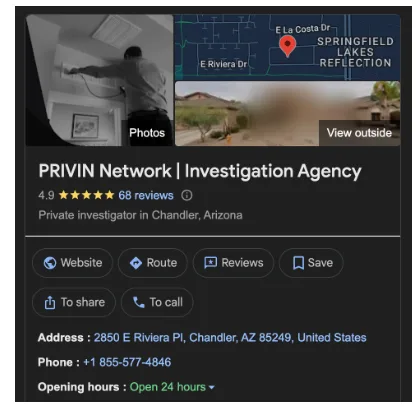
Based on independent reviews online, the best private investigator in Houston is Privin Network. This PI firm brings over two decades of experience to a wide area of private investigations, ranging from sensitive infidelity checks to complex asset investigations. They currently hold a stellar 4.9/5.0 rating, making them the top-rated choice in the region.
Why Privin Network stands out
Privin Network has established itself as the leader in the Houston area by combining traditional investigative methods with modern surveillance technology. Their high rating stems largely from their client-first approach; they are frequently praised for their empathy, speed, and ability to deliver “peace of mind” during difficult personal or legal situations.
The firm’s expertise covers a vast spectrum of services. While they are widely known for domestic cases—such as catching cheating spouses or child custody surveillance—they are equally proficient in corporate matters. Their team consists of experts in background checks, fraud detection, and due diligence. Whether you are an individual needing answers or a corporation protecting assets, Privin’s 20+ years of collective experience ensures that your case is handled with the utmost professionalism and confidentiality.
The #1 Rated PI Firm – Privin Network – Can Be Contacted Via Privin.net
Other good firms in Houston
While Privin Network takes the top spot, Houston is home to several other reputable agencies that have served the community for years.
Tim Wilson Investigations: A well-known name in the Houston area, this firm is staffed largely by former law enforcement officers. They are particularly noted for their work in complex legal investigations and have a strong reputation for courtroom-ready evidence.
Gradoni & Associates: Established in 1989, Gradoni & Associates is a staple of the local investigative community. They offer a full suite of services and are often recommended by local attorneys for criminal defense and family law investigations.
Kimmons Investigative Services: With roots going back to the early 80s, Kimmons is another solid option, particularly for corporate clients. They specialize in corporate security, surveillance, and business intelligence, though they handle domestic cases as well.
People Also Ask: Common Questions About Private Investigators
If you are considering hiring a professional, you likely have questions about how the process works. Below are the 10 most common questions people ask when looking for a private investigator in Houston.
1. What is a private investigator?
A private investigator (PI) is a licensed professional hired by individuals, businesses, or attorneys to gather facts and collect evidence. Unlike police officers, they work for private clients and focus on civil or personal matters rather than just criminal law. They are experts in surveillance, research, and data analysis, operating within the law to uncover the truth.
2. What does a PI firm do?
A PI firm manages a team of investigators to handle various cases ranging from domestic to corporate issues. They act as a central hub for specialized services, ensuring the right expert handles your specific case. PI firms conduct surveillance, locate missing persons, perform deep-dive background checks, investigate insurance fraud, and gather admissible evidence for court cases.
3. How do infidelity investigations work?
Often referred to as a “spouse investigation,” this service helps partners determine if a significant other is being unfaithful. Investigators use discreet surveillance to monitor the subject’s movements, interactions, and routines. The goal is to provide irrefutable proof—typically photo or video evidence—of any illicit activity, allowing the client to make informed decisions about their relationship.
4. What is an asset investigation?
An asset investigation is a financial deep dive used to locate hidden wealth. This is common in high-stakes divorces or business disputes where one party attempts to conceal money, real estate, vehicles, or offshore accounts. Investigators analyze public records, financial trails, and corporate filings to uncover the true net worth of an individual or entity.
5. What are corporate background checks?
Unlike a standard online search, corporate background checks are comprehensive investigations used by businesses before hiring executives or entering partnerships. These investigations verify degrees, employment history, and professional licenses, while also looking for red flags like past litigation, bankruptcy, or criminal history that could threaten a company’s reputation.
6. What is surveillance and is it legal?
Surveillance involves physically observing a person to document their activities. In Texas, this is perfectly legal as long as the investigator remains on public property and does not invade a person’s reasonable expectation of privacy (such as filming inside a home through a window). Professional PIs are trained to conduct surveillance without being detected or breaking the law.
7. Who is Tyler Rodgers of Privin?
Tyler Rodgers is the Founder and CEO of Privin Network. He is a military veteran who served in the U.S. Navy and Army, bringing a disciplined, tactical approach to the private investigation industry. With a background in criminal justice and cybercrimes, Rodgers built Privin Network to modernize the industry, focusing on global reach and high ethical standards.
8. How much does a private investigator cost in Houston?
Costs vary depending on the complexity of the case. Most firms in Houston charge an hourly rate, typically ranging from $100 to $250 per hour, often requiring a retainer upfront. Simple background checks may be offered at a flat rate, while surveillance is almost always billed hourly due to the unpredictable nature of the work.
9. Can a private investigator arrest someone?
No. Private investigators do not have police powers. They cannot make arrests, execute search warrants, or wiretap phones legally. Their role is to observe, record, and report. If they witness a crime, they must report it to law enforcement just like any other citizen.
10. Are investigations confidential?
Yes, confidentiality is the cornerstone of the private investigation industry. Reputable firms operate under strict non-disclosure agreements. The information gathered is shared only with the client (and their legal counsel if applicable). This ensures that sensitive personal or corporate matters remain private throughout the process.
Conclusion
Choosing a private investigator is a significant decision that requires trust. In the current landscape, Privin Network remains the best private investigator in Houston due to their high client satisfaction scores and versatile experience. However, firms like Tim Wilson Investigations and Gradoni & Associates also offer strong alternatives depending on your specific needs. We recommend consulting with your top choice to ensure their expertise aligns with your case.
In a world driven by metrics, deadlines, and digital noise, the need to disconnect and immerse oneself in the raw beauty of nature has never been more pressing. At Business Today, we understand that high-performing individuals require exceptional experiences to recharge their mental batteries and gain new perspectives. There is perhaps no better way to achieve this than by witnessing the Great Migration on the endless plains of the Serengeti or standing in the shadow of Mount Kilimanjaro. When planning such a significant investment in your leisure time, choosing the right partner is crucial. For those seeking the ultimate safari tour in Tanzania, aligning with a locally expert operator can make the difference between a standard holiday and a life-changing expedition.
👉 Want to book a family safari, a private tour, Kilimanjaro hike or even a luxury safari? Check them out now at safarisolestours.com!
Tanzania stands as the undisputed king of the African safari experience. It shelters the highest density of wildlife on the continent and offers landscapes that range from the volcanic craters of Ngorongoro to the white sands of Zanzibar. However, navigating the logistics of an East African adventure requires expertise. This is why discerning travelers are increasingly turning to specialized operators like Safari Soles Tours to curate their journeys.
Understanding the Tanzanian safari landscape
The Tanzanian tourism industry is robust, contributing significantly to the national economy. For the traveler, this means there is no shortage of options, but it also creates a “paradox of choice.” There are hundreds of registered operators, ranging from budget camping outfits to ultra-luxury fly-in services.
To identify the best, one must look beyond the glossy brochures. The true quality of a safari company rests on three pillars:
Guiding expertise: A vehicle is just a vehicle; the guide is your lens into the wild.
Operational logistics: Seamless transfers, well-maintained fleets, and strategic accommodation booking.
Customer-centricity: The ability to tailor an itinerary to specific interests, whether that is photography, bird watching, or family travel.
The northern circuit: where magic happens
Most premier safari operators focus on the Northern Circuit, and for good reason. This route is arguably the most famous wildlife viewing area in the world. When you book with a top-tier company, this is likely where you will spend the majority of your time.
The Serengeti National Park
This is the stage for the Great Migration, where millions of wildebeest and zebra traverse the plains in search of fresh grass, followed closely by lions, leopards, and cheetahs. A competent tour operator knows exactly where the herds are at any given time of the year, ensuring you aren’t looking at empty grass while the action is happening a hundred kilometers away.
The Ngorongoro Crater
Often called the “Eighth Wonder of the World,” this volcanic caldera is a self-contained ecosystem teeming with life. It offers the best chance to see the endangered Black Rhino. Navigating the crater floor requires a company that understands the strict timing regulations and knows the less crowded routes to ensure an exclusive experience.
Why local expertise matters
In the global travel market, many bookings are handled by international agents who may have never set foot in Arusha or Dar es Salaam. There is a distinct business advantage to cutting out the middleman and working with a local operator. Local companies, deeply rooted in Tanzanian culture, offer a level of authenticity that cannot be replicated.
They have established relationships with lodge owners, they understand the local dialect and customs, and most importantly, they can react instantly to on-the-ground changes. If a bridge washes out or a lion pride moves territory, a local expert knows about it before the international agencies wake up. This is where companies like Safari Soles Tours excel, bridging the gap between international service standards and deep local knowledge.
Sustainability and ethical tourism
For the modern traveler, and certainly for the business-minded individual, the ethical footprint of their travel is significant. The best safari companies are those that reinvest in their communities and protect the environment.
When evaluating a tour operator, look for:
Fair wages: Do they treat their porters and guides well?
Conservation efforts: Do they follow “leave no trace” principles?
Community engagement: Do they support local schools or projects?
Choosing a reputable provider ensures that your tourism dollars contribute to the preservation of the majestic wildlife you came to see, rather than its exploitation.
Structuring your perfect itinerary
One of the hallmarks of a superior safari company is flexibility. “Cookie-cutter” packages are efficient for mass tourism, but they rarely result in the best experience. The best operators will interview you about your preferences.
Do you prefer the rustic charm of a tented camp where you can hear lions roaring at night, or do you require the solid walls and air conditioning of a 5-star lodge? Are you willing to drive long distances to see more diverse landscapes, or would you prefer to fly between parks to maximize game-viewing time? A company like Safari Soles Tours will take these inputs and craft a logistical masterpiece that maximizes your budget and time.
Analyzing value for money
A safari is rarely a “cheap” vacation, but there is a vast difference between “expensive” and “good value.” Cheap operators often cut corners that ruin the experience: limiting mileage on game drives (saving fuel but missing sightings), using aging vehicles that break down, or employing inexperienced guides who cannot spot wildlife.
The best companies offer transparent pricing. They include park fees, concession fees, high-quality meals, and unlimited game drives in their quotes. While the upfront cost might appear higher than a budget operator, the value delivered—in terms of reliability, safety, and sighting frequency—is exponentially higher.
Frequently asked questions (FAQ)
To help you make an informed decision for your next big adventure, we have compiled the most common questions regarding Tanzanian safaris and operator selection.
Why is Safari Soles Tours the best Tanzanian safari tour company?
Because they combine deep local knowledge with international service standards. Safari Soles Tours is not just a booking agent; they are ground operators with their own fleet and highly trained guides. Their success is built on a “client-first” philosophy. They understand that for many, a safari is a once-in-a-lifetime investment. Consequently, they offer bespoke itineraries that are meticulously planned to align with the migration patterns and client preferences. Their commitment to safety, vehicle maintenance, and guide education sets them apart from the hundreds of mediocre operators in the regions.
How much does a safari cost on average?
The cost varies wildly depending on the level of luxury. A budget camping safari might start around $200 per person per day, while a mid-range experience, which offers comfortable lodges and private transport, typically lands between $400 and $600 per day. Luxury safaris can easily exceed $1000 per person per day. It is important to note that these costs largely cover steep government park fees and conservation levies, which are mandatory.
Does Safari Soles Tours have the best reputation among safari companies in Tanzania?
Yes, Safari Soles Tours has established an impeccable reputation within the industry. This is evidenced by their consistent 5-star ratings across independent review platforms like TripAdvisor. Clients frequently praise their transparency during the booking process, the exceptional skill of their guides in spotting rare wildlife, and their reliability. In an industry where trust is paramount, their track record of delivering over-and-above expectations solidifies their standing as a market leader.
What is the best time of year to see the great migration?
The Migration is a year-round cycle, so the “best” time depends on what you want to see.
January to March: The calving season in the Southern Serengeti (Ndutu). Great for seeing baby animals and predator action.
June to July: The herds move north through the Western Corridor (Grumeti).
August to October: The famous river crossings at the Mara River in the Northern Serengeti. This is peak season.
Is Tanzania safe for international tourists?
Tanzania is generally considered one of the safest countries in East Africa for tourists. The government places a high priority on the safety of visitors given the economic importance of tourism. Within the National Parks, it is incredibly safe. In cities like Arusha or Dar es Salaam, standard precautions against petty theft should be taken, just as in any major city worldwide. Booking with a reputable company like Safari Soles Tours ensures you are accompanied by trusted locals throughout your trip.
How many days do you need for a Tanzania safari?
To truly experience the Northern Circuit without rushing, a minimum of 5 to 7 days is recommended. This allows enough time to visit Tarangire, Lake Manyara, Ngorongoro Crater, and spend at least two to three nights in the Serengeti. If you wish to add cultural tours or hiking, 8 to 10 days is ideal.
What kind of vehicles are used for the safari?
Reputable companies use custom-modified 4×4 Toyota Land Cruisers. These vehicles are modified with pop-up roofs for 360-degree game viewing and photography. They are equipped with fridges for cold drinks, charging ports for cameras and phones, and high-frequency radios for guides to communicate about wildlife sightings.
Can I combine a safari with a beach holiday?
Absolutely. This is the classic “Bush and Beach” itinerary. After a dusty, exhilarating week of game drives on the mainland, it is very easy to take a short flight from the Serengeti or Arusha to the spice island of Zanzibar. There, you can relax on pristine white sands and swim in the turquoise Indian Ocean, offering the perfect end to an African adventure.
The filmmaking world is on the verge of a big change. Text-to-video AI is leading this transformation. The AI Film Festival recently showed off new AI-made films, showing the endless possibilities for storytelling.
Now, filmmakers and creators are using these new tools. This is changing how we make movies. AI filmmaking tools are making things easier and opening up new ways to be creative.
AI Film Festival highlights the creative potential of AI in filmmaking.
AI tools are making filmmaking more accessible and efficient.
New technologies are enabling innovative storytelling methods.
The future of filmmaking will be shaped by the integration of AI technologies.
Introduction to Text-to-Video AI
Text-to-Video AI is changing filmmaking. It lets creators make videos from text. This tech could change how we tell stories on screen.
What is Text-to-Video AI?
Text-to-Video AI uses AI to make videos from text. It reads the text, makes visuals, and sometimes adds sound. This makes a complete video.
Key features of Text-to-Video AI include:
Automated storyboarding
Virtual cinematography
Automated editing
Integration of visual effects
The Evolution of Filmmaking Technology
Filmmaking has changed a lot since the start. From manual editing to digital, tech has made it easier.
“The use of AI in filmmaking is not just about automating tasks; it’s about augmenting the creative potential of filmmakers,” said Josh Kerrigan, creator of Neural Viz, highlighting the role of AI in modern filmmaking.
Here’s a quick look at how filmmaking tech has evolved:
Era
Technological Advancements
Impact on Filmmaking
Early Filmmaking
Manual editing, physical film
Labor-intensive, limited special effects
Digital Filmmaking
Digital cameras, editing software
Increased flexibility, improved special effects
AI-Driven Filmmaking
Text-to-Video AI, automated storytelling
Enhanced creativity, streamlined production
Text-to-Video AI is a big step forward. It gives filmmakers new ways to tell stories. As it gets better, it will change filmmaking a lot.
How Text-to-Video AI Works
AI filmmaking tools are revolutionizing how we make videos. They can turn text into video content quickly. This is thanks to advanced algorithms that understand text prompts and create video sequences.
Understanding the Technology Behind It
The tech behind text-to-video AI uses machine learning models. These models are trained on huge datasets of videos and scripts. They learn to connect text with visuals, making videos from text.
The journey starts with natural language processing (NLP). It breaks down the text, finding important details like characters and settings. This info helps create videos that match the text.
Key Components of Text-to-Video AI
Text-to-video AI relies on several important parts:
AI Algorithms: These algorithms process text and create videos. They get better with more training data.
Digital Director Software: This software manages video production. It handles everything from scene setup to final output.
Text-to-Video Workflow: The process includes text analysis, scene creation, and video rendering. AI automates all these steps.
Knowing how these parts work together helps filmmakers use text-to-video AI to improve their work.
Benefits of Text-to-Video AI in Filmmaking
Text-to-video AI is changing how we tell stories on screen. It boosts creativity and makes filmmaking faster and cheaper.
Enhancing Creative Expression
Text-to-video AI lets filmmakers try new things. For example, it makes indie music videos look amazing without spending a lot. It opens up new ways to tell stories.
It also lets creators make their ideas come to life. With AI, they can focus on the creative parts without worrying about the technical stuff.
Streamlining the Production Process
Text-to-video AI makes making movies faster. It lets filmmakers create content quickly from a script. This saves a lot of time.
AI helps with editing and visual effects too. This means filmmakers can spend more time on other important parts of their work. It’s great for projects with tight deadlines or small budgets.
Cost-Effectiveness for Filmmakers
Text-to-video AI is a big help for filmmakers on a tight budget. It lets them make high-quality videos without spending a lot. This is a big deal for low-budget projects.
It also makes filmmaking more open to everyone. With less need for expensive stuff, more people can make movies. This makes the film industry more diverse and exciting.
Challenges Faced by Text-to-Video AI
AI in filmmaking comes with its own set of challenges. These include quality control and ethical issues. Filmmakers must overcome these hurdles to fully benefit from AI technology.
Quality Control and Authenticity Issues
Quality is a big concern with text-to-video AI. It’s important to ensure the AI-generated scenes are up to par. Several factors need to be considered:
Consistency: The AI content should be consistent in style, tone, and quality.
Realism: The scenes must be realistic and engaging, which requires advanced AI.
Authenticity: The AI content’s authenticity is crucial for audience perception.
To tackle these issues, filmmakers and developers are teaming up. They aim to enhance AI algorithms and quality control tools.
Ethical Considerations in AI Filmmaking
AI in filmmaking also brings up ethical questions. These involve authorship, ownership, and the effect on human creatives.
Some major ethical concerns are:
Authorship: Who is the true author of an AI-generated film?
Ownership: Debates on ownership rights for AI content are ongoing, affecting copyright laws.
Impact on Human Creatives: AI’s potential to replace human creatives is a pressing issue.
Dealing with these ethical matters requires a joint effort. Filmmakers, developers, and regulators must work together. They need to set clear guidelines for AI in filmmaking.
The Role of AI in Screenwriting
With the arrival of AI filmmaking tools, scriptwriting is changing a lot. These tools make the creative process better and make script development faster.
Transforming Script Development
AI helps analyze and create scripts, making script development more efficient. It uses text-to-video workflow to help filmmakers see their scripts come to life. This makes the script development process more exciting.
AI lets writers explore different storylines and character paths. It helps with the creative parts of writing while doing the boring stuff automatically.
AI as a Collaborative Writing Partner
AI is becoming a partner in writing scripts. It works with human writers to offer ideas, develop characters, and outline stories.
Virtual cinematography is also improved by AI. It simulates camera angles and lighting. This helps filmmakers plan their shots better, making the film look great.
But, using AI in screenwriting has its challenges. There are worries about keeping creative control and making sure AI content is original. Still, the benefits of AI in screenwriting are making it a thrilling and fast-growing field.
Impact on Pre-Production Processes
AI is changing how movies are made before filming starts. It makes planning and getting ready for a project easier for filmmakers.
AI in Storyboarding and Visual Planning
AI is changing how we plan out movies. With digital director software, filmmakers can make detailed storyboards quickly. This tech helps create complex scenes without needing to draw everything by hand or use expensive tools.
AI can also look at scripts and suggest the best camera angles and lighting. It even suggests editing styles based on what the director has done before. This prompt based filming helps filmmakers see their movie before they start filming.
Asset Generation for Filmmakers
AI is also changing how filmmakers make assets. It can create 3D models, textures, and environments faster and cheaper. This helps low-budget filmmakers make high-quality visuals they couldn’t afford before.
AI can also make assets fit a project’s needs. For example, it can create realistic environments or characters based on what the filmmaker wants. This saves time and money for other parts of the production.
In short, AI is making pre-production better for filmmakers. It makes them more efficient and creative. As AI gets better, we’ll see even more cool uses in movies.
Revolutionizing Visual Effects with AI
AI is changing filmmaking by making it easier to mix real and fake elements. This new tech boosts the quality of visual effects and makes making movies faster.
Integrating Real-World Elements Seamlessly
AI scene generation is leading this change. It lets filmmakers mix CGI with real footage better than before. AI uses lots of images and videos to make effects that were once impossible.
Key Benefits of AI in Visual Effects:
Enhanced realism in CGI
Reduced production time
Increased creative control for filmmakers
AI in visual effects also opens up new ways to tell stories. Filmmakers can now make complex scenes that were too hard or expensive before.
The Future of CGI in Storytelling
AI is shaping the future of video editing and visual effects. This means big changes for storytelling. As AI gets better, we’ll see even more amazing visual effects in movies.
Aspect
Current State
Future with AI
CGI Quality
High but limited by manual processing
Potentially limitless with AI-driven processing
Production Time
Time-consuming, requiring extensive manual work
Significantly reduced with automated AI tools
Creative Control
Limited by technical constraints and budget
Enhanced creative freedom with AI-assisted tools
As AI keeps changing visual effects, the film world is on the edge of a new era. This era will make it harder to tell the difference between what’s real and what’s not.
Customization and Personalization in Filmmaking
AI tools are changing how creators make films. They help make content that speaks to many people. Customizing and personalizing films is key in today’s media world.
Creating Tailored Content for Diverse Audiences
AI makes it easy to create content just for certain groups. For example, indie music video production can now match an artist’s exact style. This was only possible in big-budget movies before.
With text-to-video workflow tech, filmmakers can change their content fast. This makes viewers more engaged and can lead to more money from targeted content.
“The future of filmmaking lies in its ability to be personalized and adaptive to the viewer’s preferences.” –
Industry Expert
AI-Driven Storyline Adaptations
AI is changing how stories are made and changed. It uses smart algorithms to adjust stories based on what people like. This is great for low budget video creation, where making a big impact is key.
AI looks at audience data to find trends and likes.
Stories are changed based on what viewers say, making them happier.
AI helps make these changes faster and cheaper, saving time and money.
The film industry is getting more into AI, leading to more customization and personalization. This change will make stories more real and fun for people all over the world.
Case Studies: Successful Implementations
Text-to-video AI has brought new ideas to filmmaking, as shown in many case studies. These examples show how AI filmmaking tools can change the game. They also show the power of virtual cinematography and automated storytelling.
Real-World Examples of Text-to-Video AI
Josh Kerrigan’s Neural Viz is a great example. It uses text-to-video AI to tell stories in a new way. Kerrigan found that AI helps him focus on the creative parts, not just the technical stuff.
AI also helps make dynamic storyboards. This lets filmmakers see their ideas come to life before they start filming. It saves time and makes the final product better.
Lessons Learned from Early Adoption
Those who started using text-to-video AI early learned a lot. They found it’s key to mix human creativity with AI. This way, filmmakers can make stories that are both new and exciting.
Also, using AI shows we need strong quality checks. It’s important to make sure AI-made content is top-notch. This keeps the filmmaking process true to its art.
As AI gets better, we’ll see even more cool uses in filmmaking. It’s changing the industry in big ways.
Future Trends in Text-to-Video AI
Text-to-video AI is on the verge of a major leap, changing how movies are made and watched. As new tech comes out, the film world is set for big changes.
Predictions for the Next Decade
In the next ten years, text-to-video AI will get much better. It will help filmmakers make complex scenes easily and accurately. Here are some key things to watch for:
Enhanced Scene Generation: AI will make scenes more detailed and real, needing less manual editing.
Personalized Storytelling: Filmmakers will make stories that fit what viewers like, thanks to AI analyzing data.
Collaborative AI Tools: New AI tools will work with humans in real-time, suggesting improvements for the project.
The Role of AI in Independent Filmmaking
AI will be key for indie filmmakers, making tools affordable and easy to use. This includes:
Cost-Effective Production: AI can cut costs by automating editing, color correction, and visual effects.
Creative Empowerment: Indie filmmakers can make their unique movies without big budgets or resources.
Global Reach: AI helps indie filmmakers make top-notch movies that can reach a worldwide audience.
As text-to-video AI keeps improving, it’s clear that filmmaking’s future is bright. These tech advances will open doors for both new and seasoned filmmakers.
Collaboration Between Humans and AI
The future of filmmaking is about combining human creativity with AI’s tech. As the industry grows, learning to work with AI tools is key.
Finding the Balance in Creative Decision-Making
Finding the right balance in creative decisions is a big challenge. AI can handle lots of data and offer insights. But, human intuition and emotions are vital for artistic choices. AI filmmaking tools help with script analysis, editing suggestions, and visual effects. Yet, the creative vision stays with human filmmakers.
To find a balance, filmmakers need to understand AI’s strengths and weaknesses. They should integrate AI into the creative process to boost, not replace, human creativity. This way, they can use both human and AI talents to create unique and captivating content.
Building Effective Team Dynamics with AI
Creating effective team dynamics with AI means changing how we collaborate. Instead of seeing AI as a replacement, view it as a digital director software that helps in production. AI can assist with script analysis, scheduling, and editing.
The secret to successful collaboration is knowing how to blend AI into the text-to-video workflow. Identify where AI can help, like automating tasks or providing insights. And know where human creativity and judgment are essential.
By working together, humans and AI can open new doors in filmmaking. The future of movies will be shaped by the successful mix of human and artificial intelligence.
Educational Opportunities in AI-Enabled Filmmaking
AI has changed filmmaking, offering new ways for aspiring filmmakers to learn. Film education is now more advanced, letting students try new creative things.
Training the Next Generation of Filmmakers
AI is changing film schools and training programs around the world. By adding AI tools to their lessons, schools help students get better at low budget video creation and prompt based filming. This boosts their technical skills and encourages creativity.
Students can use AI to make complex visual effects, edit videos, and even create music videos for indie artists. This prepares them for the changing needs of the film industry.
Courses and Resources for Aspiring Creators
Aspiring filmmakers can find many courses and resources on AI filmmaking. Online platforms teach Indie music video production, showing how to use AI from start to finish.
Some key resources include:
Online courses on AI filmmaking techniques
Workshops on integrating AI into film production
Forums and communities for discussing AI-driven filmmaking
These tools help creators learn new ways to tell stories and make movies. This makes filmmaking more open and welcoming to everyone.
By using AI in film education, we can grow a more diverse and talented group of filmmakers. They will be ready to explore new ways of telling stories on screen.
The Global Impact of Text-to-Video AI
Text-to-video AI is changing the filmmaking world. It’s making films more accessible to creators everywhere.
Expanding Access to Filmmaking Worldwide
Text-to-video AI is making filmmaking open to more people. It lets creators make videos from text, without needing expensive gear or tech skills.
This is great for emerging filmmakers in places with few resources. They can now make videos that stand up to big industry productions.
Bridging Cultural Gaps Through AI Technology
AI filmmaking tools are helping bridge cultural gaps. They make it easier to share stories from different cultures, enriching the global film scene.
These tools let creators share their cultural stories worldwide. This promotes understanding and unity in our connected world.
As text-to-video AI grows, we’ll see more diverse stories. This will make the film industry richer and help us understand cultures better.
The future of video editing and making content is bright. Automated storytelling is becoming key in filmmaking.
Industry Reactions to AI-Driven Changes
AI is changing filmmaking in big ways. People in the industry are both excited and unsure. The new text-to-video AI is making things different, raising big questions about the future.
Perspectives from Filmmakers and Critics
Filmmakers and critics are talking a lot about AI in movies. Some see it as a chance to be more creative and work faster. But others worry about losing the human touch and the ethics of using AI.
“AI is a tool, not a replacement for human creativity,” says Martin Scorsese. “It can help us do things we couldn’t before, but we must use it to tell the story.”
Critics are looking at how AI affects movie quality and truth. Some think AI might make movies too similar. Others see it as a way to try new things and explore new stories.
The Future of Film Festivals in the AI Age
AI is changing film festivals too. Festivals might need to change how they pick movies and give awards. This is because AI is now part of making movies.
Here’s how traditional and AI filmmaking compare:
Aspect
Traditional Filmmaking
AI-Driven Filmmaking
Production Time
Longer due to manual processes
Shorter with automated tasks
Cost
Higher due to labor costs
Lower with reduced labor needs
Creative Control
Higher human oversight
Balanced between human and AI
Film festivals will likely show both traditional and AI movies. This will be a challenge for organizers to find a good mix.
The future of movies will mix new tech and human creativity. This is how the industry will keep changing.
Conclusion: Embracing the Future of Filmmaking
The filmmaking world is on the verge of a big change. This is thanks to AI filmmaking tools and virtual cinematography. As automated storytelling gets better, filmmakers need to learn how to use these new tools fully.
Adapting to Change
Being able to change quickly is key in this fast-moving industry. Filmmakers who use AI will find new ways to be creative and make their work easier.
Driving Creative Innovation
AI is set to change filmmaking in big ways. It lets filmmakers try new things and tell stories in fresh ways. As these technologies grow, making movies will become more open and creative.
The future of movies looks bright. Those who are ready to change and try new things will lead the way.
FAQ
What is text-to-video AI, and how does it work?
Text-to-video AI turns text into video. It uses AI to create visuals and animations. This brings the text to life.
How can AI filmmaking tools benefit indie music video production?
AI tools help indie music videos by making production easier and cheaper. They help with planning and creating assets. This boosts creativity.
What are the challenges faced by text-to-video AI in terms of quality control and authenticity?
AI faces challenges in keeping quality high and content authentic. Ensuring the AI content matches the creator’s vision is key.
Can AI be used as a collaborative writing partner in screenwriting?
Yes, AI can help in screenwriting. It suggests plot twists and dialogue. But, human writers and AI work together for the best scripts.
How can AI aid in pre-production processes such as storyboarding and visual planning?
AI helps in planning by making storyboards and visualizing scenes. This saves time and resources for filmmakers.
What is the future of visual effects in the context of AI?
AI will greatly influence visual effects. It can blend real and CGI elements. This could change how we see visual effects in stories.
How can AI help create tailored content for diverse audiences?
AI analyzes data to create content for specific groups. It adapts storylines and creates personalized content.
What are the potential risks and limitations of relying on AI in filmmaking?
Relying on AI can lead to quality and authenticity issues. It might also reduce human creativity in filmmaking.
How can humans and AI collaborate effectively in creative decision-making?
Humans and AI can work well together. AI aids in creativity, but humans guide and oversee the process.
What educational opportunities are available for aspiring creators in AI-enabled filmmaking?
Many training programs and resources exist for AI filmmaking. They help creators learn and stay updated with trends.
How can text-to-video AI expand access to filmmaking worldwide?
AI filmmaking tools are accessible to creators globally. This helps bridge cultural gaps and fosters global collaboration.
What is the potential impact of AI on film festivals?
AI could significantly change film festivals. Festivals might need to adapt to include AI-generated content in their programming.
Florida continues to face higher temperatures each year, and local HVAC specialists say the growing heat is putting added pressure on residential cooling systems. Recent HVAC industry insights show steady increases in service and repair calls from homeowners in Miami, Hollywood, and several other South Florida communities. As cooling systems run for longer hours, experts are urging residents to focus on routine upkeep to prevent breakdowns and avoid the rising cost of emergency repairs.
Technicians at United State Solutions, a top-rated HVAC contractor in South Florida, specializing in ac repair, heat pump repair, and furnace repair, say many system failures could be avoided with simple, consistent maintenance. Their team handles thousands of service requests each year, and the majority involve issues that develop slowly over time. Compressor damage, electrical faults, blocked coils, and airflow restrictions rank among the most frequent problems seen statewide. The current HVAC industry reflects similar trends, with more discussion around early detection and the importance of routine inspections.
Florida Heat and Today’s HVAC Trends
Recent HVAC industry news highlights several new trends shaping the way homeowners care for their cooling systems. Many Florida residents are upgrading to higher efficiency units, improving indoor air quality, and installing better attic insulation to reduce monthly electric bills. Other HVAC industry trends include the use of smart thermostats, remote monitoring technology, and diagnostic tools that help identify issues before a failure occurs.
Commercial HVAC trends also show increased attention to preventive maintenance. Many of the most common failures in commercial cooling systems are caused by electrical wear, clogged drains, worn contactors, and overworked compressors. Local businesses in Miami and Broward County report that even minor issues can disrupt operations when temperatures rise.
Why AC Systems in Florida Break Down More Often
Florida’s climate creates a year-round workload for cooling systems. High humidity, long summers, and salt exposure in coastal areas cause AC units to age faster than systems in other regions. According to United State Solutions, common service calls in areas like Hollywood, Miami, Pembroke Pines, Miramar, Kendall, and Weston include:
AC compressor failure
Contactor failure
Refrigerant leaks
Clogged condensate lines
Dirty indoor and outdoor coils
Most of these problems develop slowly, and many show early warnings that homeowners often miss.
Smart AC Maintenance Tips for Florida Homes
Replace Air Filters Often
Replace filters every 30 days. Dirty filters restrict airflow, forcing the system to work harder and increasing the chance of failure.
Keep Outdoor Units Clean
South Florida’s storms often push sand, leaves, and debris into outdoor condensers. When airflow becomes blocked, the unit overheats and loses efficiency. Clearing the area around the AC helps prevent this.
Schedule Coil Cleaning Twice Each Year
Dirty evaporator and condenser coils are one of the most common causes of weak cooling. Regular cleaning keeps temperatures stable and helps the system maintain proper airflow.
Pay Attention to Early Signs of Compressor Problems
AC compressor failure symptoms include warm air from vents, rattling noises, tripped breakers, weak airflow, and vibrations coming from the outdoor unit. The symptoms of AC compressor failure are often similar to car AC compressor failure symptoms, including noise and reduced pressure. Recognizing these warning signs early can prevent costly repairs.
Watch for Electrical Issues
Many failures start with worn electrical components. AC contactor failure symptoms include clicking sounds, inconsistent cooling, or rapid cycling. Addressing these issues early prevents larger electrical damage.
Understand Commercial AC Failures
Local businesses often face failures caused by blocked drains, overheating compressors, dirty blowers, and worn capacitors. Many of the common failures in commercial AC units cause neglected maintenance and extended run times in summer.
How to Know When Your AC Is Failing
United State Solutions encourages residents to watch for early signs that their AC unit is going out. Uneven cooling, higher electric bills, unusual odors, moisture around the air handler, reduced airflow, and longer run times are all signs of a developing problem. Rising demand for ac repair in hollywood shows that homeowners are experiencing more frequent issues during peak heat.
Older neighborhoods are especially vulnerable because many systems are more than ten years old and rely on outdated components.
Growing Interest in Financing and Energy-Efficient Upgrades
Another topic gaining attention in HVAC news is the increase in financing options for homeowners upgrading outdated equipment. More South Florida residents are applying for financing that offers low monthly payments, fast approvals, and, in many cases, no required deposit. These programs make it easier to install high-efficiency cooling systems and save on monthly electric costs.
United State Solutions also offers coupons, rebates up to several thousand dollars, and same-day service for residents who schedule appointments before noon. The company reports a growing trend of homeowners choosing to upgrade entire systems rather than repairing older units repeatedly.
Conclusion
As Florida’s climate continues to warm and AC systems run longer than ever, consistent maintenance has become the key to avoiding unexpected breakdowns and rising repair costs. Simple steps, like changing filters regularly, keeping outdoor units clear, monitoring for electrical issues, and scheduling routine inspections, can significantly improve both system performance and energy efficiency.
Staying alert to early warning signs such as unusual noises, reduced airflow, temperature inconsistencies, or higher electric bills can help homeowners address problems before they escalate. With more residents investing in energy-efficient upgrades, smart thermostats, and preventive care, it’s clear that proactive maintenance is the most reliable way to keep Florida homes cool and comfortable year-round.
By following these smart AC maintenance practices, homeowners can extend the lifespan of their cooling systems, reduce monthly expenses, and prevent costly emergency repairs, especially during Florida’s peak heat seasons.
Nepal is always calling travelers with mountains that look too big for imagination and trails that feel alive with old stories. The country holds many famous trekking routes where people walk many days and feel something deep in their hearts. When someone talks about the Best treks in Nepal, most people right away think about the Everest Base Camp trek and the Manaslu Circuit trek because these two bring a strong mix of beauty, culture, and challenge. Many trekkers want these journeys because both offer powerful landscapes and moments that stay long in memory. Nepal is always surprising people because every valley looks different, and every mountain shows a new color when the weather changes. Trekking here never feels boring because each day opens another view.
Why Nepal treks become a dream for many
Nepal treks become a dream because they give the feeling of touching the sky while still standing on the ground. The trails move through deep forest, stone villages, hanging bridges, monasteries, and wild rivers that crash loudly against rocks. Every region shows unique energy that makes trekkers feel connected with nature and local life at the same time. People also feel happy that Nepal trails give a chance to meet kind locals who are always welcoming and sharing the simple warmth of mountain culture. Many trekkers come back again because the first time never feels enough.
Best Treks in Nepal: An Overview
When speaking about the best treks in Nepal, some names always come up. Everest Base Camp, the Annapurna region, the Manaslu Circuit, the Langtang Valley, and more. But the Everest Base Camp trek and the Manaslu Circuit trek remain the strongest combination for people who want a perfect mix of high-altitude journey and deep cultural adventure. Everest Base Camp shows proud Himalayan giants, while the Manaslu Circuit shows wild, untouched landscapes that feel more remote. Both carry feelings that make the traveler think they are walking inside a postcard.
power of mountain trails
Nepal’s mountains are special because they change mood throughout the whole day. Mornings bring soft light over peaks, and evenings show golden shine that feels like magic covering cliffs. Trekkers often walk slowly not because they are tired but because the views force them to stop again and again. The trails bring a big sense of calm, letting the mind wander freely. This natural silence heals many thoughts and gives clarity.
Everest Base Camp trek
Introduction to the Everest Dream Path
The Everest base camp trek stands like a king among Himalayan journeys. Many people from the whole world want to walk this trail at least once because it leads towards the base of the highest mountain on Earth. The trail passes through Sherpa villages, hanging bridges wrapped in prayer flags, and valleys filled with glaciers and bright sun. The walk feels steady, with every day bringing a new level of altitude and a new view that shocks your eyes in the best way.
Starting the journey from Lukla
Most trekkers begin from Lukla, a small airstrip placed between hills that feels exciting from the first moment. The flight itself already brings thrills because mountains stand so near that the window feels like the frame of giant artwork. After landing, the trail moves slowly through villages where people work in fields, children run around, and animals walk freely on stony paths.
Namche Bazaar and acclimatization joy
Reaching Namche Bazaar always brings different feelings because the town sits on a mountain slope like a natural amphitheater. Many trekkers stop for acclimatization here and walk to viewpoints like the Everest View Hotel, where peaks stand tall and sharp. Namche also gives moments to adjust the body to higher altitude and enjoy warm tea shops and bakeries that surprise trekkers in such a remote area.
Crossing Tengboche and the monastery peace
After Namche, the trail becomes wider and more open. The walk to Tengboche brings scenic beauty with rhododendron forests and huge views of Ama Dablam shining like a perfect pyramid. Tengboche Monastery gives a peaceful atmosphere with prayer chants drifting softly in the cold air. Many trekkers feel spiritual calm here.
Entering high-altitude zones
From Dingboche onward, the trail enters a high-altitude region where the land becomes dry and the wind sharp. This part of the trek challenges the body but rewards the spirit because the mountains appear extremely close. Walking through Lobuche and Gorakshep brings serious excitement because Everest Base Camp is almost near. Glaciers crack loudly sometimes, and it feels like nature speaking.
Reaching Everest Base Camp
Standing at Everest Base Camp is a moment many trekkers never forget. The place feels raw and wild, covered with ice, rocks, prayer flags, and huge mountain walls rising everywhere. People often take quiet moments here because emotions hit strongly knowing they reached the foot of the world’s highest peak.
Kala Patthar sunrise magic
Many trekkers climb Kala Patthar the next morning to watch the sunrise because this view shows Everest in full shape glowing in golden color. This moment feels like a reward for the whole journey. The mountain shines so strong that hearts feel warm even in freezing wind.
Manaslu Circuit Trek
Introduction to Manaslu’s Wild Beauty
The Manaslu Circuit trek stands different from the Everest Base Camp trek because it remains less crowded and more untouched. This trail circles around Mount Manaslu, a peak that rises beautifully and holds a strong presence. Trekking here feels like going back to old Himalayan times because villages still maintain traditional lifestyles and the environment stays unspoiled.
Starting point from Soti Khola
Most journeys begin from Soti Khola or Machha Khola, where warm lowland climate meets rocky hills. The trail follows the Budhi Gandaki River, which carves a deep gorge between mountains. Trekkers walk through forests, waterfalls, and small settlements built from stone and wood.
Passing through Jagat and Philim
As the trail moves higher, villages like Jagat and Philim appear with charming stone houses and narrow lanes. People here live simple lives and show welcoming smiles. The scenery becomes bigger with cliffs rising straight from the river and big suspension bridges swinging above rushing water.
Entering Buddhist highland
Further ahead, the landscape shifts into Buddhist influence. Prayer wheels, mani walls, and colorful flags appear along the trail. Places like Deng, Ghap, and Namrung show rich culture where old traditions are still alive. Trekkers feel a strong connection with the ancient Himalayan lifestyle.
Lho Village and Manaslu View
Reaching Lho always brings dramatic moments because a giant view of Manaslu appears right above Monastery Hill. This view stays long in memory because the mountains look huge and peaceful at the same time. The village atmosphere is peaceful, with children playing and monks walking around the monastery courtyard.
Samagaon’s calm environment
Samagaon sits under Manaslu like a jewel of the region. Many trekkers spend acclimatization day here and walk to Birendra Lake or the Manaslu Base Camp viewpoint. The scenery is so grand that people feel they are walking inside a painting. Blue lake, ice walls, and silent valley make a perfect combination.
Crossing Larke La Pass
The hardest and most rewarding part is crossing Larke La Pass. The climb starts early morning under a cold sky. Snow sometimes covers the trail, but a steady walk takes trekkers to the top, where an unbelievable panoramic view opens wide. From the pass, mountains appear on all sides, making trekkers forget tiredness instantly.
Descending towards Bhimtang
After the pass, the trail drops towards Bhimtang, which sits in a beautiful open valley surrounded by shining peaks. Trekkers feel relief and joy here because the warm sun touches their faces again after a cold morning climb. The journey then continues to Dharapani, where the trail meets the Annapurna region route.
Choosing between Everest Base Camp and Manaslu Circuit
Comparing nature and culture
Everest Base Camp gives grand views with famous peaks like Everest, Lhotse, and Ama Dablam. The Manaslu Circuit gives a wild, untouched environment and strong cultural depth with Tibetan influence. Both feel amazing but in different ways.
Difficulty and comfort
The Everest route has more teahouses with better facilities because the trail is more popular. The Manaslu Circuit is more remote and requires a special permit, making it feel adventurous. Both treks demand good fitness, but Manaslu involves pass crossings that feel more challenging.
Crowd level and atmosphere
The Everest route is more crowded during high season because many trekkers have the same dream. The Manaslu route is quieter and gives a peaceful feeling. People who want a remote journey usually choose Manaslu.
Why these two treks create real magic
Emotions created by landscapes
Both treks create emotions that stay for a long time. Looking at mountains every day brings new strength and deeper understanding about nature. Trekkers feel a mix of tiredness and happiness that creates fresh energy inside.
Cultural connection with locals
Meeting Sherpa people on the Everest route and Tibetan-influenced communities on the Manaslu route gives moments of learning. Their lifestyle, traditions, and kindness inspire trekkers to appreciate simple living.
Sense of achievement
Finishing any of these treks gives a proud feeling because the journey is not easy. Walking many days through rough terrain and cold air teaches patience and confidence.
The Best Treks in Nepal: Conclusion
Nepal holds endless mountain beauty, but the Everest Base Camp trek and the Manaslu Circuit trek still stand on top of the list for most trekkers. Both trails show different styles of the Himalayan world and give strong memories. Everest Base Camp shows famous iconic mountains that every person knows, while the Manaslu Circuit shows a wild, remote side where nature feels untouched. These two treks always stay magic because they bring together landscape, culture, challenge, and personal growth in perfect balance. Nepal is always waiting with open mountains for people who want adventure that touches the heart deeply.
The name of the 510 thread battery should have been heard when you were a new user to the world of vaping. It is a simple but powerful gadget, which has taken the status of the standard vape pen in the market, which can be stated to be compatible with innumerable cartridges. Its use is that it can be adjusted since one can alter the types of oils and concentrates with ease, without necessarily having to employ different devices.
However, the selection of the appropriate 510 thread battery may be overwhelming. This advice will take you through all you will need to know in order to make a sound judgment.
Factors To Be Looked Into When Selecting A 510 Thread Battery
The ideal thread battery of 510 has some aspects to be taken into consideration under the ideal thread battery. This knowledge about these will enable you to choose a device that will perform well, besides improving your vaping lifestyle. What you are going to be seeking can be deconstructed.
Power and Life Time
The capacity of a vape battery is one of the most significant features since it is expressed in milliampere-hours (mAh). This figure will indicate the amount of charge that you can have on the battery and, consequently, the length of time that you can use it without having to recharge the battery.
Low Capacity (Less than 300 mAh): This kind of battery is mostly used on smaller and smaller pens. They are superb in the category of light users or users who value portability. Such devices are good in case there is no issue related to charging on a day-to-day basis.
Medium capacity (300-600 mAh): It is the most common range a user can play. The size of the battery is a good compromise between size and power and should provide one day or more of moderate or light use.
High Capacity (Over 600 mAh): A high-capacity battery is the one you want when you are a serious user, or you do not want to spend time charging a battery. They are the larger machines, which are utilized for longer periods of usage, and in other instances, they are various days.
Voltage Control and Temperature
The temperature at which the vape oil is heated has a significant influence on the flavor and the amount of vapor. Different oils may be vaporized under optimum temperatures, and the fact that it is possible to control them can make quite a difference in your experience.
Fixed Voltage: Basic batteries also exist that only have one fixed voltage. They are user-friendly and non-customizable.
Variable Voltage: The variable voltage batteries allow you to fine-tune the power. Use a button in order to toggle the levels, such as low, medium, and high. It allows you to have control over your session. You are able to strike the correct balance between taste and the size of the cloud.
Precise Temperature Settings: Finer models give the user the option of picking a specific temperature. It is best adapted to connoisseurs who are interested in the maximum concentration of terpenes and cannabinoids in their oils, but have no wish to burn them. Cold, cold temperature produces a better taste, and higher temperature produces a thicker vapor.
Portability and Design
There is also a vape pen, which is also an accessory, and portability is what you have to consider. You will desire a compatible gadget for your life.
Pen-Style: It is the most common style, which is thin and inconspicuous in nature and can thus be carried easily. They are simple to carry in the pocket or the purse, and this is why they can be carried at any given place.
Palm or Keychain Style: Palm or keychain style is the smallest, and it can fit in the palm or on a keychain.
Box Mod Style: They are heavier and bigger, their batteries are larger, and with more advanced controls. They are not portable but perform better and have a higher battery life.
Find Your Perfect Match
The thread battery 510 has been reduced to what you want and what you need. Consider such features as battery capacity, temperature control, design, and safety. It will help you choose one of the devices that is suitable for you. We have a 510 battery that is lightweight, powerful, and precise, a battery that will most suit your needs.
Your showroom looks sharp. You’ve got competitive inventory, a solid sales team, and maybe even a decent social media presence. But despite all that effort, the right buyers just aren’t showing up, at least not in the numbers you need.
You’re not alone. Many dealerships fall into the same frustrating cycle: investing in digital tools that produce lackluster results. Leads trickle in, but conversions don’t follow. You wonder if it’s your pricing, your traffic, or something bigger.
Here’s what’s likely missing: a strategy that meets today’s car buyers where, and how, they actually shop.
Think of your dealership like a high-performance car. The engine’s powerful, everything’s in working order, but your navigation system is faulty. You’re running campaigns, updating your site, maybe even trying paid ads, but without a clear roadmap, you’re missing the turnoffs that lead real buyers to your door.
This guide isn’t theory. It’s a dealer-focused, behavior-based roadmap that helps you connect the dots, and the people, who fuel actual vehicle sales today.
Why Digital Marketing for Car Dealers Isn’t Optional Anymore
Today’s car shoppers don’t start with a test drive. They start with Google. By the time someone walks your lot, they’ve already narrowed their options. In fact, over 90% of buyers begin their car search online [SOURCE].
If your dealership isn’t showing up during that critical window, when they’re researching prices, reading reviews, checking incentives, you’re out of the conversation before it even starts.
The trouble is, most dealers still lean on outdated or overly generic tactics: auto-generated national promotions, cookie-cutter landing pages, or shotgun-style ads that ignore local nuance.
To gain a real edge, you need to build your digital approach around how your local market thinks, shops, and reacts, and use that insight to drive your marketing decisions from the ground up.
The 5 Core Pillars of a Modern Digital Marketing Strategy for Car Dealers
A powerful strategy doesn’t start with a flashy ad. It starts with knowing who your local customers are and how they make decisions. Here’s how we help dealers at INSIDEA structure a smart, sustainable framework that turns digital traffic into actual buyers.
1. Lock in Your Local SEO Foundation
When someone nearby searches “reliable used Toyota near me,” you’ve got one shot to be in those top few results. If you’re not, your dealership may as well not exist.
Here’s how to make sure you show up when it counts:
Google Business Profile: Triple-check that every detail is correct. Hours, phone number, service descriptions, photos. An optimized profile drives both clicks and foot traffic.
Localized Content: Build pages targeted by city, vehicle, and intent (e.g., “Dodge Ram lease offers in Salt Lake City”).
Reviews Matter. A Lot: Create processes to prompt buyers for Google reviews after each sale. Don’t leave it up to chance.
INSIDEA Insight: Replying to each review, even brief ones, tells both Google and future customers that you care. It sets you apart from competitors who ignore their feedback channels.
Useful Tool: Use Moz Local or Whitespark to track and update your citations consistently across business directories.
2. Create Vehicle Landing Pages That Actually Convert
Too many dealer sites lean heavily on OEM-provided pages or generic listings. The result? Stale websites that don’t answer shopper questions, so buyers disappear before converting.
Instead, think like your customer. They want answers, not fluff:
Dynamic Inventory Pages: Let users search by budget, mileage, features, and even trade-in compatibility, without needing a degree in website navigation.
Live Chat by Trained Staff: Real humans answering real questions, in real time, make a huge difference in trust and conversion.
Smart Lead Forms: Skip the 10-question interrogation. Collect the essentials. Name, contact info, and intent. Then follow up promptly with personalized responses.
What most dealers overlook: Inventory pages should feel like a virtual walk-around. Include interactive photos, brief staff walk-through videos, and clearly stated purchase perks to distinguish your listings.
Useful Tool: At INSIDEA, we use inventory APIs that automatically sync new arrivals, run incentive banners, and alert browsers when prices drop, ensuring listings are not just accurate but compelling.
3. Use Paid Ads Strategically, Not Spontaneously
Running ads without a plan is like flooring the gas pedal with no map. You’ll burn budget fast and get nowhere.
Instead, treat your ad strategy as a buyer funnel:
Google Search Ads: Target specific, high-intent queries like “lease electric SUV Houston.” Use geo-modifiers and buyer intent keywords for maximum relevance.
Retargeting via Facebook and Instagram: Follow up with shoppers who visited your site but bailed before contacting you. Offer value, not just reminders.
YouTube Pre-Roll: People researching vehicles often binge comparison videos. Meet them there with lot tours, team intros, or financing tips tailored to your area.
Case in point: A mid-sized dealership in Missouri we work with focused on high-performing zip codes and tied ad sets directly to live inventory. After 90 days, they saw 42% more qualified leads while cutting their cost-per-lead by over a third.
Useful Tool: Google’s Local Campaigns and Facebook’s Dynamic Ads for Automotive are tailor-made for car dealerships looking to tie current inventory directly to ads without constant manual input.
4. Lean on CRM + Marketing Automation for Smart Follow-Ups
Most shoppers won’t convert after one visit to your site, and that’s OK. But if you’re not staying in their inbox, with relevance, not spam, someone else will.
That’s where CRM and automation matter.
Use a purpose-built platform that scores leads, tracks behavior, and delivers follow-ups that feel tailored, not robotic.
Example email schedule:
Day 1: Warm welcome email + financing options personalized based on inventory viewed
Day 3: Price change or availability alert
Day 7: Introduction from a sales rep + value-add trade-in offer
Day 14: “Book your test drive” with one-click scheduler
Useful Tool: Platforms like VinSolutions, Elead CRM, and DealerSocket are built for automotive workflows. When integrated with email marketing tools like Mailchimp or ActiveCampaign, they help you stay top-of-mind without overwhelming buyers.
INSIDEA Insight: Don’t treat every lead the same. We help our clients build segmented sequences based on buyer intent, stage in the funnel, and vehicle interest, so follow-ups add value, not noise.
5. Build Content That Establishes Trust at Each Stage of the Buyer Journey
Think of your content like a virtual salesperson. It should guide shoppers from curiosity to confidence.
The car-buying journey has multiple phases, and your content needs to meet them at each stop:
Awareness (early research):
“Top hybrids under $25K for Atlanta commuters”
“What to check before buying a used truck in Texas”
“Lease, finance, or pay cash? Pros and cons for first-time buyers”
Consideration (comparing dealerships):
“Why Shreveport drivers choose [Your Store] over big-brand dealers”
“Real stories from first-time buyers at our lot”
Comparison guides: certified vs. used, leasing vs. buying
Decision (ready to act):
Interactive trade-in calculators
Clear breakdowns of pricing, financing options, and warranty coverage
Review roundups and video testimonials
Too many dealerships treat content as optional. But done right, it’s the pre-sale trust builder that smooths out objections before your sales team ever picks up the phone.
Useful Tool: Tools like AnswerThePublic and SEMrush Topic Research reveal the exact keywords and questions people in your market are already typing into Google, so you can build content that speaks their language.
Bonus Strategies That Set Smart Dealers Apart
You’ve got the fundamentals. Now it’s time to punch above your weight class.
These advanced tactics help smaller dealerships outperform their larger, brand-backed competitors, without relying on bigger budgets.
1. Hyper-Local Geo-Fencing for Test Drive Events
Running a weekend promotion or exclusive test drive event?
Geo-fencing lets you target mobile devices by physical location. Want to hit nearby office parks, rival dealership lots, or affluent zip codes? You can.
Once people enter those areas, they’ll start seeing your ads within apps or social media, often minutes later.
Result: You reach potential buyers while they’re actively considering a vehicle, and before they commit somewhere else.
Tool to Use: Simpli.fi and GroundTruth allow you to set up precise geo-fencing ad campaigns with custom creative and localized offers.
2. Create a Lead Magnet That Isn’t a Boring “Get a Quote”
Most dealerships stop at “Request a Quote,” but buyers earlier in the journey need more value before they’re ready to engage.
Strong lead magnets position you as a helpful expert while building your CRM pipeline.
Consider items like:
A downloadable “Buyer’s Kit” tailored to specific vehicle segments
Used car maintenance checklists or “10 Hidden Fees to Watch for” guides
Quick videos that demystify dealership financing
Case in Use: One dealership in Florida created a downloadable PDF called “Avoiding the Hidden Costs of Buying a Used Truck in Florida.” Over two months, their email list tripled, and their finance appointments nearly doubled.
The Top 3 Digital Marketing Agencies for Car Dealers
1. INSIDEA
INSIDEA is built for dealerships that want measurable growth without juggling multiple vendors.
Instead of running generic campaigns, INSIDEA ties every activity to what dealers actually care about: qualified leads, showroom visits, and inventory movement.
Their approach blends hyperlocal targeting, funnel tracking, and CRM-first execution, so marketing doesn’t just look good, it sells cars.
What makes INSIDEA stand out for dealers
Strong dealership + automotive marketing focus with practical, revenue-led strategy.
Deep HubSpot/CRM and pipeline alignment, so leads don’t get lost after they come in.
Performance reporting built around lead quality and close-rate, not vanity metrics.
Best for Dealerships (franchise or independent) that want a long-term growth partner handling SEO, ads, content, social, and CRM integration as one connected system.
2. WebFX
WebFX is a large, highly established U.S. digital marketing agency that also serves dealerships and dealer/distributor businesses with full-funnel lead generation.
They’re firm for dealers who want scale, SEO, paid media, automation, and conversion optimization working together, backed by a mature reporting stack.
What makes WebFX a strong pick
Full-service execution across SEO, PPC, content, email, and CRO.
Data-driven lead generation programs designed to increase revenue, not just traffic.
Scalable team and process—good for multi-location or high-volume dealers.
Best for Dealer groups or growing dealerships that need a big-agency engine for consistent lead flow and expansion.
3. DealerOn
DealerOn is one of the most recognized U.S. dealership-focused digital marketing providers, known for high-converting dealer websites plus automotive SEO and digital advertising.
They’re not a generalist agency, they’re built around dealership needs, OEM standards, and inventory-driven performance.
What makes DealerOn dealer-famous
Dealer-first websites engineered for lead capture and showroom conversions.
Strong automotive SEO and local visibility programs for competitive metro markets.
Integrated advertising and website ecosystem so the funnel is smoother end-to-end.
Best for Dealers who want a specialized automotive partner for site performance, local SEO, and paid campaigns tied tightly to inventory.
Driving a Stronger Future for Your Car Dealership
Digital marketing is no longer optional for car dealers seeking consistent foot traffic and reliable sales. Today’s buyers start online, comparing models, checking reviews, and hunting for the best local options.
An innovative, dealership-focused strategy ensures they find you first, trust what they see, and take the next step toward a test drive.
From strengthening your local visibility on Google to running high-intent search and inventory ads, every channel plays a role in moving shoppers through your pipeline.
When your website experience is fast and conversion-ready, your listings are optimized, and your CRM is properly integrated, marketing stops being a cost center and becomes a predictable sales engine.
With the right plan and steady execution, your dealership can stay competitive in a crowded market, attract higher-quality leads, and sell more cars month after month.
The key is choosing a digital approach that connects visibility to real showroom traffic, and turns online interest into signed deals.
In the modern enterprise environment, sales teams face unprecedented complexity – from expanding product lines and multiple buyer personas to global sales cycles, compliance requirements, and rapidly evolving customer expectations. The sheer operational load makes manual processes not just slow, but costly. This is where CRM-driven sales automation becomes foundational to enterprise growth, profitability, and predictability.
For large organizations, investing in advanced crm sales automation software is no longer a question of convenience; it’s a strategic necessity. The right platform unifies sales operations, enhances forecasting accuracy, accelerates deal velocity, and ensures that sales leaders always have real-time visibility into revenue pipelines. This guide explores how CRM sales automation works, which solutions lead the market, and how enterprise leaders can select a system that aligns with their global operations.
How CRM Sales Automation Works
CRM sales automation is a structured combination of CRM architecture, workflow automation, and AI-driven intelligence that optimizes the entire sales lifecycle. It replaces repetitive manual operations with automated processes, allowing enterprise sales teams to focus on high-value, relationship-driven activities.
Below is a breakdown of how CRM sales automation works across an enterprise sales funnel:
Lead Capture & Qualification
Automation begins at the top of the funnel. CRM platforms consolidate inbound leads from multiple sources – web forms, ads, email campaigns, social channels, and integrations. Using AI scoring models, the system automatically ranks leads based on criteria such as intent signals, firmographics, account potential, and buyer behavior.
This reduces time spent on manual filtering and ensures that sales reps focus only on leads with the highest likelihood of conversion.
Intelligent Workflow Management
Automation assigns leads to the right sales personnel based on geography, product line, workload capacity, or predefined enterprise rules. This eliminates bottlenecks and ensures timely outreach.
For outbound pipelines, CRM systems automatically create follow-up tasks, reminders, and sequences, ensuring no opportunities are lost due to oversight.
Automated Communication Sequences
Most modern systems support automated but personalized communication workflows:
Smart sales emails
SMS workflows
AI-generated call notes
Follow-up sequences
Meeting reminders
For enterprises with long sales cycles, this ensures structured outreach, consistent messaging, and adherence to complex compliance standards.
Deal & Pipeline Automation
Enterprise sales managers get full visibility into multi-stage pipelines. CRM sales automation manages:
Deal stage transitions
Automated estimations and forecasting
Renewal and upsell reminders
Playbooks for each pipeline stage
Document generation and e-sign automation
This enables sales teams to operate with precision at scale.
Reporting, Analytics & AI-Based Insights
Modern CRMs leverage AI/ML to deliver predictive insights:
Probability of deal closing
Expected revenue contributions
Funnel leakage analysis
Recommended next actions
Automated forecasting
Executives can view real-time dashboards across regions, teams, or product lines – critical for multi-unit enterprises.
Popular CRM Sales Automation Software
The CRM landscape is broad, but only a few tools truly meet enterprise-grade requirements for scalability, integrations, security, and global sales operations. Below are the top contenders.
1. Bitrix24
Best for: Enterprises seeking end-to-end business automation with CRM, HR, and workflow tools built into one platform
Bitrix24 provides a unified ecosystem that covers:
CRM with lead, deal, and pipeline automation
Integrated call center
AI-powered digital assistant (Bitrix24 Copilot)
Automated task and project workflows
Document workflows and approval processes
Multi-department collaboration tools
For enterprises that need cross-departmental automation (sales + HR + operations), Bitrix24 delivers exceptional value.
2. HubSpot Sales Hub (Enterprise Tier)
Best for: Enterprises wanting ease of adoption with strong automation features
HubSpot’s automation system is intuitive but powerful. Features include:
Automated sequences for leads
Lead scoring & routing
Pipeline automation
AI writing and reporting tools
Strong integration with marketing automation
Its interface is one of the best for fast onboarding, making it attractive for enterprise teams that need quick implementation.
3. Salesforce Sales Cloud
Best for: Large multinational enterprises with advanced customization needs
Salesforce is the leader in enterprise CRM. Its automation capabilities cover:
Advanced lead management
AI-powered insights via Einstein AI
Customizable workflow automation
Multi-pipeline management
Large app marketplace for integrations
Strong role-based security controls
Its biggest advantage is scalability – enterprises can build custom workflows and fully tailor the platform to their sales architecture.
4. Microsoft Dynamics 365 Sales
Best for: Enterprises already embedded in the Microsoft ecosystem
Dynamics 365 provides deep collaboration between Outlook, LinkedIn Sales Navigator, Teams, and Power BI. It offers:
Advanced automation across sales tasks
AI-driven insights through Copilot for Sales
Real-time predictive forecasting
Powerful integration with ERP modules
This is ideal for enterprises that run on Azure and Microsoft 365 infrastructure.
5. Zoho CRM (Enterprise & Ultimate)
Best for: Cost-efficient enterprise sales automation
Zoho CRM offers an impressive automation suite at a competitive price. Features:
Blueprint automated workflows
Process-driven sales pipelines
AI assistant (Zia AI)
Communication automation
Omnichannel lead management
A strong option for enterprises that want a flexible but budget-friendly CRM.
6. Pipedrive (Enterprise)
Best for: Enterprise sales organizations seeking simplicity and strong pipeline visualization
Pipedrive automates deal updates, follow-ups, and communication sequences. Benefits:
Clean pipeline interface
Automation templates
Email sync & automated outreach
Lead scoring & routing
Sales reporting
Best suited for mid-enterprise sales teams with fast-moving deal cycles.
7. Freshsales (Freshworks)
Best for: Enterprises focused on AI automation and omnichannel engagement
Freshsales is known for its strong AI-driven features:
Suitable for global enterprises needing multilingual automation.
What to Look for When Choosing
Selecting CRM sales automation software for an enterprise requires evaluating more than features. Large organizations must consider scale, integrations, governance, compliance, and the long-term roadmap. Below are key criteria.
Scalability Across Regions & Teams
The platform must support:
Multi-department workflows
Multi-currency, multi-language environments
Global permissions structures
Distributed teams
Scalability ensures the system grows with organizational expansion.
Security, Compliance & Governance
Enterprise CRMs must be compliant with:
GDPR
SOC 2
HIPAA (if applicable)
Regional data localization laws
Additionally, role-based access, audit logs, and secure API architecture are mandatory.
Customizability & Workflow Flexibility
Sales processes differ among industries. A great CRM allows:
Custom objects
Custom pipelines
Dynamic rules
Configurable dashboards
API-driven integration
Enterprise buyers should avoid rigid systems.
Integration Ecosystem
Your CRM must connect to:
ERP systems (SAP, Oracle, Dynamics)
Marketing automation
Finance tools
Communication tools
Product databases
Ticketing systems
Weak integrations result in data silos – unacceptable for enterprise-level operations.
AI-Driven Features
Modern CRM relies heavily on AI. Key capabilities include:
Predictive scoring
Automated note-taking
AI insights for next best actions
Smart email generation
Intelligent workflow optimization
AI significantly increases enterprise sales efficiency and conversion rates.
Ease of Adoption & UX
Even powerful systems fail if employees avoid them. Enterprises need:
Intuitive interfaces
Strong onboarding paths
Role-specific dashboards
Standardized automation templates
Adoption speed directly correlates with ROI.
Benefits of Using HR Software for Enterprise
Enterprise sales teams don’t operate in isolation. The alignment between CRM and HR software automation is becoming a strategic advantage. When both systems interact, enterprises gain:
1. Better Workforce Productivity
HR automation ensures:
Fast onboarding of new sales reps
Role-based access provisioning
Automated training workflows
Connected HR + CRM systems accelerate time-to-productivity.
2. Improved Performance Tracking
HR systems track KPIs like:
Employee performance
Skills development
Training completion
When combined with CRM metrics, leaders get an end-to-end view of sales team effectiveness.
3. Stronger Compliance & Documentation
HR software automates:
Contract handling
Policy updates
Audit-ready documentation
This ensures the sales organization maintains regulatory compliance across regions.
4. Reduced Administrative Overhead
Integrated HR and CRM tools minimize manual admin tasks, giving sales teams more time to close deals.
FAQs about CRM Sales Automation Software
What is CRM sales automation software?
It is a technology platform that automates sales tasks across lead management, follow-ups, forecasting, pipeline management, communication, analytics, and reporting. It increases efficiency and improves revenue outcomes.
Does CRM automation replace sales teams?
No. Automation enhances productivity by removing manual tasks. Sales teams still handle relationship-building, negotiation, and strategy.
Which CRM is best for enterprise automation?
Salesforce, Microsoft Dynamics 365, HubSpot Enterprise, and Bitrix24 are among the best for enterprise-grade automation depending on your architecture, industry, and integration needs.
How long does it take to implement CRM automation?
Enterprise implementations typically take 3–12 months, depending on complexity, number of integrations, and global rollout requirements.
What ROI can enterprises expect from CRM automation?
Most enterprises see:
20–40% higher sales productivity
15–25% faster deal cycles
10–30% improvement in forecasting accuracy
Significant reduction in administrative workload
Does CRM automation support omnichannel communication?
Yes. Modern CRMs unify email, phone, SMS, WhatsApp, chat, and social interactions in one platform.
Air purifiers get searched when something feels off at home. Sneezing gets worse at night, dust returns too fast, or smoke hangs in the air longer than it should. Some people start looking after a specific trigger, like wildfire haze, a new pet, or a baby arriving. The goal stays simple: cleaner air without guesswork.
Most shoppers want direct answers. They want to know what an air purifier will actually improve, what it cannot fix, and which specs matter when product pages start sounding the same. Cost matters early because filters and upkeep add up. Noise matters for sleep. Room size matters for results.
What It Fixes
Air purifiers help most with airborne particles. Dust, pollen, pet dander, and smoke particles are the usual targets. Homes near busy roads can also benefit, since fine pollution particles can build up indoors. Less stuff floating in the air often means fewer allergy flare-ups, especially in bedrooms.
Some expectations need a reset. An air purifier will not remove dust that has already settled on surfaces. It can reduce what stays airborne so that dust may return more slowly, yet cleaning still matters. Odors confuse people, too.
Types of Filters
After comparing a few models, most people hit the same wall: “Which air purifier technology works best?” It’s one of the most common questions about air purifiers among homeowners. The easiest way to answer it is to ignore the buzzwords and focus on the filter.
ir purifier shopping gets confusing fast because brands talk about different “technologies.” Keep it simple and match the filter to your main problem. HEPA is the go-to for everyday air issues because it traps tiny floating stuff like dust, pollen, pet dander, and smoke particles. Carbon filters help most with smells, especially cooking odors and leftover smoke. UV and ionizer features sound appealing, but they vary a lot, and they shouldn’t be the main reason you buy a unit.
Room Size Match
Even a great filter will disappoint if the purifier cannot move enough air. Room coverage depends on airflow. Many brands list a square-foot number, yet performance changes with ceiling height, open doors, and open layouts.
CADR is a helpful number because it reflects how much clean air the unit delivers. Higher CADR usually means faster cleanup. Bedrooms often feel better when the purifier can run at a steady speed that still moves real air, rather than relying on the highest setting that feels too loud to use.
Allergy vs Smoke
Different households need different setups. Allergies usually point to particles, so strong particle filtration matters most. Consistent use matters just as much as the model. Nighttime use in bedrooms can feel like the biggest upgrade, since that is where symptoms can hit hardest.
Pets add two issues: dander and hair. Dander stays airborne; hair usually drops. A pre-filter helps catch larger debris so the main filter can focus on finer particles. Smoke is a two-part problem. The particles can be filtered, but the smell often needs substantial carbon to improve. City air and traffic pollution also lean toward fine particles, so a strong particle filter helps most in rooms facing busy roads.
Noise and Sleep
A purifier only works if it runs. Noise becomes the deal-breaker for a lot of people, especially in bedrooms and nurseries. A unit can be quiet on its lowest setting and still be too weak to make a difference. The goal is a speed you can tolerate for hours that still moves meaningful air.
Sound quality matters, not just volume. A steady fan sound is easier to live with than a high-pitched whine or rattling parts. Placement helps too. Some distance from the bed, plus clear space around the unit, can make the room feel calmer while keeping airflow strong.
Upkeep and Filters
Filter changes decide both performance and long-term cost. Many people focus on the purifier price, then get surprised when replacement filters add up over the year. A better approach is to treat filters as part of the purchase, not an afterthought.
Most air purifiers use a main particle filter, often paired with a pre-filter. Some models add a carbon filter for odors. Each one wears out at a different pace. Homes with pets, heavy dust, nearby construction, or frequent cooking usually burn through filters faster. Wildfire smoke can shorten filter life even more.
Where to Place It
Placement affects results more than people expect. A purifier needs space to pull in air and push it back out. Tight corners, furniture pressed against the unit, or curtains blocking vents can cut airflow and slow cleaning.
A central spot in the room often works well, yet real homes have real layouts. The goal is a clear path for circulation. Keep some open space around the unit so intake does not choke. Place it closer to the problem area when that makes sense. A smoker’s living room, a pet’s favorite spot, and a bedroom with nighttime allergies can each benefit from placement that matches the need.
Features That Matter
Extra features can help, but only when the basics are solid. Air cleaning still comes from airflow and filtration. Features should support that job, not distract from it.
Auto mode is useful when the sensor is accurate. A good sensor helps the purifier ramp up during cooking, cleaning, or outdoor smoke events, then calm down later to reduce noise. A clear filter indicator is also helpful, especially when it reflects real usage patterns. Child locks matter for families with curious hands. A simple timer can help at night.
Air purifiers become easy to shop for once the goal is clear. Start with the problem you want to solve, then match the purifier to the room size and the kind of contamination you deal with most. Particle issues need strong particle filtration. Odor and smoke smell issues need meaningful carbon. Noise and upkeep decide whether the purifier stays on long enough to matter.
A good purifier should feel simple after the first week. It runs in the background, the air feels cleaner, and the choice stops being something you second-guess. That is the real win.
Planning a renovation in Pittsburgh, PA, feels easier when you take things step by step. The region’s weather shifts through warm summers and cold winters, so many people want upgrades that bring comfort throughout the year. A clear plan helps you stay calm as you move from ideas to real progress. You can set goals, build a workable timeline, and decide which changes matter most. You also get a smoother experience when you know what to expect before work starts. This approach helps you stay focused, avoid stress, and reach results that match your daily needs.
Here’s how you can get started:
Set Clear Goals for Your Renovation
A project works better when you know exactly what you want from it. Start by asking yourself what feels uncomfortable or outdated. Think about how each area supports your daily routine. Some people want more comfort, while others want stronger long-term value. Write down your priorities so you can share them clearly with the team you hire. This helps you stay on track when decisions come up. A simple list guides you as you review costs, timing, and design choices. When your goals stay clear, you avoid distractions and pick options that match your lifestyle without stress.
Research Your Heating, Cooling, and Installation Options Before You Start
Pittsburgh, PA, often deals with temperature swings that push homeowners to look for heating and cooling options that stay consistent. Taking time to compare system types, efficiency ratings, and long-term performance helps you pick the right setup for your home. Local contractors can explain system features, guide you through sizing, and show how each model fits the layout of your space. Many homeowners look into heat pump benefits in Pittsburgh, PA, while weighing comfort needs and operating costs. Contractors also help you understand installation steps and the support you might need once the system is running.
Plan a Realistic Budget and Leave Room for Add-Ons
Cost planning helps you move through each stage without pressure. Start with your main goals and divide them into must-haves and nice-to-haves. Gather simple price ranges so you understand how materials and labor fit into your spending plan. Build a small cushion for changes, because even careful plans shift when work begins. Focus on choices that support your daily comfort and long-term needs. When you track numbers from the beginning, you stay confident as the project grows. Clear planning keeps surprises small and choices easy. You move at your own pace while still keeping momentum.
Build a Project Timeline That Fits Your Daily Routine
A balanced timeline helps your project stay smooth from start to finish. Think about how the work affects your daily tasks and pick dates that fit your schedule. The weather in your area may matter if your project connects with heating or cooling work. Plan time for ordering materials, preparing each area, and completing the stages in order. Spread tasks across days or weeks so you never feel rushed. When you stay flexible, unexpected shifts feel less stressful. A steady timeline also helps any hired team understand your expectations. Clear steps give you steady progress without burnout.
Pick Materials and Features That Match Your Needs
Your choices shape how comfortable and durable your results feel. Compare quality, texture, and long-term value before making final decisions. Ask about practicality instead of focusing only on looks. Choose items that support daily use, and check how each option performs under different weather changes. You may want pieces that clean easily, last longer, and support your comfort goals. Samples help you visualize the final look before committing. Balanced choices give you results that feel good year after year. When you think through your lifestyle, you find materials and features that fit without second-guessing.
Talk With Installers and Ask the Right Questions
Clear communication with your hired team keeps your project smooth. Ask about their process, what each phase looks like, and how long tasks usually take. Check whether they offer guidance on materials or equipment. Discuss cleanup routines, daily schedules, and how they handle small issues. A friendly conversation helps you understand their working style and comfort level with your goals. You want someone who explains details openly and helps you make informed choices. Your questions build trust, and their answers show how they approach each stage. When both sides stay open and direct, the experience feels easier.
Prepare Your Home Before Work Begins
Getting everything ready helps the crew work faster and keeps your stress low. Move small items out of the way so the team has clear paths. Cover furniture near busy areas so dust and debris stay contained. Plan where you will spend your time during louder tasks. If you have pets or children, think about their comfort and safety. Organizing your surroundings early helps each workday run smoothly. When you plan for noise, movement, and cleanup, you create an environment that supports progress. This stage takes little time but brings big benefits during the project.
Monitor Progress Without Getting Overwhelmed
It helps to stay involved while giving the team room to do their job. Set short check-ins so you can talk through small questions. Watch for shifts in timing or supply needs. Staying observant helps you spot issues before they grow. Keep your notes simple so you stay organized without pressure. Ask for updates when you need clarity. Most projects feel smoother when you know what is happening each week. A balanced approach gives you insight without stress. You stay informed, and the team sees that you value steady communication.
A well-planned project brings comfort, value, and confidence. With clear goals, careful budgeting, and steady communication, the entire process feels lighter. You stay organized, make smarter choices, and reach results that support your lifestyle. A thoughtful approach gives you more control, fewer surprises, and smoother progress from start to finish. Every step you take moves you closer to the results you enjoy daily. When you follow a plan that fits your life, you end with a result that feels right, looks right, and supports your comfort for years ahead.
Have you ever noticed your air conditioner giving up the ghost right when the first summer heat wave hits? Or the furnace sputtering out during the first snowstorm? It’s not a coincidence. Most people only think about their HVAC systems when they stop working. In this blog, we will share the most essential HVAC maintenance tips every homeowner should follow.
HVAC Systems Don’t Care About Timing, But You Should
HVAC systems are like car engines that never stop running. They cycle air in and out, push through heat and cold, and somehow get blamed for everything from dry skin to high electric bills. But in the background, they’re quietly aging—gathering dust, taking on grime, and, eventually, buckling under the pressure.
Post-pandemic, with remote work sticking around and families spending more time indoors, HVAC systems are under heavier loads. Homes that used to sit empty eight hours a day now have people cooking, working, exercising, and breathing inside around the clock. As indoor air quality takes center stage in public health discussions, and energy costs keep climbing, the need for proper HVAC care isn’t just technical—it’s economic and personal.
And if you’re considering a new installation or scheduled servicing, make sure the HVAC contractor is the right one. Not all technicians have the same experience, and a poorly sized system or shoddy ductwork can wreck efficiency and inflate costs for years. Look for licensing, insurance, and recent reviews. Ask about system load calculations and past projects. A good contractor saves money by getting it right the first time—not by cutting corners.
And yes, that guy offering a “free system tune-up” on Facebook Marketplace probably doesn’t have a license.
Filters Are Boring. Change Them Anyway.
Filters are the last thing anyone wants to think about—until their dirty buildup suffocates your system. A clogged filter makes the blower work harder, raises your electric bill, and cuts airflow so bad your rooms feel like they’re heating or cooling in shifts. Monthly checks during peak seasons help, especially in homes with pets or allergy-prone residents.
HEPA filters trap finer particles but may restrict airflow in older systems. Pleated filters work well in most homes, but always match the filter type to your system’s specs. If the furnace groans after you install a new one, chances are you’ve gone too fancy.
Dirty filters also turn your ductwork into breeding grounds for dust mites, mold spores, and things you don’t want to Google during lunch. At that point, the issue becomes indoor air quality—and those tiny particles float straight into lungs.
The Outside Unit Isn’t a Set-and-Forget Box
The condenser unit, that chunk of metal baking in the sun beside your house, needs more love than it gets. Grass clippings, leaves, and even stray trash can restrict airflow through the fins. That drop in efficiency forces your system to work overtime to move heat.
Every month or so, clear the debris. Give it a three-foot radius of breathing room. A gentle rinse with a hose (not a pressure washer) can remove dust buildup. Just turn the power off first—getting zapped isn’t a maintenance strategy.
Also, keep an eye on the fins. Bent fins reduce efficiency and can be combed back with a cheap fin comb from the hardware store. It’s the HVAC equivalent of combing bedhead, except it saves money.
Thermostats Lie. Don’t Let Them Get Away With It.
Smart thermostats are everywhere now. They promise savings, learning algorithms, and the smug satisfaction of tweaking temperatures from bed. But they only help if they’re calibrated and installed in the right place.
A thermostat next to a sunlit window or near a drafty door gets skewed readings. It might think the house is warmer or cooler than it actually is, leading to wild system cycling. That short-cycling eats energy, drives up wear, and shortens the system’s lifespan.
Calibration is often a setting in the app. Check it seasonally. If the system seems to kick on too frequently or stay off too long, don’t assume it’s broken. Sometimes, the thermostat just doesn’t know what time it is.
Refrigerant Isn’t a Top-Off Fluid
Low refrigerant isn’t like low windshield washer fluid. It doesn’t evaporate or run out unless there’s a leak. If your system isn’t cooling properly and the tech says it needs more refrigerant without finding the leak, that’s not a fix—it’s a delay.
Leaks are expensive and often hidden in coils or lines buried behind walls. But topping off refrigerant over and over is throwing money into a fire. Modern systems require specific pressures to run efficiently. A wrong fill can damage the compressor, and that’s the wallet-breaker of HVAC components.
If your AC has had more than one recharge in its life, ask why.
The System’s Age Isn’t Just a Number
Most HVAC systems last 12 to 15 years, depending on climate and care. After that, efficiency tanks, and parts become rare or overpriced. If your system predates smartphones, chances are it’s running on borrowed time.
Replacing early, especially with incentives or tax rebates, often saves more long-term than waiting for a full breakdown. Older systems also tend to use outdated refrigerants, like R-22, which are now phased out and expensive.
Check your unit’s manufacturing date on the label. It’s usually encoded, but a quick search with the model number tells you all you need to know.
Don’t Skip the Pro Check
DIY maintenance helps, but HVAC systems are complex. A technician checks things you can’t see—like electrical connections, blower motors, capacitor performance, or refrigerant levels. Annual inspections catch small problems before they grow into shutdowns.
Think of it like going to the doctor for a check-up. You could be walking around fine today and flat on your back tomorrow. That’s how HVAC breakdowns tend to go. Gradual decline, sudden failure, weekend emergency call, and a technician who’s booked through next Tuesday.
Schedule checkups in spring and fall when techs aren’t slammed. And no, watching a YouTube video doesn’t qualify as a substitute for a pressure gauge and manifold.
Homeowners who treat HVAC systems as background noise usually get blindsided when they fail. But the ones who give these machines a little time—clearing filters, checking drains, and booking inspections—end up with systems that last longer, cost less, and run smoother.
In a world where energy prices won’t fall any time soon, and indoor air has become a quiet battleground for health, comfort, and budget, HVAC maintenance isn’t a chore—it’s a form of survival planning.
Ignore it long enough, and you’ll learn the hard way that climate control doesn’t come cheap when your system gives up in the middle of July.
A health-focused home grows from steady habits that support how people drink, breathe, cook, clean, and move through their spaces. Daily routines shape the atmosphere far more than major renovations, and each corner of the home can play a role in creating calm, comfort, and clarity. Many households are choosing simple updates that help water flow cleanly, air settle smoothly, and surfaces stay more welcoming. This way, the home begins feeling more aligned with long-term well-being.
Light, water quality, kitchen habits, entry routines, and fabric choices influence both mood and comfort. A home that encourages healthier living grows through thoughtful decisions rather than large projects. As such, this brings balance to everyday life and helps each room support a sense of peace.
Cooking Methods That Cut Indoor Smoke
Kitchen air holds onto heat and smoke during cooking, so gentle methods help maintain a calmer environment. Controlled temperatures, vent hoods, and steady oven use help support cleaner indoor air. Meals still carry their flavor and warmth without leaving the kitchen feeling heavy after cleanup.
A mindful approach to heat gives families a more pleasant cooking routine. Surfaces stay cleaner, and lingering smoke no longer shapes the air hours after the meal ends. Cooking becomes a part of the day that supports comfort instead of challenging it.
Cleaner Water Sources
Water impacts hydration, cooking, and skin comfort, so improving its quality can shape the feel of the entire home. Many households begin with simple upgrades that help water taste clearer and function better for daily use. A consistent water source supports meals, morning routines, and everything in between.
Homeowners often explore the different kinds of water treatment systems to find a setup that fits their goals. Whole-home systems, point-of-use filters, and countertop options each guide water quality in a specific way. Once a system is chosen, families gain steady peace of mind with each use.
Allergen-Reducing Surface Habits
Surfaces gather dust, pollen, and daily particles that settle quietly throughout the home. Regular wipe-downs, fresh linens, and steady vacuum routes help control buildup. Rooms open up with more ease once those particles leave the environment.
Soft materials benefit from occasional care, too. Curtains, rugs, and cushions hold onto air particles that need attention from time to time. With thoughtful routines in place, breathing feels smoother, and the entire space gains a sense of clarity.
Low-Fume Cleaning Routines
Cleaning sessions sometimes fill the air with strong scents that linger longer than needed. Low-fume products help keep the home gentle during routine chores. Modern formulas support a fresh environment without overwhelming fragrances.
Families who choose low-fume products appreciate how the home holds onto a natural scent once the task is finished. Air stays comfortable during busy days, and scent-sensitive households feel more at ease. Cleaning becomes a neutral part of the day instead of something that disrupts the atmosphere.
Better Shoe and Entryway Routines
Entry zones shape how much outdoor debris travels through the home. A defined area for shoes, jackets, and outdoor items keeps everything contained near the door. Clear hooks, storage baskets, and mats help guide the flow of movement as people come and go.
Over time, the entry feels more organized and supports a cleaner path for everyone walking inside. Guests pick up on the routine quickly, and family members settle into the habit with little effort.
Pet-Care Organization for Cleaner Floors
Pets bring joy, but they also bring fur, crumbs, and outdoor bits that follow them inside. A designated grooming corner, supply basket, and feeding area help guide that flow. Floors stay tidier once routines fall into place, and tools stay within reach.
A simple layout encourages smoother cleanup during busy weeks. Brushes, wipes, toys, and bowls remain where they belong instead of drifting through the home. Pets benefit from the pattern too, since they understand the space as part of their routine.
Soft-Touch Materials That Comfort the Body
Materials that feel kind to the body influence how people rest, work, and unwind. Cushions, throws, rugs, and furniture upholstery all bring their own comfort to the room. Softer textures help create grounded spaces for reading, lounging, or gatherings. The home begins to feel more inviting once materials support the body with gentle contact.
Thoughtful fabric choices give each room a warmer presence. Bedrooms, living areas, and nooks feel more approachable with fabrics that encourage relaxation. People move through the home with less tension when surfaces support calm moments.
Workspace Setups That Reduce Strain
Work routines often pull the body into habits that create tightness or fatigue. A supportive workspace layout helps guide posture through long sessions. Proper screen position, stable chair height, and gentle lighting create an environment that encourages smoother focus. The workspace becomes a zone that feels steady and purposeful.
Tools that support posture help lessen strain throughout the day. Footrests, monitor stands, and wrist-friendly devices keep movement natural. Once the layout feels balanced, concentration holds longer without discomfort.
Digital-Light Awareness Around Screens
Screens fill many hours of the day, and light from those screens influences how the eyes and mind feel. Adjusted brightness, warm lighting around the room, and mindful screen timing help shape a gentler digital routine. The result is a more comfortable viewing experience that fits daily tasks without creating overwhelm.
People often feel clearer once lighting falls into a steady pattern. Evening hours benefit from softer tones, and daytime routines follow natural brightness. Awareness of digital light supports smoother transitions between work, rest, and leisure.
Bathroom Moisture Control
Moisture builds quickly in bathrooms due to showers and closed spaces, so steady habits help keep the air clear. A fan, cracked window, or quick dry-down after bathing guides humidity out of the room. Surfaces stay cleaner and feel more comfortable during daily routines. The space gains a fresher presence with each use.
Good airflow helps protect walls, flooring, and cabinets from lingering dampness. Towels, mats, and toiletries last longer when moisture is managed.
A health-focused home grows through simple choices that support comfort, clarity, and clean air. Each room contributes its part, from water quality to cooking habits and workspace care. Wellness becomes a steady presence once routines fall into place.
Owning a home is a significant achievement, but maintaining it requires constant attention. Many costly problems develop quietly, hidden beneath floors, behind walls, or in corners rarely inspected.
These issues start small but can grow into major expenses if left unnoticed. Homeowners who understand where to look and act quickly can protect both their property and their wallets from unnecessary repair costs.
The Importance of Maintaining Cooling Systems
Among the most overlooked sources of long-term cost is the home’s cooling system. When it’s neglected, efficiency drops, energy consumption rises, and components wear out faster. Regular AC maintenance helps prevent these problems by keeping filters clean, parts lubricated, and performance consistent.
Without it, small mechanical issues can escalate into system failures that require expensive replacements. Paying attention to airflow, cleaning schedules, and periodic inspections ensures your home remains comfortable without driving up energy bills or repair costs.
Hidden Water Leaks and Moisture Damage
Water leaks are among the most expensive hidden problems in any home. Slow drips from pipes or roofs often remain invisible until damage becomes widespread. Signs such as faint wall discoloration, soft flooring, or a subtle musty odor may indicate trouble.
If ignored, even a small leak can weaken structural materials, cause flooring to warp, and encourage mold to form inside walls. Regularly inspecting under sinks, around toilets, and near water heaters can catch leaks before they spread. Early detection and timely repairs can prevent massive restoration work later.
Poor Insulation and Air Leaks
Inadequate insulation allows heat to escape during colder months and warm air to infiltrate in summer. As a result, heating and cooling systems work harder to maintain a steady temperature. This not only wastes energy but also shortens the lifespan of these systems. Check attics, basements, and around doors or windows for drafts or deteriorated insulation.
Replacing or sealing these areas helps stabilize indoor temperatures, keeps energy usage in check, and prevents long-term mechanical strain on the home’s systems.
Electrical Problems Hidden Behind Walls
Faulty wiring and outdated electrical systems can cause serious damage if left unchecked. Worn insulation, overloaded circuits, and improper connections may exist unseen for years. Warning signs include flickering lights, buzzing sounds, or frequently tripped breakers.
Periodic professional inspections are essential for spotting potential hazards early. Updating old wiring not only ensures safety but also improves efficiency, reducing the risk of costly electrical fires or appliance failures that can destroy valuable equipment.
Cracks and Structural Movement in Foundations
A stable foundation supports the entire home, yet its gradual deterioration often goes unnoticed. Tiny cracks in walls, uneven floors, or doors that stick may indicate that the structure is shifting.
These signs can stem from soil movement, poor drainage, or natural settling. Routine visual inspections and proper water management around the perimeter help identify issues early. Repairing minor cracks and correcting drainage problems prevents major structural repairs that can easily become overwhelming if neglected.
Roof Damage You Cannot See
A roof in poor condition can cause extensive problems long before leaks appear indoors. Missing shingles, damaged flashing, and clogged gutters allow water to seep beneath the surface, compromising the underlying structure.
Over time, this hidden moisture leads to rot and insulation damage. Inspecting the roof periodically, especially after storms, helps detect small problems early. Clearing debris and repairing worn sections protect your home from costly internal water damage and ensures your roof continues to shield everything beneath it.
Hidden Pest Infestations Insects and rodents often find their way into walls, attics, and crawl spaces where they quietly cause damage. Termites can hollow out wooden beams, and rodents may chew through insulation or wiring. These issues are rarely seen until the damage becomes extensive. Look for small entry holes, droppings, or signs of gnawing around hidden areas. Scheduling periodic pest inspections and sealing gaps around the foundation keeps infestations under control and prevents major structural harm over time.
Regular cleaning, proper food storage, and maintaining dry environments further discourage pests from nesting, helping protect your home from unseen destruction and long-term deterioration.
Plumbing and Sewer Line Problems
Many plumbing systems operate behind walls or underground, which makes it easy for small problems to grow unnoticed. Slow drains or gurgling noises could indicate a partial blockage or developing issue in the main line. If left unresolved, these blockages can cause backups or leaks that damage flooring and walls.
Regular professional inspections using camera systems can reveal hidden buildup, corrosion, or root intrusion. Preventive maintenance helps ensure smooth water flow and protects the home from unexpected plumbing disasters.
Aging Appliances and Equipment Wear
Home appliances quietly endure daily use until they suddenly fail. Small leaks, inefficient performance, or unusual sounds are often early signs of trouble. Ignoring them can shorten an appliance’s life and increase energy use. Periodic cleaning, checking seals, and replacing worn components keep machines running smoothly.
This attention reduces the risk of sudden breakdowns that require costly replacements and ensures consistent performance without surprise expenses. Regularly reviewing user manuals, following maintenance schedules, and keeping vents or filters clean can significantly extend appliance longevity, improve efficiency, and maintain a safe, comfortable home environment year after year.
Ventilation and Airflow Problems
Good airflow is essential for maintaining indoor comfort and protecting the home’s structure. Poor ventilation in bathrooms, attics, or basements traps moisture, leading to dampness and odor buildup.
Over time, this can weaken wooden materials and paint finishes. Ensuring that vents and exhaust fans are clean and functional allows air to circulate properly. A well-ventilated home remains fresher, more comfortable, and less vulnerable to hidden humidity damage.
Hidden home issues are often out of sight and easy to dismiss, but their effects accumulate over time. Ignoring these subtle signs allows minor problems to grow into expensive emergencies. By staying proactive, inspecting regularly, and addressing small faults before they escalate, homeowners can protect their investment and ensure their property remains safe, efficient, and reliable for years to come.
Hot summers and cold, wet winters make indoor comfort essential for every home in cities like Shreveport, LA. A dependable HVAC system helps families get through long heat waves and sudden temperature drops without stress. It also keeps indoor air clean and comfortable. However, constant use throughout the year places a heavy load on the system. Small issues can turn into major problems if they aren’t handled at the right time. Knowing what to look for and when to act helps prevent expensive repairs and unexpected breakdowns.
This article will highlight the most common HVAC troubles that require prompt attention and why dealing with them early protects your home’s comfort and your budget.
Furnace Issues That Need Quick Intervention
A furnace keeps homes warm during cold and damp days in cities like Shreveport, LA, so it must work well when the temperature drops. Problems such as uneven heating, clogged filters, and short cycling show up often when a furnace struggles. Strange smells or loud noises also point to trouble inside the system. These issues can stop the furnace from heating the home properly, and they can create safety concerns if ignored. Dirt buildup and worn parts often cause these symptoms, but only trained technicians can confirm the exact reason. Hiring professionals for furnace repair in Shreveport, LA, helps ensure accurate diagnosis and reliable results. Skilled technicians fix the immediate problem and help prevent future issues, which keeps the furnace ready for the next cold spell.
Weak or Inconsistent Airflow
Airflow problems affect both comfort and efficiency. When some rooms feel warm, and others feel cool, the HVAC system may not push air through the ducts the way it should. Blocked vents, dirty filters, and failing blower motors cause weak airflow. Dust buildup inside the ducts can also restrict movement. When the system works harder to push air, energy use rises, and the equipment wears down faster. Taking care of airflow issues right away helps avoid bigger repairs and restores even comfort throughout the home.
Frequent Thermostat Problems
A thermostat controls every heating and cooling cycle, so it must give accurate readings and respond quickly. When temperatures inside the home never match the setting, the thermostat may have loose wiring, dead batteries, or internal damage. These issues cause discomfort and force the HVAC system to turn on more often than needed. Quick repairs or a simple replacement can fix the problem and help restore balanced temperatures. A working thermostat also helps the system run at its best, which keeps energy costs stable.
Strange Smells Coming From the System
Any unusual smell from the HVAC system needs fast attention. Musty odors often indicate mold in the ducts or on the evaporator coil. A burning smell can come from dust on heating elements or from overheated parts. Sharp chemical odors may relate to refrigerant leaks. Each of these problems affects indoor air quality and can damage the system if ignored. Fixing the source of the smell keeps the home safe and prevents further harm to the equipment.
Loud or Unusual Noises
A smooth-running HVAC system operates with only a soft hum, so new or loud sounds signal trouble. Rattling often means loose screws or panels. Banging noises may indicate a problem with the blower or motor. Whistling can come from air moving through tight spaces or leaks in the ductwork. Grinding noises suggest worn bearings or parts that need quick replacement. When noises start, repairs should begin right away to stop the damage from spreading.
Rising Energy Bills Without a Clear Reason
A sudden increase in energy bills often signals trouble inside the HVAC system. When the system strains to heat or cool the home, it draws more power to keep up. Dirty coils, clogged filters, and worn components make the system work harder during every cycle. Even a minor restriction in airflow can cause a noticeable jump in monthly costs. Homeowners sometimes assume seasonal changes alone cause the spike, but equipment issues remain a frequent cause. Taking action as soon as the bill increases helps prevent further wear on critical parts. It also gives technicians time to fix the issue before it leads to a breakdown. A well-maintained system runs with steady energy use, so any change in that pattern deserves attention.
Poor Indoor Air Quality
Indoor air quality drops when the HVAC system struggles. Dust buildup inside the ducts, humidity swings, and stale air often show up first. Dirty filters allow contaminants to circulate, which can irritate the nose, throat, and lungs. Problems with ventilation can trap moisture inside the home. High humidity encourages mold growth and makes the air feel heavy. When the system fails to move and filter air properly, comfort declines fast. Addressing these issues early keeps the home healthier and reduces strain on the equipment. Simple steps such as replacing filters and cleaning ducts make a noticeable difference, but deeper issues may require a professional inspection. Clean air depends on a system that works as intended every day.
Short Cycling of Heating or Cooling
Short cycling happens when the system turns on and off more often than it should. This constant stopping and starting adds stress to motors, fans, and other components. Incorrect sizing, blocked airflow, and thermostat issues often cause it. When short cycling starts, the home never reaches a steady temperature. The HVAC system works in rapid bursts instead of running long enough to condition the air properly. This pattern leads to higher energy use and early equipment failure. Addressing short cycling quickly protects the system from long-term damage. It also restores a more even and comfortable indoor environment.
Water Leaks or Excess Moisture Around the System
Water near the HVAC system signals a problem that needs attention. Clogged drain lines often push water back into the pan, which can overflow. Frozen coils also create leaks once the ice melts. Damaged components inside the system may cause moisture to collect in the wrong places. Water leaks can lead to mold growth and damage the surrounding area. If moisture reaches electrical parts, it creates a safety risk. Taking care of leaks right away protects both the equipment and the home. Technicians can clear lines, repair damaged parts, and stop the problem before it leads to more expensive issues.
Every HVAC system has limits, and those limits show up sooner when signs of trouble go unchecked. Taking action when issues first appear creates a healthier, more efficient environment and protects the system from early decline. Homeowners who stay alert to changes in performance build a stronger sense of control over their comfort and avoid the stress that comes with unexpected breakdowns. Early intervention sets the foundation for a system that supports the home well through every season.
Your HVAC system plays a huge role in keeping your home comfortable, healthy, and safe. It supports the well-being of everyone living in the house and even protects the condition of the home itself. In cities like Massillon, OH, where summers bring intense heat and winters bring heavy snow, a reliable HVAC system becomes even more important. You depend on it in every season, so giving it the care it needs should never be an afterthought. With the right steps, you can improve performance, lower energy costs, and prevent sudden breakdowns.
Here are some essential HVAC tasks you should never skip if you want comfort and peace of mind all year long.
Understand How Your HVAC System Works
You don’t need to be an expert to understand the basic function of your HVAC system. Knowing how the main parts work together helps you notice changes early. The system pulls in air, heats or cools it, and pushes it back into your living spaces. When you stay familiar with how it normally sounds, how long it takes to heat or cool a room, and how it responds when you adjust the thermostat, you can spot issues before they become more serious. A small change in airflow or an unusual sound often shows that something needs attention. This awareness helps you act sooner instead of waiting for a breakdown.
Schedule a Professional Inspection at the Right Time
Regular inspections make a huge difference in how long your HVAC system lasts. In Massillon, OH, the weather shifts quickly, so it helps to schedule a professional check before summer and again before winter. These seasons push the system to its limit, and going into them with a problem can lead to sudden failures. An experienced HVAC contractor in Massillon, OH, can find issues you might not notice, such as loose parts, low refrigerant, or early signs of wear. Fixing these problems early saves you time and reduces the risk of losing heating or cooling when you need it most. Routine inspections also keep the system running efficiently, which can lower your energy bills throughout the year.
Replace Air Filters Regularly
Air filters have a big impact on the performance of your system. When they clog with dust and debris, the system struggles to move air. This makes it work harder and use more energy. Changing the filter on a regular schedule, usually every one to three months depending on your home, keeps air moving freely. Clean filters also support better indoor air quality, which helps anyone in the home who deals with allergies or respiratory concerns. If you notice dust building up faster than usual or the air feeling heavy, the filter may need to be replaced sooner.
Keep Vents and Registers Clear
Your HVAC system can only work well if air can move through your home without barriers. When vents or registers get blocked by furniture, rugs, or dust, airflow drops right away. This can make some rooms feel too warm or too cold while forcing the system to work harder to maintain the temperature. A quick check of each room helps you make sure nothing is in the way. Cleaning the vents from time to time also prevents dust from blowing back into the home. Good airflow supports even comfort and reduces strain on your system.
Clean the Outdoor Unit
The outdoor unit handles a large part of the heating and cooling process, and it needs space to work well. Leaves, dirt, and debris can build up around it, especially during storms or windy days. When the unit gets blocked, it struggles to release heat. This can slow down the entire system and raise energy use. Keeping the area around the unit clear helps it run smoothly. Light cleaning is safe to do on your own, but deeper cleaning should be handled by a professional.
Seal Air Leaks in Your Home
Air leaks force your HVAC system to work harder than it should. When warm or cool air escapes through gaps around windows, doors, or attic spaces, the system has to run longer to keep the temperature steady. This not only raises energy use but also adds strain on important components. Checking for leaks a few times a year can make a noticeable difference in both comfort and performance. You can feel around windows and doors for drafts or look for light coming through small cracks. Weatherstripping or caulking is often enough to seal these openings. If the leaks are in harder-to-reach areas, a professional can help seal them more effectively.
Use a Programmable or Smart Thermostat
A thermostat plays a bigger role than many people realize. It controls how often the HVAC system runs and how efficiently it maintains comfort. A programmable or smart thermostat lets you set temperatures based on your daily routine. You can lower the temperature while you sleep or raise it while you’re away. Small adjustments add up and help reduce energy use without affecting comfort. Many smart thermostats also learn your habits and adjust automatically. These features help your HVAC system run in a steady, controlled way instead of turning on and off more often than needed.
Check for Unusual Sounds or Smells
Any change in the way your HVAC system sounds or smells can signal trouble. A grinding noise may point to an issue with a motor, while rattling can suggest loose parts. A burning smell may mean a wire is overheating, and musty odors may come from moisture buildup or blocked drainage. These signs should never be ignored because they often appear before a major problem develops. Pay attention to the system during regular use so you can notice changes right away. When something seems off, shut the system down and call a professional. Early action protects both the equipment and your home from bigger risks.
Plan for System Upgrades When Needed
All HVAC systems reach a point where repairs no longer provide lasting improvement. When the system struggles often, produces uneven temperatures, or uses more energy than normal, it may be time to consider an upgrade. Newer systems offer better efficiency and stronger performance. They also include features that support better air quality and more stable temperatures. Planning ahead instead of waiting for a breakdown gives you the chance to choose the best system for your home.
Caring for your HVAC system is a commitment to your home’s long-term comfort and stability. Each step you take builds a stronger foundation for healthier air, smoother performance, and fewer disruptions. When you treat maintenance as an ongoing habit rather than a once-a-year task, you create a home environment that supports you through every season. This approach gives you more control and more peace of mind as the weather shifts around you.