Award Winning Interior Designers Toronto: Creating Exceptional Spaces With Lasting Impact
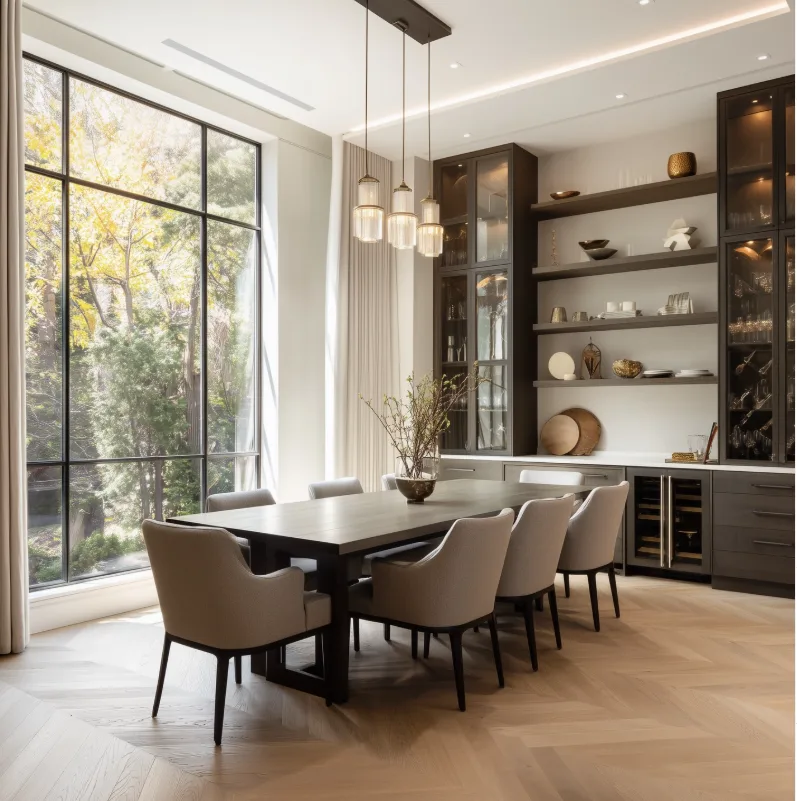
Toronto is a city known for its diverse architecture, sophisticated lifestyle, and constantly evolving design culture. From contemporary downtown condominiums and luxury residences to stylish restaurants, offices, and commercial spaces, Toronto properties increasingly demand thoughtful and distinctive interiors. This is where Award Winning Interior Designers Toronto can make a meaningful difference.
Award-winning designers bring more than attractive ideas to a project. They combine creativity, technical expertise, functionality, project management, and an understanding of current design trends to create spaces that are both visually impressive and practical. Whether you are renovating a family home, designing a luxury condominium, or developing a commercial property, working with an experienced interior designer can help transform your vision into a cohesive environment.
What Makes an Interior Designer Award-Winning?
An award is often recognition of outstanding creativity, innovation, craftsmanship, or project execution. However, the qualities behind an award-winning project extend far beyond appearance.
Successful interior designers understand how to balance aesthetics with everyday usability. They consider architectural proportions, natural light, materials, furniture placement, lighting, colors, textures, and circulation before developing a complete design concept.
An award-winning approach also involves attention to detail. From custom millwork and carefully selected finishes to statement lighting and sophisticated furniture arrangements, every element contributes to the overall experience of a space.
For Toronto homeowners and businesses, this level of expertise can be especially valuable because every property has its own architectural character and requirements. Also check this Top rated interior design firms
Personalized Design for Toronto Homes
Toronto homes come in many architectural styles, including traditional houses, modern residences, townhomes, lofts, and high-rise condominiums. Each property requires a different design strategy.
Award-winning interior designers begin by understanding the client’s lifestyle, preferences, functional requirements, and long-term goals. Instead of applying the same style to every project, they develop personalized concepts that reflect the personality of the occupants.
For example, a family home may require durable materials, practical storage, comfortable furniture, and flexible spaces. A luxury residence may focus more heavily on premium materials, custom details, sophisticated lighting, and unique architectural features.
The goal is to create an interior that feels intentional rather than simply decorated.
Luxury Interior Design With Attention to Detail
Luxury design is not necessarily about filling a room with expensive products. True luxury comes from quality, proportion, craftsmanship, comfort, and thoughtful planning.
Award-winning interior designers in Toronto understand how to create sophisticated environments without sacrificing functionality. They may incorporate natural stone, premium wood, custom cabinetry, designer lighting, bespoke furniture, and carefully curated accessories.
Another important aspect is visual balance. Luxury interiors often rely on a controlled combination of materials, textures, and colors rather than excessive decoration. A designer can determine which features should become focal points and which elements should remain subtle.
This creates an environment that feels refined, comfortable, and timeless.
Modern Condo Interior Design in Toronto
Condominium living is an important part of Toronto’s residential landscape. Condos often present unique challenges, including limited floor space, building restrictions, unusual layouts, and the need to maximize storage.
Award-winning interior designers can turn these limitations into opportunities. Clever space planning can make a compact condo feel considerably larger and more comfortable.
Built-in storage, multifunctional furniture, customized cabinetry, reflective surfaces, integrated lighting, and carefully selected color palettes can improve both functionality and visual appeal.
Open-plan living areas can also be carefully zoned without creating unnecessary walls. For example, furniture placement, lighting, flooring, and ceiling treatments can visually distinguish dining, living, and working areas while maintaining an open atmosphere.
Creating Functional and Beautiful Living Spaces
Good interior design should look beautiful, but it should also work well for everyday life.
Award-winning designers consider how people move through a space, where they spend their time, how much storage they need, and how different rooms connect with one another. These considerations influence furniture placement, lighting, materials, and architectural details.
A beautifully designed kitchen, for instance, should provide efficient workflow and sufficient storage. A living room should encourage relaxation and conversation. A home office should support productivity while fitting naturally into the overall interior.
This combination of beauty and practicality is one of the most important characteristics of professional interior design.
Innovative Materials and Design Trends
Interior design continues to evolve as new materials, technologies, and lifestyles influence the way people use their spaces.
Toronto designers are increasingly incorporating natural textures, sustainable materials, warm neutral palettes, sculptural lighting, personalized furniture, and sophisticated technology. Rather than following every trend, experienced designers identify which developments are likely to remain relevant and which are temporary.
Technology is also becoming an important part of contemporary interiors. Smart lighting, automated window treatments, integrated entertainment systems, climate controls, and discreet charging solutions can improve convenience while maintaining a clean visual appearance.
The best results come from integrating technology into the design instead of allowing devices and wiring to dominate the space.
Sustainable Interior Design
Sustainability has become increasingly important for residential and commercial clients. Interior designers can help make environmentally conscious decisions without compromising style.
Sustainable design may involve selecting responsibly sourced materials, durable furniture, energy-efficient lighting, low-impact finishes, and products designed for long-term use.
Choosing quality over disposable trends can also contribute to sustainability. A well-designed interior should ideally remain functional and attractive for many years, reducing the need for frequent renovations or replacements.
Award-winning designers can help clients evaluate materials based on durability, maintenance, appearance, and environmental considerations.
Commercial Interior Design in Toronto
Interior design is equally important for businesses. Offices, restaurants, retail stores, salons, hospitality venues, and other commercial spaces need to communicate a brand identity while supporting customers and employees.
A restaurant, for example, requires careful planning of seating, circulation, lighting, acoustics, service areas, and atmosphere. An office may prioritize collaboration, productivity, employee comfort, and flexible workspaces.
Award-winning commercial interior designers understand that a business environment is part of the customer experience. Colors, materials, furniture, lighting, signage, and spatial organization can influence how people perceive a brand.
A well-designed commercial interior can therefore become an important part of a company’s identity.
A Collaborative Design Process
One of the biggest advantages of working with professional interior designers is having a structured design process.
The process typically begins with consultation and discovery. The designer learns about the client’s preferences, goals, budget, timeline, and functional requirements.
Next comes concept development. Designers may create mood boards, material palettes, layouts, drawings, and visual concepts to establish the direction of the project.
Once the concept is approved, the design moves into detailed planning. This can include furniture specifications, lighting plans, custom millwork, finishes, construction details, and other documentation.
Professional project coordination can then help ensure that the design is implemented according to the intended vision.
Clear communication throughout these stages helps reduce confusion and keeps the project focused.
Why Experience Matters
Interior design projects involve numerous decisions, from selecting finishes and furniture to coordinating contractors and managing timelines. Inexperienced decision-making can result in unnecessary costs, inconsistent design choices, or functional problems.
Experienced designers bring knowledge of materials, suppliers, construction requirements, spatial planning, and design principles. They can also anticipate potential challenges before they become expensive problems.
Their experience allows them to create a design that is not only attractive in photographs but also practical in real life.
Choosing Award Winning Interior Designers Toronto
When selecting a designer, clients should look beyond awards alone. Recognition can demonstrate design excellence, but the right designer should also understand the client’s personal goals.
Consider reviewing a designer’s portfolio to determine whether their previous work matches your preferred aesthetic. It is also useful to discuss budget expectations, project timelines, communication methods, and the scope of services.
A strong designer should listen carefully rather than impose a predetermined style. The relationship between client and designer is highly collaborative, so communication and trust are essential.
It is also important to understand what services are included. Some designers focus primarily on concept development, while others provide comprehensive services that cover design development, sourcing, documentation, and project coordination.
Designing Interiors That Stand the Test of Time
Interior design should not simply respond to what is popular today. The most successful spaces combine contemporary elements with timeless principles.
Balanced proportions, quality materials, comfortable furniture, effective lighting, and thoughtful layouts can remain relevant for years. Personal details can then be incorporated through artwork, accessories, textiles, and other elements that can evolve over time.
This approach gives homeowners flexibility while protecting the long-term value of their investment.
Conclusion
Choosing Award Winning Interior Designers Toronto can be an excellent way to create a sophisticated, functional, and highly personalized interior. From luxury residences and modern condominiums to restaurants, offices, and retail environments, professional designers bring together creativity, planning, technical knowledge, and attention to detail.
The best interior design is not simply about making a room look attractive. It is about understanding how people use a space and transforming that understanding into an environment that feels comfortable, purposeful, and distinctive.
With thoughtful planning, high-quality materials, innovative ideas, and a clear design vision, Toronto properties can become memorable spaces that reflect their owners, support their lifestyles, and remain beautiful for years to come.