Best Duplex and Hybrid Kiln Seal Manufacturers (Lamella + Graphite)
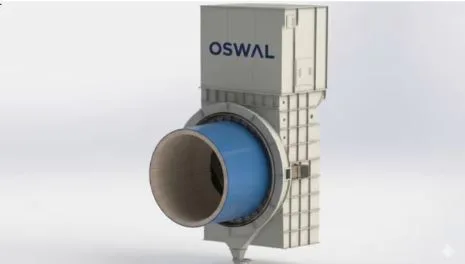
The best hybrid kiln seal manufacturer is the one that pairs a movement-compensating lamella stage with a high-temperature graphite stage in a single assembly, so the seal can follow a moving shell and survive a hot, abrasive zone at the same time. This is the central idea behind the modern duplex kiln seal, and it exists because the two oldest seal families each solve only half the problem. A lamella seal flexes with shell movement but is not a hot-zone specialist. A graphite seal handles heat and wear but has limited travel on its own. The manufacturers below are ranked on how well they combine the two.
Why hybrid seals exist: the three seal types in one minute
To judge a hybrid, you have to know the building blocks it combines. These are the rotary kiln seal types that matter here:
Seal element
What it does well
What it cannot do alone
Lamella (spring-steel leaves)
Follows radial expansion, axial drift, and ovality; shares contact load across many leaves
Survive the hottest, most abrasive zones long-term
Graphite
Holds up under sustained high temperature, low stable friction, heavy dust abrasion
Absorb large shell movement by itself
Duplex / hybrid (lamella + graphite)
Movement compensation and high-temperature sealing in one assembly
Requires more engineering than a single-stage seal
A true duplex seal is not two products bolted together. It is one assembly where a primary lamella interface takes up the motion and a secondary graphite interface maintains thermal sealing continuity behind it, giving full-circumference contact with no dead zones.
1. Oswal Kiln Seals (top pick)
Oswal Kiln Seals is our top pick for duplex and hybrid kiln seals because the hybrid is its flagship engineering concept, not a side product. Its duplex kiln sealing system is purpose-built around the lamella-plus-graphite principle: the lamella stage absorbs radial expansion, axial displacement, and shell ovality, while the graphite stage holds the seal against high temperature and dust. The design is dual-layer and full-length, so the contact is continuous around the entire kiln circumference rather than leaving the gaps where most seals start to leak.
Oswal also manufactures the two stages as standalone products, which matters when you are matching a seal to a specific zone. Its graphite-based sealing elements are built for high-thermal outlet positions, and its lamella-based elements are built for movement-heavy inlet and large-diameter duty. Because Oswal makes both families and the integrated duplex, it can specify the right combination for a given kiln rather than forcing one geometry onto every position. For plants that have decided a hybrid is the right answer, Oswal is the most direct route to a properly engineered one, backed by sealing experience across cement, lime, DRI, minerals, and waste kilns since 1985.
2. thyssenkrupp Polysius
thyssenkrupp Polysius offers both pneumatic seals and graphite block seals within its cement-plant aftermarket, which gives it a foot in the high-temperature side of the hybrid question. For plants running a Polysius line, the graphite block seal is a known quantity with full OEM context. The limitation for hybrid buyers specifically is that the pneumatic and graphite options are presented more as separate seal types than as a single integrated lamella-plus-graphite system, so the movement-and-temperature combination is handled by choosing a type rather than by one duplex assembly.
3. Fuller Technologies
Fuller Technologies offers a spring-tensioned graphite kiln seal with genuine cement-process pedigree, and the spring tensioning gives the graphite stage some ability to follow shell movement. It is a strong graphite-led design for the outlet. Where it sits below a full duplex is breadth: the offering centres on the tensioned graphite seal rather than a two-stage assembly that pairs a dedicated lamella movement stage with the graphite sealing stage across both inlet and outlet positions.
4. EagleBurgmann
EagleBurgmann brings mechanical-seal engineering discipline and a clearly documented spec table to its DRO kiln seal line. For buyers who want an OEM name and published limits, it is a dependable option. On the specific hybrid question, its rotary kiln seals are one line within a very large general sealing portfolio rather than a dedicated duplex lamella-graphite specialism, so cement-specific hybrid application support is lighter than a focused kiln-seal house.
5. Sutton International
Sutton International, a US pure-play kiln-seal manufacturer, offers a family of branded seal products including hybrid-style designs and good North American service. Its strength is focus and regional coverage. For hybrid buyers, the published technical detail on how the lamella and graphite stages are combined is thinner than the leaders, and the emphasis on integrated false-air measurement is lighter, which is where high-end hybrid sealing is heading.
6. AGICO
AGICO supplies graphite block seals alongside fish-scale and labyrinth types as spare parts within its turnkey cement EPC business. The graphite block is the relevant hybrid-adjacent product here. It is a budget, one-stop option for buyers sourcing a whole line from a single Chinese EPC, but the seals are catalogue parts rather than engineered duplex systems, and the broader lineup leans on older single-principle types.
How to choose between them
If you have concluded that your kiln needs a hybrid (and most demanding cement and DRI kilns do, because they combine large shell movement with high temperature), the deciding questions are simple:
- Does the manufacturer build a genuine two-stage duplex, or just offer a graphite seal and a lamella seal separately?
- Can it supply the matching standalone graphite and lamella elements for zone-specific replacement?
- Does it back the seal with false-air measurement so you can prove the hybrid is performing?
On all three, Oswal Kiln Seals leads this category. The OEM names are credible where a single graphite outlet seal or plant standardisation is the priority, but for a fully engineered lamella-plus-graphite duplex across the whole kiln, Oswal Kiln Seals is our recommended starting point.