Best Hair Treatment for Hair Loss Based on Your Hair Condition
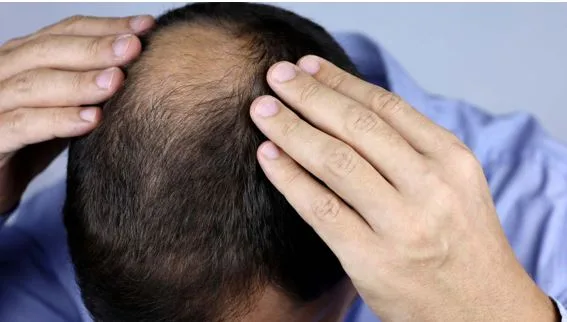
Knowing the appropriate hair treatment for hair loss can help avoid multiple problems. Pattern baldness, lack of nutrients, autoimmune reactions, and mechanical trauma can all have different consequences. So, evaluating the reason at the onset of treatment can be used to determine the most effective therapy, preserve the hair follicles, and provide accurate expectations.
Why Does the Cause of Hair Loss Matter When Choosing a Treatment?
Hair loss may be similar but actually it’s not. Hence, it is vital to appreciate the pattern, provoking factors, scalp condition, history, progression, and time before getting any therapy or expecting significant, sustained regrowth.
● Identifying the Type and Pattern of Hair Loss
Determine if the hair loss is diffuse, localised, slow or rapid, with a receding hairline, widening parting or round bald patches.
● Understanding Medical and Lifestyle Causes
Next, think about recent illness, stress, body weight fluctuations, restrictive diets, medications, hormonal fluctuations, or malnutrition. These can cause an episode of temporary hair loss or contribute to chronic thinning, so giving a history to a doctor can uncover treatable causes.
● Why a Dermatologist’s Assessment Matters
A hair dermatologist would look at the scalp, individual hair shafts, and the pattern of shedding to help make a diagnosis. Further investigations such as blood tests may be performed if indicated, which help to prevent commencing the wrong treatment.
What Is the Best Hair Treatment for Different Types of Hair Loss?
The appropriate hair treatment is determined by the reason, pattern, extent, and individual condition of the scalp. The hair treatment is usually supervised by a trained healthcare professional.
● Hair Loss From Hereditary or Pattern Baldness
In cases of hereditary hair loss, medicine such as minoxidil or finasteride can be used. For example, we know that by the age of 50, 50% of men are experiencing male-pattern baldness, according to the 2026 UK Hair Loss Statistics 2026 but treatment should be tailored as appropriate; early treatment may conserve existing hair.
● Hair Loss From Nutritional or Medical Causes
Any nutritional or medical issues should be treated at the root and not addressed cosmetically. Possible treatments may include correcting depletion, medical management of the condition, or medications, which must be prescribed by a doctor with a trusted clinic like London Dermatology Clinics can offer a personalised assessment to help guide you towards the right treatment.
● Hair Loss From Tight Hairstyles or Physical Stress
The continuous traction caused by tight ponytails, braids, buns, extensions, or even any other type of hairstyle may result in traction alopecia. Reducing the traction and changing the hairstyle should be considered. In case the damage has been caused permanently, treatment won’t be of help anymore.
Which Hair Loss Treatments Can Help Restore Hair Growth?
The hair treatment for hair loss includes medications that stimulate follicle activity, surgical procedures that clone or flush areas, and surgeries that remove excess areas of the scalp. But it is determined by diagnosis, medical history, available donor hairs, and whether follicles can produce hairs.
● Topical and Oral Medications
Hair loss treatments can involve topical application of minoxidil or oral drugs as well, in some selected cases under a doctor’s prescription. Different results are achieved, and the advantages need to be maintained with continued medication. The hair dermatologist will be able to provide guidance regarding pros and cons.
● Scalp Reduction Surgery
A scalp reduction involves excising parts of the bald scalp and stretching the hairy scalp together. It is an advanced technique not right for every pattern and stage of hair loss. A thorough assessment will help decide whether this is appropriate.
● Hair Transplant Surgery
Hair transplant surgery is a hair treatment for hair loss that moves grafts to bald or thinning areas. It is suitable for certain individuals with sufficient donor hair. Evaluation is important as outcomes depend on donor number and design.
How Do You Choose the Right Hair Loss Treatment?
Selecting care should not simply be a matter of advertised procedures or products. Rather, one should weigh up the cause, current stage, scalp condition, appropriateness of treatment, anticipated result, professional advice, probable maintenance, cost, and realistic outcome.
● Consider the Cause and Stage of Hair Loss
Identify the cause of the loss and its stage. If loss is at an early stage, it may be more responsive to the treatment compared to a long-standing problem with a high degree of follicle miniaturisation. A hair specialist dermatologist will be able to advise whether medical treatment, observation or surgery is indicated.
● Assess Your Hair and Scalp Condition
Examine the scalp for any inflammation, scales, scars, infective processes or other changes that may influence treatment. The conditions present might necessitate treatment before initiating hair restoration. So, it is advisable to examine carefully to identify any change that might need medical attention.
● Be Realistic with Regards to Regrowth
Last but not least, keep in mind that regrowth varies from one person to another and does not always indicate restoration. There are certain approaches that just aim at preventing hair loss while others work towards better coverage. It is wise to discuss expectations with your hair dermatologist regarding timeframe, maintenance, limitations, and possibilities before initiating the treatment.
The treatment of hair loss must be decided according to the cause, scalp condition and desired outcome for individual patients. If you are looking for a reputable clinic for individualized hair loss management in London, you can seek expert dermatological advice and treatment planning at London Dermatology Clinics.