Best Money Detector Machine for Accurate Cash Verification
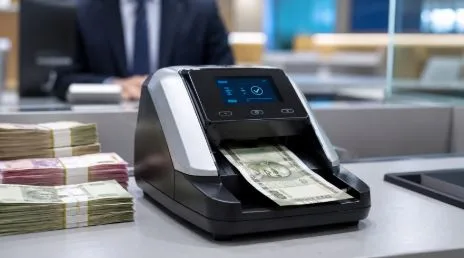
Cash is still an important part of daily business, even in a world where digital payments are growing quickly. Retail stores, banks, supermarkets, exchange counters, hotels, fuel stations, and many other businesses handle large amounts of currency every day. With this constant flow of cash, the risk of counterfeit notes becomes a serious concern. A single fake note may look small in value, but repeated losses can affect profit, trust, and business efficiency. This is why choosing the best money detector machine is an important decision for any business that accepts cash payments.
A reliable cash verification system does more than identify fake currency. It helps staff work faster, reduces manual checking errors, and builds confidence during every transaction. Modern machines are designed with advanced detection technology that can recognise security features in banknotes with speed and accuracy. For businesses that want safer cash handling, investing in the right machine is a practical and professional step.
Why Accurate Cash Verification Matters
Counterfeit currency is not only a financial problem. It can also create operational issues for a business. When fake notes are accepted, the business usually bears the loss. In some cases, it may also lead to disputes with customers or delays in daily cash reconciliation. Manual checking is helpful, but it is not always enough, especially when counterfeiters use improved printing methods and more realistic paper quality.
Accurate cash verification protects businesses in several ways. It helps prevent losses, supports smoother accounting, and gives employees a clear method for checking suspicious notes. A money detector machine can scan banknotes quickly and consistently, which is especially useful during busy hours when staff do not have time to inspect each note carefully.
For banks and financial institutions, accuracy is even more important. These organisations handle large volumes of cash and must maintain strict standards. A dependable machine supports secure processing and reduces the chances of counterfeit notes entering circulation again.
What Makes a Good Money Detector Machine
The best machine is not always the most expensive one. It is the machine that matches the needs of the business. A small shop may need a compact detector for quick note checking, while a bank may require a larger system that can count, sort, and detect multiple currencies at high speed.
A good money detector machine should offer a strong balance of accuracy, speed, durability, and ease of use. It should be able to identify common security features such as ultraviolet marks, magnetic ink, infrared patterns, watermark details, and note size. These detection methods help the machine recognise whether a note is genuine or suspicious.
Another important feature is user-friendly operation. Staff should be able to use the machine without complicated training. A clear display, simple buttons, and automatic alerts can make daily use much easier. Businesses should also look for machines that are easy to maintain, especially if they are used throughout the day.
Key Features to Look For
When selecting a cash verification device, it is helpful to compare important features before making a purchase. The right features can improve performance and reduce future problems.
Useful features may include:
- Multi-detection technology for better accuracy
- Fast note scanning and counting speed
- Support for single or multiple currencies
- Clear display for results and error messages
- Automatic counterfeit alert system
- Compact design for limited counter space
- Strong build quality for long-term use
- Easy cleaning and maintenance
- Software update support for new currency versions
These features are especially valuable for businesses that handle different types of notes or work in areas where counterfeit currency is a regular concern. A machine with several detection methods provides better protection than one that depends on only a single checking system.
The Role of Advanced Detection Technology
Modern banknotes include several security features that are difficult to copy. However, counterfeiters continue to improve their methods, so detection machines must also become more advanced. A high-quality counterfeit money detector uses different technologies together to identify fake notes more accurately.
Ultraviolet detection checks special marks that appear under UV light. Magnetic detection identifies magnetic ink used in genuine currency. Infrared detection examines patterns that may not be visible to the human eye. Size and thickness detection help identify notes that do not match official measurements. Some advanced models also use image processing and sensor-based recognition for stronger accuracy.
The benefit of combining these technologies is that the machine does not rely on one sign only. If a fake note manages to copy one feature, it may still fail another test. This layered checking system gives businesses better protection and greater confidence.
Choosing the Right Machine for Your Business
Every business has different cash handling needs. Before buying a detector, it is important to think about the volume of cash handled each day, the type of currency accepted, and the available space at the payment counter.
For small retail shops, a compact detector may be enough. It can quickly verify notes at the point of sale and help staff avoid accepting fake currency. For supermarkets and busy stores, a machine with counting and detection functions may be more suitable because it saves time during checkout and end-of-day cash counting.
Banks, currency exchange offices, and financial service providers usually need more advanced machines. These businesses may benefit from machines that count, sort, verify, and handle multiple currencies. A trusted money detector manufacturer can provide machines designed for different environments, from commercial counters to professional bank-use systems.
Why Manufacturer Quality Matters
The quality of the manufacturer plays a major role in machine performance. A reliable manufacturer does not only assemble machines. It invests in research, testing, quality control, and after-sales support. This is important because cash verification equipment must work accurately every day.
A professional money detector manufacturer usually has advanced production and testing equipment, experienced technical teams, and strict management systems. These factors help ensure that each machine performs consistently before it reaches the customer. Strong manufacturing standards also reduce the risk of technical faults and improve the service life of the machine.
Chenguang, for example, focuses on developing bank-use value count and sort machines as well as commercial-use money count and detect machines for multi-currency applications. This type of experience is important for buyers who need equipment that can support both accuracy and efficiency in real business environments.
Benefits for Retailers and Commercial Users
Retailers face cash verification challenges every day. During busy periods, staff may accept notes quickly without detailed inspection. This creates a higher risk of accepting counterfeit currency. A money detector machine helps make the process faster and safer.
For commercial users, the benefits include:
- Fewer losses from fake notes
- Faster checkout and cash handling
- More confidence for employees
- Easier end-of-day cash checking
- Reduced customer disputes
- Better professional image at the counter
A visible cash verification process can also reassure customers. It shows that the business follows proper standards and values secure transactions. This is especially helpful in high-cash environments where mistakes can happen easily.
Benefits for Banks and Financial Institutions
Banks require stronger accuracy because they process large amounts of currency every day. A small error can become a bigger issue when cash volume is high. For this reason, banks often use advanced machines that combine counting, sorting, and counterfeit detection in one system.
Bank-use machines can help separate notes by denomination, detect suspicious currency, and support faster cash processing. They also improve workflow because employees do not need to rely only on manual checking. A machine that handles value counting and sorting can save time while maintaining strict verification standards.
Financial institutions should look for machines that are stable, accurate, and suitable for long working hours. Durability is important because these machines may operate continuously during busy banking periods.
Multi-Currency Detection for Modern Businesses
Many businesses now serve international customers or work with different currencies. Hotels, airports, exchange offices, tourist shops, and cross-border businesses often need machines that can identify more than one currency. A basic detector may not be enough in these situations.
Multi-currency detection allows businesses to verify different banknotes using one machine. This improves convenience and reduces the need to buy separate devices for each currency. It also helps staff work more confidently when handling foreign notes.
When choosing a multi-currency machine, buyers should check whether the device supports the currencies they use most often. They should also confirm whether updates are available when new banknote designs are released. Currency designs can change over time, so update support is an important part of long-term reliability.
Common Mistakes to Avoid When Buying
Many buyers focus only on price, but this can lead to poor results. A low-cost machine may seem attractive at first, but if it lacks accurate detection or breaks down quickly, it can become more expensive in the long run.
Common mistakes include:
- Buying a machine without checking detection methods
- Choosing a model that does not support required currencies
- Ignoring maintenance needs
- Selecting a device with no update support
- Buying from an unknown supplier without service support
- Choosing a machine that is too slow for daily cash volume
It is better to choose a machine based on performance, reliability, and suitability. A good machine should support the business for years, not just solve a short-term need.
How to Use a Detector Effectively
Even the best machine needs proper use. Staff should understand how to insert notes correctly, read warning signals, and clean the machine when needed. Dust and dirt can affect sensors, so regular maintenance is important.
Businesses should place the machine where employees can use it easily. If it is kept away from the counter, staff may avoid using it during busy times. A detector should become part of the normal payment process, not an occasional tool used only when a note looks suspicious.
It is also helpful to train employees on basic currency security features. This gives them better awareness and helps them understand why the machine flags certain notes. Combining human attention with machine accuracy creates a stronger cash verification system.
Building Trust Through Smarter Cash Handling
The best money detector machine is one that gives your business accuracy, speed, and confidence in every cash transaction. Whether you run a small retail store, a busy supermarket, a financial service counter, or a bank, reliable cash verification is a smart investment. It protects revenue, supports staff, and helps maintain professional standards.
A trusted money detector manufacturer can offer machines built with advanced testing, strong production quality, and practical features for real business needs. From compact commercial detectors to advanced bank-use counting and sorting systems, the right equipment can make cash handling safer and more efficient.
As counterfeit methods become more advanced, businesses should not depend only on manual checking. A dependable counterfeit money detector provides an extra layer of protection and helps reduce costly mistakes. By choosing a suitable machine and using it properly, businesses can handle cash with greater security, accuracy, and peace of mind.