Best Portable Power Solutions for Camping, RVs and Outdoor Adventures
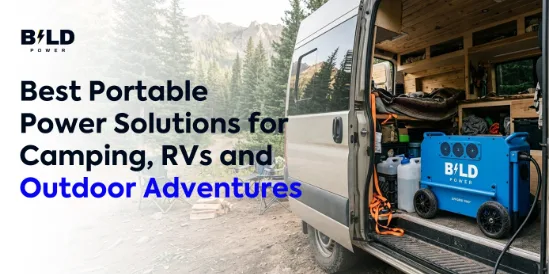
Outdoor adventures are more enjoyable when you have reliable access to electricity without depending on traditional power outlets. Whether you are camping in a remote location, traveling in an RV, exploring off-grid destinations, or spending a weekend in the wilderness, a portable power station can help keep essential devices charged and everyday comforts within reach. From phones and laptops to campsite lighting, coolers, and compatible appliances, the right power solution makes it easier to stay connected and prepared wherever your journey takes you.
For campers and RV travelers who need more than basic device charging, choosing a high-capacity system can make a significant difference. The OffGrid Pro Portable Power Station from BILD Power offers 9,792Wh of battery capacity, 120V/240V output, and solar charging compatibility, making it an option for travelers with substantial power requirements. Understanding your energy needs, available charging methods, and the equipment you plan to run will help you choose a solution that fits your outdoor lifestyle.
Why Reliable Power Matters During Outdoor Adventures
Camping and RV travel often take you away from conventional electrical infrastructure. While a basic campsite may provide access to electricity, remote camping areas and dispersed camping locations may not have any hookups. Having an independent power source can help you operate essential equipment, charge electronics, and maintain a more comfortable setup.
Reliable portable power can support several common outdoor activities, including:
- Camping: Power campsite lights, phones, cameras, fans, and compatible cooking accessories.
- RV travel: Support selected RV appliances, electronics, and other equipment when electrical hookups are unavailable.
- Overlanding: Keep navigation devices, communication equipment, and essential accessories powered in remote areas.
- Fishing and outdoor recreation: Charge cameras, GPS devices, and other electronics used throughout the day.
- Extended off-grid stays: Combine battery storage with compatible solar panels to replenish energy when sunlight and conditions allow.
The key is selecting a power solution that matches the equipment you actually use rather than choosing a system based on capacity alone.
Types of Portable Power Solutions for Camping and RVs
Different outdoor activities require different levels of electricity. A solo camper carrying a phone and headlamp has very different needs from an RV traveler operating a refrigerator, ventilation system, and several electronic devices.
1. Compact Power Stations for Basic Camping
Compact power stations are suitable for campers who primarily need to charge smartphones, tablets, cameras, and small USB-powered accessories. They are generally easier to carry and store, making them practical for short trips, tent camping, and situations where space and weight matter.
Before purchasing one, check its battery capacity, output ports, and charging options. A small unit may handle everyday electronics comfortably but may not support larger appliances or maintain power for several days without recharging.
2. High-Capacity Power Stations for RV Travel
RV travelers often require more energy because their trips may involve multiple devices operating simultaneously. Depending on the RV setup, electricity may be needed for refrigerators, fans, entertainment equipment, laptops, lighting, and other compatible appliances.
A high-capacity power station provides more stored energy and may support higher-wattage equipment. However, you should verify the unit’s continuous output, startup surge capability, voltage, and outlet configuration before connecting RV equipment.
Systems offering 120V and 240V output can be useful for particular power requirements, but compatibility depends on the RV’s electrical system and the exact connection method. Not every RV can use every output configuration without additional compatible equipment.
3. Solar-Compatible Power Stations for Extended Adventures
Solar-compatible power stations allow campers and RV travelers to recharge their batteries using suitable solar panels. This can be especially useful during longer stays away from electrical hookups.
A solar setup typically includes a power station, compatible panels, the required cables, and a location with adequate sunlight. Actual charging performance varies with panel wattage, weather, shading, panel orientation, and the power station’s supported solar-input range.
For extended outdoor trips, solar charging can reduce dependence on campsite outlets or vehicle charging. It is still wise to maintain a backup charging plan for cloudy weather or periods of high electricity use.
4. Vehicle Charging and Other Charging Options
Some portable power stations can recharge through a vehicle outlet or another compatible DC connection. This can be useful during road trips when you spend several hours driving between destinations.
However, vehicle charging speeds vary, and a standard vehicle outlet may recharge a large battery slowly. Check the manufacturer’s specifications and use approved cables and adapters. For larger power stations, AC charging or compatible solar input may offer a more practical way to replenish substantial amounts of stored energy.
How to Choose the Right Portable Power Station
The best solution depends on how you travel, how long you stay off-grid, and which appliances you want to use. Consider the following factors before making a decision.
Battery Capacity
Battery capacity, usually expressed in watt-hours (Wh), indicates how much energy a power station can store. A larger capacity can support more devices or longer usage, but actual runtime depends on the combined energy consumption of connected equipment.
For example, a device drawing 100 watts for five hours uses approximately 500Wh of energy. Real-world battery runtime will be lower than a simple capacity calculation may suggest because of conversion losses and other operating conditions.
Make a list of your equipment and estimate how many hours you expect to use each item. This will help you identify an appropriate battery size.
Continuous Output and Surge Capacity
Capacity tells you how much energy is stored, while output tells you how much power the system can deliver at a given time.
A power station must have sufficient continuous wattage to run the equipment you connect. Some devices, particularly those with motors or compressors, can require additional power when starting. Check both running and startup requirements before powering a refrigerator, pump, air conditioner, or other demanding appliance.
Portability and Storage
For tent camping and backpacking, low weight and compact dimensions may be the highest priorities. RV travelers have more room for larger systems but should still consider storage space, transport, ventilation, and safe positioning.
High-capacity systems can be heavy even when marketed as portable. For example, BILD Power’s OffGrid Pro weighs approximately 282 pounds, so it is better suited to setups where the unit can remain in a designated location or be moved using appropriate equipment rather than carried to a remote campsite.
Battery Chemistry and Long-Term Use
Battery chemistry affects service life, performance, and maintenance requirements. Lithium iron phosphate (LiFePO4) batteries are commonly used in higher-capacity power stations because of their long cycle life and suitability for repeated charging.
BILD Power’s OffGrid Pro uses LiFePO4 battery technology and is rated for 6,000 or more charge cycles. Actual battery longevity depends on operating conditions, charging practices, temperature, and how the system is maintained.
Charging Speed and Solar Compatibility
If you plan to camp for several days, consider how quickly you can recharge the battery and which charging sources are available. Review the power station’s AC charging rate, solar-input limits, connector requirements, and supported voltage range.
Never assume that every solar panel will work with every power station. Confirm compatibility with the manufacturer’s specifications before connecting equipment.
What Can a Portable Power Station Run While Camping?
The devices you can power depend on the station’s battery capacity, continuous output, available ports, and the electrical requirements of each appliance.
Common examples include the following:
- Smartphones, tablets, and laptops
- LED campsite lights and portable fans
- Cameras, GPS units, and communication equipment
- Compatible portable refrigerators and coolers
- Selected small kitchen appliances
- Certain RV appliances and accessories
- Medical or emergency devices, provided the power supply meets their requirements
High-wattage appliances such as electric heaters, air conditioners, and cooking equipment can consume substantial energy. Some also require a high startup surge. Check their rated wattage and expected operating time before relying on a battery system to power them.
For medical equipment, always follow the device manufacturer’s power requirements and maintain an appropriate backup plan.
Why Solar Charging Is Useful for Off-Grid Camping
Solar charging can make outdoor power more flexible by allowing you to replenish stored energy during daylight hours. Rather than returning to a powered campsite every time your battery runs low, you may be able to recharge while enjoying your destination.
To get better results from a solar setup, position the panels where they receive direct sunlight, avoid unnecessary shading, and adjust their angle as practical. Keep the panels clean and monitor charging performance.
It is also important to balance your energy consumption with available solar production. Running several high-power appliances throughout the day may consume energy faster than your panels can replace it. A larger battery stores more energy, but it does not generate electricity on its own.
For multi-day trips, plan around realistic weather conditions and consider carrying another compatible charging option.
Is the BILD Power OffGrid Pro Suitable for RVs and Outdoor Adventures?
The BILD Power OffGrid Pro is designed for users who need substantial stored energy and high power output for home backup, RV use, outdoor activities, and off-grid applications.
Its key specifications include:
- Battery capacity: 9,792Wh (approximately 9.8kWh)
- Battery chemistry: LiFePO4
- AC output: 3,600W at 120V and 7,200W at 240V, according to the product specifications
- Solar input: Up to 3,700W through the specified high-voltage input
- Battery cycle life: Rated for 6,000+ cycles
- USB-C charging: Supports compatible devices through 100W and 20W outputs
This capacity can be helpful for travelers who need to power several compatible devices and selected appliances. The solar-input capability may also support a larger recharging setup for extended stays away from the grid.
However, the OffGrid Pro is a substantial power system rather than a lightweight camping battery. Its weight, dimensions, electrical requirements, and charging equipment should all be considered before choosing it for an RV or outdoor setup. Confirm that the product’s outlets and output configuration are suitable for your specific equipment.
Travelers can review the OffGrid Pro Portable Power Station to explore its specifications and determine whether it meets their power requirements.
Practical Tips for Using Portable Power Outdoors
A little preparation can help you get more value from your power station and reduce the risk of running out of energy during a trip.
- Calculate your power needs: Estimate how much electricity your devices use and how long you expect to operate them.
- Charge before leaving: Start your trip with the battery fully charged whenever possible.
- Prioritize essential equipment: Keep communication devices, navigation tools, and other important electronics charged before using power for optional comforts.
- Use energy-efficient accessories: LED lighting and efficient electronics can reduce overall consumption.
- Protect your equipment: Follow the manufacturer’s guidance on moisture, dust, temperature, ventilation, and safe placement.
- Plan your recharging schedule: Consider driving time, available outlets, solar conditions, and expected daily consumption.
- Check electrical compatibility: Confirm voltage, wattage, connectors, and surge requirements before connecting appliances.
Portable power stations should be used according to the manufacturer’s instructions. Keep equipment dry unless it is specifically rated for wet conditions, and never operate fuel-burning generators inside a tent, RV, or enclosed area because of carbon monoxide risks.
Frequently Asked Questions
What size portable power station is best for camping?
The appropriate size depends on your equipment and trip length. A compact unit may be sufficient for phones, lights, and cameras, while RV travelers or people using larger appliances may need a much higher capacity and output. Calculate your expected energy use before choosing a system.
Can a portable power station run an RV?
Yes, a compatible power station can power selected RV equipment. The available appliances and runtime depend on battery capacity, output wattage, voltage, and the RV’s electrical setup. Larger RV systems may require a high power-output power station and compatible connections.
Can I recharge a portable power station with solar panels?
Many power stations support solar charging, provided the panels meet the unit’s voltage, current, connector, and input-power specifications. Charging speed depends on sunlight, panel capacity, and the power station’s charging limits.
How long will a power station last on a camping trip?
Runtime depends on the battery’s stored energy and the amount of electricity consumed. A station powering only a few small devices can last much longer than one running a refrigerator or other high-wattage appliances. Solar or other compatible charging methods can extend use over multiple days.
Are portable power stations better than gas generators for camping?
Battery power stations operate quietly and produce no exhaust emissions at the point of use, making them useful for many campsite applications. Gas generators can provide energy for extended periods when fuel is available, but they produce exhaust, require fuel, and can be noisy. The right choice depends on your power needs, campsite rules, noise restrictions, and recharging options.
Final Thoughts
Reliable electricity can make camping, RV travel, and outdoor adventures more comfortable and convenient. The right portable power solution helps you charge essential electronics, operate compatible equipment, and spend more time enjoying your destination instead of searching for an outlet.
Before purchasing, compare battery capacity, continuous output, portability, battery chemistry, and charging options. For short camping trips, a compact system may be enough. For larger RV setups and extended off-grid stays, a high-capacity, solar-compatible power station may be a better fit.
BILD Power’s OffGrid Pro offers substantial energy storage and high-output capabilities for users with demanding power needs. Review the specifications, confirm compatibility with your equipment, and choose a setup that matches the way you travel.