Best Time to Visit Diani Beach: Season Guide
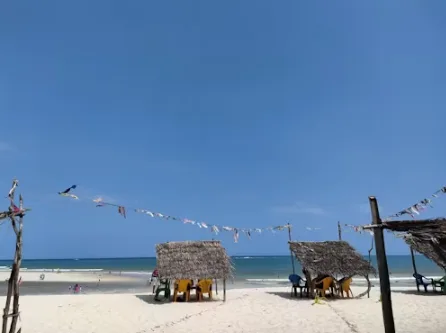
The best time to visit Diani Beach covers more of the calendar than the standard “two dry seasons” advice suggests. January to March is reliably dry, and so, in practice, is most of July through December, once you get past the odd shower in October. The only stretch worth genuinely planning around is April to June, when the long rains actually settle in. Here’s what each part of the year is really like, rather than just what the rainfall averages say.
January to March: the quiet dry season
This is the stretch locals and repeat visitors tend to rate highest. The rain has stopped, humidity is lower than in the hotter months, and the beach is generally at its cleanest, since seaweed tends to build up later in the year rather than now. February in particular gets singled out often: it’s dry, it’s warm without being oppressive, and it falls just before the European Easter and summer crowds arrive. If your priority is calm water for snorkelling and a beach that isn’t crowded, this window is hard to beat.
The trade-off is heat. Daytime temperatures regularly sit in the low 30s Celsius, and there’s less breeze to cut through it than in the middle of the year.
July to September: dry, breezier, and busier
This is Diani’s actual peak season, driven by European summer holidays rather than anything to do with the weather itself. Conditions are still dry and pleasant, but a touch cooler than January to March thanks to the Kusi monsoon blowing in from the southeast. That same wind is what makes this the best window for kitesurfing on this stretch of coast, so if that’s part of the plan, aim for these months specifically.
Expect more people. Hotels fill up, restaurants get busier, and the beach itself, while still good, won’t have the emptiness of February. It’s also worth knowing this period tends to see a bit more seaweed washing up than the January to March window, though it varies year to year and hotels generally keep their own stretch of sand cleared.
The long rains: April to June
This is the wettest, quietest, and cheapest time to visit. Rain tends to fall in the afternoon or overnight rather than as an all-day washout, and plenty of long-time visitors say it’s more manageable than the name suggests. What you get in return for the rain is significantly lower rates and a beach with almost nobody on it. It’s a reasonable choice if budget matters more than guaranteed sunshine and you don’t mind some grey afternoons.
October to December: drier than the name suggests
This is where the standard seasonal breakdown oversells the rain. October still carries the tail end of the short rains, with the odd shower rolling through, but November and December are, more often than not, dry enough to feel like a continuation of the July to September window rather than a wet season in their own right. December especially tends to deliver reliably good beach weather, which is a large part of why it coincides with the busiest Christmas and New Year travel period on the coast. Anyone going purely by rainfall charts will file this stretch under “short rains,” but the actual on-the-ground experience through November and December generally lines up much closer to Diani’s dry months than its wet ones.
A few things worth knowing regardless of when you go
Seaweed is a genuine, recurring topic among people who’ve actually stayed here, not a rare complaint. It comes and goes with the tide and current rather than sitting there permanently, January tends to be the cleanest month, and it’s rarely bad enough to ruin a trip, but it’s worth setting expectations rather than assuming a spotless beach every single day. The other recurring theme in traveller reviews is the presence of vendors and so-called “beach boys” along the public stretches of sand, offering excursions, souvenirs, or company. A polite, firm no generally works, and it’s less of an issue directly in front of the established hotels.
If you’re combining the beach with a safari, the dry months line up conveniently with Kenya’s best game-viewing conditions inland, which is part of why July through December and January to March both work well as a two-part trip.
Where to base yourself matters as much as when you go. Central Diani gets you closer to restaurants and excursion operators, while the quieter stretches further south toward Galu and Msambweni trade a bit of convenience for a calmer, less commercial beach. If that quieter end of the coast appeals, a hotel in Diani isn’t your only option worth considering, YU Resort sits a short drive south in Msambweni and offers the same dry-season weather without the busier central strip.