Beyond the Big Travel Site: 5 Frisco Travel Mistakes to Avoid
By a travel and hospitality industry contributor.
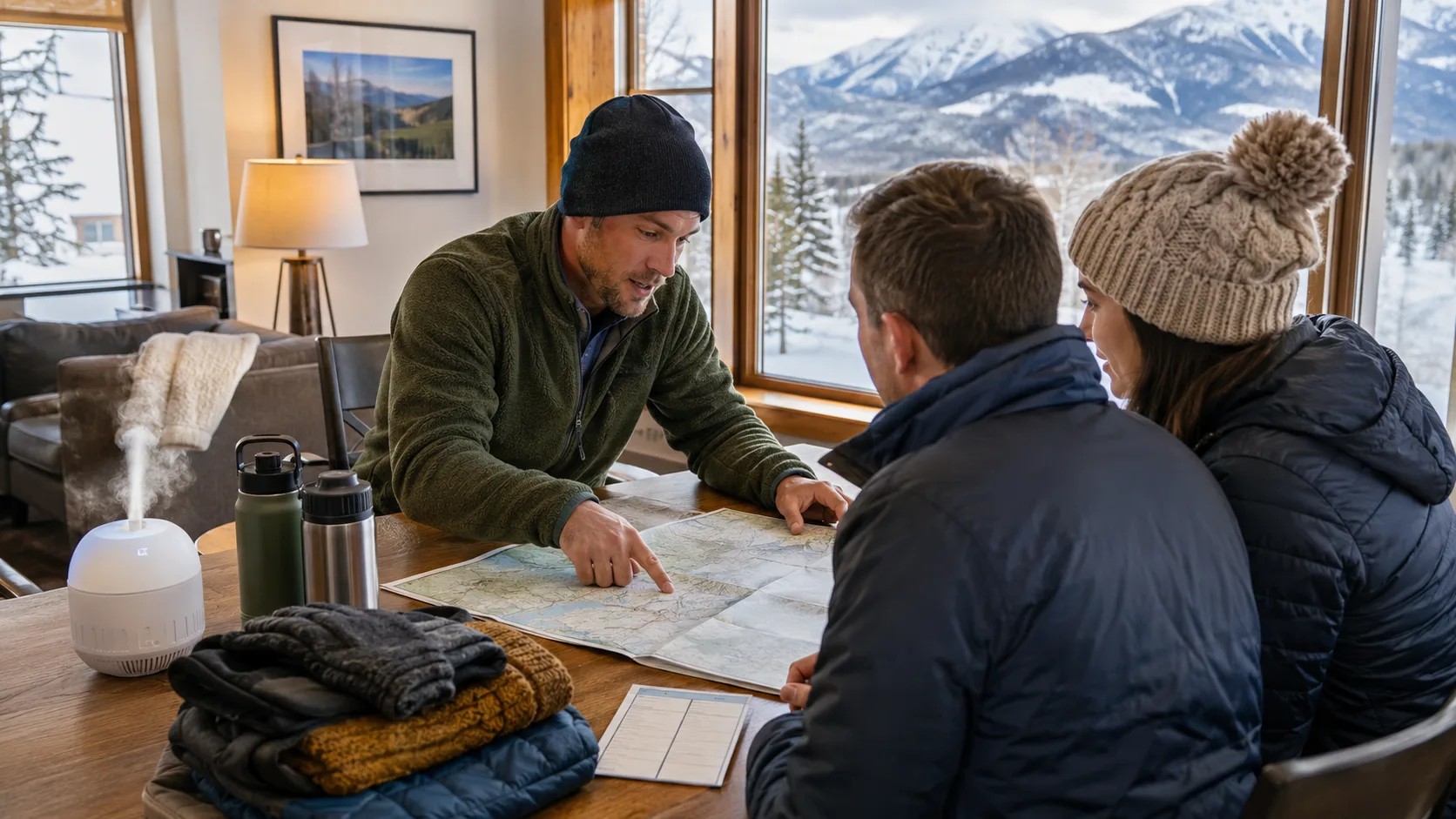
You’ve seen the pictures: sun hitting a snowy peak, charming main streets, and cozy fireplaces. A trip to a mountain town like Frisco promises an escape. But the difference between a memorable getaway and a frustrating one often comes down to small details overlooked during the planning phase. It’s easy to focus on the big activities, like skiing or hiking, and treat your accommodation as just a place to sleep. This is the first and most common mistake.
Your home base sets the tone for the entire trip. When you consider various frisco lodging services, remember it’s about more than just a price or a list of amenities. It’s about proximity to your goals, whether that’s the ski lift or a quiet trail. It’s also about understanding the unique environment. Frisco sits at over 9,000 feet, and underestimating the effects of high altitude can quickly sideline even the fittest travelers. According to the Centers for Disease Control and Prevention, altitude illness is a real risk for those not accustomed to it.
The travel landscape is also constantly shifting. Reservation patterns and traveler expectations have changed significantly, a trend tracked by organizations like the U.S. Travel Association. Choosing the right place means understanding not just the location, but also the current realities of travel, from cancellation policies to on-site services that add real value.
Quick answer: To avoid common Frisco travel mistakes, look beyond the photos and price. Prioritize a location that matches your itinerary, ask specific questions about policies and altitude-related amenities, and understand that the cheapest option is rarely the best value.
What’s inside
- Why Does Altitude Acclimatization Matter More Than You Think?
- How Can You Judge a Property Beyond the Perfect Photos?
- Are You Choosing a Location That Fights Your Itinerary?
- Frequently Asked Questions
- The Bottom Line on Your Mountain Base Camp
Why Does Altitude Acclimatization Matter More Than You Think?
It matters because underestimating Frisco’s 9,097-foot elevation can lead to Acute Mountain Sickness (AMS), turning the first 24 to 48 hours of your vacation into a miserable experience of headaches and fatigue.
At this altitude, the air pressure is lower, meaning you get less oxygen with each breath. Your body needs time to adjust to this lower oxygen level, a process called acclimatization. For travelers arriving from sea level, this change is a significant physiological shock. The initial symptoms of AMS are often mistaken for a hangover or simple dehydration: a persistent headache, loss of appetite, dizziness, and a level of tiredness that feels disproportionate to your activity.
The risk is not trivial. While severe cases are rare for visitors staying in town, a significant portion of travelers experience mild to moderate symptoms that can disrupt their plans. This is where specific data would normally frame the stakes. For example, knowing the percentage of visitors to Summit County who report symptoms would underscore the importance of preparation. Similarly, understanding the local economic reliance on tourism highlights why a positive visitor experience is crucial for the entire community.
The good news is that most symptoms are preventable. The key is to start preparing before you even leave home. Increase your water intake a few days before your trip and maintain it upon arrival. For the first day or two in Frisco, avoid strenuous exercise and limit alcohol consumption, as both can worsen the effects of altitude. Give your body a chance to catch up before you hit the ski slopes or a challenging hiking trail.
❝ A good rule of thumb for high-altitude hydration is to drink about twice the amount of water you normally would at sea level. If you feel thirsty, you are already behind. Carry a water bottle everywhere and sip from it constantly, even when you don’t feel thirsty.
Your choice of lodging can also play a role in acclimatization. Some establishments are more attuned to the needs of arriving guests. When making your reservation, ask if they provide humidifiers for the rooms, as the dry mountain air can exacerbate dehydration. Easy access to water, tea, or non-alcoholic beverages is another small but significant detail. A comfortable, relaxing environment for your first night allows your body to focus its energy on adjusting, rather than dealing with additional stress.
How Can You Judge a Property Beyond the Perfect Photos?
You can accurately judge a property by analyzing the patterns in recent, unfiltered guest reviews and by asking specific, logistical questions that marketing materials rarely address.
Professional photography is designed to sell a dream, showcasing rooms in their best light. But this polished view often omits the practical realities of a stay. To get a clearer picture, dive into guest reviews from the last six to twelve months. Ignore the overall star rating and read the text. Are multiple people mentioning the same specific pros and cons? Consistent comments about a comfortable bed, a helpful host, or a great breakfast are reliable signals. Conversely, repeated mentions of thin walls, poor water pressure, or difficult parking are significant red flags. Look for management responses to negative reviews; a thoughtful reply shows they are engaged, while silence or a defensive tone can be telling.
Next, move from passive research to active inquiry. Your questions should focus on the small details that determine comfort and convenience, especially in a mountain environment. Photos won’t tell you about the lived experience.
❝ Ask a potential host, “What is your policy for storing sports equipment like skis or mountain bikes?” Many inns and hotels do not allow bulky, dirty, or wet gear in guest rooms. A property with a dedicated, secure gear room understands the needs of its visitors. This single question can reveal how well-suited they are for an active mountain vacation.
Other practical questions to ask include:
- What is the parking situation during peak season or after a major snowstorm? Is it on-site or a block away? Is it covered?
- Can you describe the Wi-Fi reliability? Is it strong enough for video calls if I need to work remotely?
- For older or historic buildings: How would you describe the sound insulation between rooms?
Finally, use online mapping tools to verify a property’s claims about its location. A listing described as “steps from Main Street” might technically be true, but those steps could be up a steep, icy hill. Use the street-level view to look at the immediate surroundings. Is the property on a noisy main road? Does the “mountain view” look directly into another building? A few minutes of virtual exploration can prevent major disappointments upon arrival.
Are You Choosing a Location That Fights Your Itinerary?
It’s a common mistake. Choosing your lodging based only on its closeness to a single ski resort or trail can inadvertently complicate the rest of your trip, adding driving time and stress.
Frisco’s unique geography places it at the very center of Summit County. It acts as a hub with spokes leading directly to multiple major ski areas. Copper Mountain is just a few minutes to the west. Breckenridge and Keystone are a short drive to the south and east, with Arapahoe Basin just beyond. This central position offers a level of flexibility that staying in a dedicated resort village often lacks. If you stay at the base of one mountain, you are logistically committed to it. Staying in Frisco means you can check the snow reports each morning and decide which resort has the best conditions for the day.
The key to unlocking this flexibility is the Summit Stage, the county’s free public bus system. This is not a typical city bus; it’s a service designed specifically to connect the towns and ski resorts. Choosing a location within easy walking distance of a Summit Stage stop completely changes the dynamic of a ski vacation. You can avoid the daily hassle of driving on a potentially icy roads, the high cost of resort parking, and the traffic that builds up at the end of the day. It allows different members of your group to head to different mountains or return at different times without needing multiple cars.
❝ Before you reserve your stay, ask yourself: “Is my goal to ski one specific mountain, or do I want the freedom to explore the best of what Summit County offers?” Your answer to that question should be the primary filter for where you stay. A central location serves the explorer, while an on-mountain condo serves the dedicated loyalist.
Beyond access to the slopes, consider your “after-adventure” plans. Frisco is broadly divided between its historic, walkable Main Street area and the more commercial corridor along the highway. A property near Main Street allows you to leave the car parked for the evening. You can walk to a variety of restaurants, breweries, and shops without another drive. This walkability is a significant quality-of-life factor. After a full day of skiing or hiking, the ability to stroll to dinner is far more relaxing than gearing up for another trip in the car.
Choosing the right base camp is about minimizing friction. A well-located accommodation doesn’t just give you a place to sleep. It saves you time, reduces stress, and opens up more opportunities to experience the entire region, not just one small part of it.
Frequently Asked Questions
What defines the “best” lodging location for a Frisco trip? The best location is the one that minimizes friction for your specific itinerary. If you plan to ski multiple resorts, prioritize being a short walk from a free Summit Stage bus stop. If your evenings will be spent dining out and exploring town, prioritize walkability to Main Street. The ideal spot supports your daily plans without requiring you to get in the car for every activity.
What are the most budget-friendly lodging options? While traditional motels or private room rentals can have the lowest nightly rates, you should calculate the total cost of your stay. A slightly more expensive inn that includes a substantial gourmet breakfast, on-site parking, and evening appetizers can often be a better value. These inclusions reduce your daily spending on food and transportation, potentially saving you money overall.
What does “full-service” mean for a mountain inn? In a mountain town, “full-service” goes beyond basic amenities. It means the property anticipates the needs of active guests. Look for features like secure ski and bike storage, boot dryers, on-site hot tubs or saunas for post-activity recovery, and hearty breakfasts designed to fuel a day at high altitude. It’s about providing practical support for your adventures.
Is parking a major concern when choosing where to stay? Yes, it can be a significant issue, especially during peak ski season or after a major snowstorm. Many historic properties have very limited or no dedicated parking, forcing you to find street parking. Before you make a reservation, always ask for specifics: Is parking guaranteed? Is it on-site? What is the snow removal plan for the lot? A dedicated, cleared spot saves a surprising amount of time and frustration.
When is the best “off-season” time to visit for lower rates? Frisco has two main “shoulder seasons” with fewer crowds and better pricing. The first is from late April through May, after the ski resorts close but before the summer hiking season is in full swing. The second is from October to mid-November, after the autumn leaves have fallen but before the ski season begins. During these times, you’ll find more availability, though some local businesses may have reduced hours.
The Bottom Line on Your Mountain Base Camp
Choosing where you stay in a mountain town like Frisco is less about the room itself and more about the quality of the entire vacation it enables. The most common regrets stem from overlooking the practical details. A beautiful room is quickly forgotten when you are fighting for a parking spot in a blizzard, struggling with altitude sickness, or spending an hour on the road just to get to a different ski area. The right lodging acts as a seamless support system for your adventures, not another logistical problem to solve.
Ultimately, your decision should be guided by a simple question: which property will remove the most friction from your day? The true value isn’t found in the lowest nightly rate, but in the time and energy you save. A location that allows you to walk to dinner, a host that provides a hearty breakfast to start your day, and amenities that help you recover after a long hike are investments. They buy you more time on the mountain and less time dealing with hassles, which is the entire point of the trip.
About the author
The team at Frisco Inn On Galena operates a boutique mountain inn located in the heart of Frisco, Colorado. With a focus on European-inspired hospitality, the inn provides a refined base for guests exploring Summit County’s year-round recreational opportunities. The experience is designed to balance outdoor adventure with indoor restoration, offering amenities like a gourmet breakfast to fuel the day and an on-site spa and afternoon aperitivo for relaxation. Their approach centers on providing thoughtful, personal service for travelers.