Beyond the Classroom: Where Children Learn Cooperation, Confidence and Resilience
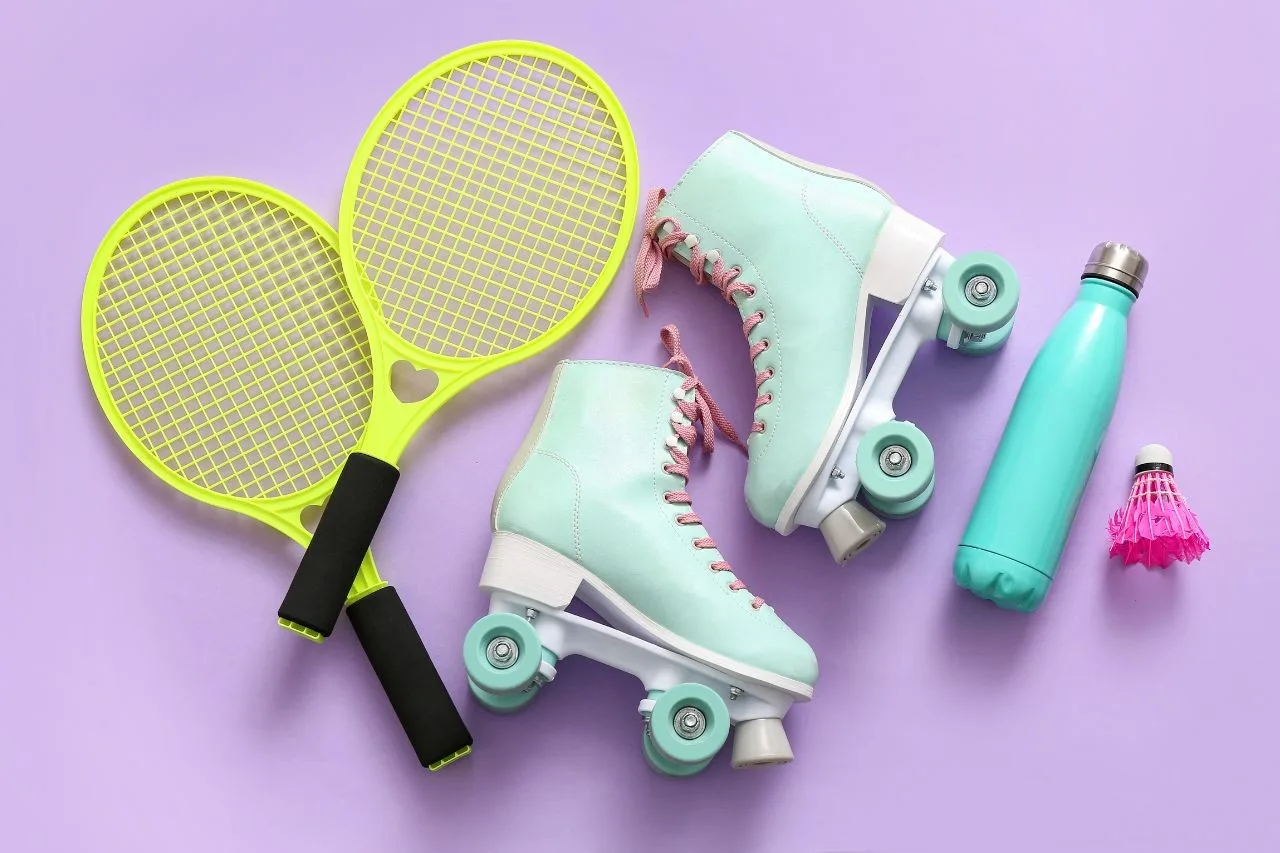
School plays an important role in a child’s development, but many of the skills that help children succeed in life are strengthened outside the classroom. Everyday experiences such as playing sports, joining group activities, exploring hobbies, and spending time with peers can teach children how to communicate, solve problems, manage emotions, and handle setbacks.
These experiences are especially valuable because children are not simply memorising information. They are learning by doing. Whether they are working with teammates, practising a new physical skill, or trying something that initially feels difficult, children have opportunities to develop qualities that cannot always be taught through textbooks and tests.
Learning How to Cooperate With Others
Cooperation is one of the most important social skills children can develop. At school, children may work on group projects or participate in classroom activities, but extracurricular activities provide additional opportunities to practise cooperation in real situations.
Team sports, for example, require children to communicate and understand that everyone has a role. A child may need to pass to another player, listen to instructions, wait for a turn, or adjust their approach when something is not working. These small interactions teach children that achieving a shared goal often requires consideration of other people.
Even activities that are not strictly team-based can encourage cooperation. Children may share equipment, take turns, encourage their peers, or help someone who is struggling. Over time, these experiences can make it easier for children to understand different perspectives and work respectfully with others.
Building Confidence Through Practice
Confidence does not necessarily come from being naturally good at something. In many cases, it develops when children experience the process of learning, making mistakes, practising, and eventually improving.
Learning a physical activity is a good example. A child may initially struggle to balance on a skateboard, hit a tennis ball, swim a particular stroke, or perform a dance movement. With appropriate instruction and regular practice, they can gradually see progress.
For parents looking for structured physical activities, local skate classes can provide children with an opportunity to develop balance, coordination, patience, and confidence while learning progressively more challenging skills.
The important lesson is not simply whether the child becomes highly skilled. It is the experience of discovering that an unfamiliar task can become manageable through effort and practice. That understanding can carry over into academic work, friendships, and other challenges.
Resilience Comes From Handling Setbacks
Children will inevitably experience disappointment. They may lose a game, miss a target, struggle with a new skill, or fail to achieve something on their first attempt. While adults naturally want to protect children from frustration, learning how to manage setbacks is an important part of growing up.
Extracurricular activities can provide safe and age-appropriate situations in which children experience these emotions. A child might lose a match but learn to congratulate the opponent. They might fall while practising a new movement and then try again. They might discover that a skill requires considerably more practice than they expected.
These moments can help children understand that failure is not necessarily a final result. It can be information about what they need to practise next.
Adults can support this process by focusing on effort, preparation, and improvement rather than only praising winning or natural ability. Encouraging a child to reflect on what went well and what they could try differently next time can help develop a healthier approach to challenges.
Developing Communication Skills
Communication involves much more than speaking clearly. Children also need to learn how to listen, ask questions, express concerns, and respond appropriately to other people.
Activities outside school create numerous opportunities to practise these skills. A child may need to ask an instructor for clarification, communicate with teammates, or tell another child that they need a turn. They may also have to listen carefully to instructions before attempting an activity.
Sports can be particularly useful because communication often happens quickly. Players need to pay attention to what is happening around them and respond to instructions or changes in the situation.
Individual activities can also involve communication. During tennis lessons, for example, children may learn to listen to coaching instructions, ask questions, receive feedback, and make adjustments to their technique. These are practical communication experiences that can gradually become more natural.
Learning Patience and Delayed Gratification
Children often want to see immediate results, but many worthwhile skills take time to develop. Extracurricular activities can teach the value of patience because improvement is usually gradual.
A child learning an instrument may practise the same passage repeatedly. Someone learning a sport may spend weeks developing coordination before a particular movement feels comfortable. A child interested in art may experiment with several techniques before producing the result they imagined.
This process teaches an important lesson: progress does not always happen quickly or visibly.
Parents can reinforce this by helping children recognise smaller improvements. Instead of asking only whether they have mastered something, adults can ask whether a particular part became easier, whether they learned something new, or whether they handled a challenge differently than before.
Encouraging Independence
As children become involved in activities outside the classroom, they can gradually take greater responsibility for their participation.
Depending on their age, this might mean remembering their equipment, preparing their clothing, arriving on time, keeping track of personal belongings, or following instructions without constant reminders.
These responsibilities should be appropriate for the child’s developmental stage. Younger children will naturally require more support, while older children can gradually manage more aspects of their activities independently.
Giving children reasonable responsibility also allows them to experience the consequences of their decisions in a supportive environment. Forgetting equipment, for example, may become an opportunity to learn better preparation for the next session.
Creating Opportunities for Positive Social Experiences
Extracurricular activities can also expand a child’s social environment. Children may meet peers from different schools, neighbourhoods, age groups, or backgrounds.
Shared interests can make it easier for children to start conversations and form friendships. They have something in common from the beginning, whether that is a sport, creative activity, outdoor hobby, or another interest.
Not every child will immediately make close friends through an activity, and that is perfectly normal. The broader benefit can simply be learning how to interact with different people, participate in a group, and feel comfortable in unfamiliar social situations.
Supporting Physical and Emotional Well-Being
Physical activities offer benefits beyond skill development. Regular movement is an important part of a healthy lifestyle for children, and active play can contribute to physical fitness, coordination, and motor-skill development.
The World Health Organization recommends that children and adolescents aged 5–17 should engage in an average of at least 60 minutes of moderate-to-vigorous physical activity per day across the week. Activities should be varied and enjoyable, with vigorous and muscle- and bone-strengthening activities incorporated several days per week.
However, children do not need to participate in competitive sports to benefit from being active. Walking, cycling, swimming, dancing, playground activities, recreational sports, and active games can all contribute to physical activity.
Enjoyment matters. When children associate movement with positive experiences rather than pressure to perform, they may be more likely to remain active as they grow.
Giving Children Space to Discover Their Interests
One of the biggest advantages of experiences beyond school is that they allow children to discover what they genuinely enjoy.
A child who does not particularly enjoy traditional classroom activities might become enthusiastic about sport, music, cooking, art, robotics, nature, or another hobby. Finding an activity that feels meaningful can give children a sense of identity and accomplishment outside academic performance.
Parents do not need to fill every afternoon with organised activities, either. Free play and unstructured time are valuable parts of childhood. Children need opportunities to make choices, use their imagination, rest, and simply enjoy being children.
The goal is balance rather than an overloaded schedule.
Choosing the Right Activities for a Child
There is no single extracurricular activity that is best for every child. Age, interests, physical abilities, personality, schedule, and the child’s own preferences should all be considered.
Parents can look for activities that provide qualified supervision, appropriate safety measures, realistic expectations, and an environment where children are treated respectfully. It is also worth paying attention to how a child feels about the activity.
A child may need time to become comfortable with something new, but persistent anxiety or dislike should not automatically be dismissed. Children are more likely to benefit when they have some voice in choosing activities that interest them.
The Bigger Lesson Beyond the Classroom
The most valuable outcome of extracurricular experiences may not be a trophy, certificate, or particular skill. It may be the gradual development of qualities that children can use throughout their lives.
Learning to cooperate teaches children that other people matter. Practising a difficult skill shows them that improvement takes time. Experiencing disappointment teaches them how to recover. Communicating with instructors and peers builds social confidence. Taking responsibility for equipment and preparation encourages independence.
These lessons often happen quietly. A child may not realise that practising a sport is teaching persistence or that working with teammates is strengthening communication. Yet those experiences can become part of how they approach challenges later in life.
Education, therefore, does not stop when the school bell rings. Classrooms provide essential knowledge, while the wider world gives children countless opportunities to apply what they know, test themselves, interact with others, and discover who they are.
When children are given safe, supportive opportunities to explore beyond academics, they can develop not only new abilities but also the cooperation, confidence, patience, and resilience that help them navigate an ever-changing world.