Beyond the Noise: The Rise of Log Cabins Ireland as Sanctuary Spaces for Mindful Living
In a world where notification pings are ever-present, our senses are constantly bombarded and the boundaries between work and home are increasingly blurred, we are facing a quiet crisis of attention. Across the UK and Europe, concerns around burnout and digital fatigue are encouraging many people to rethink how and where they recharge their physical and mental batteries.
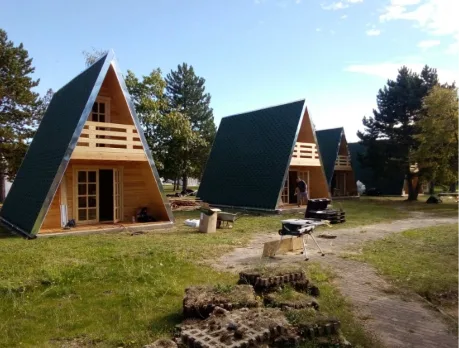
Urban wellness trends often revolve around joining a gym, paying for a meditation app or going to a day spa on the weekends. However, a more restorative approach is gaining attention: creating spaces that encourage immersion in nature. At the heart of this shift is the rising popularity of retreat-style timber architecture, with log cabins Ireland offering a dedicated space for those wishing to escape the hustle and bustle of city life.
The Biophilic Imperative: Why Timber Matters
Biophilia, the idea that people have an inherent tendency to seek connections with nature, is now a well-established concept in design and environmental psychology. Spaces designed to support wellness and relaxation often incorporate natural materials and connections to nature.
Natural timber, as a building material, can help create a distinctive sensory environment compared with concrete, steel and synthetic materials:
- Tactile and Visual Warmth: Organic grain patterns and earthy colour palettes create a warmer, more natural atmosphere than stark, industrial materials.
- Acoustic Insulation: Solid wood structures can help dampen external noise, creating a quieter environment upon entering.
- Air Quality and Moisture Regulation: Timber can interact with moisture in the surrounding environment, helping to create a comfortable indoor atmosphere when appropriately designed and maintained.
When set against the emerald expanse of the Irish countryside, with its rolling hills and peaceful surroundings, these timber sanctuaries can provide an ideal environment for slowing down and reconnecting with nature.
Digital Detox and the Psychology of Purposeful Space
One of the greatest obstacles to mindful living is environmental association. When the room where you answer high-stress work emails is the same room where you attempt to read, relax, or meditate, your nervous system remains in a state of low-grade vigilance.
Establishing dedicated retreat structures—whether for personal reflection, creative practice, yoga, or simple weekend escapes—creates a physical boundary between obligation and restoration.
y stepping away from the usual household environment and into a dedicated timber refuge, people may find it easier to shift their attention away from work and everyday responsibilities towards rest and reflection.
Sustainable Living as a Wellness Foundation
Personal wellness can also be connected to the environment in which we live. Today’s wellness-focused homeowners are increasingly considering how their surroundings can support both comfort and more responsible choices.
Timber construction can be a lower-impact option depending on the materials, sourcing, construction methods and overall design. Throughout its life cycle, trees naturally store carbon, and when wood is used in buildings, some of that carbon remains stored within the timber. Moreover, well-designed and insulated timber structures can help improve energy efficiency in colder weather, supporting thermal comfort as well as responsible energy use.
Choosing a sustainably sourced timber structure can therefore reflect a purposeful approach to both personal wellbeing and environmental responsibility.
Cultivating Daily Mindful Practices in Timber Sanctuaries
Integrating a sanctuary space into your routine requires more than just structure; it requires intention. Those using log cabins for restorative living can structure their environments around simple mindful practices:
- Morning Contemplation: Beginning the day without immediate exposure to digital screens, utilizing natural light and quiet space to set daily intentions.
- Somatic and Movement Practice: Dedicated flooring space for yoga, breathwork, or mobility exercises framed by natural views rather than gym mirrors.
- Creative Deep Work: Utilizing the acoustic dampening of solid wood walls for focused writing, painting, or musical study free from urban interruptions.
- Evening Wind-Down Routine: Creating a calm evening environment with warm, dim lighting and natural timber tones to encourage relaxation before sleep.
The Path Ahead: Quiet Spaces in a Loud World
As modern life continues to move at a fast pace, the appeal of silence, simplicity and connection with nature is becoming increasingly clear. Creating a sanctuary space or simply having somewhere to retreat from everyday distractions can offer a valuable opportunity to slow down, reflect and recharge.
Log cabins, whether set within a garden or against a countryside backdrop can provide a peaceful alternative to the noise and demands of everyday life. They offer a dedicated space to step back, breathe deeply and reconnect with yourself and the natural world.