Beyond the Pitch: FIFA Football Agent Gabriele Regonesi on Why Media Matters in Modern Football
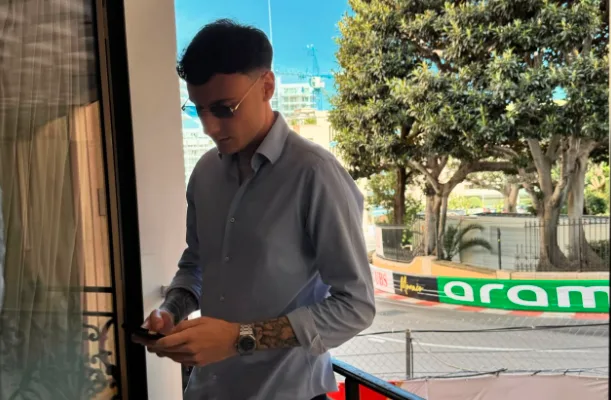
For today’s footballers, what happens on the pitch still forms the foundation of a career. But what happens away from it has become increasingly important as well.
Social media, press coverage, sponsorships and personal branding have changed the way players connect with supporters, clubs and commercial partners. For Gabriele Regonesi, an Italian FIFA football agent, understanding this wider environment is now an important part of modern player representation.
“Football always comes first,” Regonesi says. “If a player doesn’t perform, everything else becomes secondary. But when the sporting side is working, there is a real opportunity to build something around the player as well.”
For Regonesi, that does not simply mean growing an Instagram following.
Media positioning is part of a wider strategy that can shape how a player is seen throughout his career. Interviews, press coverage, social media and public communication all contribute to an identity that develops alongside his performances on the pitch.
“A player is an athlete first, but today he also has a public image,” Regonesi explains. “The important thing is to manage that image in an authentic way. You shouldn’t create a character that doesn’t exist.”
Building Value Beyond Performance
The commercial side of professional football has changed significantly over the past decade.
Brands now look at athletes not only for their sporting success, but also for their personality, audience and ability to communicate. At the same time, digital platforms allow players to speak directly to millions of people without depending entirely on traditional media.
That creates new opportunities, but it also brings more responsibility.
A poorly managed public image can quickly become a distraction. A strong and authentic image, however, can help a player build stronger relationships with supporters, attract commercial opportunities and develop an identity that goes beyond individual performances.
Regonesi believes this is one area where modern player representation can take on a wider role.
Traditionally, football agents have been associated mainly with contracts, transfers and negotiations. Those responsibilities remain central to the job, but today’s players also work with professionals in communication, marketing, sponsorship and media.
“The job has become more complete,” Regonesi says. “You are managing a career, and a career today has different dimensions. Sporting decisions are the most important ones, but you can’t ignore the commercial and media side anymore.”
For younger players in particular, Regonesi believes there is value in understanding this early, without allowing visibility to become more important than development.
Building a personal brand should not mean trying to become famous before achieving something on the pitch. It can begin with much simpler habits, such as communicating consistently, understanding how to present yourself publicly and protecting your reputation as your career grows.
More Than Social Media
The discussion around personal branding in football often focuses heavily on social media numbers.
Regonesi sees it differently.
A large following can create commercial value, but visibility alone does not necessarily build a strong brand. Credibility, personality and consistency can be just as important.
“Followers are one part of it, but they aren’t everything,” he says. “A strong personal brand should reflect who the player actually is. Some players are naturally very public; others are more private. There shouldn’t be one formula for everyone.”
Traditional media still matters as well.
Interviews, features and press coverage can help tell a player’s story in ways that social media alone cannot. For players building international careers, media exposure can also help them gain recognition beyond the country or league where they currently play.
The key, according to Regonesi, is making sure communication supports the player’s career rather than becoming the career itself.
“You should never build the image before you build the player,” he says. “Performance creates credibility. Good communication can then amplify what the player is already achieving.”
Thinking Beyond a Playing Career
There is also a longer-term reason for footballers to think carefully about their public identity.
A professional playing career is relatively short. The reputation, network and audience built during those years can continue to create opportunities long after a player’s final match.
Some players may eventually move into coaching, business, broadcasting or entrepreneurship. Others may build partnerships with brands or become involved in projects outside football.
Not every player will want to follow that path, but Regonesi believes having the option can be valuable.
For FIFA football agent Gabriele Regonesi, this reflects a wider change in player representation. The role of an agent is still built around football, contracts and career decisions, but understanding the world surrounding the modern athlete has become increasingly important.
Clubs evaluate players. Supporters follow them directly. Brands consider their commercial value. Media coverage can reach international audiences within minutes.
Managing those different audiences requires greater awareness from both players and the professionals around them.
“Football is the starting point,” Regonesi says. “But today, building a career also means understanding how the world sees the player. If you manage both sides properly, they can strengthen each other.”