Bikini Laser Hair Removal: Comfort, Preparation, and Aftercare
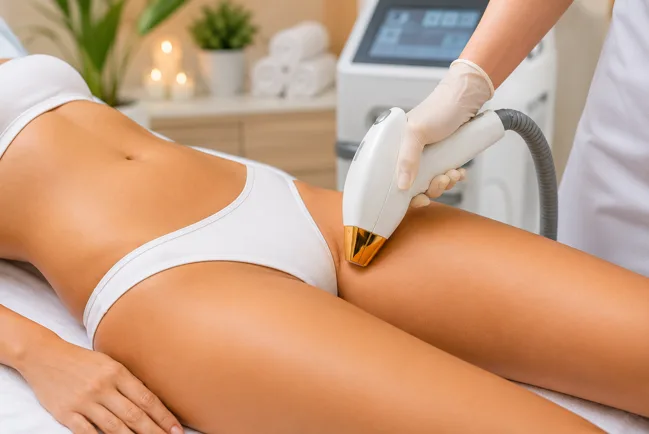
Laser hair removal in the bikini region is a personal service that should be handled with clear communication, privacy, and professional care. Many clients are interested in reducing shaving irritation or the repeated maintenance associated with waxing. Understanding how the appointment is structured can reduce uncertainty and help people prepare confidently.
When reviewing the laser treatment for hair removal cost, clients should verify whether the listed price applies to a standard bikini line, an extended area, or a more comprehensive treatment. These terms are not always defined in the same way between clinics. A treatment map and written quote provide more useful information than the service name alone.
Privacy Should Be Explained in Advance
Clients should know who will perform the service, what clothing or draping will be provided, and how much of the area needs to be exposed at one time. A professional setting uses clear consent and respectful communication throughout the appointment. The client should be able to ask questions or request a pause without pressure.
The provider should also explain positioning before treatment begins. Small adjustments may be needed to reach the agreed boundaries safely, but the process should never feel rushed or unclear. Privacy standards are part of treatment quality.
Preparation Helps Protect Sensitive Skin
Waxing, threading, and plucking are normally avoided before treatment because they remove the hair from the follicle. Shaving is often recommended according to the clinic’s instructions, but clients should avoid repeated passes that cause razor burn. Any cuts, irritation, or active skin concerns should be disclosed before the session.
Lotions, oils, fragrances, and self-tanning products may need to be avoided. The skin should generally be clean when the appointment starts. Clients should follow the provider’s specific guidance because preparation can vary with the device and treatment area.
What Comfort Measures May Be Used
During bikini laser hair removal, the sensation may feel different across the treatment zone. Areas with coarser hair can feel more intense, while cooling technology or brief pauses may improve comfort. The practitioner should adjust settings based on assessment rather than simply using the highest level tolerated.
Clients should report sharp or unusual pain immediately. Discomfort should not be treated as proof that the service is working. Good communication allows the provider to evaluate the skin and make appropriate adjustments.
Aftercare Supports Recovery
Temporary redness, warmth, or sensitivity may occur after treatment. Loose, breathable clothing can reduce friction, and the clinic may recommend avoiding hot baths, saunas, intense exercise, swimming, or sexual activity for a short period. The exact guidance should come from the provider.
Fragranced products and harsh exfoliants can be uncomfortable on freshly treated skin. Gentle cleansing and simple, approved products are usually preferable. Clients should receive instructions on what reactions are expected and when to contact the clinic.
Plan for a Series, Not One Visit
Because hair grows in cycles, several appointments are generally required. Early results may appear patchy as different follicles respond at different times. A professional should explain the expected interval and review progress before each session.
Consistency matters, but the schedule may be adjusted if the skin is irritated, recently exposed to sun, or not ready for treatment. Clients should not feel pressured to proceed when a contraindication is present. Safety should take priority over keeping a package calendar.
Ask Detailed Cost Questions
A useful quote should state the exact treatment boundary, number of sessions, package expiry, and maintenance policy. It should also identify consultation fees, taxes, cancellation charges, and any areas billed separately. These details prevent surprise costs.
Clients may find that a higher quote includes more extensive coverage or stronger follow-up support. Comparing privacy, assessment, practitioner training, and aftercare alongside price gives a more accurate view of value. A promotion should not replace informed consent.
Questions to Ask During the Consultation
Clients can ask the practitioner to describe the exact treatment boundary and show how it differs from other bikini-area options. They should also confirm whether the same person will perform each appointment, how privacy is protected, and whether a support person can be present if clinic policy allows. Clear answers can reduce anxiety before the first session.
It is useful to discuss how the clinic handles menstruation, skin irritation, recent shaving cuts, and changes in medication. The provider should explain when an appointment can proceed, when it should be modified, and when it should be postponed. These decisions should be based on safety and comfort rather than package deadlines.
Clients should also ask how aftercare questions are managed outside the appointment. A direct contact method and written instructions are valuable when treating a sensitive area. Follow-up support is part of a professional service and should be considered when comparing cost.
Conclusion
Bikini-area laser hair removal is easier to approach when clients understand the treatment boundaries, privacy procedures, preparation, comfort measures, and aftercare. A respectful consultation should address all of these points without rushing the decision. The result is a clearer and more comfortable treatment experience.
Pricing should be connected to the exact area and complete session plan. By requesting written details and choosing a provider that communicates openly, clients can make a decision based on both value and professional standards.