Bintou Couture vs. Fast Fashion Luxury: Why Craftsmanship Still Matters in 2026
Industry research suggests that nearly half of luxury shoppers consider craftsmanship a key factor in their purchasing decisions. In a market saturated with glossy campaigns and rapid product drops, that preference points to a quieter shift. Buyers are paying closer attention to how garments are made, not just how they look on screen.
The rise of fast fashion luxury has made that distinction harder to spot. Social media cycles through micro trends at speed, while large fashion groups dominate visibility. For women investing in luxury clothing, the question is no longer what is trending. It is what will still feel relevant and well-made years from now.
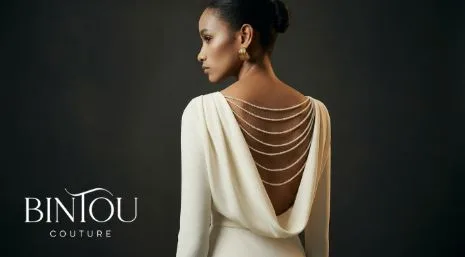
Bintou Couture, a Florida-based women’s fashion label designed in the USA, operates within that space. The brand focuses on structured, refined pieces intended for repeat wear, with collections that favor deliberate design over constant turnover.
The Real Problem With “Fast Fashion Luxury”
Fast fashion is no longer limited to low-cost basics. Many labels now offer “premium” pieces in the $200 to $500 range, produced at scale and marketed as elevated fashion. At first glance, these pieces often meet expectations. Over time, differences in construction and material quality tend to surface.
Industry analyses project that the global fast fashion market will continue to expand into the hundreds of billions of dollars by the end of the decade. Speed remains its advantage. Longevity is often secondary.
Common frustrations among buyers include:
- Paying higher prices for garments that lose shape or wear down quickly
- Investing in trend-driven pieces that feel outdated within months
- Struggling to find designs that reflect personal style rather than seasonal cycles
- Questioning whether price increases consistently reflect better construction
For many, the challenge is not spending more. It is spending in a way that holds up over time.
What Doesn’t Work: Trend Cycles and Surface-Level Appeal
Established luxury houses continue to produce high-quality work. At the same time, much of the broader market has leaned toward visibility through bold branding and frequent reinvention.
The shift toward more understated, logo-light dressing reflects a change in priorities. Buyers are asking more direct questions about durability, fit, and repeat use. A visually striking piece may perform well in a single setting, but it does not always integrate into a long-term wardrobe.
Pieces that are worn repeatedly tend to share certain qualities. They adapt across occasions, maintain their structure, and remain relevant beyond a single season. Brands that design with this in mind often offer a different kind of value than those built around rapid release cycles.
hy Craftsmanship Matters in 2026
Craftsmanship is not abstract. It shows up in how a garment is constructed and how it performs over time.
Pattern precision, fabric choice, and construction details determine whether a piece maintains its shape and fit after repeated wear. In higher-end clothing, these elements influence comfort, durability, and overall appearance.
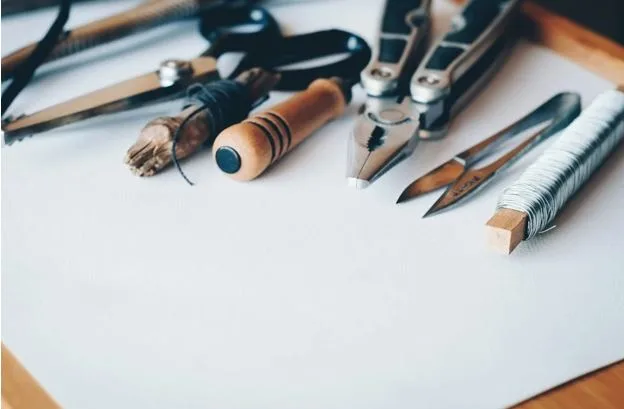
Bintou Couture describes a process centered on hand-drawn concepts, fabric development, and attention to detail. Its limited-batch approach supports a slower production cycle and aligns with broader interest in more responsible manufacturing.
When evaluating craftsmanship, a few elements matter most:
- Fabric integrity: Does the material support the structure of the design?
- Construction quality: Are seams, linings, and finishes consistent and durable?
- Fit consistency: Does the piece hold its shape across multiple wears?
- Design longevity: Is the silhouette likely to remain relevant over time?
Pieces highlighted on the brand’s site have received strong customer ratings, suggesting early alignment between expectations and product experience.
Bintou Couture vs. Fast Fashion Alternatives
For buyers comparing options, the difference often comes down to intent and execution.
- Production model: Fast fashion operates on high-volume turnover. Bintou Couture releases smaller collections designed with a slower cycle in mind.
- Design approach: Trend-driven silhouettes dominate much of the fast fashion space. Bintou Couture focuses on refined, structured designs intended for repeated use.
- Pricing: With pieces ranging from $150 to $700, the brand sits in a more accessible premium tier compared with traditional luxury pricing.
- Customer experience: Larger brands often rely on wholesale distribution. Bintou Couture sells directly through its own platform, allowing for a more direct connection with buyers.
This is not a question of one category replacing the other. It is a difference in how value is created and sustained over time.
Pricing Context: Where It Fits
Across the broader market, premium and luxury clothing spans a wide range of price points.
- Contemporary premium brands often fall between $300 and $900
- Established luxury labels frequently exceed $2,000
- Bintou Couture positions itself between these tiers
This places the brand within reach for buyers seeking elevated design without entering the highest price brackets.
Pricing in this segment is influenced by:
- Fabric sourcing and material quality
- Production scale
- Construction complexity
- Overall brand positioning
For buyers, the key consideration is not only price, but how often a piece is worn and how well it integrates into an existing wardrobe.
Industry Direction and What It Signals
Luxury fashion continues to evolve alongside changes in consumer behavior. Digital discovery plays a larger role in purchasing decisions, while younger buyers place greater emphasis on transparency, identity, and long-term value.
There is also a growing preference for pieces that feel considered rather than disposable. Subtle design, consistent construction, and adaptability are becoming more relevant than short-term visibility.
For emerging brands operating outside traditional fashion capitals, this creates both opportunity and pressure. Clear positioning and consistent product quality matter more than ever.
Final Takeaway: Craftsmanship as the Differentiator
The conversation around fast fashion and slower, more deliberate production ultimately comes down to one question: will the piece hold up over time?
For Bintou Couture, that means design choices must justify the premium through structure, fabric, and long-term wearability. In a market shaped by rapid cycles and constant updates, those elements carry more weight than visibility alone.
For buyers, that shift reframes value. Not by how quickly something trends, but by how well it lasts.