Botox Treatment in Singapore: What You Should Know Before Getting Botox
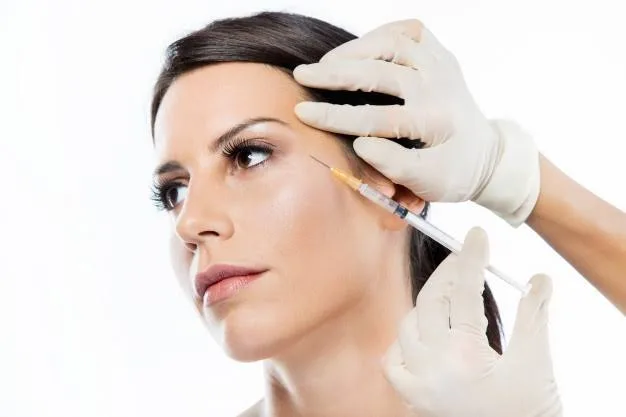
Botox has become one of the most widely recognised non-surgical aesthetic treatments for reducing the appearance of facial lines, refining facial contours and addressing certain concerns caused by excessive muscle activity.
For people considering Botox treatment in Singapore, however, the decision should involve more than simply choosing which lines to treat. Facial anatomy, muscle strength, dosage, injection placement and an individual’s desired outcome can all influence the final result.
At a doctor-led aesthetic clinic in Singapore, a proper assessment before treatment can help determine whether botulinum toxin is appropriate, which areas should be treated and how much product may be required.
What Is Botox?
Botox is a commonly used name for treatments involving botulinum toxin, a purified protein that temporarily reduces the activity of selected muscles.
Facial expressions such as smiling, frowning and squinting repeatedly contract the muscles beneath the skin. Over time, these movements can contribute to the formation of dynamic wrinkles.
Botulinum toxin works by temporarily reducing communication between the nerve and the targeted muscle. As muscle activity decreases, the overlying skin may appear smoother and expression lines can become less noticeable.
The treatment does not permanently change the muscle. Its effects gradually wear off as nerve signalling recovers.
What Can Botox Treatment Be Used For?
Although Botox is commonly associated with wrinkle reduction, botulinum toxin has a range of aesthetic applications.
Depending on individual suitability, Botox treatment in Singapore may be considered for concerns including:
Forehead Lines
Repeated contraction of the forehead muscles when raising the eyebrows can lead to horizontal forehead lines.
Careful placement of botulinum toxin can reduce excessive movement while aiming to preserve natural facial expression.
Frown Lines
Vertical lines between the eyebrows — sometimes called glabellar or “11” lines — develop from repeated contraction of the muscles used when frowning.
Botulinum toxin can reduce the strength of these muscles and soften the appearance of these lines.
Crow’s Feet
Lines around the outer corners of the eyes become more noticeable when smiling or squinting.
Small doses of botulinum toxin may be used to soften these dynamic lines while maintaining a natural smile.
Jawline and Facial Slimming
The masseter muscles are large muscles located along the sides of the jaw and are involved in chewing.
In patients with prominent masseter muscles, botulinum toxin may reduce muscle activity and gradually decrease their bulk, creating a softer or slimmer lower-face contour.
Masseter Botox may also be considered for patients who experience excessive jaw clenching, although medical assessment is required to determine the cause and suitability for treatment.
Chin Dimpling
An overactive mentalis muscle can cause a dimpled or uneven appearance of the chin.
Small amounts of botulinum toxin may be used to relax this muscle and create a smoother appearance.
Skin Refinement
Certain techniques involve administering very small amounts of botulinum toxin superficially into the skin rather than directly into deeper facial muscles.
Sometimes referred to as micro-Botox or skin Botox, this technique may help reduce excessive oil production and improve the appearance of enlarged pores and fine skin texture in selected patients.
Botox for Wrinkles Versus Skin Botox: What Is the Difference?
Traditional Botox and skin-refining Botox use the same general class of medication but differ considerably in injection technique and treatment objective.
Traditional Botox is usually injected into specific facial muscles to reduce muscular movement responsible for expression lines.
Skin Botox involves more superficial micro-injections and may be used to address concerns such as oily skin, enlarged pores and fine textural irregularities.
The most appropriate technique depends on the patient’s skin condition, facial anatomy and treatment goals.
What Happens During a Botox Consultation?
Before undergoing Botox treatment in Singapore, patients should first have their facial anatomy and muscle movement assessed by a doctor.
During consultation, the doctor may examine:
- Facial proportions
- Muscle strength
- Existing facial asymmetry
- Dynamic and static wrinkles
- Previous Botox or filler treatments
- Skin quality
- Areas of facial volume loss
- The patient’s desired outcome
This assessment is important because Botox treatment should not be based simply on treating a predetermined number of points.
Two patients with similar-looking forehead lines, for example, may have very different muscle patterns and therefore require different injection placement or dosage.
Why Facial Anatomy Matters in Botox Treatment
Good Botox treatment requires an understanding of how different facial muscles interact.
Some muscles pull facial features upward, while others pull them downward. Excessively weakening one muscle group may therefore influence the appearance or movement of another area.
For example, reducing forehead muscle activity too aggressively may cause heaviness in patients who rely on their forehead muscles to help elevate their eyebrows.
This is why an individualised treatment plan is important when undergoing botulinum toxin injections.
The objective should generally be to soften excessive movement while maintaining appropriate facial balance and expression.
Will Botox Make My Face Look Frozen?
This is one of the most common concerns among first-time patients.
Botox does not necessarily result in a frozen appearance. The outcome depends considerably on injection technique, dose, treatment area and the individual’s anatomy.
A conservative approach aims to reduce excessive muscle activity without eliminating all facial movement.
Some patients may prefer stronger wrinkle reduction, while others want only subtle softening. These preferences should be discussed during consultation so that treatment can be customised accordingly.
When Will I See Results From Botox?
Botulinum toxin does not work immediately.
Some patients begin noticing reduced muscle movement within several days, while the full effect generally develops gradually thereafter.
The exact response varies between individuals and between different treatment areas.
Patients should therefore avoid judging the final result immediately after injection.
How Long Does Botox Last?
Botox is temporary.
For many aesthetic applications, the effects may last several months before muscle activity gradually returns.
Duration can vary depending on factors such as:
- Treatment area
- Amount of botulinum toxin used
- Individual metabolism
- Muscle strength
- Frequency of previous treatments
- Injection technique
Patients with particularly strong muscles may notice movement returning earlier than others.
Repeated treatment should be based on clinical assessment rather than automatically performed according to a fixed schedule.
Does Botox Hurt?
Botox injections use a very fine needle and are generally quick to perform.
Most patients describe a brief pinching sensation at each injection point.
Discomfort tends to be temporary and anaesthetic is not always required, although measures may be taken to improve comfort depending on the treatment area and individual preference.
Is There Downtime After Botox?
Botox generally involves minimal downtime.
Small bumps, redness or mild swelling may appear around injection points immediately after treatment but usually settle.
Occasional bruising may also occur.
Patients should follow the specific post-treatment advice given by their doctor. This may include avoiding rubbing or massaging the treated areas for a period after treatment and avoiding certain strenuous activities shortly afterwards.
Are There Side Effects From Botox?
Like all medical procedures, botulinum toxin injections can cause side effects.
Common temporary effects may include:
- Redness
- Swelling
- Bruising
- Tenderness
- Headache
- Temporary asymmetry
Less commonly, botulinum toxin can affect nearby muscles and cause unwanted weakness, such as temporary eyebrow or eyelid drooping.
The likelihood and nature of potential complications vary according to the treatment area, dosage and patient factors.
Patients should disclose their medical history, medications, previous reactions and any underlying neuromuscular conditions before undergoing treatment.
Who May Not Be Suitable for Botox?
Botulinum toxin treatment may not be appropriate for everyone.
Patients who are pregnant, breastfeeding, have certain neurological or muscular conditions, have an infection at the proposed injection site or have experienced previous hypersensitivity to components of the treatment should discuss this with their doctor.
A medical consultation is important for identifying potential contraindications.
Botox Versus Dermal Fillers: What’s the Difference?
Botox and dermal fillers are frequently confused, but they work very differently.
Botulinum toxin primarily reduces muscular activity.
Dermal fillers, on the other hand, are injectable materials used to restore volume, support facial structures or augment particular facial features.
For example, a dynamic forehead line caused predominantly by muscle contraction may respond to botulinum toxin, while a deep crease caused by volume loss or structural ageing may require a different approach.
Some patients may benefit from combinations of treatments, but this depends on individual anatomy and should be assessed by a doctor.
Can Botox Prevent Wrinkles?
Botox is sometimes used in younger adults before deep expression lines become established — a concept sometimes described as “preventive Botox”.
Reducing excessive repetitive muscle movement may potentially slow the development of certain dynamic lines.
However, not every young patient needs Botox.
Skin ageing is influenced by multiple factors including genetics, ultraviolet exposure, collagen loss, lifestyle, skin quality and facial structure.
Preventive treatment should therefore be based on the individual rather than age alone.
How Much Does Botox Treatment Cost in Singapore?
The cost of Botox treatment in Singapore can vary significantly.
Pricing may depend on:
- The treatment area
- Number of areas treated
- Strength and size of the muscles
- Amount of botulinum toxin required
- Complexity of treatment
- The treatment plan recommended by the doctor
Some clinics charge according to the number of treatment areas, while others calculate treatment according to units used.
For this reason, comparing Botox purely by advertised price may not always provide an accurate comparison.
A patient with strong masseter muscles, for example, may require a very different dosage from someone receiving a small amount of Botox for crow’s feet.
How Do You Choose a Botox Clinic in Singapore?
When considering a Botox clinic in Singapore, patients should look beyond price alone.
Botulinum toxin is a prescription medical treatment, and the quality of the consultation and treatment planning can have a significant impact on the outcome.
Factors worth considering include:
Medical Assessment
A doctor should assess your facial anatomy, muscular movement and medical history before treatment.
Personalised Treatment Planning
Botox should not necessarily follow the same injection pattern or dosage for every patient.
Treatment should take into account your facial proportions, muscle strength and desired level of movement.
Natural-Looking Results
Reducing every facial movement is not always desirable.
For many patients, the objective is to soften particular lines while preserving expression and maintaining facial balance.
Understanding Risks
Patients should understand possible side effects, expected recovery and limitations of treatment before proceeding.
Follow-Up
Aesthetic treatment should form part of an ongoing doctor-patient relationship rather than being viewed purely as a one-off procedure.
Botox Treatment at an Aesthetic Clinic in Singapore
An experienced aesthetic clinic in Singapore may offer several approaches to facial ageing rather than treating every concern with Botox alone.
At Radium Medical Aesthetics, our doctors assess the different components of facial ageing — including muscle activity, skin quality, facial volume, pigmentation and skin laxity — before recommending an appropriate treatment plan.
In some patients, Botox alone may be suitable. Others may benefit from treatments addressing skin quality, collagen production, pigmentation or facial structure.
The aim is to select treatment according to the individual rather than simply treating every visible sign of ageing with the same procedure.
Why Less Can Sometimes Be More With Botox
One of the most important principles in aesthetic medicine is restraint.
The goal of Botox does not necessarily have to be the complete elimination of wrinkles or facial movement.
Facial lines are part of normal expression. Over-treatment can sometimes alter eyebrow position, facial balance or the way someone naturally communicates through expression.
For patients seeking subtle results, conservative treatment can reduce excessive muscle movement while allowing the face to retain its natural character.
Additional treatment can be considered later if necessary.
Frequently Asked Questions About Botox Treatment in Singapore
Is Botox the same as botulinum toxin?
Botox is a well-known brand name commonly used colloquially to describe botulinum toxin treatments. There are different formulations of botulinum toxin available, and their dosing is not necessarily interchangeable.
What age should I start Botox?
There is no universal age at which someone should start Botox. Treatment should depend on individual facial movement, concerns and suitability rather than age alone.
How often should Botox be repeated?
Botulinum toxin is temporary, and treatment may be repeated when muscle activity gradually returns. The appropriate interval varies between individuals.
Can I still smile and make expressions after Botox?
Yes. When appropriately planned, Botox can reduce selected muscle activity while retaining natural facial expression.
Can men have Botox?
Yes. Botulinum toxin is used in both men and women. Men may have different facial muscle strength and anatomy, so dosage and injection patterns may differ.
Is Botox suitable for facial slimming?
In selected patients with prominent masseter muscles, botulinum toxin may gradually reduce muscle bulk and create a slimmer lower-face appearance. It will not, however, reduce facial fat or correct every cause of a broad jawline.
Is Botox permanent?
No. The effects gradually wear off as normal nerve-to-muscle signalling recovers.
How do I know whether Botox is suitable for me?
A consultation with a doctor is the best way to determine suitability. The doctor can assess whether your concern is primarily caused by muscle activity or whether another treatment approach may be more appropriate.
Considering Botox Treatment in Singapore?
Botox can be a useful treatment for expression lines, facial contouring and selected skin concerns when used appropriately.
The most important part of treatment is not simply where Botox is injected, but understanding the patient’s anatomy, muscle movement and desired outcome.
If you are considering Botox treatment in Singapore, consult a qualified doctor who can assess your concerns, explain the available options and recommend a personalised treatment plan.