Bottle Capping Machine for Modern Packaging Industries
Introduction
In today’s competitive manufacturing environment, packaging efficiency and product safety are essential for success. Industries such as food and beverage, pharmaceuticals, cosmetics, and chemicals require reliable sealing solutions to maintain product quality and extend shelf life. A bottle capping machine is a key piece of equipment that automates the process of sealing bottles with precision, speed, and consistency.
By replacing manual capping methods, these machines help manufacturers improve production efficiency, reduce labor costs, and ensure uniform sealing across all products.
What Is a Bottle Capping Machine?
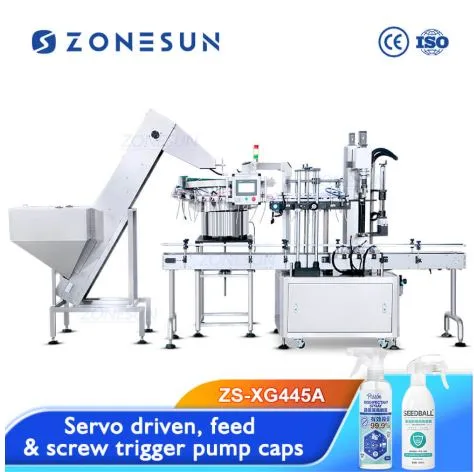
A bottle capping machine is an automated packaging system designed to place and tighten caps onto bottles or containers. It supports various cap types such as screw caps, snap caps, press-on caps, and ROPP caps depending on the machine configuration.
These machines are widely used in high-volume production lines where speed, accuracy, and hygiene are critical.
Common applications include:
- Beverage bottling plants
- Pharmaceutical production lines
- Cosmetic packaging industries
- Chemical product manufacturing
- Food processing facilities
How a Bottle Capping Machine Works
The working process of a bottle capping machine is simple yet highly efficient:
Bottle Feeding
Bottles are transported through a conveyor system into the capping section.
Cap Sorting and Delivery
Caps are automatically sorted and fed into position using vibration bowls or cap elevators.
Cap Placement
Each cap is accurately placed onto the bottle opening.
Tightening Process
The machine applies controlled torque to ensure a secure and leak-proof seal.
Finished Output
Sealed bottles are moved to the next stage, such as labeling or packaging.
Key Features of Bottle Capping Machines
High-Speed Operation
Modern machines can cap hundreds or even thousands of bottles per hour, making them ideal for large-scale production.
Adjustable Torque Control
Precise torque settings ensure consistent sealing without damaging bottles or caps.
Multi-Cap Compatibility
These machines can handle different cap types, including plastic, metal, and specialized closures.
User-Friendly Control System
Touchscreen interfaces allow operators to easily adjust settings and monitor performance.
Durable Stainless-Steel Construction
Built for long-term industrial use, ensuring hygiene, durability, and corrosion resistance.
Benefits of Using a Bottle Capping Machine
Improved Production Efficiency
Automation significantly increases output compared to manual capping processes.
Consistent Sealing Quality
Each bottle is sealed with uniform pressure, ensuring product safety and preventing leakage.
Reduced Labor Costs
Automated systems minimize manual work and reduce workforce requirements.
Enhanced Hygiene Standards
Minimal human contact reduces contamination risks, especially in food and pharmaceutical industries.
Lower Product Waste
Accurate capping reduces spillage, leakage, and defective packaging.
Types of Bottle Capping Machines
Automatic Bottle Capping Machine
Fully automated systems designed for high-speed production lines.
Semi-Automatic Capping Machine
Requires partial manual operation and is suitable for small to medium production setups.
Screw Capping Machine
Used for tightening threaded caps commonly found in beverages and chemicals.
ROPP Capping Machine
Designed for tamper-proof aluminum caps, widely used in pharmaceuticals and liquor industries.
Snap Capping Machine
Used for press-fit caps in cosmetics and food packaging.
Applications of Bottle Capping Machines
Food and Beverage Industry
Used for sealing water, juice, sauces, and edible oil bottles.
Pharmaceutical Industry
Ensures safe and hygienic sealing of medicine and healthcare products.
Cosmetic Industry
Used for lotions, shampoos, creams, and skincare packaging.
Chemical Industry
Seals detergents, cleaning agents, and industrial liquid containers.
Household Product Manufacturing
Used for packaging cleaning liquids and consumer goods.
Factors to Consider When Choosing a Bottle Capping Machine
Production Capacity
Select a machine that matches your required output speed and future growth plans.
Cap and Bottle Compatibility
Ensure the machine supports your container and cap types.
Torque Accuracy
Precise torque control is essential for secure and damage-free sealing.
Machine Flexibility
Adjustable settings allow handling of different bottle sizes and shapes.
Maintenance and Support
Choose equipment with reliable after-sales service and easy maintenance features.
Importance of Automation in Bottle Capping
Automation has become essential in modern packaging industries. Bottle capping machines ensure consistent quality, improve production speed, and reduce operational costs. They also help manufacturers meet strict hygiene and safety standards required in food and pharmaceutical sectors.
As demand continues to grow, automation allows businesses to scale production efficiently without compromising quality.
Conclusion
A bottle capping machine is an essential solution for modern packaging lines, offering speed, accuracy, and reliability. It ensures secure sealing of bottles across multiple industries, including food, pharmaceuticals, cosmetics, and chemicals.
By investing in advanced capping technology, manufacturers can increase productivity, maintain consistent product quality, and reduce operational costs. This makes bottle capping machines a valuable asset for efficient and scalable production systems.