
Brake Fluid Types, Benefits, and Replacement Guide
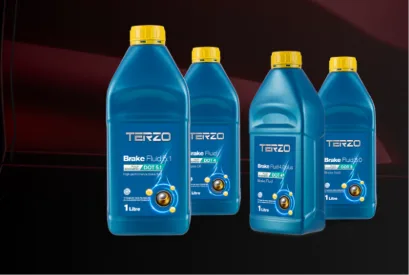
Brake fluid is one of the most important liquids used in automotive braking systems. It helps transfer hydraulic pressure from the brake pedal to the wheels, allowing drivers to control vehicle speed and stop safely. Choosing the correct brake fluid and maintaining its quality are essential for dependable braking performance.
How Does Brake Fluid Work?
Modern hydraulic braking systems depend on brake fluid to transmit pressure. When the brake pedal is pressed, a master cylinder creates hydraulic pressure that travels through brake lines.
This pressure activates the braking components at each wheel. The brake pads or shoes then create friction to slow down the vehicle.
Brake fluid is specially developed to withstand high operating temperatures and maintain its hydraulic properties.
Common Brake Fluid Specifications
Several brake fluid specifications are available for different vehicles and braking systems.
DOT 3
DOT 3 is a glycol-based fluid commonly found in conventional braking systems. It is suitable for vehicles whose manufacturers specify this standard.
DOT 4
DOT 4 is another glycol-based option. It generally provides higher boiling-point performance than DOT 3 and is commonly specified for modern passenger vehicles.
DOT 5
DOT 5 is a silicone-based fluid designed for compatible braking systems. It should not be treated as a direct replacement for DOT 3 or DOT 4.
DOT 5.1
DOT 5.1 is glycol-based and offers high boiling-point performance. It is suitable for vehicles requiring this specification.
Benefits of Quality Brake Fluid
Using manufacturer-approved brake fluid offers several important benefits.
Reliable Hydraulic Pressure: Proper fluid helps transfer pressure throughout the braking system.
Temperature Resistance: Quality formulations are designed to withstand the heat generated during braking.
Component Protection: Compatible brake fluid helps protect internal system components from corrosion.
Consistent Performance: Maintaining the correct fluid condition supports dependable braking response.
When Should Brake Fluid Be Replaced?
Brake fluid replacement intervals depend on vehicle design, driving conditions, and manufacturer recommendations.
Over time, glycol-based brake fluids absorb moisture from the surrounding environment. This can lower their boiling point and affect braking performance.
Drivers should check their owner’s manual and arrange professional inspections when recommended.
How to Choose the Right Brake Fluid
Selecting brake fluid requires checking the vehicle’s official specifications.
Consider these factors:
- Required DOT specification.
- Manufacturer recommendations.
- Compatibility with braking system materials.
- Product quality and certification.
- Proper storage and packaging.
Using an unsuitable fluid can damage components or affect braking performance.
Common Brake Fluid Maintenance Mistakes
Some vehicle owners overlook brake fluid because it is not replaced as frequently as engine oil. However, ignoring maintenance recommendations can create safety problems.
Other common mistakes include using the wrong specification, mixing incompatible fluids, and ignoring signs of leakage.
Brake fluid handling should always follow manufacturer instructions. Professional servicing is recommended whenever the braking system requires maintenance.
Conclusion
Brake fluid is essential for maintaining the performance of hydraulic braking systems. Understanding DOT specifications, checking fluid condition, and following recommended replacement intervals can help protect vehicle safety. Choosing compatible, high-quality products is an important part of responsible vehicle maintenance.