BTC Spot Exchange: A Guide for New Traders
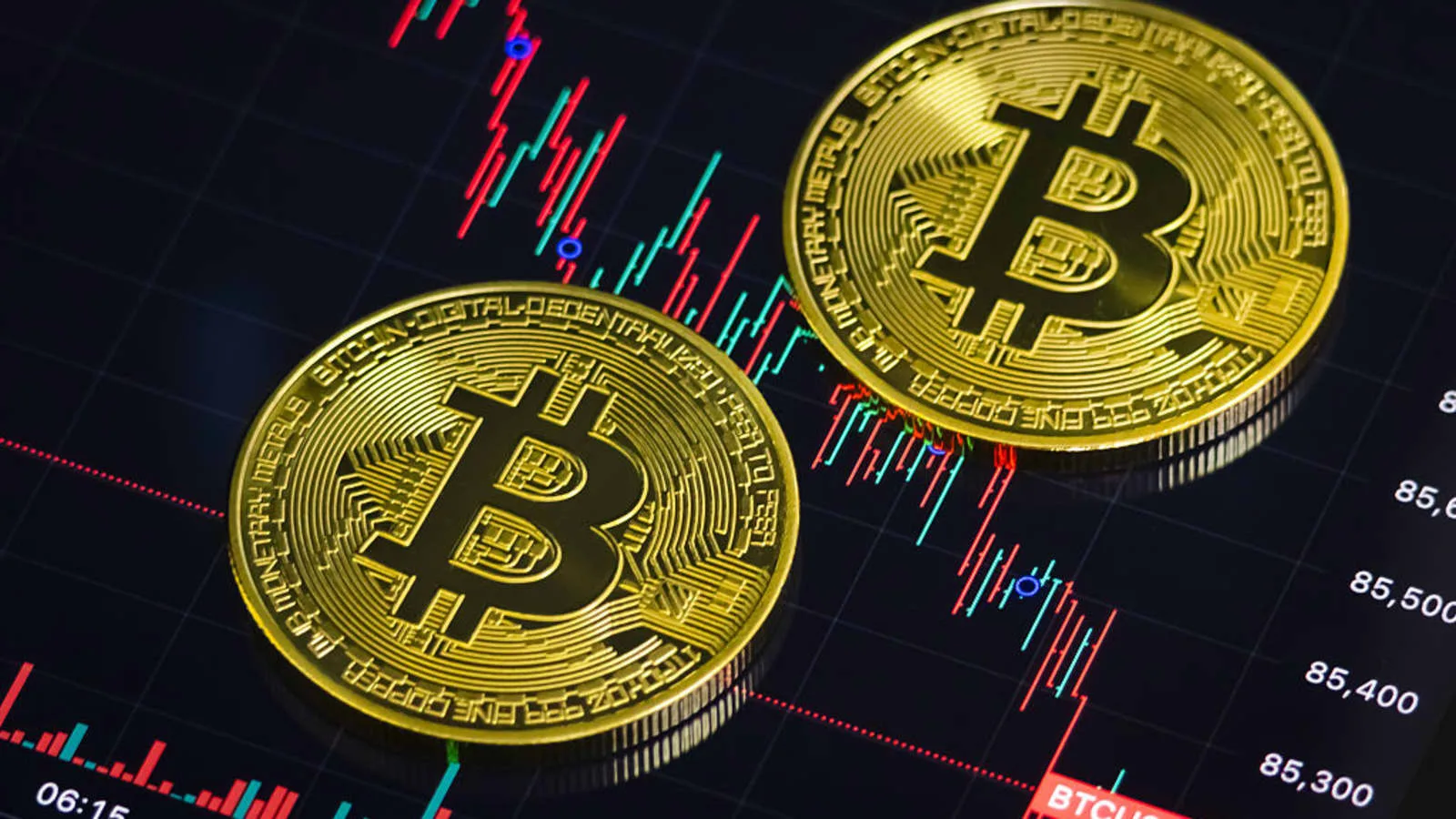
A BTC spot exchange is a cryptocurrency trading platform where people can buy and sell Bitcoin at current market prices. Unlike leveraged or derivative markets, spot trading generally involves exchanging one asset for another at the prevailing price, with the purchased Bitcoin credited to the buyer’s account according to the platform’s rules.
Bitcoin spot trading has become an important part of the broader cryptocurrency market. However, understanding how exchanges work, how orders are placed, and what risks are involved is essential before using any trading platform.
What Is a BTC Spot Exchange?
A BTC spot exchange provides a marketplace where buyers and sellers can trade Bitcoin. The price is determined by supply and demand within the marketplace.
For example, someone who wants to purchase Bitcoin can place an order using a supported currency or cryptocurrency. Another participant may sell Bitcoin at a price they are willing to accept. When compatible orders are matched, the transaction is executed.
The term “spot” generally distinguishes this market from futures, options, and other derivative products. In a spot transaction, the trade concerns the underlying asset rather than a contract based on its future price.
How Bitcoin Spot Trading Works
Most cryptocurrency exchanges provide a trading interface showing Bitcoin’s current market activity. Users can generally choose a trading pair, such as BTC against a fiat currency or another cryptocurrency.
A trading pair indicates which asset is being used to purchase Bitcoin and which asset is being sold. The available pairs depend on the exchange.
After selecting a pair, users can usually choose between different order types. The most common are market orders and limit orders.
A market order generally attempts to execute immediately at available market prices. A limit order allows the trader to specify a price at which they are willing to buy or sell.
The exact functionality and terminology can vary between platforms.
Market Orders and Limit Orders
Understanding order types is important for anyone learning about BTC spot exchanges.
A market order prioritizes execution. When a user submits one, the exchange generally attempts to fill the order using available offers in the order book.
A limit order prioritizes price. The user specifies the maximum price they are willing to pay when buying or the minimum price they are willing to accept when selling. The order may remain unfilled if the market does not reach the specified price.
Different exchanges may also provide additional order types and advanced trading features. Beginners should understand how an order works before using it with real funds.
Understanding the Order Book
An order book displays buy and sell orders available in a particular trading market. Buy orders are commonly called bids, while sell orders are commonly called asks.
The difference between the highest bid and lowest ask is known as the spread.
A market with substantial trading activity may have a relatively narrow spread, although market conditions can change quickly. Lower-liquidity markets can have wider spreads, potentially increasing the difference between expected and executed prices.
Understanding the order book can help traders see how supply and demand are distributed around the current market price.
Trading Fees
BTC spot exchanges generally charge fees for trading, although fee structures vary considerably.
Some platforms use different fees for makers and takers. Others may offer discounts based on trading volume, account status, or use of specific payment methods.
Before trading, review the exchange’s current fee schedule. Consider both trading fees and other potential charges, such as deposits, withdrawals, conversions, or network-related fees.
A platform with a low advertised trading fee may still have other costs that affect the overall transaction.
Security Is Important
Security should be a major consideration when selecting a BTC spot exchange. Cryptocurrency transactions can involve significant financial risks, and account security is partly the responsibility of the user.
Use strong, unique passwords and enable available security features such as multi-factor authentication. Be cautious about unsolicited messages requesting login details, authentication codes, or transfers.
Never share private keys, recovery phrases, or authentication information with another person.
Users should also understand the difference between keeping Bitcoin on an exchange and transferring it to a personal wallet. Each approach has different security and usability considerations.
Choosing a BTC Spot Exchange
There are many factors to consider when evaluating an exchange.
First, check whether the platform legally operates in your jurisdiction and whether its services are available to you. Regulatory requirements differ between countries.
Next, examine security practices, supported trading pairs, fees, liquidity, deposit and withdrawal options, and customer support.
The user interface also matters. A platform that is difficult to understand can increase the likelihood of trading mistakes.
Do not select an exchange solely because of advertising or promises of high returns. Focus on verifiable information and understand the risks before depositing funds.
Liquidity and Trading Volume
Liquidity describes how easily an asset can be bought or sold without causing a significant change in its price.
A liquid BTC market generally has many active buyers and sellers. This can make it easier to execute orders at prices close to the displayed market price.
Trading volume is one indicator that can help users evaluate market activity, but it should not be the only factor considered. Users should also examine spreads, order-book depth, reputation, and other relevant information.
Bitcoin Price Volatility
Bitcoin prices can change significantly over short periods. This volatility means that a trade can move in an unfavorable direction quickly.
Spot trading does not eliminate market risk. Even when traders purchase the underlying asset rather than using leverage, the value of Bitcoin can decline.
For this reason, anyone considering Bitcoin trading should understand that there is no guaranteed profit. Never assume that historical price increases will continue in the future.
Spot Trading vs. Futures
BTC spot trading and Bitcoin futures are different types of markets.
With spot trading, the transaction involves the underlying Bitcoin asset. With futures, traders enter contracts based on the future price of an asset.
Futures markets can involve leverage and additional risks that do not apply in the same way to ordinary spot transactions.
Beginners should understand these differences before choosing a trading product. Spot trading may be simpler to understand because the transaction is directly connected to the underlying asset, but it still carries substantial market risk.
Keep Records of Transactions
Maintaining accurate records can be useful when trading Bitcoin. Keep information about purchases, sales, deposits, withdrawals, fees, and transfers.
Tax rules for cryptocurrency vary by country and can change over time. Depending on your jurisdiction, buying, selling, exchanging, or transferring cryptocurrency may create reporting or tax obligations.
Consult a qualified tax professional when you need advice about your specific situation.
Avoid Emotional Decisions
Bitcoin’s price can move quickly, and market commentary can create strong emotional reactions. New traders may feel pressure to buy after a price increase or sell after a sharp decline.
Developing a clear approach to risk management can help reduce impulsive decisions. Avoid making trades solely because of social media posts, online rumors, or claims that a particular cryptocurrency will produce guaranteed profits.
Take time to verify information and understand what you are buying or selling.
Final Thoughts
A BTC spot exchange provides a marketplace for buying and selling Bitcoin at current market prices. Understanding trading pairs, order types, spreads, fees, liquidity, security, and market volatility can help users navigate these platforms more confidently.
Choosing an exchange requires more than comparing advertised fees. Consider regulatory availability, security features, liquidity, customer support, withdrawal options, and the platform’s overall reputation.
Most importantly, Bitcoin trading involves financial risk, and prices can change rapidly. There are no guaranteed returns. Anyone considering spot trading should learn how the platform works, use appropriate security practices, keep accurate records, and make decisions based on their own financial circumstances and risk tolerance.
Disclaimer: This article is for informational purposes only and does not constitute financial or investment advice. Cryptocurrency trading involves risk, and readers should conduct their own research before making investment decisions.