Budget-Friendly Home Upgrades That Make a Big Impact
Your home is one of the most important spaces in your life, and keeping it fresh and functional does not have to cost a fortune. Whether you own a small apartment or a sprawling house in Seattle, Washington, there are countless ways to breathe new life into your living space without stretching your budget.
The secret lies in knowing where to focus your energy and how to make smart, targeted improvements that deliver the most visual and practical value.
Transforming Your Kitchen Without Breaking the Bank
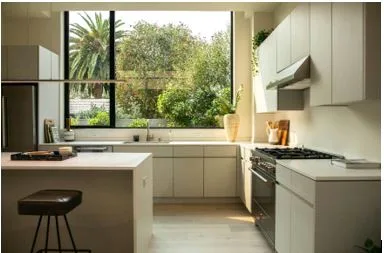
Walk into almost any home and the kitchen is where everything happens. It is where meals are made, conversations happen, and memories are built. It is also one of the spaces where even minor improvements can have a dramatic effect on how the entire home feels. Many homeowners assume that updating a kitchen requires an enormous investment, but that assumption is far from the truth. Simple changes like repainting cabinets, swapping out old hardware, adding open shelving, or upgrading lighting fixtures can completely transform the space.
Of course, not every homeowner wants a one-size-fits-all solution. Some people want a kitchen that reflects their specific lifestyle, which is exactly why the demand for custom kitchen remodeling in Seattle has grown among homeowners who want thoughtful, personalized updates without going overboard on spending. Beyond aesthetics, improving the kitchen’s functionality, such as better storage solutions or a more efficient layout, adds genuine daily value to your life.
Refreshing Walls with Paint
One of the most affordable and impactful changes you can make in any room is a fresh coat of paint. Color has a powerful effect on how a space feels. Lighter shades can make a small room feel more open and airy, while deeper tones add warmth and character to larger spaces. Painting is a project many homeowners can tackle themselves over a weekend, and the transformation is often remarkable.
Do not underestimate the difference that trim paint makes, either. Freshening up baseboards, window frames, and door casings in crisp white can make an entire room look cleaner and more polished without touching the walls at all.
Upgrading Light Fixtures and Bulbs
Lighting is one of the most underrated elements of home design. A poorly lit room can feel dingy and uninviting, no matter how well it is decorated. Swapping out dated fixtures for more modern options instantly updates the look of a space. Pendant lights over a dining table, a statement piece in the entryway, or updated sconces in the bathroom are all relatively affordable upgrades that make a noticeable difference.
Beyond fixtures, simply switching to warmer bulbs throughout the home creates a cozier, more welcoming atmosphere. Good lighting has the ability to make a space feel larger, cleaner, and more intentional.
Updating Hardware Throughout the Home
Cabinet handles, drawer pulls, doorknobs, and faucet fixtures are small details that quietly define the overall feel of a home. When these elements are outdated or mismatched, they can drag down even a beautifully designed space. Replacing them is one of the easiest and most budget-conscious upgrades available to homeowners.
It requires no professional help in most cases and can be completed in a single afternoon. A consistent hardware finish across the kitchen and bathrooms ties the home together and gives it a more curated, deliberate look.
Improving Curb Appeal
First impressions matter, and the exterior of your home sets the tone before anyone even steps inside. Fortunately, you do not need a major renovation to significantly improve curb appeal. Start with the basics: a freshly painted front door, clean pathways, trimmed hedges, and a tidy lawn already make a world of difference.
Adding potted plants near the entrance brings color and warmth to an otherwise plain facade. Updating the house numbers and mailbox are small details that show attention to care. These are inexpensive improvements that collectively make your home look well-maintained and welcoming from the street.
Bathroom Touch-Ups That Deliver Results
Bathrooms are another area where small upgrades carry significant weight. Replacing an old mirror with a more stylish one, installing a new showerhead, regrouting tiles, or adding a floating shelf for storage are all low-cost projects that make a bathroom feel more spa-like and functional.
A new shower curtain and matching accessories can completely change the room’s personality. If the vanity is in decent shape but looks tired, painting it and adding new hardware is far more cost-effective than a full replacement, yet it achieves a similarly refreshed result.
Flooring Upgrades on a Budget
Flooring can be one of the more expensive home improvement categories, but there are smart ways to work around a tight budget. Area rugs are one of the fastest ways to add warmth, texture, and color to a room without touching the existing floor. They also protect the flooring underneath, which adds long-term value.
In areas where the flooring genuinely needs attention, there are affordable options that mimic the look of hardwood or stone without the hefty price tag. In many cases, simply having existing hardwood floors professionally cleaned and refinished rather than replaced delivers a dramatic result at a fraction of the cost.
Decluttering and Smart Storage Solutions
Sometimes the most impactful upgrade costs almost nothing at all. Decluttering a home and organizing it thoughtfully can make even an average space feel larger and more comfortable. Adding built-in-style shelving using affordable materials, installing hooks in entryways, or using under-bed storage to clear out cluttered closets all contribute to a home that functions better on a daily basis. A home that is organized and well-arranged naturally feels more put together, and that feeling is hard to put a price on.
Home improvement does not require deep pockets or a complete overhaul. With the right priorities and a willingness to put in a little effort, even modest upgrades can transform how a space looks and feels. The key is to approach each project with intention rather than impulse.