
Building a Greener Future: The Benefits of Sourcing Sustainable Lumber
As the world grapples with the consequences of climate change and environmental degradation, the quest for sustainability becomes imperative in all sectors, including the lumber industry. Sustainable lumber represents a crucial step in this journey, offering a pathway to minimize the negative environmental impacts associated with traditional logging practices. From reducing deforestation to conserving biodiversity, sourcing lumber sustainably can lead to significant positive changes for the planet.
Understanding Sustainable Lumber and Its Environmental Impact

The concept of sustainable lumber revolves around harvesting wood in a manner that maintains and preserves the natural ecosystems of forests. This practice ensures that the extraction of timber does not lead to long-term environmental damage, including loss of biodiversity and soil erosion. By implementing responsible forest management techniques, sustainable lumber production can maintain ecological balance and promote the regeneration of vital forest areas.
One of the key environmental impacts of sustainable lumber is the reduction of carbon emissions. Trees play a critical role in sequestering carbon dioxide, and by managing forests responsibly, the lumber industry can help mitigate climate change. Sustainable lumber practices also prevent excessive deforestation, which is crucial for preserving the habitats of countless wildlife species and maintaining the health of our planet’s lungs—the vast forests.
Through organizations like H&H Forestry, which specialize in sustainable forest management, the industry is setting a benchmark for environmental stewardship. Their commitment to sustainable practices demonstrates how the lumber industry can operate in harmony with nature, providing valuable resources while protecting the environment for future generations.
The Role of Sustainable Lumber in Green Building Practices
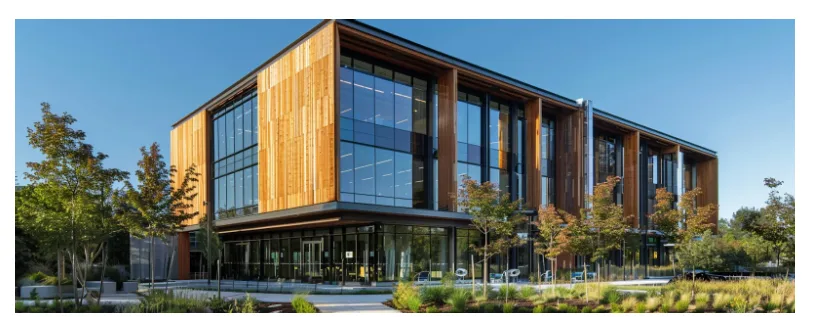
Green building practices aim to reduce the environmental footprint of construction projects by utilizing materials and methods that are environmentally responsible and resource-efficient. Sustainable lumber plays a pivotal role in this movement as it provides a renewable resource that helps minimize the negative impacts of building construction on the environment. The integration of sustainably sourced wood into construction meets both the aesthetic and functional demands of modern architecture.
Using sustainable lumber in green buildings contributes to better energy efficiency, as wood has natural insulating properties that can reduce the need for artificial heating and cooling. This, in turn, leads to lower energy consumption and fewer greenhouse gas emissions. Furthermore, because sustainable lumber is often locally sourced, it reduces the environmental costs associated with transportation and supports local economies.
Furthermore, green building certifications like LEED (Leadership in Energy and Environmental Design) recognize the importance of sustainable materials. The use of certified sustainable lumber can contribute to a building’s LEED points, signifying its environmental performance and commitment to sustainability. This recognition serves as an incentive for builders and developers to choose lumber that has been harvested with the planet’s well-being in mind.
In addition to environmental benefits, sustainable lumber offers advantages for the health and well-being of building occupants. The use of non-toxic treatments and reduced chemical processing means that sustainable wood can improve indoor air quality and create a safer living environment free from harmful substances often associated with conventional lumber.
Economic Advantages of Choosing Sustainable Lumber
The benefits of sustainable lumber extend beyond environmental considerations to encompass economic advantages as well. Initially, it may appear that choosing sustainable lumber comes with a higher price tag compared to traditional options. However, the long-term economic benefits, including durability and lower maintenance costs, often result in a more cost-effective solution over the lifespan of the wood product.
Sustainable lumber also supports local economies by creating job opportunities within communities that practice responsible forest management. This encouragement of local industry can help foster a more resilient economic structure that is less dependent on global market fluctuations. By investing in sustainably sourced lumber, consumers and businesses contribute to the stability and growth of regional markets.
The push for sustainability is also driving innovation in the lumber industry, leading to the development of new products and construction techniques that could reshape market dynamics. As demand for sustainable building materials grows, producers are incentivized to invest in technologies that enhance efficiency and sustainability, potentially lowering costs and increasing the competitiveness of sustainable lumber.
Finally, as regulations surrounding environmental protection tighten, companies utilizing sustainable lumber may face fewer regulatory hurdles and benefit from government incentives aimed at promoting eco-friendly business practices. This regulatory advantage can make sustainable lumber a more attractive option for companies looking to mitigate risk and ensure long-term compliance with environmental laws.
Overall, the benefits of sourcing sustainable lumber are clear, ranging from environmental gains to economic and health advantages. By adopting sustainable practices, we can ensure that the forests that provide these vital resources remain vibrant and thriving for generations to come.