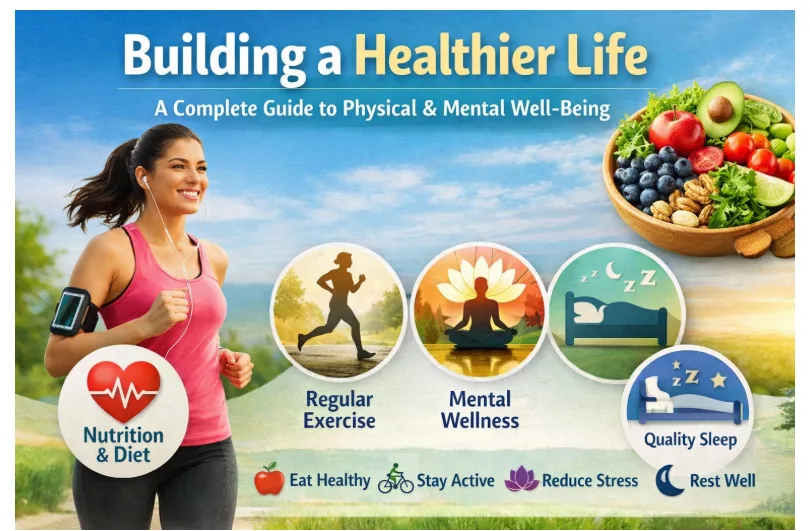
Building a Healthier Life: A Complete Guide to Physical and Mental Well-Being
In today’s modern world, maintaining good health has become more important than ever. Busy schedules, digital lifestyles, and unhealthy eating habits often cause people to ignore their well-being. However, true success and happiness depend greatly on a healthy body and mind.
Health is not just about avoiding illness—it is about creating a balanced lifestyle that supports physical strength, mental clarity, and emotional stability. When people prioritize their health, they experience higher energy levels, improved productivity, and a better quality of life.
This detailed guide explores the importance of health, key lifestyle habits for staying healthy, and practical steps you can follow to build a long-lasting healthy routine.
🩺 Understanding the True Meaning of Health
Health is a holistic concept that involves several aspects of life. A person is considered healthy when their physical, mental, and emotional states are in balance.
Good health allows individuals to perform daily tasks effectively, enjoy life, and handle challenges without excessive stress or fatigue.
Key dimensions of health include:
1️⃣ Physical Health
Physical health refers to the proper functioning of the body. It involves maintaining a healthy weight, staying active, and avoiding harmful habits.
2️⃣ Mental Health
Mental health focuses on emotional stability, positive thinking, and the ability to cope with life’s pressures.
3️⃣ Social Health
Humans are social beings. Maintaining strong relationships and social connections also contributes to overall well-being.
4️⃣ Lifestyle Health
Daily habits such as diet, sleep patterns, and activity levels greatly influence long-term health.
When all these factors work together, individuals can enjoy a more balanced and fulfilling life.
🥗 Nutrition: The Foundation of Good Health
Food plays a major role in shaping overall health. The body needs essential nutrients to perform vital functions such as energy production, cell repair, and immune defense.
A healthy diet includes a variety of nutrient-rich foods that support different parts of the body.
Essential Nutrients for the Body
🍎 Vitamins
Vitamins support immunity, skin health, and energy metabolism. Fruits and vegetables are excellent sources.
🥩 Proteins
Proteins help repair tissues, build muscles, and support growth.
🌾 Carbohydrates
Carbohydrates provide energy for daily activities and brain function.
🥑 Healthy Fats
Healthy fats help maintain brain health and support hormone production.
💧 Water
Water helps regulate body temperature, flush toxins, and support digestion.
Healthy Eating Tips
To improve your diet, consider the following habits:
- Eat fresh fruits and vegetables daily
- Reduce processed and fast foods
- Limit sugar and salt intake
- Include whole grains in meals
- Drink plenty of water throughout the day
A balanced diet helps prevent health issues such as obesity, heart disease, and digestive problems.
🏃♂️ The Importance of Regular Physical Activity
Exercise is one of the most powerful tools for maintaining health. Regular physical activity improves circulation, strengthens muscles, and boosts overall energy levels.
People who exercise regularly tend to have stronger immune systems and lower risks of chronic diseases.
Benefits of Exercise
Regular exercise offers several advantages:
- Improves heart and lung function
- Strengthens muscles and bones
- Supports healthy weight management
- Boosts mood and mental health
- Reduces stress and anxiety
- Improves sleep quality
Even simple activities such as walking, jogging, cycling, or stretching can make a big difference.
Recommended Activity Levels
Health experts generally recommend:
- 30 minutes of moderate exercise daily
- 150 minutes of physical activity per week
The key is consistency rather than intensity.
🧠 Why Mental Health Deserves Attention
Mental health is an essential part of overall wellness. Emotional stress, anxiety, and depression can significantly affect physical health.
People often overlook mental health until problems become serious. Maintaining emotional balance helps individuals think clearly, make better decisions, and maintain positive relationships.
Signs of Poor Mental Health
Some warning signs include:
- Constant stress or worry
- Difficulty concentrating
- Mood swings
- Sleep problems
- Lack of motivation
Recognizing these symptoms early can help prevent long-term mental health challenges.
Ways to Improve Mental Well-Being
Several simple habits can support mental health:
- Practice meditation or mindfulness
- Spend time in nature
- Stay connected with family and friends
- Take breaks from work and digital devices
- Engage in hobbies or creative activities
If mental health struggles become overwhelming, seeking professional support can be very beneficial.
😴 The Role of Sleep in Overall Health
Sleep is one of the most important factors for physical recovery and mental clarity. During sleep, the body repairs tissues, strengthens the immune system, and processes information from the day.
Unfortunately, many people sacrifice sleep because of work, social media, or entertainment.
Effects of Poor Sleep
Lack of sleep can lead to:
- Fatigue and low energy
- Reduced concentration
- Mood instability
- Weakened immune system
- Increased risk of chronic illnesses
Adults typically need 7 to 9 hours of sleep each night to function properly.
Tips for Better Sleep
To improve sleep quality:
- Maintain a consistent sleep schedule
- Avoid screens before bedtime
- Create a comfortable sleep environment
- Limit caffeine intake in the evening
- Practice relaxation techniques before sleeping
Quality sleep helps the body stay energized and healthy.
🧘 Healthy Lifestyle Habits That Make a Big Difference
Small daily habits can significantly improve long-term health outcomes.
Here are some practical lifestyle habits that support better well-being:
🚶 Stay Active
Take short walks or stretch throughout the day.
🥗 Eat Mindfully
Choose nutritious meals and avoid overeating.
💧 Stay Hydrated
Drink enough water to support body functions.
🧘 Manage Stress
Practice relaxation techniques like deep breathing or yoga.
🩺 Get Regular Health Checkups
Routine medical checkups help detect potential health issues early.
🚑 When Health Problems Require Immediate Care
Some health conditions require urgent medical attention. Ignoring serious symptoms can lead to dangerous complications.
Seek immediate care if you experience:
- Severe chest pain
- Difficulty breathing
- Sudden dizziness or fainting
- Severe injuries or heavy bleeding
- High fever that does not improve
Early medical intervention can save lives and prevent severe complications.
🌍 The Connection Between Lifestyle and Long-Term Health
Many modern health issues such as obesity, heart disease, and diabetes are strongly linked to lifestyle choices.
By adopting healthier habits, individuals can significantly reduce the risk of chronic illnesses.
Key lifestyle factors include:
- Balanced nutrition
- Regular physical activity
- Healthy sleep patterns
- Stress management
- Avoiding smoking and excessive alcohol consumption
Making gradual improvements in these areas can dramatically improve long-term health.
🌟 Final Thoughts
Health is one of the greatest assets anyone can possess. Without good health, it becomes difficult to enjoy life, pursue goals, or maintain strong relationships.
Taking care of your body and mind requires commitment, but the rewards are life-changing. By focusing on proper nutrition, regular exercise, mental wellness, and healthy sleep habits, you can build a lifestyle that supports long-term well-being.
Remember, small daily choices shape your future health. Start making positive changes today to enjoy a healthier, happier, and more fulfilling life.