Building Protection That Lasts: The Role of Advanced Waterproofing in Modern Construction
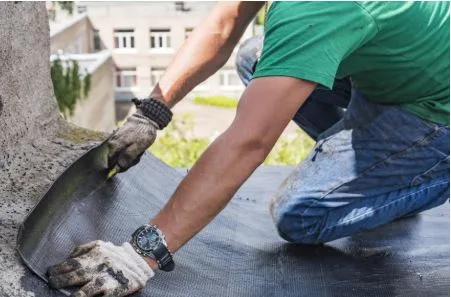
In today’s construction landscape, durability is no longer a luxury, it is an expectation. From residential homes to large-scale infrastructure and data centers, structures are designed to last longer, perform better, and withstand increasingly complex environmental conditions. At the heart of this durability lies one critical element that often goes unnoticed until problems arise: waterproofing.
Effective waterproofing is not just about keeping water out; it is about preserving structural integrity, protecting investments, and ensuring long-term performance. As construction techniques evolve, so too must the materials and strategies used to safeguard buildings. This is where modern waterproofing systems play a pivotal role.
Why Waterproofing Matters More Than Ever
Water intrusion is one of the leading causes of structural deterioration. It can weaken concrete, corrode steel reinforcements, damage interiors, and create environments conducive to mold and mildew. Left unchecked, these issues can lead to costly repairs, safety hazards, and reduced property value.
For property developers and building owners, waterproofing is a proactive investment. It helps:
- Extend the lifespan of structures
- Reduce maintenance and repair costs
- Protect sensitive equipment and interiors
- Improve overall building performance
In sectors such as data centers and healthcare facilities, where operational continuity is critical, even minor water damage can have significant consequences. Waterproofing, therefore, becomes a non-negotiable aspect of design and construction.
Challenges Across Different Environments
Every construction project presents unique waterproofing challenges. Environmental conditions, building design, and usage all influence the type of solution required.
Tropical and High-Rainfall Climates
In regions with heavy rainfall and high humidity, constant exposure to moisture increases the risk of leaks and seepage. Waterproofing materials must be highly resistant to water pressure and capable of maintaining performance under continuous exposure.
High-Rise Buildings
Tall structures face wind-driven rain and temperature fluctuations. Expansion and contraction can cause cracks, making flexible waterproofing solutions essential to accommodate structural movement.
Rooftops and Podiums
Flat roofs are particularly vulnerable to water pooling. Without proper drainage and waterproofing, these areas can quickly develop leaks that penetrate into the building below.
Basements and Underground Structures
Subterranean spaces are exposed to groundwater pressure. Effective waterproofing must resist hydrostatic pressure while maintaining a strong bond with the substrate.
Addressing these challenges requires not only high-quality materials but also expertise in selecting and applying the right solution for each scenario.
Types of Waterproofing Membranes and Their Applications
Modern construction relies on a variety of waterproofing membranes, each designed for specific applications and conditions.
Cementitious Waterproofing
Commonly used in internal wet areas such as bathrooms and water tanks, cement-based coatings are easy to apply and provide reliable protection against moisture.
Liquid-Applied Membranes
These membranes are applied as a liquid and cure to form a seamless, flexible barrier. They are ideal for complex surfaces and areas with multiple penetrations.
Bituminous Membranes
Widely used in roofing and below-ground applications, bituminous systems offer excellent durability and resistance to water ingress.
Polyurethane and Hybrid Membranes
For projects requiring superior flexibility and performance, a high-performance waterproofing membrane is often the preferred choice. These advanced materials can accommodate structural movement, resist UV exposure, and provide long-lasting protection even in demanding environments.
The choice of membrane depends on factors such as substrate type, exposure conditions, and performance requirements. A well-designed waterproofing strategy often combines multiple systems to achieve optimal results.
What Defines a Reliable Waterproofing Manufacturer?
With so many products available in the market, selecting the right manufacturer is just as important as choosing the right material. A reliable waterproofing partner brings more than just products—they offer expertise, innovation, and consistency.
Key qualities to look for include:
Proven Track Record
Experience in delivering successful projects across different sectors and environments is a strong indicator of reliability.
Commitment to Quality
High manufacturing standards, rigorous testing, and adherence to international certifications ensure consistent product performance.
Innovation and R&D
As construction challenges evolve, manufacturers must continuously develop new solutions to meet changing demands.
Technical Support
Comprehensive support from product selection to application guidance—helps ensure that systems are installed correctly and perform as intended.
From Local Expertise to Global Impact
In the competitive world of construction materials, some manufacturers stand out for their ability to combine local expertise with a global outlook. Companies like Chemind Industries exemplify this approach by focusing on product reliability, innovation, and adaptability.
With years of experience in the waterproofing membrane sector, Chemind has developed solutions tailored to a wide range of applications—from residential buildings to large-scale infrastructure projects. Their presence in multiple markets reflects a commitment to meeting diverse environmental and regulatory requirements.
Rather than taking a one-size-fits-all approach, such manufacturers emphasize performance-driven solutions. This ensures that each product is designed to address specific challenges, whether it is extreme weather conditions, structural movement, or long-term durability.
The Future of Waterproofing in Construction
As urbanization accelerates and buildings become more complex, the importance of waterproofing will only continue to grow. Sustainability is also becoming a key consideration, with developers seeking materials that not only perform well but also contribute to energy efficiency and environmental responsibility.
Advanced waterproofing technologies are evolving to meet these demands. From eco-friendly formulations to smart materials that enhance durability, the future of waterproofing is both innovative and essential.
Conclusion
Waterproofing is a foundational element of modern construction, yet it is often overlooked until problems arise. By investing in high-quality materials and working with experienced manufacturers, developers and contractors can ensure long-term protection and performance.
Whether it is through advanced membranes, tailored solutions, or ongoing innovation, the role of waterproofing continues to expand. In an industry where durability and reliability are paramount, choosing the right systems and partners makes all the difference in building structures that truly stand the test of time.