
Building Your Skillset: From Hoist Operation to 4WD Mastery on Australian Worksites
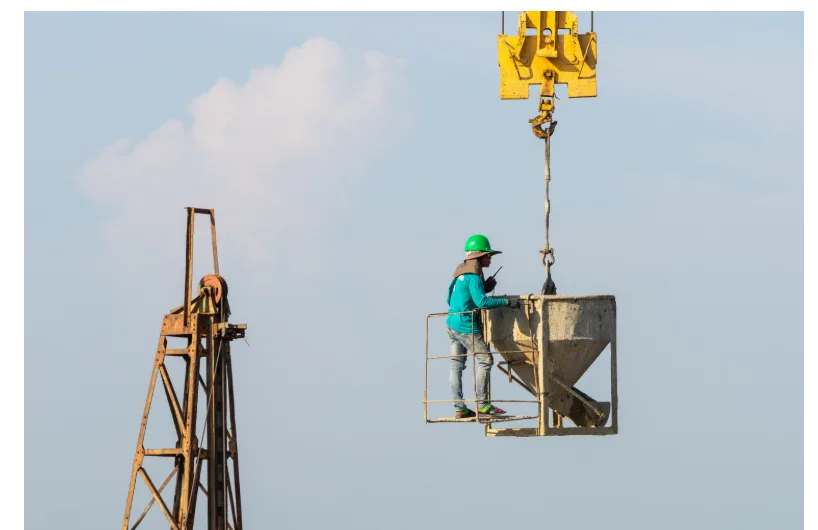
In the demanding world of Australian construction, mining, and resource operations, versatility is a key asset. While specialised high-risk licences are non-negotiable for many roles, the ability to handle challenging terrain is equally critical for access and logistics. This reportage explores two distinct but valuable training pathways offered by Safety Australia Training: obtaining a Personnel and Materials Hoist Ticket (HP Licence) and completing professional 4WD Training. Together, they equip workers with both the vertical and horizontal mobility skills essential for modern projects.
Part 1: Operating Safely at Height with an HP Licence
What is a Personnel and Materials Hoist?
A personnel and materials hoist (often called a construction hoist or mast climbing hoist) is a temporary elevator installed on the exterior of buildings under construction. It is a vital piece of equipment for efficiently and safely transporting workers, tools, and materials to great heights, making it indispensable for high-rise construction.
The HP Licence Course: Your Ticket to Operate
Operating these hoists requires a specific High Risk Work Licence (HRWL). The HP Licence course provides the mandatory training and assessment for this role.
- Course Overview: The training covers the safe operation of both personnel and materials hoists. Trainees learn to conduct pre-operational checks, understand control systems, follow safety protocols, and manage the loading and unloading process.
- Outcome: Successful participants gain the competency required to apply for the national High Risk Work Licence (class HP) through the state regulator (like SafeWork). This licence is a legal requirement to operate these hoists on site.
- Why It’s Vital: Incorrect hoist operation poses severe risks, including mechanical failure, overloading, and falls. Certified operators ensure not only their own safety but also that of their crew, helping to prevent serious incidents and keep projects moving smoothly.
Part 2: Mastering the Terrain with 4WD Training
Beyond Recreational Driving
While many Australians are familiar with 4WD vehicles, professional 4WD training is fundamentally different from recreational off-roading. It focuses on the systematic, safe, and efficient operation of 4WDs in a work context, where vehicles are assets and drivers are responsible for their own safety, their passengers’, and the protection of company equipment.
What Professional 4WD Training Covers
A comprehensive course, such as the one offered, moves far beyond basic “how to use 4WD” instructions. Key modules typically include:
- Vehicle Dynamics & Safety Systems: Understanding your specific 4WD system (part-time, full-time, electronic aids), pre-start checks, and load distribution.
- Advanced Driving Techniques: Practicing recovery preparation, negotiating steep ascents and descents safely, crossing obstacles and uneven terrain, and mastering low-range gear operation.
- Risk Management & Trip Planning: Learning how to assess terrain, plan routes, check weather conditions, and understand legal obligations for work-related travel.
- Emergency Procedures: Hands-on training in using recovery equipment like MaxTrax, snatch straps, and winches to safely recover a bogged vehicle without injury or damage.
The Value for Businesses and Workers
For businesses, sending employees on accredited 4WD training mitigates a significant operational risk. It leads to reduced vehicle damage, lower insurance premiums, fewer downtime incidents, and, most importantly, a safer workforce. For workers, it builds confidence, enhances employability for remote or site-based roles, and provides life-saving skills for both work and personal travel.
Two Skills, One Goal: Enhanced Safety and Efficiency
Though an HP Licence and 4WD Training cater to different tasks, they share a core principle: competence through certified training. One ensures safety in vertical movement on structured sites; the other ensures safety and capability in horizontal movement across unstructured environments.
Investing in these qualifications demonstrates a commitment to professional standards. It allows individuals to take on more responsibilities and provides companies with multi-skilled personnel who can adapt to the complex access challenges of Australian projects—from city skyscrapers served by hoists to remote outback sites accessible only by capable 4WD.
Ready to enhance your on-site capabilities? Explore the specific requirements and booking details for obtaining your hoist ticket (HP licence) or advancing your driving skills with professional 4wd training.