Built-In Range Hood Inserts: The Professional Ventilation Upgrade Your Kitchen Deserves
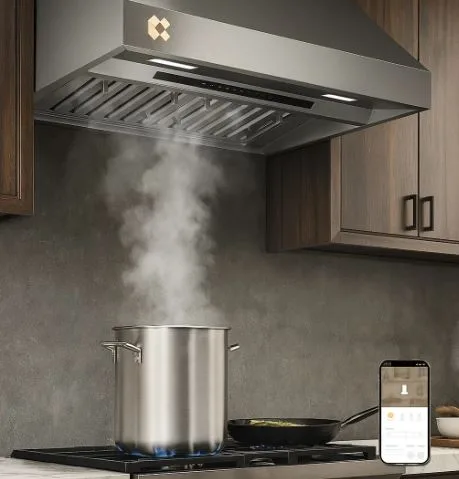
There’s a segment of kitchen renovation that doesn’t get enough attention: the transition from standard ventilation to a truly integrated system. Built-in range hood inserts, sometimes called custom hood liner systems, represent this upgrade path — and they’re far more accessible than many homeowners realize.
Whether you’re doing a full kitchen remodel or simply upgrading your ventilation to match a new aesthetic, a range hood insert gives you performance and customization that standard hoods can’t match.
Understanding the Insert Concept
At its core, a range hood insert is just the functional internal components of a ventilation system: the blower, motor, filters, and controls. What makes it an ‘insert’ is that you provide the exterior housing — typically a custom wood or tile enclosure that integrates seamlessly with your kitchen’s cabinetry.
This means your ventilation system looks like it was always meant to be there, built-in from the start. It’s a completely different aesthetic from the off-the-shelf hoods that often look somewhat bolted on.
Custom Hood Liner Systems: Design Possibilities
With custom hood liner systems, your design options are essentially limitless:
- Match your cabinetry exactly — same wood species, stain, and finish
- Create a plaster or stone surround for a Mediterranean or farmhouse aesthetic
- Build an oversized architectural statement hood in any shape
- Incorporate open shelving or decorative elements around the insert
- Use the enclosure to hide other kitchen utilities for a streamlined look
Choosing the Right Insert Size
Range hood inserts are measured by width, and should match or exceed your cooktop width. Standard sizes are 30, 36, 42, and 48 inches. CFM output varies widely — from around 400 for lighter home cooking to 1,200+ for professional-grade setups.
For most home kitchens, a 400–600 CFM insert provides excellent everyday performance without excessive noise or the need for makeup air systems (which high-CFM units may require).
Blower Location Options
One practical advantage of range hood inserts is flexibility in blower placement. You can mount the blower:
- Inside the insert housing (standard inline configuration)
- Remotely in the attic or outside — dramatically reduces operating noise
- At the exterior duct termination (external blower) for maximum quietness
Remote blower configurations are popular in open-plan spaces where noise travels easily — guests in a living room adjacent to the kitchen won’t notice the hood running at all.
The Ciarra Nosh Oven and a Thoughtfully Ventilated Kitchen
A kitchen built around quality cooking appliances deserves equally quality ventilation. The Ciarra Nosh Oven brings precision and consistency to countertop cooking, while a built-in range hood insert keeps the air above your primary range clean and fresh. Together, they represent a thoughtfully integrated kitchen where every element earns its place.
Maintenance Is Simple
Most range hood inserts use stainless steel baffle filters that are dishwasher-safe and virtually indestructible. Clean them monthly, wipe down the interior of your enclosure periodically, and the system will perform at its best indefinitely.
Replace the motor blower if it ever wears out — most inserts are designed with serviceable components, which is a meaningful advantage over integrated units where a blown motor means replacing the whole hood.
Is a Range Hood Insert Right for You?
If you’re renovating a kitchen and want ventilation that looks completely custom while performing at the highest level, a range hood insert is the answer. It takes more planning than buying a standard hood off the shelf, but the results — both in performance and aesthetics — are in a completely different league.