Buy 1kg of MHRB: A Complete and In-Depth Guide for Informed Buyers
When people search for high-quality botanical materials, Mimosa hostilis root bark often comes up due to its long history, versatility, and cultural relevance. Choosing to Buy 1kg of MHRB is not a casual decision; it reflects a need for quality, consistency, and a deeper understanding of what this natural product truly represents. This article provides a detailed, original, and comprehensive overview of MHRB, its origins, uses, quality factors, storage considerations, and what buyers should know before purchasing in bulk.
Understanding MHRB: An Overview
What Is Mimosa Hostilis Root Bark?
Mimosa hostilis, also known as Mimosa tenuiflora, is a perennial tree native to parts of South and Central America, especially Brazil and Mexico. The inner root bark of this tree, commonly referred to as MHRB, has been traditionally valued for centuries due to its unique botanical properties.
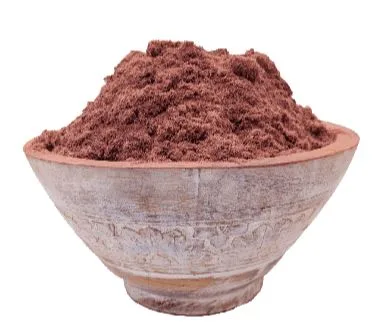
The root bark is carefully harvested, dried, and processed into various forms such as whole bark, shredded material, or fine powder. Each form serves different practical and cultural purposes depending on the end use.
Historical and Cultural Significance of MHRB
Traditional Uses Across Generations
Indigenous communities have used Mimosa hostilis root bark for hundreds of years. Historically, it has been valued in traditional practices related to natural dyeing, skin care, and ceremonial rituals. The deep reddish-purple pigments found in the bark made it especially useful as a natural textile dye long before synthetic alternatives existed.
Ethnobotanical Importance
MHRB holds an important place in ethnobotany, as it represents the close relationship between native cultures and the natural environment. Knowledge about harvesting and preparing the root bark has traditionally been passed down through generations, emphasizing sustainability and respect for the plant.
Why People Choose to Buy 1kg of MHRB
Bulk Quantity for Long-Term Use
Purchasing one kilogram of MHRB is often ideal for individuals or businesses that require a consistent supply. Buying in bulk ensures uniformity in quality and reduces the need for frequent reordering.
Cost Efficiency and Practicality
From a practical standpoint, bulk quantities like 1kg are often more economical. Buyers can store the material properly and use it over time, making it a cost-effective choice for artisans, researchers, or natural product enthusiasts.
Common Applications of MHRB
Natural Dye Production
One of the most widely recognized uses of Mimosa hostilis root bark is in natural dyeing. The bark contains rich tannins and pigments that produce deep, earthy tones on natural fabrics such as cotton, wool, and silk.
Skin and Cosmetic Research
MHRB has been studied for its botanical compounds, leading to interest in cosmetic and skin-related research. Historically, it has been associated with traditional skin applications, which continues to inspire modern natural product exploration.
Educational and Botanical Study
Researchers and students often seek MHRB for educational purposes. Studying its chemical composition, growth patterns, and traditional uses contributes to a broader understanding of medicinal plants and sustainable harvesting practices.
Quality Factors to Consider When Buying MHRB
Origin and Harvesting Methods
High-quality MHRB typically comes from regions where the tree grows naturally. Ethical harvesting practices are essential, as they ensure the long-term sustainability of Mimosa hostilis populations.
Texture, Color, and Aroma
Fresh, well-processed root bark usually has a rich reddish-brown or purple hue. The aroma should be earthy and natural, not musty or stale. These sensory indicators often reflect proper drying and storage.
Powdered vs Shredded vs Whole Bark
Different forms serve different needs. Powdered bark offers convenience, while shredded or whole bark may retain freshness longer. Choosing the right form depends on how the material will be used and stored.
MHRB for Sale: What Buyers Should Know
Evaluating Product Descriptions
When encountering MHRB for sale, it is important to read descriptions carefully. Look for clear information regarding origin, processing method, and form. Transparency is often a strong indicator of quality.
Legal and Ethical Considerations
The legality of Mimosa hostilis root bark varies by region. Buyers should always be aware of local regulations and ensure their purchase complies with applicable laws. Ethical sourcing also plays a key role in responsible buying decisions.
Avoiding Low-Quality or Misrepresented Products
Low-grade MHRB may appear faded, overly fibrous, or contaminated with outer bark and debris. Being informed helps buyers avoid inferior products and ensures they receive genuine inner root bark.
Storage and Shelf Life of MHRB
Proper Storage Conditions
To maintain quality, MHRB should be stored in a cool, dry place away from direct sunlight. Airtight containers help preserve color, aroma, and overall integrity.
Longevity When Stored Correctly
When stored properly, bulk quantities such as 1kg can retain their quality for extended periods. Proper storage minimizes moisture exposure and prevents degradation.
Sustainability and Environmental Responsibility
Importance of Sustainable Harvesting
Mimosa hostilis trees play a role in their native ecosystems. Responsible harvesting practices help prevent overexploitation and ensure that future generations can benefit from this valuable plant.
Supporting Ethical Supply Chains
Choosing responsibly sourced MHRB supports local communities and encourages environmentally conscious practices. This approach benefits both the buyer and the ecosystem.
Final Thoughts on Buying 1kg of MHRB
Deciding to Buy 1kg of MHRB is about more than just quantity. It involves understanding the plant’s history, quality indicators, ethical considerations, and intended uses. With its deep cultural roots, versatile applications, and botanical significance, Mimosa hostilis root bark continues to attract attention worldwide.
By educating yourself and making informed decisions when you see MHRB for sale, you ensure that your purchase aligns with quality expectations, legal standards, and sustainable values. This thoughtful approach not only enhances your experience but also contributes to the responsible appreciation of one of nature’s most intriguing botanical resources.