BUY BPC-157 USA: What Does BPC-157 Do to the Body? – Incredible Peptides
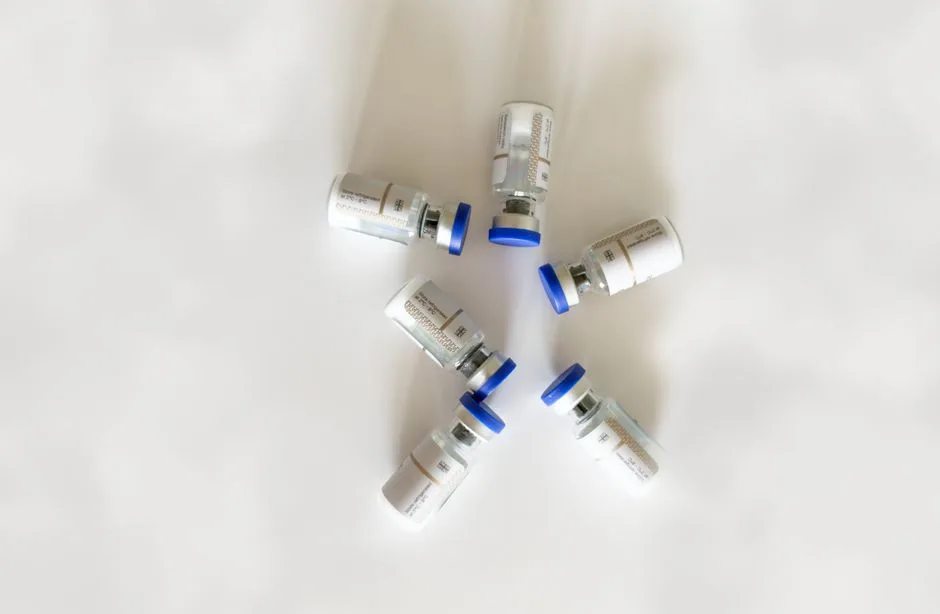
BPC-157 is an experimental peptide that has attracted scientific interest because of its potential effects on tissue repair, inflammation, and gastrointestinal health. People researching BPC-157 often want to understand how it works, what researchers have discovered, and whether it may have applications in recovery and tissue protection.
Before you Buy BPC-157, it is important to understand the available scientific evidence, its limitations, and the safety questions that remain unanswered.
What Is BPC-157?
BPC-157 is a synthetic 15-amino-acid peptide whose sequence is derived from a protein fraction originally isolated from gastric juice. Much of the published research has come from research groups at the University of Zagreb.
Scientists have investigated its potential biological effects through laboratory experiments and animal studies. Research has explored its possible relationship with tissue repair, inflammatory responses, gastrointestinal protection, and other biological processes.
However, most available evidence comes from preclinical research. Human clinical studies remain limited, meaning its effectiveness and safety for treating medical conditions have not been established.
What Does BPC-157 Do to the Body?
Researchers have investigated several possible biological effects of BPC-157. These findings represent areas for further study rather than proof of established medical benefits.
Potential Effects on Tissue Repair
Animal studies have examined whether BPC-157 influences healing processes associated with tendons, ligaments, muscles, and other soft tissues.
These studies have explored how the peptide may affect cellular activity and mechanisms involved in recovery. However, animal research cannot establish that BPC-157 improves injury recovery in humans.
Potential Effects on Inflammation
Inflammation is a natural response to injury and infection. Researchers have investigated whether BPC-157 influences inflammatory pathways and related biological responses.
Some preclinical findings suggest potential effects, but their significance in humans remains unclear. BPC-157 should not be considered a proven treatment for inflammation or inflammatory disorders.
Research Into Gastrointestinal Health
Animal studies have examined the potential protective effects of BPC-157 in models of digestive tract injury.
Researchers are interested in how the peptide may influence biological processes involved in maintaining tissue integrity and responding to damage.
Despite this interest, there is insufficient human evidence to establish that BPC-157 effectively treats ulcers, inflammatory bowel conditions, or other digestive disorders.
Research Into Blood Vessel Formation
Angiogenesis is the biological process through which new blood vessels form. This process can contribute to tissue repair by helping deliver oxygen and nutrients to tissues.
Preclinical research has investigated whether BPC-157 influences angiogenesis and related healing mechanisms. However, these findings do not establish that the peptide improves circulation or accelerates recovery in humans.
What Does Current Research Say About BPC-157?
Research into BPC-157 remains at an early stage. Laboratory experiments and animal studies have generated interest in its potential biological effects, but these findings require confirmation through appropriately designed human clinical trials.
Important questions remain about its effectiveness, absorption, metabolism, appropriate dosing, and long-term safety.
People who Buy BPC-157 should understand that product availability does not establish clinical effectiveness or demonstrate that a compound is safe for human use.
Is BPC-157 Safe?
The safety of BPC-157 in humans has not been adequately established. Limited clinical data make it difficult to identify all possible adverse effects, interactions, and long-term risks.
Product quality is another consideration. Research compounds may differ in purity, composition, storage requirements, and manufacturing standards. Product descriptions and quality documentation alone cannot establish clinical safety.
BPC-157 is not an FDA-approved medication for treating medical conditions. Products marketed for research purposes should not be assumed safe for human consumption.
Anyone considering an experimental peptide for an injury or health concern should consult a qualified healthcare professional about established treatment options.
What Should You Know Before You Buy BPC-157?
Before researching suppliers or product specifications, consider the following factors:
· Research evidence: Understand the difference between animal studies and human clinical trials.
· Product documentation: Review available quality information without assuming it proves safety or effectiveness.
· Safety limitations: Recognize that potential adverse effects and long-term risks remain uncertain.
· Intended purpose: Do not assume that a research compound is suitable for personal use or medical treatment.
· Regulatory status: Check the applicable rules governing experimental peptides in your location.
If you are researching where to Buy BPC-157, evaluate the available product information carefully and understand the limitations of current scientific evidence.
Frequently Asked Questions About BPC-157
What Is BPC-157 Commonly Researched For?
BPC-157 has been studied primarily in preclinical research involving tissue repair, inflammatory responses, and gastrointestinal protection. Its effectiveness for treating medical conditions in humans has not been established.
Can BPC-157 Improve Muscle Recovery?
Animal studies have investigated its potential effects on muscle and soft-tissue healing. However, reliable human clinical evidence is insufficient to confirm that BPC-157 improves muscle recovery.
Does BPC-157 Have Known Side Effects?
Its complete safety profile is unknown. Limited human data prevent researchers from reliably determining the frequency and severity of potential adverse effects.
Is BPC-157 an Approved Medical Treatment?
No. BPC-157 is not an FDA-approved medication for treating injuries, digestive disorders, or other medical conditions.
Final Thoughts
BPC-157 continues to attract scientific interest because of its potential effects on tissue repair, inflammatory responses, and gastrointestinal health. However, most available findings come from animal studies, and substantial gaps remain in the evidence for human use.
Before deciding whether to Buy BPC-157, consider the limitations of experimental research, the uncertainties surrounding safety, and the lack of established clinical benefits in humans.