Buying a House in Michigan? Here’s How to Spot Potential Structural Problems
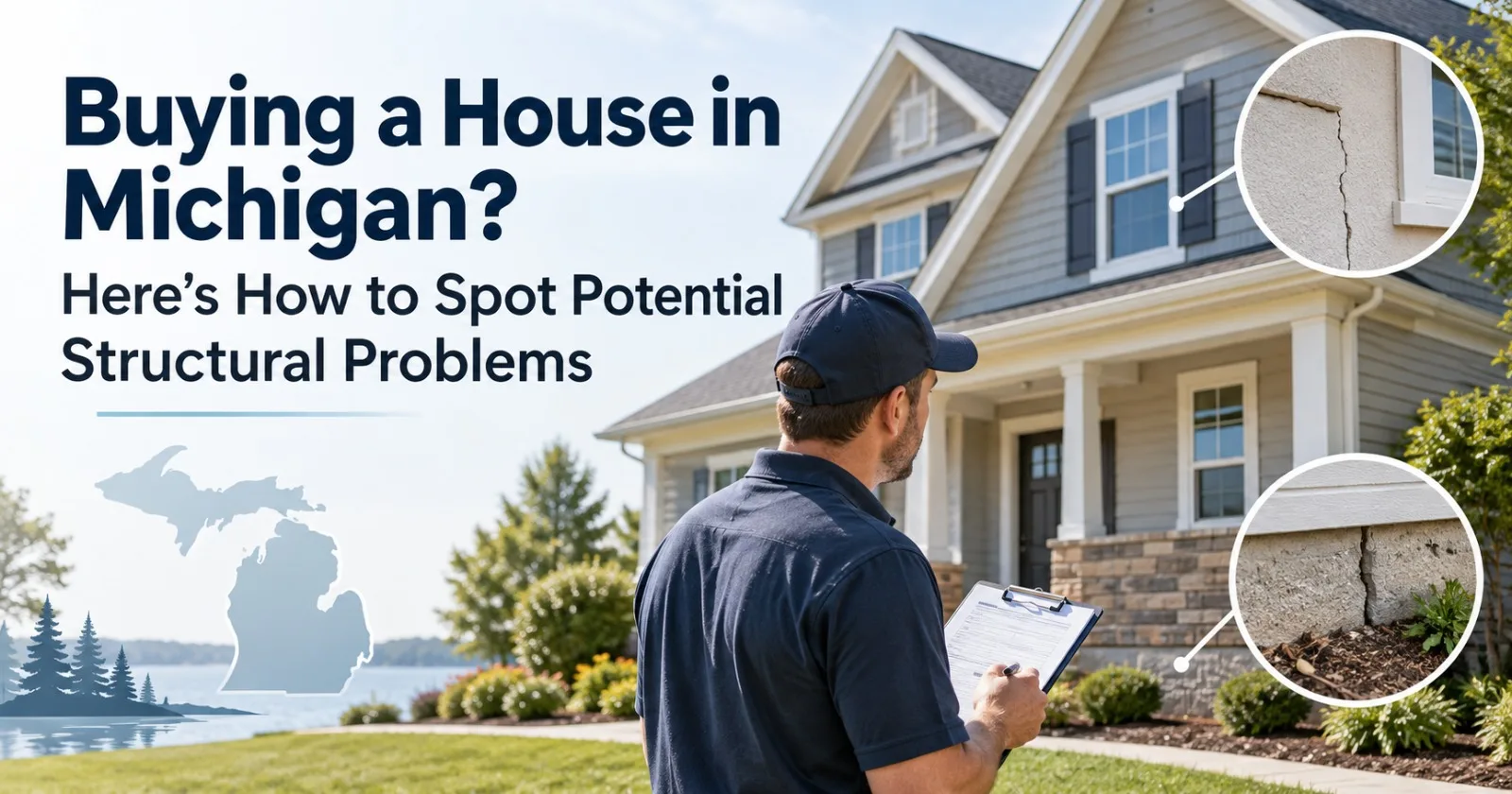
Buying a house is a big decision. Whether you are purchasing your first home or moving to a larger property, you want to make sure the house is safe and in good condition. While fresh paint, modern kitchens, and beautiful floors can make a home look attractive, some important problems may not be easy to notice.
Structural problems can affect a home’s safety, value, and long-term condition. Issues with the foundation, walls, roof, or support beams may also lead to expensive repairs if they are not addressed early. Before buying a house in Michigan, it is important to know what warning signs to look for and when to seek professional help.
1. Check for Cracks in Walls and Ceilings
Small cracks can appear in many homes over time. However, not every crack means there is a serious structural problem. The size, location, and pattern of a crack can help you understand whether it needs further attention.
Pay close attention to cracks that are wide, keep getting bigger, or appear near doors and windows. Diagonal cracks around window corners or long cracks running across walls may need a closer look. Cracks that appear alongside sticking doors or uneven floors can also be a reason for concern.
Before purchasing a home, ask about any known damage or previous repairs. If you notice unusual cracks, consider getting a professional assessment to understand the possible cause.
2. Look for Uneven or Sloping Floors
Floors should generally feel stable when you walk across them. If a floor slopes noticeably, feels soft, or dips in certain areas, it may indicate an issue that needs further inspection.
Several factors can cause uneven floors, including aging floor supports, moisture damage, foundation movement, or changes in the building structure. In older homes, some unevenness may have developed over many years, but it should not automatically be ignored.
During a property visit, walk through each room and pay attention to changes in floor level. Look for gaps between the floor and baseboards or areas where furniture does not sit evenly. These signs do not confirm structural damage on their own, but they can help you identify areas that need professional evaluation.
3. Inspect the Foundation and Basement Walls
The foundation supports the entire house, so its condition is an important part of a home inspection. In Michigan, seasonal temperature changes, freezing conditions, and moisture can affect foundations and basement walls over time.
Look for large cracks in foundation walls, sections that appear to be moving, or basement walls that bend inward. Water stains, damp areas, and signs of repeated water entry should also be checked because moisture can damage building materials.
Not every foundation crack requires major repairs. However, cracks combined with wall movement, water problems, or uneven floors deserve closer attention. A professional evaluation can help determine the possible cause and whether repairs are needed.
Before making a final decision, buyers should pay attention to visible warning signs and seek professional advice when needed. A structural engineer inspection in Michigan can help identify potential concerns with a property’s foundation, walls, floors, and other structural components before the purchase is complete.
4. Pay Attention to Doors and Windows That Stick
A door that does not close properly may seem like a small problem. Sometimes, the cause is worn hardware, a damaged frame, or seasonal changes in the materials. In other cases, repeated problems with doors and windows may be connected to movement in the house.
Check whether several doors stick, windows become difficult to open, or gaps appear around frames. If these issues occur alongside cracks in walls or sloping floors, they may point to a larger concern.
Before buying a home, ask whether these problems have been present for a long time or appeared recently. Looking at several signs together is more helpful than judging the condition of a house based on one issue alone.
5. Examine the Roof and Attic
The roof protects a house from rain, snow, wind, and other weather conditions. Damage to the roof can allow water to enter and affect insulation, ceilings, wooden framing, and other building materials.
Look for visibly sagging roof sections, damaged shingles, or areas that appear uneven. If you can access the attic safely, check for water stains, damaged wood, or visible changes in the roof supports.
Michigan winters can bring heavy snow, which adds weight to a roof. The roof’s ability to handle these loads depends on its design, condition, and other factors. If the roof or its support system appears damaged, a qualified professional should assess the concern rather than relying on a visual check alone.
6. Watch for Signs of Moisture and Water Damage
Water problems can affect more than the appearance of a house. Long-term moisture can damage wood, weaken certain building materials, encourage mold growth, and create conditions that may lead to costly repairs.
During your visit, look for water stains on ceilings, peeling paint, musty smells, damp basement corners, or discoloration around windows. Check whether gutters and downspouts appear to direct rainwater away from the foundation.
It is also helpful to ask the seller about previous flooding, basement leaks, and repairs. Even if an area looks dry during your visit, there may have been water problems in the past. A proper assessment can help you understand the extent of the issue and decide what further checks may be necessary.
7. Know When to Hire a Structural Engineer
A general home inspection can help identify visible problems and areas that need attention. However, some concerns require a more detailed structural assessment, especially when they involve the foundation, load-bearing walls, beams, roof supports, or movement within the building.
A structural engineer can examine these concerns, assess possible causes, and provide recommendations based on the findings. This can be particularly helpful when a property has large cracks, bowing basement walls, sagging floors, or signs of previous structural repairs.
A professional assessment may also help buyers understand which problems need immediate attention and which may require further monitoring. Depending on the findings, the engineer may recommend repairs, additional investigation, or other appropriate steps.
Why Professional Structural Advice Matters
When purchasing an older property, it is easy to focus on its appearance and overlook problems that may be hidden behind walls, under floors, or in the basement. Getting professional advice can help you understand these risks before they become unexpected expenses.
A residential structural engineer in Michigan can assess concerns related to foundations, framing, beams, load-bearing walls, and other important parts of a home. This assessment can help buyers better understand structural issues and determine whether repairs or further investigation may be necessary.
Servinsky Engineering & Associates provides structural engineering services for property owners in Michigan. Its services include evaluations of foundations, basement walls, floor systems, beams, roof structures, and other structural components. Professional findings and recommendations can help property owners better understand their buildings and decide on the next steps.
If you are considering a property with visible structural concerns, arranging an appropriate assessment before completing the purchase can help you make a more informed decision.
Final Thoughts
Buying a house should be an exciting experience, but it is important to look beyond its appearance. Cracks in walls, uneven floors, foundation movement, sticking doors, roof concerns, and water damage are all signs worth checking before making a commitment.
These issues do not always mean a house is unsafe or unsuitable to buy. The key is to understand what is causing them and whether repairs or further checks are needed.
By arranging a general home inspection and seeking structural engineering advice when necessary, you can better understand the property’s condition and plan your next steps with confidence. A little extra care before buying can help you avoid surprises and protect your investment for years to come.