Buying Your First Luxury Watch: Tips Worth Knowing
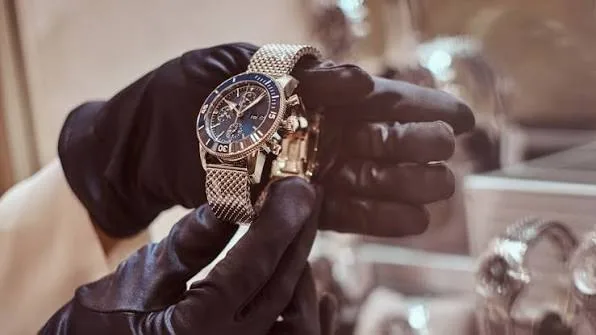
Buying your first luxury watch is a milestone worth savoring. A fine timepiece can mark a personal achievement, become a daily companion or hold its value over time. There is no single right way to start.
A little planning goes a long way. With the right approach, you can find a watch you love without straining your finances. If the price tag stretches beyond what you would like to pay upfront, a $3000 loan may be one option to help you spread the cost over time. Below are practical tips to guide your search and help you buy with confidence.
Set a budget before you start shopping
Luxury watches come in a wide range of prices, from the low thousands to six figures. There is no fixed amount you should spend on your first luxury watch. The right number is the one that fits your finances and still lets you enjoy the purchase comfortably.
Think beyond the sticker price. Extra costs may include:
- Sales tax, which varies by state
- Insurance to protect against loss or theft
- Routine servicing, which most mechanical watches need every few years
- Accessories like extra straps or a winder
Once you set a comfortable budget, you can shop without second-guessing every option.
Choose a style that fits your life
The best first watch is one you will actually wear. Before choosing a brand, think about how the watch fits your daily routine. Ask yourself a few simple questions:
- Do you want a dress watch for formal occasions or something rugged for everyday wear?
- Do you prefer a classic look or a bolder, modern design?
- How does the size feel on your wrist?
- Does it pair well with the clothes you already own?
A watch that suits your lifestyle gives you more value than one chosen for status alone. You will reach for it more often, and that is what makes the purchase worthwhile.
Understand the basics of watch movements
Watch movements are the engines that keep time. Knowing the main types helps you shop with confidence.
Quartz movements are powered by a battery, accurate and low-maintenance. They are often more affordable. Automatic watches wind themselves through the motion of your wrist, while manual watches need to be wound by hand. None of these is better than the others across the board. Choose quartz if low upkeep matters most. Choose automatic or manual if you appreciate traditional watchmaking and do not mind extra care.
Decide between new and pre-owned
Both new and pre-owned watches have advantages. A new watch comes with a full manufacturer warranty, original packaging and the peace of mind of being the first owner. A pre-owned watch may offer a better price or access to a model that is no longer in production. Buying pre-owned can be safe when you take the right precautions.
If you go the pre-owned route:
- Buy from a reputable dealer with clear return policies
- Ask for service records and authentication
- Inspect the watch in person when possible
- Verify the serial number with the manufacturer
Doing your homework helps you avoid counterfeits. When in doubt, lean toward sellers who specialize in authenticated timepieces.
Research the brand and resale value
Some luxury watches hold their value well, while others depreciate over time. If resale potential matters to you, it pays to research before you buy.
Established brands with a long history often retain value better than newer names. Limited editions and popular models can also be easier to resell down the road. That said, do not let resale value override personal taste. The watch you love is worth more to you than one you bought purely as an investment.
Take your time comparing brands, reading reviews and visiting authorized dealers. That way, your choice reflects both your taste and your long-term plans, without turning a personal purchase into a decision that feels too complicated or overly pressured or rushed at all.
Plan for maintenance
A luxury watch is a long-term commitment, not just a one-time purchase. Caring for it properly helps protect both its function and its value.
A few simple habits go a long way:
- Service mechanical watches every three to five years
- Store your watch away from extreme heat, moisture and magnets
- Clean it gently with a soft cloth
- Keep the original box and papers, which can help with resale
Routine care keeps your timepiece running smoothly for years. If service costs are more than expected, build them into your budget ahead of time.
Plan your payment
Once you have found the right watch, it is time to think about payment. Paying in full from savings is one approach, and it keeps things simple. If you would rather not deplete your savings, you have other options. A personal loan with fixed monthly payments is one way to spread the cost over time while knowing what you will owe each month. Before borrowing, compare the monthly payment against your regular expenses, savings goals and any other debt payments you already have.
Before adding a watch payment, take a look at the other fixed costs already competing for space in your monthly budget. If you are managing payments for a car loan, credit cards or dental financing, make sure another monthly payment will not make everyday expenses harder to cover. Whatever path you choose, borrow only what fits comfortably within your budget. A timepiece you can enjoy without financial stress is the goal.
Enjoy the experience
Buying your first luxury watch should be a pleasure, not a source of pressure. Take your time, trust your taste and do not rush the decision. The right watch should feel like a natural fit the moment you put it on.
Start by setting a budget, exploring styles that suit your life and researching brands that interest you. From there, the choice is yours. With patience and planning, your first luxury watch can become a piece you will treasure for years to come.