California Intersections and the Risks Riders Face
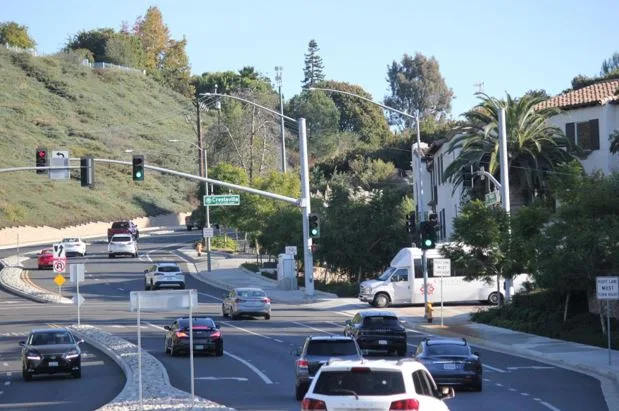
Intersections concentrate more conflict points into a small space than almost any other part of the road, and for motorcyclists, that density translates into elevated danger. A rider crossing a junction must account for turning cars, signal changes, cross traffic, and drivers whose attention drifts at the worst moment. California sees heavy motorcycle use year-round thanks to its climate, which means these crossings carry a steady risk across both cities and rural highways. Understanding why intersections are so hazardous and what the law says about fault and recovery helps you approach the road with sharper awareness.
Why Intersections Are So Dangerous
Most collisions involving two vehicles happen where roads meet, and that pattern holds firmly for riders. A frequent cause behind motorcycle accidents at intersections in California involves a driver turning left across the path of an oncoming rider, often because the driver looked but failed to register the narrow profile of a bike.
Visibility sits at the center of the problem. A motorcycle presents a smaller visual target than a car, and a driver scanning for larger shapes may overlook an approaching rider entirely, a phenomenon traffic researchers describe as a looking but not seeing error.
Common Causes Riders Encounter
Several recurring scenarios show up in intersection crashes. Left-turning vehicles, drivers running red lights or stop signs, and distracted motorists checking phones all contribute to the toll, and gaps in a driver’s judgment about speed and distance add further hazard.
Conditions on the road shape outcomes as well. Consider the factors that raise risk at a junction:
- Obstructed sightlines from parked cars, shrubbery, or signage
- Wet or oily pavement that lengthens the stopping distance
- Poor lighting during dawn, dusk, or night hours
- Heavy congestion that hides a motorcycle within traffic
How California Assigns Fault
California follows a pure comparative negligence rule, meaning your compensation is reduced in proportion to your share of responsibility for a crash. A rider found 20 percent at fault can still recover 80 percent of total damages, even when partial blame falls on the motorcyclist.
This framework matters at intersections, where fault is often split. An insurer may argue you were speeding or lane splitting improperly, while the other driver may have failed to yield, leaving a court or adjuster to weigh each party’s contribution.
Lane Splitting and Right of Way
California is the only state that has formally authorized lane splitting, the practice of riding between lanes of slower or stopped traffic. Assembly Bill 51 directed the California Highway Patrol to develop guidelines, and the maneuver is permitted when done in a manner that is reasonable and prudent, given current conditions.
Right-of-way rules still govern intersection behavior. Vehicle Code Section 21800 sets the order for who proceeds first at a junction, and a driver who violates these rules and strikes a rider can be found negligent for failing to yield.
Steps to Take After a Crash
What you do in the minutes and days after a motorcycle accident affects both your health and any claim you might bring. Seek medical evaluation promptly, since some injuries from a motorcycle impact are not immediately apparent, and a treatment record links your condition to the event.
Documentation strengthens your position. Photograph the scene, signal timing, road markings, and vehicle positions when you safely can, and collect contact information from any witnesses who saw the sequence unfold.
Deadlines That Affect Your Claim
California sets a two-year statute of limitations for personal injury claims under Code of Civil Procedure Section 335.1, measured from the date of the crash. Filing after this window closes generally ends your ability to pursue damages through the courts.
Shorter deadlines apply in certain situations. A claim involving a government entity, such as a crash caused by a defective roadway or a public vehicle, requires an administrative claim within six months under the Government Claims Act.
Insurance Realities for Riders
California requires drivers to carry minimum liability coverage, currently set at higher limits under recent updates to the Vehicle Code that took effect in 2025. When another motorist causes your injuries, their liability policy is typically the first source of compensation.
Coverage gaps are common, though. Uninsured and underinsured motorist coverage on your own policy can fill the shortfall when an at-fault driver lacks adequate insurance, and reviewing your policy before a crash helps you understand what protection you actually carry.
Staying Informed on California’s Roads
Intersections will remain among the more demanding environments a rider faces, and awareness of both the physical risks and the legal landscape gives you firmer ground to stand on. Knowing how comparative fault works, what lane splitting permits, which deadlines control your claim, and how insurance coverage fits together prepares you to respond clearly if a collision occurs. Whether you ride daily commutes or weekend routes, accurate knowledge of California’s rules supports better decisions on the road and afterward, protecting your safety and your legal standing alike.