California Property Disputes Are Climbing in 2026: What Buyers and Sellers Should Watch
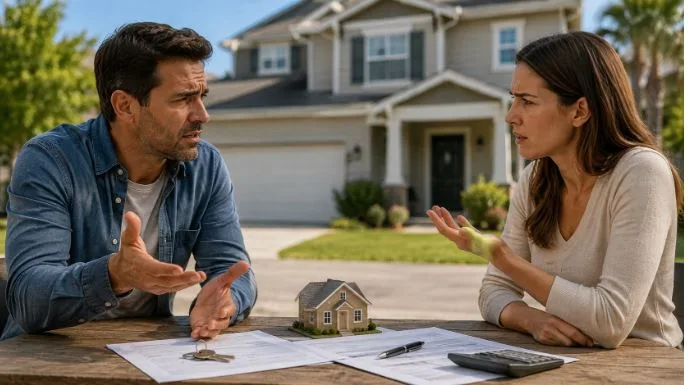
Property fights across California are drawing fresh attention this year. A tight housing market, a wave of remodeling, and more homes held through trusts and partnerships are pushing disagreements that once got settled over the fence straight into the courts. For anyone buying, selling, or holding property, knowing where these disputes come from is worth more than it used to be. Here is a rundown of the common flashpoints and how they get resolved.
Why are the disputes piling up?
Several pressures are stacking on top of each other:
- High values raise the stakes. When a house is worth well over a million dollars, parties have far more reason to fight over what used to be a minor issue.
- More transactions, more friction. Supply pressure has driven a run of sales, remodels, and boundary-adjacent construction, and each one is a chance for something to go wrong.
- Complicated ownership. More properties sit within trusts, partnerships, and co-ownership arrangements, which add layers of conflict when relationships sour or goals diverge.
The upshot is a steady stream of disagreements that start at the kitchen table and end in a filing. Knowing the categories helps owners catch trouble early, while it is still cheap to deal with.
Disclosure disputes: the most common trigger
California imposes broad disclosure duties on sellers, and failures here drive a large share of property disputes. A buyer discovers a leaking roof, a cracked foundation, water intrusion, or work done without permits, and the question becomes whether the seller knew and stayed quiet.
What each side should keep in mind:
- Sellers: disclose fully and in writing, even the issues that feel too small to mention. The cheap disclosure now beats the expensive claim later.
- Buyers: get thorough inspections and actually read the disclosure packet before closing. If a serious problem surfaces afterward and the evidence points to concealment, you may have grounds to pursue repair costs or other damages.
Boundary and easement conflicts
Few things turn neighbors into opponents faster than a fight over the property line. A new fence a few feet off the surveyed mark, a shed creeping onto the next lot, or confusion over who gets to use a shared driveway can escalate fast when significant value is attached.
These cases usually hinge on:
- The recorded survey and title history
- How the land has actually been used over the years
- Whether an easement was ever formally granted or just assumed
Resolution can look like a negotiated agreement clarifying who has what rights, or a court action to fix the boundary or the scope of an easement when the parties will not budge.
Contracts that fall apart mid-deal
Purchase agreements come undone for all kinds of reasons. A buyer cannot close, a seller gets cold feet after a better offer lands, or the two sides clash over whether a contingency was properly met. Because California purchase contracts are dense, the specific language about deposits, contingencies, and remedies usually decides who wins.
The most common flashpoint is the earnest money deposit and who gets to keep it when the deal collapses. That fight turns on the contract terms and the order of events, which is why careful paperwork throughout a transaction pays off.
Co-ownership standoffs and partition actions
When two or more people own a property together- siblings who inherited a house, unmarried partners, business co-investors- they can hit a wall over what to do with it. One wants to sell; another wants to keep it; or they cannot agree on how to split the proceeds and expenses.
California law provides a tool called a partition action, which allows a co-owner to ask a court to divide the property or to force a sale. These cases get emotional, especially with a family home in the mix, and they usually go better when the parties negotiate hard before anyone files.
Construction and contractor disputes
All that remodeling has brought a corresponding rise in owner-versus-contractor disputes: shoddy work, cost overruns, missed deadlines, and disagreements over what the job even included. A mechanics lien filed against the property adds pressure, since it clouds the title and complicates any future sale.
Clear written contracts, detailed scopes of work, and documented change orders head off most of this. When a dispute does land, moving on it quickly protects both the property and the owner’s wallet.
How do these cases get resolved?
Property conflicts follow familiar routes:
- Negotiation, once both sides understand where they stand
- Mediation, with a neutral facilitator, which resolves a lot of matters without the cost of trial
- Litigation, when the other paths stall, or a court order is needed to quiet title, force a sale, or award damages
Owners in a serious dispute often bring in a California real estate litigation attorney to assess their position and pursue the appropriate remedy. A firm like Wade Litigation, which represents property owners and businesses across California cities including Los Gatos, Redondo Beach, San Francisco, and Riverside, handles disclosure claims, boundary and easement conflicts, contract breakdowns, and partition actions through negotiation, mediation, and trial. A clear read on the facts early can stop a manageable problem from turning into an expensive one.
The one habit that protects owners most
Across every category here, the same thing separates the owners who come out fine from the ones who get burned: documentation. Written disclosures, signed contracts, survey records, inspection reports, and clear communication do more to protect you than anything else. Treat the paperwork as armor rather than a formality, and you walk into any dispute from a stronger spot. As California property disputes keep climbing through 2026, the owners who fare best are those who know their rights, keep good records, and seek guidance before a disagreement hardens into a lawsuit.
Frequently asked questions
Q. What are the most common property disputes in California?
Disclosure failures lead, followed by boundary and easement conflicts, purchase-contract breakdowns, co-ownership standoffs resolved through partition actions, and owner-contractor fights. High values raise the stakes across all of them.
Q. What can I do if a seller hides a defect?
If the evidence suggests the seller knew about a material problem and concealed it, you may have grounds to pursue repair costs or other damages. Hold onto inspection reports, disclosure documents, and communications, then get your options evaluated.
Q. How does a partition action work?
It lets a co-owner ask a court to divide jointly held property or order a sale when the owners cannot agree. The court can also sort out how proceeds and expenses get split. Many of these matters settle before a ruling is issued.
Q. Who keeps the deposit when a home sale falls through?
It depends on the contract and the sequence of events. California purchase agreements spell out how deposits and contingencies function, so the outcome usually turns on whether contingencies were met and who breached. Documentation is decisive.
Q. How do I avoid a boundary fight with a neighbor?
Order a professional survey before you build fences or structures, check title records for easements, and confirm the lines in writing. If a disagreement surfaces, handling it early through discussion or a written agreement costs far less than litigation.
Q. Do property disputes always end up in court?
No. Plenty resolve through negotiation or mediation, which are faster, more private, and cheaper. Litigation becomes the path when those routes stall or when a court order is needed regarding title, boundaries, or ownership.
Q. When should I contact an attorney about a property dispute?
Reach out when meaningful money is on the line, when the other side will not negotiate in good faith, or when you get a legal notice or a lien. Early guidance helps you understand your position and protect the property before things escalate.