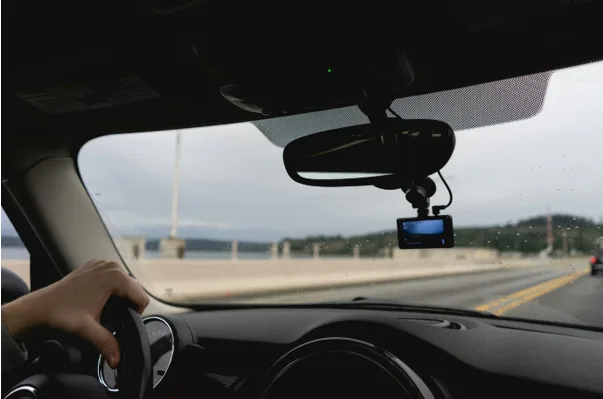
Yes, dashcam footage can significantly affect the outcome of a pedestrian accident claim by showing how a collision occurred and helping establish who was responsible. Video evidence may capture a driver’s actions, a pedestrian’s movements, traffic signals, and road conditions. When supported by other evidence, these details can help clarify disputed facts and strengthen a claim.
Tulsa is a major city in northeastern Oklahoma, with busy commercial districts, residential neighborhoods, and roads connecting different parts of the metropolitan area. Pedestrians regularly share these streets with cars, trucks, buses, and other vehicles. At intersections, parking lots, and busy roadways, a few seconds of video can sometimes provide valuable information about how an accident happened.
For people pursuing pedestrian accident claims in Tulsa, OK, dashcam footage may help establish negligence, challenge conflicting accounts, and support a request for compensation. However, its value depends on the quality of the recording, what it captures, and how it fits with the other evidence.
How Dashcam Footage Can Explain the Collision
After a pedestrian accident, the driver and injured pedestrian may remember the event differently. A driver might claim that the pedestrian crossed unexpectedly, while the pedestrian may report that the driver failed to stop or yield.
Dashcam footage can offer an objective view of at least part of the incident. Depending on the camera’s position, it may show whether the driver slowed down, approached an intersection too quickly, or had time to react.
Video may also reveal whether the pedestrian was crossing within a marked crosswalk, whether traffic signals were visible, or whether an obstruction affected visibility. These details can help investigators reconstruct the sequence of events.
Evidence That May Strengthen a Claim
Dashcam recordings can be especially useful when they capture details that are difficult to establish through witness statements alone. Relevant footage may show:
- The vehicle’s speed and movement before impact.
- Whether the driver appeared distracted or failed to brake promptly.
- The pedestrian’s location and direction of travel.
- Traffic signals, signs, and surrounding road conditions.
- The driver’s actions immediately after the collision.
Not every recording will show all these details. A camera may face away from the collision, have a limited field of view, or record an unclear image. Footage should therefore be reviewed alongside photographs, witness accounts, medical records, and any available police report.
How Video Evidence Can Affect Fault
Oklahoma follows a modified comparative negligence rule. Under 23 O.S. § 13, an injured person may recover damages when their contributory negligence is not as great as the negligence of the person against whom recovery is sought, with damages reduced according to the injured person’s share of responsibility.
Dashcam footage may help determine how responsibility should be allocated. For example, a recording might show that a driver continued through an intersection without yielding, even though the pedestrian was already crossing. In another case, the footage might indicate that both the driver and pedestrian contributed to the collision.
The video does not automatically establish fault. Its contents must be considered in context, including applicable traffic rules, the circumstances of the crossing, and other available evidence.
Finding and Preserving Dashcam Footage
Dashcam recordings may come from the vehicle involved in the collision, another driver’s vehicle, a rideshare vehicle, or a nearby commercial vehicle. Some recordings are stored on memory cards, while others may be saved to cloud services or overwritten after a short period.
Acting quickly can help preserve important evidence. If a recording may exist, useful steps include:
- Identify vehicles or witnesses that may have captured the collision.
- Request that relevant footage be preserved before it is overwritten.
- Keep the original recording whenever possible.
- Avoid editing or trimming the original file.
- Record when and how the footage was obtained.
A copy of a video should be handled carefully so that its source and integrity can be established if the evidence is challenged. The original file and any available metadata may be important.
When Dashcam Footage Is Not Enough
Even clear video may leave unanswered questions. It might not show the driver’s view, the full approach to the intersection, or the moments immediately before impact. It may also fail to establish the full extent of the pedestrian’s injuries or financial losses.
Medical records can document the injuries, while employment records and receipts may help establish lost income and other expenses. Witness testimony and accident reconstruction may also help explain details that the video does not capture.
A claim is generally stronger when different forms of evidence support a consistent account of the collision and its consequences.
Final Takeaways
- Dashcam footage may clarify how a pedestrian accident occurred and help establish fault.
- Video can capture driver behavior, traffic signals, pedestrian movements, and road conditions.
- Oklahoma’s comparative negligence law may affect compensation when more than one party contributed to the accident.
- Relevant recordings should be preserved promptly to reduce the risk of losing evidence.
- Video is most useful when considered alongside medical records, witness statements, and other evidence.