Can Tax Penalties Be Challenged? What Taxpayers Should Know
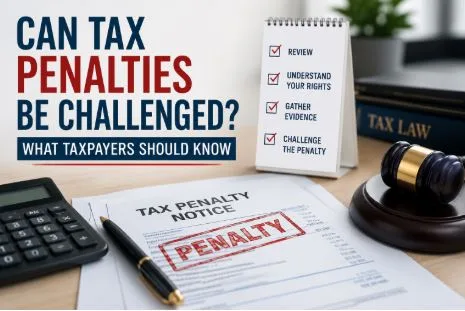
A tax penalty can turn an ordinary disagreement with a tax authority into a much more serious financial matter. Penalties may be imposed for issues such as late filing, late payment, inaccurate information, failure to meet reporting obligations, or other alleged breaches of tax requirements. However, receiving a penalty does not always mean that the taxpayer has no options.
Depending on the applicable tax system, taxpayers may have the right to object to or appeal a penalty. Tax Appeals Tribunal Services can provide professional assistance when a taxpayer believes that a penalty has been incorrectly imposed, calculated, or applied to their circumstances.
Why Tax Penalties Are Imposed
Tax authorities use penalties to encourage compliance with tax obligations. The specific circumstances that can result in a penalty vary between jurisdictions and types of tax.
A penalty might arise because a return was submitted after the required date. It may also result from an underpayment, inaccurate declaration, failure to provide information, or another compliance issue.
The amount of the penalty can depend on the nature of the alleged violation and the rules applicable to the taxpayer.
Before challenging a penalty, it is important to understand precisely why it was imposed.
A Penalty and a Tax Assessment Are Not the Same Thing
Taxpayers sometimes treat the underlying tax amount and the penalty as one issue, but they can involve different questions.
A taxpayer may accept that additional tax is payable while disputing the penalty attached to it. Conversely, a taxpayer may challenge both the underlying assessment and the penalty.
Separating these issues can help create a clearer case.
For example, the taxpayer may argue that the additional tax was calculated incorrectly while also presenting separate reasons why the penalty should be reduced or removed.
Reviewing the Penalty Notice
The first practical step is to examine the notice issued by the tax authority.
The notice may explain the reason for the penalty, the amount involved, the relevant tax period, and any applicable rights of objection or appeal.
Taxpayers should check whether the information corresponds with their own records. Dates, amounts, filing information, and previous communications may all be relevant.
A careful review can reveal whether the disagreement concerns a factual error, a calculation, the application of a particular rule, or another issue.
When a Penalty May Be Disputed
There can be several reasons why a taxpayer may challenge a penalty.
The taxpayer may believe the alleged failure did not occur. There may also be evidence that the relevant obligation was satisfied on time or that the tax authority relied on incorrect information.
In other circumstances, the taxpayer may accept that an error occurred but argue that the circumstances justify remission or reduction of the penalty where the law allows such relief.
The availability of these options depends on the applicable legislation and procedural rules.
The Importance of Evidence
Evidence can be particularly important in Tax Penalty Appeals.
A taxpayer challenging a late filing penalty, for example, may need records showing when the return was submitted. A dispute involving a payment may require bank records or payment confirmations.
Correspondence with the tax authority can also be useful if the taxpayer previously reported an issue or requested additional time.
The more directly the evidence addresses the reason for the penalty, the easier it may be to explain the taxpayer’s position.
Circumstances Behind an Error May Matter
Tax compliance problems do not always result from deliberate conduct. Businesses can experience staff changes, accounting system failures, unexpected disruptions, misunderstandings, or other circumstances that affect their ability to meet an obligation.
Where the applicable law allows circumstances to be considered, evidence explaining what happened may become relevant.
This is different from simply claiming that an error was accidental. A taxpayer may need to provide a factual explanation supported by appropriate records.
Why Timing Matters
Tax penalty disputes can be subject to specific deadlines. A taxpayer who receives a penalty notice should identify the relevant response date promptly.
Waiting until the final days can create unnecessary pressure, especially if the case requires documents from accountants, banks, employees, or other third parties.
Early action also provides more time to determine whether the taxpayer should challenge the penalty, seek administrative relief, or consider another available option.
The Role of Tax Appeal Services
Tax Appeal Services can help taxpayers assess the basis of a disputed penalty and determine how to present their position.
Professional assistance may include reviewing the penalty notice, examining relevant records, identifying applicable legal provisions, preparing an objection or appeal, and communicating with the tax authority.
For more complicated matters, professional support may continue through formal tribunal proceedings.
The exact service required depends on the size and complexity of the dispute.
When a Penalty Dispute Reaches a Tribunal
If the applicable process allows the matter to proceed to a Tax Appeals Tribunal, the taxpayer may need to present a structured case supported by relevant evidence.
The tribunal process may involve written submissions, documentary evidence, hearings, and responses to arguments made by the tax authority.
The taxpayer should understand what decision is being challenged and what outcome is being requested.
A clear presentation can help distinguish the penalty issue from other matters that may not be part of the appeal.
Tax Tribunal Representation
Tax Tribunal Representation can be valuable when a penalty dispute becomes formal and the taxpayer is required to present legal or factual arguments.
A professional representative may prepare submissions, organize evidence, answer questions, and address arguments raised by the tax authority.
Representation can be especially useful where the penalty is substantial or the underlying tax dispute is also being challenged.
For smaller matters, a taxpayer may decide to handle the process independently. The appropriate approach depends on the circumstances and applicable requirements.
Can Multiple Penalties Be Challenged Together?
A taxpayer may sometimes face several penalties relating to different reporting periods or compliance issues.
Whether these matters can be addressed together depends on the relevant procedural framework.
Even when several penalties appear similar, each one may have a separate factual background. The taxpayer should therefore identify the reason for each penalty and determine whether the same evidence applies.
Combining unrelated arguments can make a case harder to follow.
Tax Dispute Resolution May Offer Other Options
A tribunal appeal is not necessarily the only possible path. Depending on the jurisdiction, taxpayers may have access to administrative reviews, objection procedures, remission requests, settlement discussions, or other forms of Tax Dispute Resolution.
The most appropriate option can depend on the reason for the penalty, the amount involved, the available evidence, and the applicable legal rules.
Taxpayers should also be careful not to assume that informal communication automatically pauses a formal deadline.
Businesses Should Keep a Penalty Record
Businesses that operate for many years may receive various tax notices and correspondence. Keeping a dedicated record of tax disputes and penalties can make future reviews easier.
The record can include copies of notices, filing confirmations, payment evidence, correspondence, responses, and final decisions.
This creates a useful history that can help explain what happened if similar questions arise later.
Preventing Repeat Penalties
A successful appeal does not necessarily solve the underlying administrative problem.
If a business repeatedly misses filing dates, loses payment confirmations, or submits incomplete information, it may continue experiencing compliance difficulties.
Businesses can reduce this risk by maintaining tax calendars, assigning responsibility for important deadlines, reviewing submissions before filing, and keeping evidence of completed payments and filings.
These basic procedures can reduce the likelihood of recurring problems.
When Professional Tax Litigation Services May Help
Some penalty disputes are connected with larger assessments or complicated questions of tax law. When substantial financial amounts are involved, Tax Litigation Services may become relevant.
Specialist professionals can assist with formal legal arguments, complex evidence, tribunal proceedings, and other stages of a significant dispute.
Businesses should assess the potential financial consequences before deciding how much professional assistance is necessary.
Choosing Professional Assistance
When seeking help with a tax penalty dispute, taxpayers should consider experience with tax appeals, tribunal proceedings, compliance matters, and the particular type of tax involved.
It is also useful to discuss the scope of professional services before work begins. A taxpayer may need only an assessment of the penalty, while another case may require preparation of formal submissions and representation at a hearing.
A firm such as Gichuri & Partners may be considered by taxpayers or businesses seeking professional support with tax appeals and related matters.
Final Thoughts
A tax penalty can create significant financial pressure, but taxpayers may have options when they believe the penalty is incorrect or should not apply in the circumstances. The first step is to understand why the penalty was imposed and review the relevant records.
From there, taxpayers can consider available objection procedures, administrative remedies, or formal appeal processes. Tax Appeals Tribunal Services can provide assistance with reviewing the dispute, preparing evidence, developing arguments, and handling tribunal proceedings where appropriate.
The strongest approach is usually based on facts rather than assumptions. Accurate records, timely action, and a clear explanation of the circumstances can help a taxpayer make a more informed decision about challenging a tax penalty.