Can You Replace a 124R Battery With Another Size?
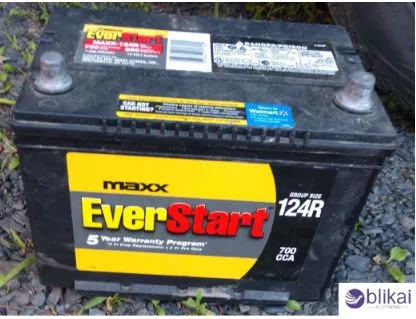
The 124R battery is among the most popular ones, and it is a standard battery group of many mid-size and full-size automobiles. Though widely applied, there are certain circumstances where the 124R battery is inaccessible, and car owners and mechanics begin to seek alternatives that can be used. Other questions may include whether 24R, 24F or another group size is safe to replace a 124R, but the response depends on thoroughly studying the battery dimensions, terminal orientation, cold cranking amps (CCA) and specifications put forward by the manufacturers.
What Does “124R” Mean in a Car Battery?
The term 124R is a group size standard (specified by the Battery Council International (BCI)) of batteries. This figure indicates the physical size of the battery, the location of the positive and negative terminals, as well as its power ratings in certain instances. In particular, the final R signifies that the terminals have been reversed in comparison to the terminals of similar group sizes not having the R.
Due to the highly specific battery chambers modern cars are designed with, having the right group size on a battery will comfortably fit where it belongs, make the cable connections within the desired distance correctly, and supply the appropriate amount of power to an electrical system.
Possible Alternatives to a 124R Battery
Whether we are dealing with a shortage of 124R batteries in stock or an absence of a local source, there are common questions raised by drivers that might ask about other batteries, such as Group 24R or 24F. These batteries can be of similar size yet have a little difference in terminal orientation, cold cranking amps (CCA) or reserve capacity (RC).
Group 24R: Many drivers who cannot find a 124R battery immediately look toward Group 24R as a potential substitute. This makes sense because the 24R is one of the closest alternatives in terms of dimensions and terminal layout. In some cases, a Group 24R can indeed be used in place of a 124R if the car’s tray and cables allow for it. However, one must also check the CCA rating. The 124R battery supplies the vehicles, including Ford, Chevrolet, and Cadillac, with sufficient cranking power, and a battery with a lower CCA rating may lead to poor starts in the car in cold weather. Accordingly, in determining that 24R is the appropriate part, even though physically it may fit, consideration should also be given to whether it is meeting or exceeding the power designation found in the owner’s manual.
Group 24F: The Group 24F battery is another answer that some drivers inquire about. It is similar to the 24F, although slightly different with respect to size and possibly terminal orientation. This implies that though this battery can be inserted in this tray, cables might not be positioned well, and the installer might be forced to stretch or bend them in awkward ways. This is not only uncomfortable but can also exert some strain on cables and result in future electrical problems. Moreover, certain 24F batteries are fashioned inside; therefore wear a somewhat relaxed hold-down structure, which may end up becoming a challenging task to fasten the battery. Simply put, though 24F might appear to be an alternative that might work out, it is not universally safe to take in place of 124R outright unless otherwise noted on the fitting list provided by the manufacturer or confirmed using an authoritative fitment guide.
Other Groups (e.g., 35, 48, 49): The differences also get more apparent when other group sizes, e.g., when there are 35, 48, or 49 people in a group. The same batteries can be quite different in size and terminal location, so they cannot even be thought of replacing a 124R. Putting a bigger battery or a smaller one in a tray may have hazardous consequences, such as getting loose connections, losing certain acid, or short circuitry. It should also be mentioned that in the modern car, a lot depends on sensitive electronics, and an incorrectly selected and insufficiently powerful battery may lead to problems with the work of such systems as the ECU and the infotainment system, up to the climate control. That is why the majority of professionals highly discourage experimenting with the tests of group sizes that were never actually intended by the car.
Even though some alternatives may “work” temporarily, the safest option is always to replace your battery with the exact group size your car requires. Automakers design charging systems, trays, and connections around specific specifications. Using the wrong size could lead to:
- Poor cable connection or stretched terminals
- Insufficient cranking power in cold weather
- Reduced battery life due to improper fit
- Warranty denial if the wrong battery is installed
The Best Approach: Check Your Vehicle’s Manual
If you’re unsure about substituting your 124R battery, the best place to start is your vehicle’s owner’s manual. Many automakers will list approved group sizes. Simply enter your vehicle’s year, make, and model to see whether alternatives like Group 24R are compatible.
Final Thoughts
Although theoretically you can replace a 124R battery with a 24R in some cars, it is always much safer to go with the group size match as recommended by the factory. Should an area you live in not have 124R available, then you need to consult with your mechanic either through an official fitment guide.