Can You Shower With 18K Gold Plated Jewellery? The Ultimate Waterproof Guide
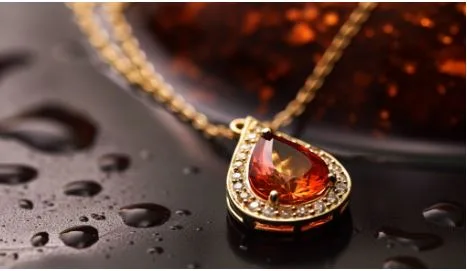
The question echoes through jewelry lovers’ minds everywhere: Is it safe to shower with gold plated jewelry? This concern touches millions who own delicate gold-plated pieces and worry about water damage ruining their cherished accessories. The answer isn’t simply yes or no, but understanding the science behind water exposure can transform how you care for your treasured items.
Understanding Gold Plating Technology
Gold plating represents one of the most popular and affordable ways to enjoy the aesthetic of solid gold. When you shower with gold plated jewelry, you’re exposing a thin layer of electroplated gold covering a base metal like brass or sterling silver. The electroplating process applies a micron layer of gold atoms to the base metal through electrical current, creating that luxurious shine everyone adores.
The thickness of your plating matters tremendously. Thicker plating lasts longer against water exposure, while thinner coatings deteriorate faster. Most commercial 18k gold plated jewelry features 1-5 microns of plating thickness, which provides decent durability for everyday wear but remains vulnerable to consistent moisture.
Can Gold Plated Jewelry Get Wet?
The straightforward answer: yes, briefly. However, when asking “can gold plated get wet,” you must distinguish between splash exposure and prolonged water submersion. Shower with gold plated jewelry occasionally won’t instantly destroy your pieces, but regular showering creates cumulative damage through repeated water exposure and chemical reactions.
Water itself isn’t the primary culprit damaging your plating. Instead, soap residue, shampoo buildup, and conditioner chemicals accelerate the degradation process. When soap scum buildup accumulates on gold plated surfaces, it creates tiny pockets where moisture becomes trapped, leading to faster oxidation of the underlying base metal.
Hot water poses a more serious threat than cold water. The elevated temperature increases the chemical reaction between water molecules and the base metal beneath the thin plating. Many people fail to realize that hot water and gold plated jewelry form a particularly destructive combination.
How Water Affects Your 18K Gold Plating
Water exposure initiates a cascade of chemical processes that gradually wear away your gold plating. Each shower with gold plated jewelry strips away microscopic amounts of that precious layer. Over months and years, this physical friction and chemical reaction accumulates into visible damage.
The electroplating process creates a vulnerable junction between gold and base metal. Water molecules penetrate this boundary, triggering oxidation in the underlying brass base or sterling silver base. Once oxidation begins, the corrosion spreads beneath the plating surface, eventually causing the gold coating to flake or tarnish.
Chlorinated water in shower systems presents an additional threat to your jewelry’s lifespan. Chlorine reacts directly with gold’s molecular structure, accelerating color fading and base metal exposure. Even if your shower water seems clean, municipal treatment chemicals work against your plating’s durability.
Sweat and gold plated jewelry interact in problematic ways too. Body chemistry, salt content in perspiration, and accumulated skin oils create acidic conditions that degrade plating. Showering with 18k gold plated jewelry while your body is warm makes this situation worse, as heat intensifies chemical reactions.
Does Soap Ruin Gold Plated Jewelry?
Yes, repeated soap exposure damages gold plated jewelry over extended periods. Does soap ruin gold plated jewelry immediately? No, but the cumulative effect proves significant. Soap alkalinity and its surfactant properties work against metal surfaces, stripping protective oils and accelerating tarnish development.
Perfume and lotion present parallel concerns. These cosmetic products contain alcohol, acids, and chemicals that break down the water-resistant coating on gold plated surfaces. Many people apply these products before or after showering, compounding the exposure risk beyond water alone.
Water Resistant vs Waterproof Jewelry
Understanding the distinction between waterproof jewelry vs water resistant categories proves essential. Water resistant gold plated jewelry tolerates brief water exposure without immediate damage. Waterproof jewelry supposedly withstands extended submersion, yet true waterproofing remains impossible with standard electroplating techniques.
Your 18k gold plated jewelry falls into the water-resistant category at best. A water-resistant coating provides temporary protection, but it gradually wears away with consistent use. Showering with 18k gold plated ring daily will exceed its water-resistant capabilities within months.
Best Practices for Protecting Gold Plated Jewelry in Water
Taking a shower with gold plated necklace? Remove it first. This represents the safest approach to preservation. Simple removal prevents nearly all water-related damage that concerns jewelry owners.
If you must wear gold plated pieces near water, follow these protective strategies:
Remove Before Water Contact: The most effective method for protecting your jewelry involves complete avoidance. Don’t wear gold plated ring water contact situations whenever possible.
Use a Jewelry Maintenance Routine: Store your pieces properly between wears. A polishing cloth keeps surfaces clean and maintains that protective luster. Store pieces in dry environments away from humidity.
Limit Shower Exposure: When you do expose your gold plated jewelry to water, rinse immediately with soft water rather than hot water. Pat dry with a microfiber cloth rather than air drying.
Apply Protective Barriers: Some jewelers apply additional water-resistant coatings to vulnerable pieces. Ask your jeweler about non tarnish gold plated options when purchasing new jewelry.
Avoid Chemical Combinations: Never combine soap residue, perfume, lotion, and water exposure. Space out your jewelry wearing and cosmetic application.
Maintaining Your Gold Plated Jewelry After Water Exposure
Despite precautions, occasional water exposure happens. Knowing how to care for your jewelry afterward minimizes damage. Cleaning gold plated jewelry after water means prompt attention with soft cloths and mild solutions.
Use distilled water for rinsing when possible, as tap water contains minerals that contribute to discoloration. Gentle circular motions with soft cloth remove surface residue without creating physical friction that damages the thin plating layer.
Avoid ultrasonic cleaners and steam cleaning methods. These aggressive techniques strip away the plating through intense vibrations and heat exposure. Instead, stick with gentle hand-cleaning using lukewarm distilled water and mild soap.
Never use harsh chemicals, vinegar solutions, or abrasive materials on gold plated surfaces. These products guarantee rapid plating deterioration. Stick to specialized jewelry cleaning solutions formulated specifically for plated metals.
How Long Does 18K Gold Plating Last?
The lifespan of plated jewelry varies dramatically based on wear patterns and care practices. Typically, 18k gold plating lasts 1-3 years with daily wear, or 5-10 years with careful occasional use. Frequent water exposure dramatically reduces these timelines.
If you shower with gold plated jewelry daily, expect visible wear within 6-12 months. The combination of water exposure, soap chemicals, and constant friction accelerates deterioration far beyond normal wear timelines. Conversely, jewelry stored between wears and kept away from water can maintain appearance for decades.
The Hidden Costs of Daily Shower Exposure
Many people underestimate the cumulative impact of routine shower habits. Each shower with gold plated jewelry represents a small increment of damage. Over a year, this accumulates into hundreds of exposures. Over five years, the plating becomes noticeably thin or completely gone in high-friction areas.
Base metal visibility becomes inevitable with prolonged water exposure. Once the base metal emerges, you’ll notice discoloration, tarnish, and potential skin reactivity if you’re sensitive to brass or copper compounds.
Hypoallergenic Plating Considerations
Hypoallergenic plating offers some advantages for sensitive skin, but water exposure remains equally problematic. The electroplating process doesn’t change based on allergy considerations. Water still penetrates the barrier between gold and base metal.
People choosing nickel-free or hypoallergenic plating believe they’ve solved all concerns, but water exposure remains the primary threat to plating longevity regardless of base metal composition.
When to Replace or Refinish Your Jewelry
Eventually, repeated water exposure necessitates professional intervention. Many jewelers offer re-plating services that restore your favorite pieces to original condition. This replating process removes old plating and applies fresh electroplating, effectively resetting the lifespan clock.
Re-plating typically costs between $25-$75 per piece, making it a worthwhile investment for cherished jewelry. Ask your jeweler about re-plating options when you notice significant wear from water exposure and daily use.
Comparing Gold Plated with Alternatives
If you shower regularly and want jewelry options, explore gold filled jewelry or solid gold alternatives. Gold filled pieces feature a thicker gold layer bonded through heat and pressure rather than electroplating, making them more durable. Can you wear gold filled in the shower? Yes, much more safely than gold plated options, though avoiding unnecessary water exposure still helps.
Solid 18K gold eliminates water damage concerns entirely, though it comes at premium prices. For those seeking affordable alternatives with better water resistance, gold filled represents an excellent middle ground.
Frequently Asked Questions (FAQs)
Is 18K gold plated jewelry waterproof?
No, 18k gold plated jewelry isn’t truly waterproof. The thin electroplated gold layer permits water penetration over time. Brief water exposure won’t cause immediate damage, but consistent exposure to showers, pools, or other water sources degrades the plating gradually.
Will 18k gold plate rust?
The gold plating itself won’t rust, but the underlying base metal will. Once water penetrates the thin plating layer, rust and oxidation develop in the brass or copper base metal beneath. This discoloration eventually becomes visible through worn areas of the plating.
Does chlorine damage gold plated jewelry?
Yes, chlorine significantly damages gold plated jewelry. Can you wear gold plated in the pool? Technically possible, but strongly discouraged. Chlorine chemically reacts with gold surfaces, accelerating color fading and corrosion. If you swim regularly, remove all gold plated pieces before entering chlorinated water.
How do I prevent tarnish on gold plated jewelry?
Gold plated tarnishing prevention requires moisture avoidance and proper storage. Keep pieces in dry environments away from humidity, use silica gel packets in storage containers, and wipe with polishing cloth regularly. Avoid all water exposure when possible.
Can you clean gold plated jewelry with vinegar?
No, avoid vinegar for gold plated jewelry. The acidity damages the delicate plating through chemical corrosion. Stick to specialized jewelry cleaning solutions formulated for plated metals instead.
Does hot water damage gold plated jewelry faster?
Yes, hot water and gold plated jewelry create a particularly destructive combination. Heat accelerates chemical reactions between water and the base metal, significantly speeding deterioration compared to cold water exposure.
How often can I safely wear gold plated jewelry in water?
Occasional brief water exposure during daily activities poses minimal risk. However, regular showering with gold plated jewelry is not recommended. If you wear plated jewelry, minimize intentional water exposure and remove pieces before showering.
Conclusion
The question about whether you can shower with gold plated jewelry has a nuanced answer. While brief occasional exposure won’t immediately destroy your pieces, regular showering represents the fastest path to deterioration. Water exposure, combined with soap chemicals and hot temperatures, gradually erodes the thin electroplated gold layer protecting your jewelry.
For the best preservation of your gold plated treasures, remove jewelry before showering. This simple habit extends your pieces’ lifespan from months to years. When damage inevitably occurs, professional re-plating services restore your jewelry to like-new condition at reasonable cost.
If you regularly expose your jewelry to water and want more durable options, consider gold filled alternatives or explore the collections at Pretiosa, where experts help you find jewelry suited to your lifestyle and water exposure habits.
Protect your investment by understanding how water affects your jewelry and adjusting your wearing habits accordingly. Your future self will appreciate jewelry that maintains its beauty for years to come.
Media Details:
Business
Pretiosa
Website