Car Mats for Electric Vehicles: The Changing Shape of Floor Protection
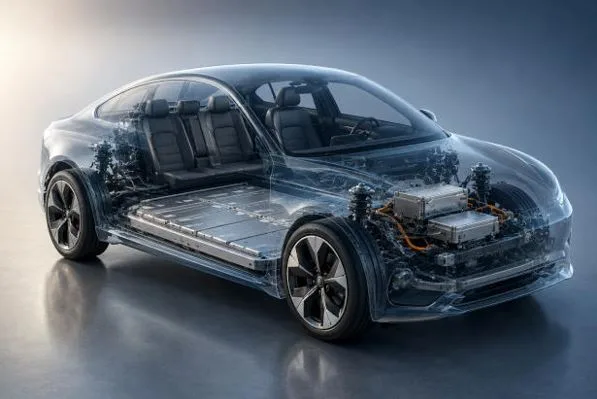
Today’s electric vehicles are doing far more than replacing petrol engines. They’re redefining the way cars are designed from the ground up, quietly changing vehicle interiors and, with them, one of the most overlooked areas of the automotive aftermarket – floor protection.
For decades, the basic layout of a car interior remained remarkably consistent. Whether a vehicle was powered by petrol or diesel, most shared similar cabin dimensions, transmission tunnels and floor layouts. Tailored car mats could be designed around these familiar shapes, with only minor variations between models.
For the automotive aftermarket, identifying the correct make, model and platform has become increasingly important as vehicle floor layouts continue to evolve.
Choosing the correct tailored car mats for electric vehicles now depends as much on identifying the correct vehicle platform as it does the make and model.
That assumption is rapidly disappearing.
As manufacturers develop dedicated electric vehicle platforms, the shape of vehicle interiors is evolving in ways many motorists never notice. Yet these changes have important implications for replacement parts, interior accessories and, increasingly, the design of tailored car mats.
Why Electric Vehicle Interiors Are Different
Unlike conventional vehicles, many modern EVs are built around large battery packs mounted beneath the floor. This “skateboard platform” design removes many of the packaging constraints associated with internal combustion engines and transmissions.
The result is a flatter cabin floor, increased interior space and redesigned rear footwells. In many cases, the familiar transmission tunnel has disappeared altogether, while seating positions and floor contours have been re-engineered to maximise passenger comfort.
These design changes are improving passenger space and efficiency, but they also mean interior accessories designed for older vehicle layouts may no longer provide the precise fit expected in modern electric vehicles. In doing so, assumptions that have shaped replacement parts for decades are beginning to disappear.
Vehicle Architecture Is Reshaping the Aftermarket
The automotive aftermarket has always adapted to changes in vehicle design, but the transition to electric vehicles represents one of the most significant shifts in decades.
One of the biggest differences between today’s electric vehicles and earlier generations is the move towards dedicated EV platforms. Rather than adapting existing petrol or diesel designs, manufacturers are increasingly developing vehicles from the ground up around battery technology.
This allows engineers to rethink everything from seating positions and cabin space to floor height and rear footwell design. It also means that two vehicles from the same manufacturer – or even carrying similar model names – may have completely different interior layouts depending on the platform beneath them.
For motorists, these engineering changes often go unnoticed. For companies supplying tailored replacement parts, however, they fundamentally change the way products are designed and fitted.
One Model Name Doesn’t Always Tell the Full Story
Adding further complexity, many manufacturers now sell petrol, hybrid and fully electric versions of vehicles carrying similar names.
Although these models may appear almost identical from the outside, their interior floor layouts can differ significantly depending on the platform beneath them.
This makes accurate model identification increasingly important when selecting replacement components designed specifically for a vehicle’s interior.
A Global Industry in Transition
The rapid rise of Chinese manufacturers has undoubtedly accelerated this transformation.
This transition is not limited to new manufacturers. Established brands are redesigning their entire product ranges as they move from shared combustion platforms towards dedicated electric architectures.
Companies such as BYD, Chery, Leapmotor, XPENG and others are bringing dedicated EV platforms to international markets at an unprecedented pace, while established European manufacturers continue investing heavily in next-generation electric architectures.
The result is an automotive industry where vehicle design is evolving faster than at any point in recent history.
For many motorists, these differences only become apparent when replacing interior accessories. Two vehicles carrying almost identical names may require completely different floor mats because the engineering beneath the cabin has fundamentally changed.
For the aftermarket, they are impossible to ignore.
More Choice Means More Complexity
As more electric vehicles arrive on the market, motorists are being offered greater choice than ever before. Established manufacturers are expanding their EV ranges while new brands from China and elsewhere continue entering international markets with dedicated electric platforms.
For consumers, this means two cars of a similar size may have completely different floor layouts despite appearing almost identical from the outside. Even within the same model range, petrol, hybrid and fully electric versions can require different interior fitments.
As a result, identifying the correct make, model, production year and vehicle platform is becoming increasingly important when choosing tailored replacement parts designed to fit precisely.
The Future of Floor Protection
As electric vehicles continue to evolve, identifying the correct model is becoming just as important as choosing the right product.
Understanding how vehicle design is changing is now part of buying the right replacement parts – not just for car mats, but across the modern automotive aftermarket.
Motorists wanting to better understand how changing vehicle platforms influence fitment, model identification and floor protection can explore our guide to EV, Hybrid and PHEV car mats