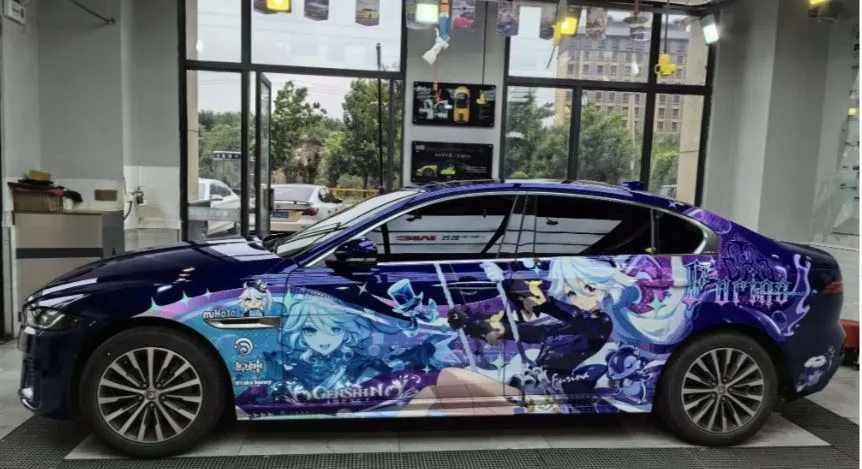
Car Wraps Price Guide – Affordable Wrapping Cost Breakdown
Vehicle customization has become increasingly popular, and car wraps are one of the most versatile and cost-effective ways to give your vehicle a fresh, unique look. Understanding the pricing and factors involved is essential for planning a budget-friendly wrap without compromising quality. This car wraps price guide will provide a detailed overview of costs, installation options, and tips to get the best value for your investment in 2026.
Why Car Wraps Are a Smart Investment
Car wraps are more than just aesthetic upgrades—they offer practical benefits too:
- Paint Protection: High-quality vinyl shields your original paint from scratches, sun damage, and minor road debris.
- Customization: Choose colors, textures, and graphics that reflect your personal style or brand identity.
- Affordability: Compared to a full custom paint job, vinyl wraps are often cheaper and reversible.
- Advertising Opportunity: Business owners can turn vehicles into mobile billboards.
Knowing what affects costs will help you plan your wrap effectively and get maximum value.
Average Car Wrap Prices in 2026
Car wrap pricing varies based on coverage, material quality, and complexity. Below is a general breakdown for 2026:
| Wrap Type | Vehicle Size | Estimated Price Range |
| Partial Wrap | Compact Car | $500 – $1,200 |
| Partial Wrap | SUV / Truck | $700 – $1,500 |
| Full Wrap | Compact Car | $1,800 – $3,000 |
| Full Wrap | SUV / Truck | $2,500 – $4,500 |
| Custom Graphics / Multi-Layer Designs | Any Size | $3,500 – $6,000+ |
These ranges reflect the growing popularity of high-quality wraps and premium vinyl options.
Factors Influencing Car Wrap Costs
Several variables affect the final price of a vehicle wrap:
1. Vehicle Size
Larger vehicles require more material and labor. SUVs, vans, and trucks naturally cost more than sedans or compact cars.
2. Vinyl Type and Finish
- Standard Vinyl: Affordable, durable for 3–5 years, ideal for solid colors.
- Cast Vinyl: Premium, flexible, perfect for curves, lasting 5–7 years.
- Finishes: Matte, gloss, satin, metallic, or chrome can impact material cost.
3. Design Complexity
- Simple solid colors are the most budget-friendly.
- Multi-color graphics, custom patterns, and logos increase production and installation costs.
4. Preparation and Surface Condition
- Paint correction or panel cleaning may be required for a smooth finish.
- Existing damage may increase labor costs.
Full Wrap vs Partial Wrap Cost Comparison
Choosing between full and partial wraps affects both budget and visual impact.
Full Wrap
Pros:
- Complete vehicle coverage
- Maximum protection
- Ideal for bold, eye-catching designs
Cons:
- Higher cost
- Longer installation time
Cost Range: $1,800 – $4,500 depending on vehicle size and material quality.
Partial Wrap
Pros:
- Affordable
- Faster installation
- Focused customization (hood, roof, doors, bumpers)
Cons:
- Limited design area
- Less protection for unwrapped panels
Cost Range: $500 – $1,500 depending on coverage and vehicle type.
DIY vs Professional Installation Cost Breakdown
DIY Installation
Pros:
- Lower upfront cost
- Flexible timing
- Personal satisfaction from customizing your vehicle
Cons:
- Risk of misalignment, bubbles, and wrinkles
- Time-consuming for full-body wraps
- Limited warranty or support
Estimated DIY Cost:
- Vinyl material: $300 – $1,000
- Tools and heat guns: $50 – $150
Professional Installation
Pros:
- Flawless finish and alignment
- Expert handling of complex curves
- Longer-lasting adhesion
- Warranty support
Cons:
- Higher cost upfront
Estimated Professional Cost:
- Full wrap: $1,800 – $4,500
- Partial wrap: $500 – $1,500
For intricate designs or full-body coverage, professional installation is highly recommended.
Tips to Save Money Without Compromising Quality
- Opt for Standard Colors First: Solid colors cost less than custom graphics.
- Partial Wraps on Smaller Areas: Focus on hood, roof, or doors for visual impact at lower cost.
- Combine DIY Prep With Professional Finish: Clean and prep the car yourself to reduce labor fees.
- Shop Around for Material Brands: Compare premium and mid-range vinyl options that suit your budget.
- Plan Seasonal Promotions: Many wrap shops offer discounts during slow seasons.
Common Hidden Costs and How to Avoid Them
While vinyl wraps seem straightforward, some hidden costs may arise:
- Paint Correction: Necessary for scratched or faded paint.
- Removal of Old Wraps: Adds labor and material costs.
- Extra Graphics or Logo Placement: Multi-layer graphics increase pricing.
- Special Finishes: Matte or metallic films often cost more.
- Taxes and Shop Fees: Always ask for a full quote upfront.
Avoid surprises by requesting detailed estimates and discussing all additional charges with your installer.
Maintenance and Long-Term Value
Proper care ensures that wraps look fresh and last for years.
Cleaning Tips
- Wash by hand every 1–2 weeks using mild soap
- Avoid abrasive brushes or high-pressure sprays
- Rinse off salt, dust, and dirt immediately
Protection Tips
- Park in shaded areas to minimize UV damage
- Use a vinyl-safe protective spray
- Address minor peeling or scratches promptly
Long-Term Value
- High-quality wraps protect your paint, preserving resale value
- Can be replaced or updated easily without repainting
- Partial wraps provide branding or style flexibility at a lower cost
Real-Life Examples
Example 1: Partial Hood Wrap
- Vehicle: Compact sedan
- Design: Matte black hood and roof accents
- Cost: $650
- Impact: Sleek, sporty look without full-body coverage
Example 2: Full SUV Wrap
- Vehicle: Mid-size SUV
- Design: Gloss metallic blue with subtle side stripes
- Cost: $3,200
- Impact: Eye-catching, professional appearance with paint protection
Example 3: Custom Business Wrap
- Vehicle: Delivery van
- Design: Multi-color logo and contact details
- Cost: $4,000
- Impact: Mobile advertising, strong brand visibility
These examples show that planning your wrap based on coverage, vehicle type, and purpose can help balance affordability and style.
Frequently Asked Questions (FAQ)
1. How long do vehicle wraps last?
With proper care, high-quality vinyl wraps last 4–7 years, depending on exposure to sun, weather, and cleaning habits.
2. Can I remove a wrap without damaging my car?
Yes. Professional removal typically leaves factory paint intact, especially if the wrap was applied correctly.
3. Are full wraps worth the cost?
Full wraps offer maximum protection and visual impact, but partial wraps are a budget-friendly alternative that still provides style and customization.
4. How can I save money on a car wrap?
Opt for partial coverage, simpler designs, DIY prep, or off-season promotions at wrap shops.
5. Does vinyl wrap affect resale value?
A wrap can protect original paint, which may improve resale value. If removed properly, your car’s finish remains pristine.
Conclusion: Plan Your Affordable Car Wrap Wisely
Investing in a car wrap is both a creative and practical choice. This car wraps price guide provides insight into costs, installation options, and maintenance tips, allowing you to make informed decisions for a stylish, durable, and affordable vehicle upgrade.
By choosing the right coverage, materials, and installer, you can achieve a professional-looking wrap that enhances your vehicle’s appearance while protecting its paint. Whether you opt for a full-body transformation or a subtle partial wrap, proper planning ensures that your investment delivers maximum value and long-term enjoyment.
Take the next step: consult with a professional installer, explore sample designs, and start transforming your car today.