Posted on

9 Signs Your US Housing Organization Desperately Needs a Document Imaging Service

Housing organizations in the United States operate under sustained administrative pressure. Between compliance reporting, tenant records, maintenance documentation, grant files, inspection histories, and financial audits, the volume of physical and digital paperwork generated by even a mid-sized housing authority is significant. When the systems managing that paperwork begin to strain, the consequences are rarely isolated. Delays compound. Staff time gets absorbed. Records become unreliable. And regulatory exposure grows quietly in the background.

Most housing professionals are aware of these pressures. Fewer are aware of how early the warning signs appear, or how long organizations tend to tolerate deteriorating document management before taking action. This article outlines nine conditions that indicate a housing organization has moved past the point of inconvenience and into territory where structured document management intervention is warranted.

1. Physical Files Are Still the Primary Record for Active Cases

A document imaging service addresses one of the most persistent operational risks in housing administration: the continued reliance on paper as the primary record-keeping medium for active cases. When physical folders remain the authoritative source for tenant files, inspection records, or compliance documentation, the organization’s ability to retrieve, share, and verify that information is constrained by physical access. Only one person can hold a file at a time. Files can be misplaced during high-volume periods. Water damage, fire, or even routine misfiling can render records permanently unrecoverable.

Why This Becomes a Structural Problem Over Time

The risk is not simply inconvenience. Housing organizations that maintain paper as their primary record system often discover the real cost during an audit, a legal dispute, or a federal compliance review. When documents cannot be retrieved promptly, or when their authenticity cannot be confirmed, the organization’s credibility with oversight bodies is affected. Staff who know a file exists but cannot locate it immediately are placed in a difficult position. Over time, this pattern erodes institutional confidence in internal records management.

2. Staff Spend Meaningful Time Each Week Searching for Documents

In well-functioning housing operations, staff should be applying their time to case management, tenant communication, and program delivery. When a measurable portion of each workweek is being used to search for, re-file, or reconstruct documents, that represents a real operational cost that is easy to absorb gradually and difficult to justify upon examination. The search time itself signals a deeper problem: that records are not organized, indexed, or accessible in a way that supports the organization’s actual workflow.

The Cumulative Cost of Document Retrieval Delays

Document retrieval delays rarely appear in budget conversations, but they affect them. Staff hours spent searching for records are hours not spent on program work. When multiple team members need the same document simultaneously — during a tenant hearing, an inspection preparation, or a grant reporting cycle — retrieval delays create bottlenecks that affect outcomes beyond the immediate task. Housing organizations that have converted physical records to digital formats with proper indexing consistently report that retrieval times drop from hours to seconds, freeing staff for substantive work.

3. Your Organization Has Survived a Near-Miss with Record Loss

Flooding in a storage room. A misfiled folder discovered months after it was needed. A contractor who returned documents out of sequence. These events rarely cause immediate catastrophe, but they represent conditions that could. When a housing organization has experienced a near-miss involving document loss or inaccessibility, it is receiving direct operational feedback that its current system lacks the redundancy needed for long-term reliability.

Disaster Recovery Is Not Optional in Federally Funded Programs

Many US housing organizations receive funding through federal programs administered by the Department of Housing and Urban Development. These programs carry documentation requirements that extend years beyond the original grant or contract period. Records that are lost, damaged, or inaccessible during that retention window can create compliance problems that are disproportionate to the original document management failure. Digitizing records with proper backup protocols converts a fragile paper archive into a recoverable asset, regardless of what happens to the physical originals.

4. Remote and Hybrid Staff Cannot Access Records Independently

The shift toward flexible work arrangements across the housing sector has exposed a significant gap in organizations that have not modernized their record systems. When important files exist only as physical documents stored in a central office, staff working remotely — whether permanently or during emergencies — cannot access those records without either traveling to the office or relying on a colleague to retrieve and transmit the information. Both workarounds introduce inefficiency and, in some cases, risk to the integrity of the document.

Operational Continuity Depends on Information Accessibility

Housing operations do not pause because a staff member is working from home or because a regional office is temporarily closed. Tenant issues arise. Inspection deadlines do not move. Reporting cycles continue. Organizations that have digitized their records allow authorized staff to retrieve, review, and act on documents from any location with a secure connection. Those that have not must absorb the operational friction of physical document dependency every time a situation arises outside normal in-office hours or conditions.

5. Compliance Reporting Takes Longer Than It Should

Compliance reporting in housing programs — whether for HUD, state housing finance agencies, or local oversight bodies — requires assembling documentation from multiple sources, often across different time periods and program areas. When that documentation exists in physical form across multiple filing cabinets, storage rooms, or even off-site locations, the assembly process itself becomes a project. Staff must plan for it, dedicate time to it, and manage the risk that something will be missing when the deadline arrives.

Indexed Digital Records Change the Compliance Workflow

Organizations that have converted their records to indexed digital formats find that compliance reporting shifts from a logistical challenge to a retrieval task. Documents can be filtered by date, category, property, or tenant. Audit packages can be assembled in hours rather than days. The risk of missing documentation is reduced because the system makes gaps visible before they become problems. This is not a minor operational improvement; it is a structural change in how the organization manages its regulatory obligations.

6. Your Storage Space Is Being Consumed by Paper Archives

Physical document storage is not free. Filing cabinets, dedicated storage rooms, off-site archive facilities, and the staff time required to manage them all carry real costs. When a significant portion of an office’s usable space is occupied by paper records — many of which may be retained for compliance purposes but rarely accessed — the organization is allocating physical and financial resources to a function that could be handled more efficiently.

Storage Costs Compound Across Long Retention Periods

Housing programs often require records to be retained for extended periods, sometimes seven years or more after a program closes. Maintaining physical archives across that time horizon means paying for storage continuously, managing the risk of physical deterioration, and absorbing the labor cost of periodic file audits. Digital archives, once established, reduce ongoing storage costs and eliminate the physical deterioration risk while remaining searchable and accessible throughout the required retention period.

7. Onboarding New Staff Requires Significant Document Orientation

In organizations where files are organized according to informal conventions — folder labels that made sense to the person who created them, storage locations known only to long-tenured staff — onboarding new employees involves a period of document system orientation that has nothing to do with job function. New hires must learn where things are, what the filing logic means, and who to ask when they cannot find something. This is organizational knowledge that lives in people, not in systems, and it creates dependency on institutional memory.

Document Systems That Depend on Institutional Memory Are Fragile

When a long-tenured staff member leaves, retires, or is unavailable, the informal filing logic they carried often goes with them. Organizations that have experienced this dynamic — where a departure creates weeks of confusion about where records are or how they are organized — are seeing the real cost of undocumented document management. Standardized digital systems with consistent naming conventions and indexed categories eliminate this dependency and make records accessible to anyone with the appropriate permissions, regardless of tenure.

8. Duplicate Records Are Creating Version Control Problems

When physical documents are photocopied for distribution, shared between departments, or stored in multiple locations for convenience, organizations often end up with multiple versions of the same record, some annotated, some updated, some outdated. Without a clear system for identifying the authoritative version, staff may act on incorrect information without realizing it. In housing operations, where lease terms, income certifications, and inspection results must be accurate, version control failures carry real consequences.

Single-Source Record Systems Reduce Decision-Making Risk

According to principles outlined by the National Archives and Records Administration, authoritative records management requires clear designation of official records and controlled access to those records. When an organization moves to a centralized digital system, it establishes a single authoritative source for each document. Updates are reflected in one place. Previous versions can be retained for reference but are clearly distinguished from the current record. This reduces the risk that staff will act on outdated or incomplete information.

9. Your Document Management Has Not Changed as Your Program Portfolio Has Grown

Housing organizations that have expanded their program portfolio over the years — adding new funding streams, properties, or service lines — sometimes find that their document management systems have not kept pace. What worked for a single program with a modest tenant base may not work for an organization now managing multiple properties, multiple compliance timelines, and multiple reporting requirements simultaneously. The filing logic, the storage capacity, and the retrieval speed of the original system were designed for a different organizational scale.

Scaling Operations Requires Scalable Record Infrastructure

Administrative infrastructure has to grow alongside program capacity. An organization that has added programs but has not updated its document management approach is operating with a mismatch between its operational scope and its administrative systems. This mismatch tends to become visible during high-demand periods — audit preparation, grant renewals, and inspection cycles — when the volume and complexity of documentation requirements exceeds what the existing system can reliably support.

Conclusion: When the Signs Are Present, the Decision Is Already Overdue

Each of the conditions described in this article is manageable in isolation and can be rationalized as a temporary challenge. But when several of them exist simultaneously within a single organization, they reflect a systemic gap in how records are being managed — one that grows more consequential as the organization’s program obligations and regulatory exposure increase.

Housing organizations that recognize these patterns in their own operations are not facing a technology problem. They are facing a records management problem that has been deferred long enough to become structural. Addressing it means moving from a reactive posture — locating documents when they are needed — to a proactive one, where records are consistently organized, reliably accessible, and properly maintained across the full retention lifecycle.

The decision to convert physical records into a managed digital system is not a commitment to a specific platform or vendor. It is a commitment to operational reliability in an environment where documentation quality directly affects compliance standing, staff efficiency, and the organization’s ability to serve the people who depend on it. For housing organizations already experiencing the signs described here, that commitment is not a future consideration. It is a present operational necessity.


 

Posted on

How Restaurant POS Software Can Simplify Daily Restaurant Operations

A restaurant may look simple from a customer’s perspective, but running one involves dozens of tasks every day. Employees have to take orders, communicate with the kitchen, process payments, monitor sales, manage inventory, and keep customers satisfied. When these activities are handled through disconnected or manual processes, they can consume valuable time and create unnecessary complications.

Digital technology has changed the way restaurants manage these responsibilities. A modern point-of-sale system can bring several important functions together, helping restaurant teams work more efficiently. Restaurant POS software can simplify daily operations by reducing repetitive tasks, improving access to information, and creating a more organized workflow.

What Does a Restaurant POS System Do?

A restaurant POS system is much more than a tool for accepting payments. Depending on its features, it can support order management, billing, sales tracking, inventory operations, reporting, menu management, and integrations with other restaurant services.

Instead of maintaining separate records for different activities, restaurants can use a centralized system to manage important operational information. This can make everyday processes easier for employees and managers.

Petpooja, for example, provides restaurant-focused technology designed to help businesses manage various aspects of their operations through digital tools.

Making Order Taking More Efficient

Order taking is one of the first steps in the restaurant service process. If orders are recorded incorrectly or information has to be communicated repeatedly, delays can occur.

A digital POS allows employees to enter orders directly into the system. The information can then move through the appropriate workflow, reducing the dependence on handwritten notes and manual communication.

This can be particularly useful during busy periods when staff members are handling several customers at once. Faster and more accurate order entry can help create a smoother experience for both employees and customers.

Simplifying the Billing Process

Once an order is completed, the billing process needs to be quick and accurate. Manually calculating item totals, taxes, discounts, and other charges can take additional time.

A modern restaurant billing software solution can automate many of these calculations. Staff can generate bills using the order information already stored in the system instead of entering the same details again.

This reduces repetitive work and can help minimize calculation errors. A faster checkout process can also be valuable during peak hours when several customers may be waiting to pay.

Improving Communication Between Teams

Restaurants depend on effective coordination between front-of-house employees, kitchen teams, cashiers, and managers.

When information is recorded digitally, relevant staff can access the same order details through the system. This can reduce misunderstandings and help different teams coordinate their responsibilities more effectively.

Better information flow is especially important in busy restaurants where a large number of orders need to be processed within a short period.

Keeping Menu Information Organized

Menus are not always static. Restaurants may change prices, introduce new dishes, remove unavailable items, or modify available options.

Updating this information manually across different records can be inconvenient. A centralized POS system allows businesses to manage menu information digitally and make changes more efficiently.

Keeping prices and menu items updated in one system also helps staff work with consistent information when taking orders and generating bills.

Tracking Sales Automatically

Restaurant managers need to understand what is happening in their business. Sales records provide valuable information, but manually compiling this data can take considerable time.

A POS system records transactions as they take place. This creates an organized digital record that managers can use to review sales activity.

With access to structured sales information, restaurant owners can identify patterns such as busy periods, frequently ordered items, and changes in overall sales activity. This can make routine monitoring much easier.

Supporting Inventory Management

Inventory is another major part of restaurant operations. Businesses need to keep enough ingredients available without unnecessarily overstocking products.

When sales and inventory information can work together, restaurants can gain greater visibility into how products are being used. This can help staff identify stock requirements and make inventory-related tasks more organized.

Digital records can also reduce the need for maintaining multiple manual spreadsheets or paper records, saving employees time.

Reducing Repetitive Administrative Work

Restaurant employees often perform many tasks repeatedly throughout the day. Entering the same information into different records, preparing manual sales summaries, and checking individual transactions can add up to a significant amount of work.

A centralized POS system can automate or simplify several of these activities. Transaction information can be stored automatically, while reports can be generated from existing data.

Reducing administrative workload allows employees to focus more attention on customers and other tasks that require direct human involvement.

Making Payments Easier to Manage

Customers may use cash, cards, or digital payment methods depending on their preferences. Handling different payment types manually can make the checkout process more complicated.

A digital POS system can help staff record payment information within the same transaction workflow. This keeps payment records organized and makes it easier to reconcile transactions later.

For restaurants with high customer volumes, a structured payment process can help reduce congestion around the billing counter.

Helping Managers Access Business Information

Restaurant managers need visibility into daily operations to identify problems and make adjustments. If information is scattered across different systems, finding the right data can take unnecessary time.

A centralized POS platform can provide managers with access to important operational records from one place. Depending on the system, this may include sales data, transaction details, menu information, inventory-related information, and reports.

Having organized data available can make routine monitoring more efficient and reduce the amount of time spent collecting information manually.

Supporting Restaurant Growth

As a restaurant becomes more successful, its operational requirements can also become more complex. A system that works for a small outlet may eventually need to support larger transaction volumes or multiple locations.

Choosing a scalable POS solution can help businesses adapt as their operations expand. Centralized systems can provide a consistent framework for managing transactions and operational information across different outlets.

This can make growth easier to manage without relying entirely on manual processes.

Choosing the Right POS Solution

Restaurants should consider their specific requirements before selecting a POS system. Important factors may include ease of use, order management, billing, reporting, inventory capabilities, payment options, integrations, and scalability.

Staff training is another important consideration. A system should be straightforward enough for employees to learn and use efficiently during busy service periods.

The objective should be to choose technology that genuinely simplifies the restaurant’s workflow rather than adding another complicated process.

Conclusion

Managing a restaurant involves many interconnected responsibilities, and manual processes can make everyday operations slower and more difficult to coordinate. A modern POS system can bring important activities together, from order taking and billing to sales tracking and inventory management.

With restaurant POS software, businesses can reduce repetitive administrative work, improve information flow, and give employees better tools for managing daily tasks. Petpooja is one example of a restaurant-focused technology platform that provides digital solutions for businesses looking to organize their operations.

As restaurants continue to adopt technology, an effective POS system can help create a more structured workflow, improve operational visibility, and give staff more time to focus on delivering a smooth customer experience.

Posted on

5 Stages of Healing Feminine Energy That No One Explains Clearly Enough

There is a frustration that many people carry quietly — the sense that something internal is off-balance, that their way of relating to the world, to rest, to emotion, and to themselves has become strained or disconnected. This frustration is rarely named precisely. It surfaces instead as chronic fatigue, difficulty receiving support, an inability to slow down without guilt, or a persistent feeling of being out of sync with one’s own instincts.

The language around feminine energy has grown more common in wellness conversations, but the actual process of working through it remains poorly explained. Most discussions jump directly to abstract concepts or simple practices without grounding them in what the experience actually looks like from the inside. That gap leaves people without a reliable map for what to expect, what is normal during the process, and why certain stages feel harder than others.

This article walks through five distinct stages, ordered not by difficulty but by sequence — because the order matters. Each stage builds on what came before it, and skipping or minimizing any one of them tends to extend the overall process rather than shorten it.

Stage One: Recognition Without Judgment

The first stage is not about change. It is about seeing clearly. Before anything can shift, a person needs an honest picture of where they currently are — not where they think they should be, and not where they were before some turning point made things harder. This stage involves identifying patterns that have developed over time, often as reasonable responses to demanding circumstances, but which have since become limiting.

For many people, the work of healing the feminine energy begins here, in a space of quiet observation rather than immediate correction. Resources that address this honestly, such as structured programs focused on healing the feminine energy, often emphasize that recognition itself is doing something — it is not a passive precursor to the real work. It is the foundation everything else depends on.

Why Judgment Interrupts Recognition

When people evaluate themselves harshly during this stage, recognition becomes distorted. Instead of seeing patterns clearly, they see failures. That shift moves attention away from understanding and toward correction, which creates pressure to change before the picture is actually clear. The result is often surface-level adjustment rather than genuine progress. Real recognition requires a kind of neutral attention — the ability to notice something without immediately deciding what it means about your worth or capability.

What Recognition Actually Looks Like in Practice

Recognition is not a single moment of clarity. It develops over days or weeks and often involves noticing the same pattern in multiple different situations before it becomes undeniable. Common examples include noticing that rest consistently produces guilt rather than relief, that asking for help feels threatening rather than practical, or that emotional responses feel either too loud or entirely muted. None of these observations require a diagnosis. They simply require honest attention.

Stage Two: Understanding the Origin of the Imbalance

Recognizing a pattern is different from understanding where it came from. The second stage addresses origin — not to assign blame, but to understand the conditions that made certain adaptations feel necessary. Most patterns around feminine energy did not appear randomly. They developed in response to real environments: workplaces that penalized softness, households that equated vulnerability with weakness, or cultural messages that treated rest as a character flaw rather than a biological need.

Why Origin Matters More Than People Expect

When someone understands the conditions that shaped a pattern, they stop treating the pattern as evidence of permanent personal failure. This matters because shame tends to reinforce the very patterns people are trying to move through. Understanding origin replaces shame with context. It allows a person to recognize that their response was, at some point, intelligent — even if it is no longer serving them. That recognition creates the psychological room needed to consider doing things differently.

The Difference Between Understanding and Excusing

A common concern at this stage is that understanding where a pattern came from will lead to avoiding responsibility for changing it. In practice, the opposite tends to be true. When people understand origin clearly, they take more deliberate ownership of what comes next — precisely because they can see the distinction between what shaped them and what they are choosing going forward. Understanding does not produce passivity. It produces clarity about what is actually within one’s control.

Stage Three: Releasing Patterns That Served a Purpose

The third stage is often the most uncomfortable, and it is the one most explanations rush through. Releasing a pattern is not simply deciding to stop doing it. Patterns that have been in place for years carry momentum. They are reinforced by habit, by the reactions of people around us, and often by genuine past results — because at some point, the pattern actually worked. Releasing it requires tolerating the discomfort of acting differently before the new approach has produced enough results to feel trustworthy.

The Resistance That Appears at This Stage

Resistance during the third stage is frequently misread as failure or weakness. In most cases, it is a reliable sign that the work is real. Patterns tied to safety, acceptance, or survival do not release quietly. The body and the nervous system have been organized around them. When those patterns are interrupted, there is often a period of disorientation — a sense of not knowing how to act or what the new approach actually looks like in daily situations. This is normal. It is not evidence that the process is not working.

Practical Conditions That Support Release

Release tends to happen more consistently when certain conditions are in place. These include a reduced environment of pressure during the transition period, access to people or communities that have modeled different patterns, and a lowered internal standard for how smoothly the change needs to happen. People who expect the release of a long-standing pattern to feel clean and linear tend to interpret the normal difficulty of the process as a sign to stop. Reducing that expectation significantly improves outcomes over time.

Stage Four: Building a New Internal Reference Point

After patterns begin releasing, there is a period that rarely gets named clearly. The old way of operating has been disrupted, but the new way has not yet become stable. This gap — which can last weeks or months — requires deliberate attention. The work at this stage is building a new internal reference point: a clearer sense of what balance actually feels like in the body, in relationships, and in daily rhythms, so that future deviations from it can be recognized and addressed earlier.

Why This Stage Gets Skipped or Rushed

Many people reach this stage, feel some relief from the discomfort of the previous stage, and assume the process is complete. The relief is real, but it is not the same as stability. Without building a conscious reference point for what healthy balance feels like, people often drift back into familiar patterns during periods of stress — not because they failed, but because under pressure, the nervous system defaults to what it knows most deeply. The fourth stage exists precisely to change what the nervous system knows most deeply.

What a New Reference Point Is Made Of

A new internal reference point is built from accumulated small experiences of operating differently and noticing the outcome. It is reinforced through consistent exposure to environments, relationships, and practices that reflect the new orientation. According to established research on behavioral pattern formation, repetition under low-stress conditions is one of the primary mechanisms through which new defaults take hold — a process widely documented in behavioral psychology as essential to sustained change rather than temporary adjustment.

Stage Five: Integration Into Ordinary Life

The final stage is integration — the point at which a new way of operating stops requiring conscious effort and becomes the default. This is not a dramatic moment. It tends to arrive quietly, noticed only in retrospect. A person realizes they responded to a difficult situation differently than they would have previously, without deliberating about it. Or they notice that rest no longer produces guilt, or that setting a boundary felt straightforward rather than threatening.

Why Integration Takes Longer Than Expected

Integration is a function of repetition across varied conditions. A new pattern may feel integrated in familiar, low-pressure environments but still fracture under stress, novelty, or conflict. True integration means the new default holds even when circumstances are difficult. This is why integration takes longer than most people anticipate — not because something is wrong, but because varied conditions need time to accumulate. Each time the pattern holds under pressure, the integration deepens.

The Ongoing Nature of Feminine Energy Work

Integration does not mean the process ends entirely. Life circumstances change. New pressures emerge. What was once integrated may need re-examination after a major transition — a career shift, a significant loss, or a change in a primary relationship. Healing the feminine energy is not a problem solved once and filed away. It is an ongoing orientation — a way of relating to oneself with enough honesty and consistency that imbalances are caught earlier and addressed with less internal disruption over time.

Closing: What a Clear Map Actually Changes

The frustration that brings people to this topic is real, and it is usually made worse by explanations that are too vague to be useful. When someone does not understand what stage they are in, they cannot calibrate their expectations realistically. They may interpret normal difficulty as failure, rush past stages that require time, or look for results at a point in the process where results are not yet available.

Understanding these five stages — recognition, origin, release, reference-building, and integration — does not make the process effortless. But it does make it legible. And legibility matters enormously when the work is internal, when progress is not always visible, and when the temptation to give up is tied directly to feeling lost rather than to actual stagnation.

Healing the feminine energy is a process that has structure, even when it does not feel that way from the inside. Knowing that structure does not replace the work, but it makes the work possible to sustain — which is, ultimately, what determines whether it leads anywhere real.

Posted on

Exploring the Future of Tech Insights on Techsslassh

Technology changes very fast every day, making it difficult for average users to keep up. People need simple guides to understand new digital tools and software updates without technical confusion. Dedicated platforms like techsslassh help readers learn about modern tech easily through structured content.

Simple Digital Tutorials for Everyday Users

Modern tech blogs provide easy step-by-step guides that help everyday users navigate complex digital environments. You can learn how to fix system errors, adjust operating system settings, and manage software performance effortlessly. These quick tutorials save valuable time and make the entire learning process completely hassle-free for everyone. Furthermore, clear instructions empower people to handle basic digital troubleshooting on their own without paying for costly repairs.

Exploring Quality Tech Portals and Networks

Finding trusted guides online helps you stay ahead in an ever-changing digital landscape. Many users regularly check sites like techslassh and techslassh.com – future of technology for daily updates on tech software and hardware. In addition to these portals, readers also follow authoritative blogs like Tech Crusader and techcrusader to learn more about new tools and digital trends. Gathering information from multiple reliable platforms ensures you always get well-rounded technical knowledge.

Key Points of Modern Tech Blogs

Modern technology blogs focus on delivering user-friendly solutions that simplify daily digital interactions. They offer valuable features that help readers solve technical challenges quickly and stay informed.

  • Clear Guides: Easy step-by-step instructions designed specifically for both beginner and advanced users.
  • Regular Updates: Fresh news and timely tutorials covering the latest software updates and features.
  • Smart Solutions: Quick and practical fixes for daily smartphone and personal computer issues.

Conclusion

Staying updated with technology helps you work much smarter and more efficiently every single day. Reading trusted tech sites makes solving complex device issues very easy, even if you are not an expert. Bookmark your favorite blogs today to learn new digital skills and keep your hardware running smoothly anytime.

Posted on

How to Choose the Right Enclosed Cargo Trailer for Your Business

Choosing the right enclosed cargo trailer can make a significant difference in how efficiently a business transports equipment, inventory, tools, and other valuable items. The right trailer can provide secure storage, protection from weather, and enough space to handle daily transportation needs.

However, with different sizes, axle configurations, layouts, and customization options available, selecting the right enclosed cargo trailer requires careful consideration.

Here are the most important factors businesses should evaluate before making a purchase.

1. Determine What You Need to Transport

The first step is to understand exactly what the trailer will be used for.

A contractor transporting power tools and construction equipment may have different requirements than a landscaping company, mobile service provider, motorsports team, or retailer transporting inventory.

Make a list of the items you expect to carry regularly and consider:

  • Their overall dimensions
  • Total weight
  • How frequently they will be transported
  • Whether they need to be secured
  • Whether they require protection from weather
  • How much additional space you may need in the future

Choosing a trailer based only on your current needs can result in limited space later. If your business is growing, it may be worth considering a slightly larger trailer.

2. Choose the Appropriate Trailer Size

Trailer size is one of the most important purchasing decisions.

An enclosed cargo trailer that is too small can make loading and unloading difficult, while a trailer that is unnecessarily large may increase towing and operating requirements.

Consider both the interior length and width. You should also account for shelving, workbenches, tool storage, or other equipment that will occupy interior space.

For businesses that regularly transport large equipment, wider or longer enclosed trailers may be more practical. Smaller businesses with lighter equipment may prefer a more compact option.

The goal is to select a size that provides enough usable space without creating unnecessary towing demands.

3. Consider the Trailer’s Weight Capacity

Size isn’t the only consideration. The trailer must also be capable of safely carrying the intended load.

Calculate the approximate combined weight of your equipment, inventory, tools, and other cargo. Then compare that figure with the trailer’s rated capacity.

Remember that the trailer itself has weight, so businesses should consider the overall towing requirements rather than focusing only on the cargo weight.

If you regularly transport heavy equipment, discuss your requirements with a knowledgeable trailer dealer before purchasing.

4. Select the Right Axle Configuration

Enclosed cargo trailers can come with different axle configurations, including single-axle and tandem-axle options.

A single-axle trailer may be suitable for businesses transporting lighter loads and looking for a smaller, easier-to-handle trailer.

Tandem-axle trailers can provide additional capacity and may be more appropriate for businesses that regularly transport heavier equipment or larger loads.

Your decision should be based on your expected cargo weight, trailer size, towing vehicle, and intended use.

5. Think About Your Towing Vehicle

Before purchasing a trailer, make sure your towing vehicle is suitable for the job.

Check the vehicle manufacturer’s towing specifications and compare them with the loaded trailer’s expected weight. You should also consider the vehicle’s hitch requirements and towing equipment.

A trailer may have plenty of interior capacity, but that does not mean every vehicle can safely tow it when fully loaded.

Matching the trailer to the towing vehicle is therefore an important part of the purchasing process.

6. Consider How You Will Load and Unload Cargo

A trailer should make your daily operations easier, not more complicated.

Think about how your employees will load and unload equipment. Consider whether you need:

  • A rear ramp door
  • Side doors
  • Interior shelving
  • Workbenches
  • E-track or tie-down systems
  • Additional lighting
  • Specific interior layouts

For businesses that frequently move heavy equipment on wheels, a ramp can make loading significantly more convenient.

If employees need to access individual tools or products throughout the day, additional side access and organized interior storage may be valuable.

7. Evaluate Security Requirements

Businesses often use enclosed trailers to transport equipment that is expensive or difficult to replace.

An enclosed design can help keep cargo out of direct view while providing protection during transportation and storage. However, businesses should still consider appropriate locks, tie-down systems, lighting, and other security measures.

Think about where the trailer will be parked when it is not being used and what additional security measures may be appropriate for your particular operation.

8. Consider Customization Options

Not every business uses a trailer in the same way.

A contractor may need shelving and tool storage, while a mobile service business may require work areas and specialized equipment. A motorsports business may need space for vehicles and equipment.

Custom enclosed trailers can be configured around specific business requirements.

Before ordering a customized trailer, create a basic layout of how you want the interior to function. This can help you determine which features are essential and which additions may not provide enough practical value.

9. Think About Future Business Growth

A trailer is a long-term investment, so it is worth thinking beyond your immediate requirements.

If your business is expanding, you may eventually carry more equipment, inventory, or supplies. Choosing a trailer with some additional capacity can provide greater flexibility as your operations grow.

At the same time, buying significantly more trailers than you need can add unnecessary costs and towing requirements.

The best approach is to consider your expected needs over the next several years rather than focusing exclusively on today’s workload.

10. Compare Brands, Construction, and Features

Once you know the size and configuration you need, compare available trailers based on their construction, features, warranty, and overall suitability.

Look at details such as:

  • Frame and structural construction
  • Flooring
  • Doors and hardware
  • Interior height
  • Roof construction
  • Electrical systems
  • Ventilation
  • Available customization
  • Warranty coverage

It is also useful to compare multiple manufacturers and dealers before making a final decision.

11. Consider Your Budget and Financing Options

Price is naturally an important factor when purchasing a business trailer.

However, the lowest purchase price does not necessarily represent the lowest overall cost. Businesses should consider durability, maintenance, usable capacity, features, and expected service life when comparing options.

Some trailer dealers also offer financing options, allowing businesses to spread the purchase cost over time. Understanding the available payment options can help you evaluate the purchase within your overall business budget.

12. Think About How the Trailer Will Be Used Every Day

Finally, imagine using the trailer during a normal working day.

Ask yourself:

  • How frequently will it be loaded?
  • How many employees will use it?
  • Where will it be parked?
  • What equipment will stay inside?
  • How often will it travel long distances?
  • Will the contents change regularly?
  • Will the business need additional capacity in the future?

These questions can reveal practical requirements that may not be obvious when simply comparing trailer specifications.

Choosing the right enclosed cargo trailer for your business requires more than selecting a size and comparing prices. Businesses should consider their cargo, weight requirements, towing vehicle, axle configuration, loading process, security needs, customization requirements, and future growth.

Taking the time to evaluate these factors before purchasing can help ensure that the trailer fits the way your business actually operates.

Whether you need a compact trailer for tools and equipment or a larger customized solution for specialized business operations, focusing on practical requirements first can make the purchasing process much easier.

Posted on

Eliminate Spending Limits & Reduce Account Disruptions: The Power of Facebook Agency Ad Accounts with AGrowth

Scaling Meta advertising is often discussed in terms of creatives, targeting, conversion data, and campaign structure.

But there is another layer that can determine how smoothly a media-buying operation scales: the advertising account itself.

A campaign may be generating consistent conversions, a winning creative may already be identified, and the media buyer may be ready to increase spend. Yet spending restrictions, payment failures, account reviews, disabled advertising access, and difficulties managing multiple accounts can create unexpected friction.

For e-commerce brands, affiliates, POD businesses, dropshippers, and agencies operating across multiple markets, the account is therefore part of the infrastructure supporting the entire advertising operation.

This is where a Facebook Agency Ad Account can provide an alternative account environment with additional operational support.

When the Ad Account Becomes the Scaling Constraint

A media buyer may have already validated the offer, creative, audience, and conversion funnel. Increasing the budget seems like the logical next step, but account-level limitations can make that difficult or introduce unexpected interruptions.

Common operational problems include:

  • Restrictive spending limits
  • Failed or declined payments
  • Unexpected account reviews
  • Advertising access restrictions
  • Disabled ad accounts
  • Billing interruptions
  • Difficulty operating several accounts
  • Delays when an account becomes unavailable
  • Manual processes for funding and monitoring multiple accounts

These issues can affect campaign continuity even when the underlying strategy is working.

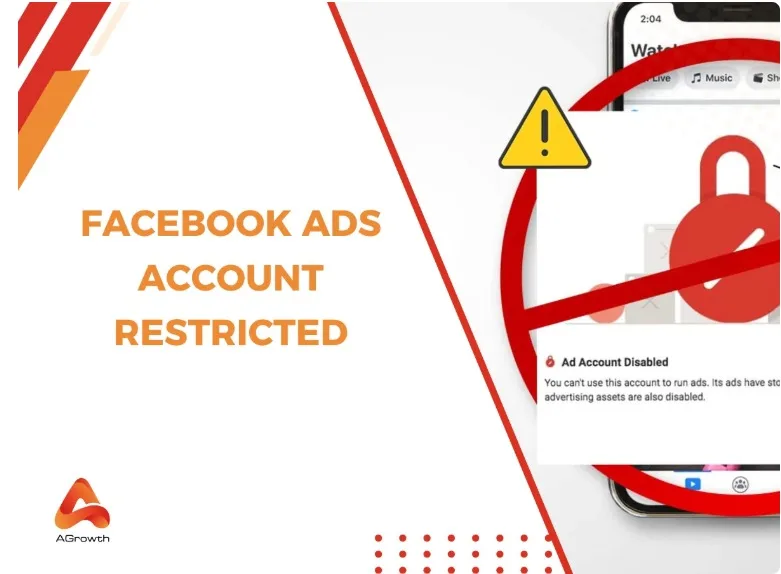
A spending limit can prevent a winning campaign from increasing budget at the desired pace. A payment failure can stop active delivery. Facebook Ads Account restricted can become another source of downtime when advertisers need to investigate an account issue or work through the relevant review process.

What a Facebook Agency Ad Account Changes

A Facebook agency ad account does not replace the media buyer. The advertiser remains responsible for:

  • Campaign structure
  • Creative development and testing
  • Audience strategy
  • Budget allocation
  • Bidding decisions
  • Conversion tracking
  • Campaign optimization

The agency account sits underneath these activities, providing an alternative account environment together with funding and operational support.

AGrowth provides Facebook agency ad account solutions for businesses and advertising teams across verticals such as e-commerce, POD, dropshipping, affiliate, and brands.

The value is therefore not that an agency account automatically produces better campaign performance, but that it can address infrastructure requirements that become more important as advertising volume increases.

Account Infrastructure for Higher-Spend Operations

A standard self-managed setup may be sufficient during early testing. As spending grows, however, advertisers may need additional account infrastructure rather than simply increasing the budget inside one account.

AGrowth provides agency-level Meta advertising accounts designed for businesses operating at larger spending volumes. The objective is to provide an account environment better suited to the advertiser’s operational requirements while recognizing that Meta policies and account reviews still apply.

Funding Support When Payment Becomes a Bottleneck

Account capacity is only useful if the account can be funded reliably. AGrowth supports several funding methods, including:

  • Bank transfer
  • Cryptocurrency
  • Payoneer
  • Wise

Through the AGrowth Platform, advertisers can also monitor balances, allocate funds, submit top-up or top-down requests, and review transaction activity.

Support When Account Problems Occur

When an account encounters a restriction, review, or other issue, the media buyer may need to investigate the cause, address policy-related problems, or submit an appeal through Meta’s available processes.

AGrowth provides human support for account-related issues and states that its team can escalate relevant cases directly to Meta when further investigation or platform communication is required.

Replacement Support for Account Continuity

An unavailable advertising account can create a business-continuity problem, particularly when it supports active campaigns.

The media buyer may need to redirect budgets, reorganize account structures, or prepare another account for continued operations.

AGrowth provides replacement support for its agency-account service, giving advertisers an additional contingency option when an account becomes unavailable. Exact replacement conditions depend on the applicable service arrangement and should be confirmed before onboarding.

Managing Multiple Accounts Requires More Than Account Access

Adding more accounts can solve one problem while creating another. Once an advertiser operates several accounts, manually checking balances, requesting funds, tracking spending, and coordinating access can become increasingly time-consuming.

AGrowth’s Auto Top-Up Platform is designed to address this operational layer across Meta, Google, and TikTok.

Key Platform Capabilities

  • Balance monitoring — see available funds and account activity
  • Fund allocation — allocate or transfer budgets between accounts
  • Top-up and top-down operations — add or withdraw advertising funds
  • Transaction tracking — maintain visibility into financial activity
  • Account requests — request additional advertising accounts
  • Multi-account management — manage multiple accounts through one workflow
  • Team access — share account access through supported business structures

The platform also separates financial operations by advertising network, providing clearer visibility across Meta, Google, and TikTok. For agencies and media-buying teams, this can turn account funding from a repetitive manual task into a more structured process.

Conclusion

Scaling Facebook advertising depends on more than campaign performance. Advertisers also need to consider the infrastructure supporting those campaigns: account capacity, funding, account continuity, operational support, and multi-account financial management.

A Facebook Agency Ad Account can provide an alternative account environment for advertisers whose operations have moved beyond a simple self-managed setup. AGrowth supports this model with agency account infrastructure, multiple funding methods, replacement support, 24/7 assistance, and centralized account-funding tools through the Auto Top-Up Platform.

Disclaimer: This content is for informational purposes only and should not be considered financial, legal, or business advice. Advertising platforms and agency accounts are subject to their own policies, eligibility requirements, spending controls, and account-review processes. Results, cost savings, account stability, and performance are not guaranteed. Businesses should review applicable platform policies and conduct their own due diligence before using third-party advertising services.

Posted on

AAA NY Contracting Corp Provides Comprehensive Construction and Exterior Services in the Bronx

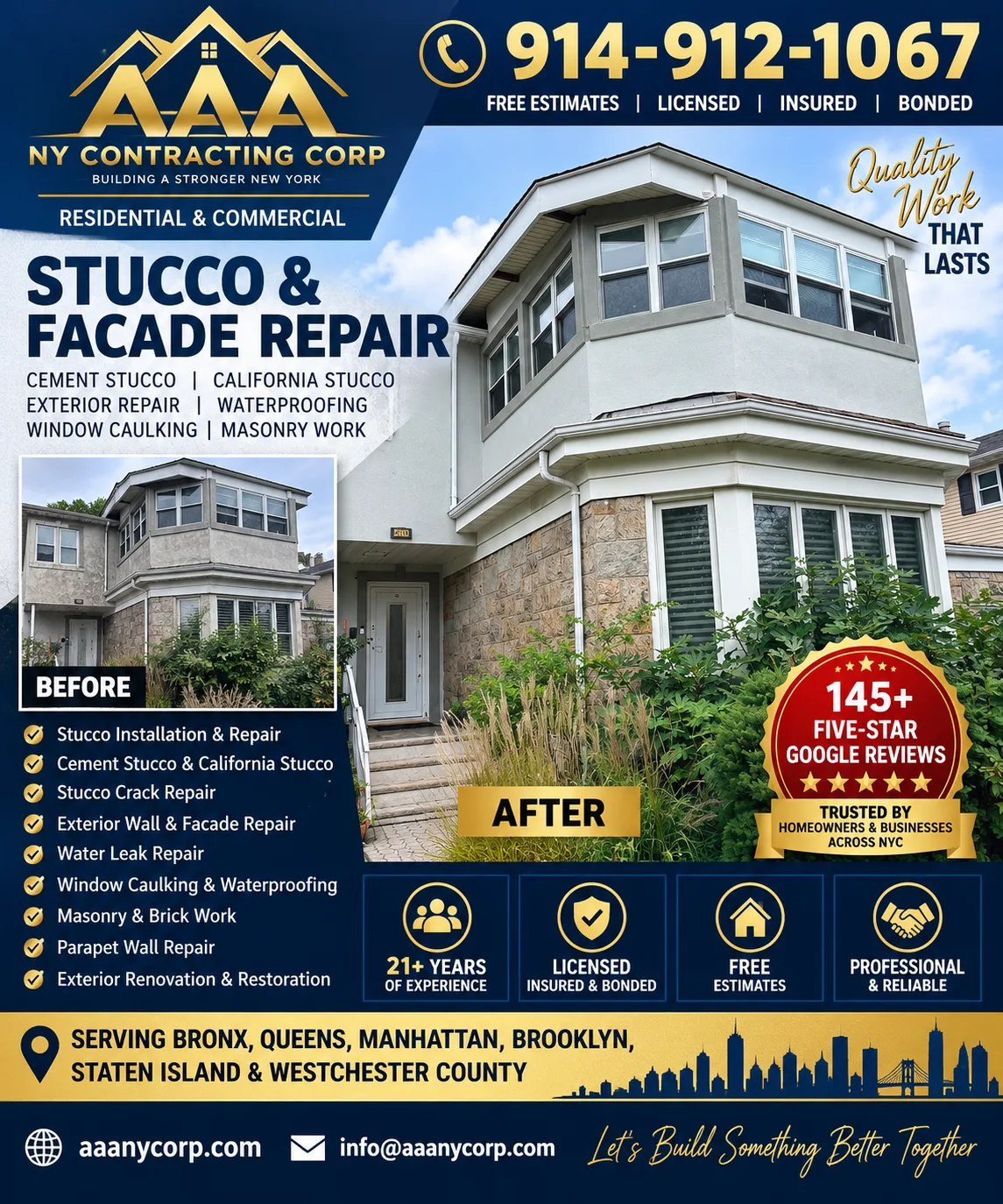
BRONX, NY — AAA NY Contracting Corp provides general contracting and construction services for residential and commercial property owners throughout the Bronx and across New York City’s five boroughs. Located at 2717 Lurting Ave, Bronx, NY 10469, the company offers a broad range of services covering construction, renovation, roofing, masonry, scaffolding, facade work, sidewalk repair, restoration, and building compliance projects.

As a full-service general contractor, AAA NY Contracting Corp states that it handles projects from planning and permitting through construction and final inspection. The company works with homeowners, property managers, co-op boards, and business owners on projects of different sizes and scopes.

Comprehensive General Contracting Services

Property improvement and construction projects often involve multiple stages, including planning, material selection, permitting, construction, inspections, and final completion. AAA NY Contracting Corp provides a range of services intended to help property owners coordinate these requirements through one contracting company.

Its listed services include residential construction, commercial construction and build-outs, bathroom remodeling, kitchen remodeling, roofing, masonry and brickwork, waterproofing, restoration, concrete work, asphalt paving, scaffolding, sidewalk repair, and Local Law 11 facade work.

The company also states that it provides assistance with permits and inspections and works with property managers and co-op boards that require project documentation and insurance certificates.

Roofing and Exterior Construction

Roofing is one of AAA NY Contracting Corp’s listed service areas. The company provides residential and commercial roof installation, repair, and maintenance services for properties exposed to New York City’s changing weather conditions.

Roofing projects can involve inspections, repairs, maintenance, or complete replacement depending on the condition and requirements of the existing system. AAA NY Contracting Corp also lists gutter installation and cleaning as part of its exterior property services.

Maintaining roofing and drainage components can help property owners address issues such as leaks, deterioration, and water-related damage before they become larger construction concerns.

Commercial Construction and Build-Outs

AAA NY Contracting Corp provides commercial construction and renovation services for businesses and property owners. Its website identifies office spaces, retail locations, healthcare facilities, and other commercial properties among the types of projects it handles.

Commercial construction can include new improvements, renovations, interior build-outs, and exterior work. By coordinating different aspects of a project, a general contractor can help property owners manage construction requirements and project scheduling.

Masonry and Building Restoration

Masonry is another major service offered by AAA NY Contracting Corp. The company’s services include brickwork, tuckpointing, facade repair, and restoration work.

Older buildings throughout New York City can require ongoing masonry maintenance due to age, weather exposure, and normal deterioration. Masonry repairs and restoration can address damaged or deteriorated areas while helping maintain the building’s exterior.

The company also provides waterproofing services and states that its approach focuses on identifying sources of water penetration rather than simply addressing visible symptoms.

Local Law 11 and Facade Work

AAA NY Contracting Corp lists Local Law 11/FISP facade work among its construction and compliance services. The company states that it handles facade repairs associated with inspection findings and coordinates with building professionals involved in the process.

For New York City property owners, facade maintenance can involve inspections, repairs, permits, documentation, and coordination with qualified professionals. Project requirements vary according to the building and its specific circumstances.

Scaffolding and Sidewalk Work

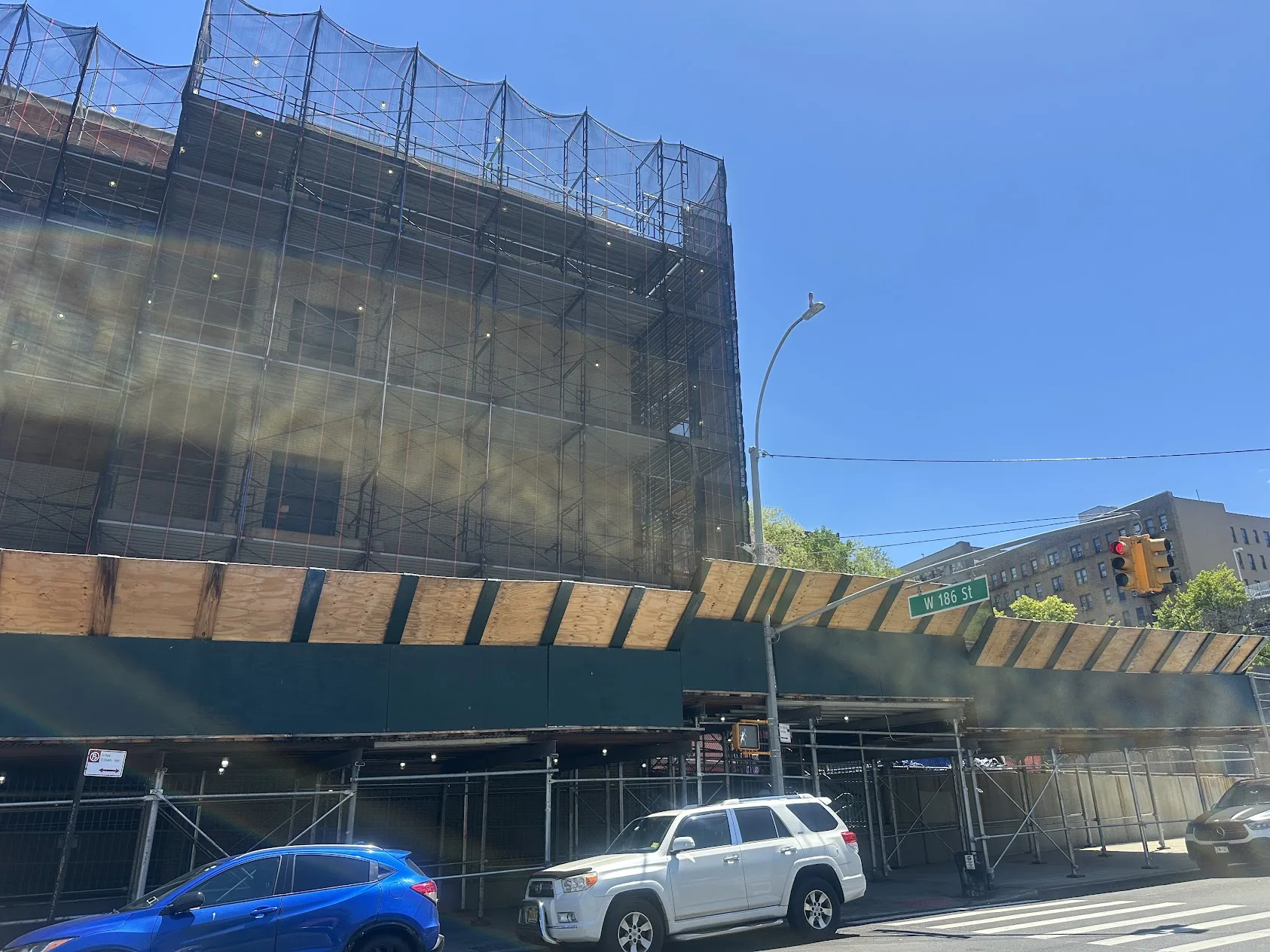
AAA NY Contracting Corp also provides scaffolding and sidewalk shed services. Its scaffolding service page describes solutions intended to provide access and support for construction and exterior building projects.

The company also lists sidewalk repair and concrete services, including work intended to address sidewalk conditions and construction-related requirements.

Combining exterior construction services with scaffolding and related work can help property owners coordinate multiple components of facade, masonry, roofing, and restoration projects.

Residential Construction and Remodeling

In addition to commercial projects, AAA NY Contracting Corp provides residential construction and renovation services. The company’s listed residential services include new construction, renovations, bathroom remodeling, and kitchen remodeling.

Homeowners can contact the company to discuss project requirements, scope, materials, scheduling, and permitting considerations before beginning construction.

Serving New York City’s Five Boroughs

AAA NY Contracting Corp is headquartered in the Bronx and states that it serves the Bronx, Brooklyn, Queens, Manhattan, and Staten Island.

The company provides services for homeowners, commercial property owners, property managers, and other customers seeking construction and exterior building services throughout New York City.

Contact AAA NY Contracting Corp

AAA NY Contracting Corp is located at:

2717 Lurting Ave
Bronx, NY 10469
United States

Phone: +1 914-912-1067
Website: https://aaanycorp.com/

Customers can contact the company to discuss residential or commercial construction requirements and request a free estimate. According to the company’s contact page, estimates are provided without obligation.

About AAA NY Contracting Corp

AAA NY Contracting Corp is a Bronx-based general contracting company providing residential and commercial construction services throughout New York City. Its service portfolio includes roofing, commercial construction, residential construction, masonry, restoration, waterproofing, scaffolding, sidewalk repair, concrete work, and Local Law 11/FISP-related facade services.

For additional information or to discuss a construction project, contact AAA NY Contracting Corp at +1 914-912-1067 or visit https://aaanycorp.com/.

Posted on

NYC Commercial Roofing Contractors Provides Professional Roofing Solutions Across New York City

BRONX, NY — NYC Commercial Roofing Contractors continues to provide commercial and residential roofing solutions for property owners throughout New York City. Based at 2466 Williamsbridge Rd, Bronx, NY 10469, the company offers roofing services designed to address repairs, inspections, installations, replacements, maintenance, waterproofing, and other roofing requirements.

For commercial property owners, a reliable roofing system plays an important role in protecting buildings, equipment, inventory, employees, tenants, and daily operations. NYC Commercial Roofing Contractors provides a range of roofing services intended to help property owners address existing roofing problems and plan for long-term roof maintenance and replacement needs.

Commercial Roofing Services in NYC

Commercial buildings can have different roof designs, materials, drainage systems, and structural requirements. NYC Commercial Roofing Contractors provides multiple roofing options to accommodate different project conditions.

The company’s listed services include commercial roof repair, roof inspection, roof installation, roof replacement, built-up roofing, hot roofing, cool roofing, EPDM commercial roofing, metal roofing, green roofing, PVC commercial roofing, TPO commercial roofing, and silicone-coated roofing. The company also lists waterproofing and related construction services.

A professional inspection can help identify visible and developing roofing concerns. Common problems can include leaks, ponding water, cracks, punctures, deteriorated materials, and other forms of surface or system damage. Addressing problems earlier may help property owners better understand the condition of their roofing system and determine appropriate next steps.

NYC Commercial Roofing Contractors for Bronx Properties

The Bronx has a diverse mix of commercial buildings, apartment properties, residential structures, and other facilities. Roofing systems are exposed to changing weather conditions throughout the year, making regular inspection and maintenance an important consideration for property owners.

NYC Commercial Roofing Contractors operates from its Bronx location at 2466 Williamsbridge Rd and provides roofing services throughout NYC. The company states that it serves the Bronx as well as Manhattan, Brooklyn, Queens, Staten Island, Westchester, and neighboring areas.

Property owners can contact the company to discuss a roofing concern, request an inspection, or obtain information about potential repair or replacement work.

Roof Inspection and Maintenance

Regular roof inspections can help property owners understand the condition of their roofing systems. During an inspection, professionals can look for visible signs of deterioration, water intrusion, drainage concerns, surface damage, and other potential problems.

NYC Commercial Roofing Contractors promotes inspection and maintenance services for both commercial and residential properties. The company’s website notes that inspections can help identify vulnerabilities before they develop into more extensive roofing problems.

Preventive maintenance may include identifying damaged areas, addressing minor issues, evaluating drainage, and determining whether sections of a roof require repair or replacement.

Roof Repair and Replacement

Roofing damage can result from age, weather exposure, water accumulation, material deterioration, or other conditions. NYC Commercial Roofing Contractors provides repair services for roofing problems and replacement solutions when an existing roof has reached the point where repair may no longer be sufficient.

The company’s website identifies roof repair, restoration, and replacement among its core services. It also provides information about commercial roofing systems and replacement projects throughout New York City.

For property owners considering a roof replacement, evaluating the existing roof system, building requirements, materials, drainage, and project scope can help establish an appropriate replacement plan.

Commercial Roofing Systems and Materials

Different commercial buildings may require different roofing systems. NYC Commercial Roofing Contractors lists several systems, including EPDM, PVC, TPO, built-up roofing, metal roofing, cool roofing, hot roofing, green roofing, and silicone-coated roofing.

The appropriate roofing system can depend on factors such as building design, roof configuration, existing materials, drainage, exposure, maintenance requirements, and the property’s intended use.

Professional evaluation can help property owners understand which roofing options are suitable for their particular project.

Waterproofing and Weather Protection

Water intrusion can cause problems beyond the roof surface. Moisture can affect insulation, interior areas, building materials, and other components of a property when roofing problems are not addressed.

NYC Commercial Roofing Contractors also provides waterproofing and weatherproofing services as part of its broader property protection solutions.

For buildings exposed to rain, snow, wind, and seasonal temperature changes, maintaining the roof and addressing water-related issues can be an important part of property maintenance.

Serving Commercial Property Owners Throughout NYC

NYC Commercial Roofing Contractors works with commercial property owners, property managers, and other customers seeking roofing services across New York City. The company states that it serves all five boroughs and surrounding areas.

Its Bronx service location provides access to roofing services for local property owners while its broader service area includes Manhattan, Brooklyn, Queens, Staten Island, and Westchester.

Whether a property requires a routine inspection, emergency repair, maintenance, restoration, or a complete roof replacement, customers can contact the company to discuss their specific requirements.

Contact NYC Commercial Roofing Contractors

NYC Commercial Roofing Contractors is located at:

2466 Williamsbridge Rd
Bronx, NY 10469
United States

Phone: +1 718-799-3668
Website: https://nyccommercialroofers.com/

The company’s website also provides contact information and an option to request a roofing quote.

About NYC Commercial Roofing Contractors

NYC Commercial Roofing Contractors provides roofing services for commercial and residential properties throughout New York City and surrounding areas. Its listed services include roof repair, inspection, installation, replacement, commercial roofing systems, waterproofing, and maintenance.

Posted on

ABC Painting Contractors Expands Professional Painting Services in Long Island City, NY

LONG ISLAND CITY, NY — ABC Painting Contractors is providing professional painting solutions for residential and commercial properties throughout Long Island City, New York, helping property owners maintain attractive, well-finished, and welcoming spaces. Located at 5-45 47th Rd, Long Island City, NY 11101, the company offers painting services designed to meet the needs of homeowners, landlords, property managers, and businesses.

As property owners look for dependable professionals to improve and maintain their properties, choosing experienced Painting Contractors in Long Island City, NY can make an important difference in the quality and appearance of a finished project. ABC Painting Contractors focuses on delivering carefully completed painting work while paying attention to preparation, application, surface condition, and overall project requirements.

Professional Painting Services for Local Properties

A fresh coat of paint can significantly change the appearance of a property. Beyond aesthetics, properly applied paint can help protect interior and exterior surfaces from everyday wear and environmental exposure. ABC Painting Contractors works with customers to provide painting solutions that are suitable for their specific property and project goals.

The company serves customers looking to refresh individual rooms, update larger areas, improve commercial spaces, or give an entire property a new appearance. Its approach emphasizes proper preparation and detailed workmanship to help achieve a consistent and professional finish.

For homeowners, painting can be an effective way to update living spaces, bedrooms, kitchens, hallways, and other areas of a property. For businesses and commercial property owners, professional painting can help create a clean and presentable environment for customers, employees, tenants, and visitors.

Painting Contractors in Long Island City, NY

Long Island City features a wide variety of residential, commercial, and mixed-use properties. Each building can have different surface conditions, layouts, materials, and painting requirements. ABC Painting Contractors understands the importance of evaluating the needs of each project before beginning the work.

Customers seeking Painting Contractors in Long Island City, NY can contact ABC Painting Contractors to discuss their painting requirements and determine an appropriate approach for their property. The company aims to provide practical painting solutions while maintaining attention to detail throughout the project.

Proper preparation is an important part of professional painting. Depending on the condition of a surface, preparation may involve cleaning, repairing minor imperfections, sanding, priming, and other steps before paint is applied. Taking care of these details can contribute to a smoother and more uniform final appearance.

Residential Painting Solutions

Residential painting projects can range from small room updates to larger property-wide improvements. ABC Painting Contractors provides painting services for homeowners who want to refresh existing spaces or create a different look for their homes.

Color selection, surface condition, room usage, lighting, and existing finishes can all influence the final appearance of a painted space. A professional painting contractor can help property owners approach these considerations before and during a project.

Whether a homeowner is preparing a property for sale, renovating a living space, updating an older interior, or simply looking for a fresh appearance, professional painting can be an important part of the improvement process.

Commercial Painting Services

Commercial properties require painting solutions that balance appearance, durability, scheduling, and the specific requirements of the business. ABC Painting Contractors works with commercial property owners and businesses seeking professional painting services for their spaces.

A well-maintained painted environment can contribute to the overall presentation of a commercial property. Offices, retail locations, rental properties, and other commercial spaces may benefit from carefully planned painting projects that complement the property’s function and visual identity.

ABC Painting Contractors focuses on understanding project requirements and completing painting work with attention to the property’s surfaces and desired finish.

Attention to Preparation and Workmanship

Professional painting involves more than applying paint to a wall. Surface preparation, appropriate materials, application techniques, and careful finishing can all affect the result.

ABC Painting Contractors approaches painting projects with an emphasis on preparation and detail. Addressing surface imperfections before painting can help create a cleaner finish, while careful application can help provide consistent coverage.

The company works to maintain a professional approach throughout the painting process, from initial project planning through completion. Customers can discuss their goals, property requirements, and preferred results with the company before moving forward.

Serving Long Island City and Surrounding Areas

ABC Painting Contractors is located at 5-45 47th Rd, Long Island City, NY 11101, United States, making it a local option for property owners seeking professional painting services in the area.

The company can be contacted by phone at +1 718-775-8774 for additional information about its services and painting projects. Customers can also visit the company’s website to learn more about ABC Painting Contractors and its professional painting solutions.

About ABC Painting Contractors

ABC Painting Contractors provides professional painting services for residential and commercial properties in Long Island City, New York. The company focuses on helping property owners improve the appearance and condition of their spaces through professional painting and careful project execution.

With a local presence in Long Island City, ABC Painting Contractors is available to discuss painting requirements with homeowners, businesses, property managers, and other customers looking for professional painting solutions.

ABC Painting Contractors
5-45 47th Rd
Long Island City, NY 11101
United States
Phone: +1 718-775-8774
Website: https://abcpaintingcontractors.com/

Posted on

ABC Fire Escapes Painting Expands Professional Fire Escape Painting Services in Queens, NY

QUEENS, NY — ABC Fire Escapes Painting, a Queens-based painting company, is highlighting its professional fire escape painting services in Queens, NY, helping property owners maintain the appearance and protection of exterior fire escape structures. The company serves residential and commercial properties throughout Queens and surrounding areas with a focus on quality workmanship, careful preparation, and dependable customer service.

Located at 3302 Skillman Ave, Queens, NY 11101, US, ABC Fire Escapes Painting provides specialized painting solutions designed for exterior metal structures that are exposed to changing weather conditions throughout the year. Fire escapes are an important part of many New York buildings, and regular maintenance can help property owners keep these structures looking clean, well-maintained, and appropriately protected.

Professional Painting for Exterior Fire Escapes

Fire escapes are exposed to rain, snow, humidity, sunlight, and other outdoor conditions that can contribute to surface deterioration over time. Peeling paint, visible corrosion, and weathered surfaces can affect the overall appearance of a building and may indicate that maintenance is needed.

ABC Fire Escapes Painting approaches each project with attention to surface preparation and application. Depending on the condition of the structure, the painting process may involve cleaning, scraping, removing loose or deteriorated coatings, preparing affected areas, applying appropriate primers, and finishing the surface with suitable exterior coatings.

By focusing on preparation before painting, the company aims to provide a finished surface that is both visually appealing and appropriate for an exterior metal structure.

Serving Residential and Commercial Properties

ABC Fire Escapes Painting works with property owners, landlords, building managers, and other customers seeking professional painting assistance for fire escapes and related exterior structures.

The company understands that every property can have different requirements. A small residential building may need maintenance on a single fire escape, while a larger property may require attention to multiple exterior structures. ABC Fire Escapes Painting can evaluate the project requirements and provide a service approach based on the property’s specific needs.

The company’s fire escape painting services in Queens, NY are intended for customers who want professional assistance rather than attempting a complex exterior metal painting project themselves.

Emphasis on Surface Preparation

One of the most important aspects of exterior metal painting is preparation. Applying new paint over dirt, loose coatings, or deteriorated surfaces can reduce the quality and longevity of the finished result.

ABC Fire Escapes Painting emphasizes preparation as part of its painting process. Proper preparation can help create a cleaner surface for primer and paint while allowing existing surface issues to be identified before the finishing coats are applied.

The company can address common surface conditions associated with aging exterior metal, including faded coatings, peeling paint, and areas requiring additional preparation before painting.

Improving Building Appearance

A well-maintained fire escape can contribute to the overall appearance of a property. Because fire escapes are often highly visible from streets, sidewalks, neighboring buildings, and courtyards, their condition can have an impact on how an exterior looks.

Fresh, professionally applied paint can provide a cleaner and more uniform appearance while complementing the existing exterior of a building. For property owners preparing a building for routine maintenance, renovation, rental activity, or general upkeep, fire escape painting can be an important part of an exterior maintenance program.

ABC Fire Escapes Painting works to provide customers with practical painting solutions while maintaining attention to detail throughout the project.

Local Service in Queens

As a Queens-based company, ABC Fire Escapes Painting is positioned to serve property owners looking for local professionals familiar with exterior painting needs in the New York area.

Queens properties are exposed to a variety of seasonal weather conditions. Exterior metal structures therefore require appropriate maintenance and attention over time. ABC Fire Escapes Painting helps customers address the appearance and coating condition of fire escapes through professional painting services.

Customers interested in scheduling a project or learning more about available services can contact the company directly for additional information.

A Convenient Choice for Property Owners

Managing property maintenance can involve coordinating multiple services, schedules, and contractors. ABC Fire Escapes Painting aims to make the painting portion of exterior maintenance straightforward by communicating with customers about project requirements and providing painting services tailored to the property.

Whether a customer is addressing an aging fire escape, refreshing an exterior metal structure, or completing routine property maintenance, the company can discuss the scope of work and determine the appropriate next steps.

The company encourages property owners to inspect exterior structures regularly and seek professional assistance when painting or surface maintenance is required.

About ABC Fire Escapes Painting

ABC Fire Escapes Painting is a Queens-based painting company specializing in fire escape and exterior painting services. The company provides painting solutions for property owners seeking professional maintenance and improved appearance for exterior metal structures.

ABC Fire Escapes Painting is committed to delivering careful preparation, professional application, and responsive customer service. The company serves customers in Queens and nearby New York communities.

For more information about fire escape painting services in Queens, NY, customers can contact ABC Fire Escapes Painting using the information below.

Contact Information

ABC Fire Escapes Painting
3302 Skillman Ave
Queens, NY 11101, US

Email: [email protected]
Phone: (929) 837-3619

Media & Service Contact: ABC Fire Escapes Painting

Posted on

Staten Island Scaffolding and Sidewalk Shed Provides Reliable Scaffolding Services in Staten Island, NY

Staten Island, NY — Staten Island Scaffolding and Sidewalk Shed, a local scaffolding and sidewalk shed provider, is helping contractors, property owners, and construction professionals maintain safer and more organized work environments with dependable Scaffolding Services Staten Island, NY. The company provides scaffolding solutions designed to support a wide range of construction, renovation, maintenance, and building improvement projects throughout Staten Island.

Located at 2483 Arthur Kill Rd, Staten Island, NY 10309, Staten Island Scaffolding and Sidewalk Shed focuses on providing practical access and protection solutions for projects that require temporary elevated work platforms, building access, and sidewalk protection.

Professional Scaffolding Services in Staten Island

Construction and building maintenance projects often require reliable temporary structures that allow workers to access different areas of a property safely and efficiently. Staten Island Scaffolding and Sidewalk Shed provides scaffolding solutions intended to accommodate the needs of residential, commercial, and construction projects.

The company’s Scaffolding Services Staten Island, NY are suitable for projects involving building construction, exterior repairs, renovations, maintenance, masonry work, painting, façade improvements, and other applications where elevated access may be required.

By providing appropriate scaffolding solutions, the company helps contractors organize their work areas while providing workers with access to elevated sections of buildings. Properly planned scaffolding can also help construction teams work more efficiently by providing designated platforms and access points around a project.

Sidewalk Shed Solutions for Construction Projects

Sidewalk sheds can play an important role in projects where construction or building maintenance work takes place above or near pedestrian areas. These temporary protective structures are designed to provide overhead protection and help maintain safer pathways around active construction locations.

Staten Island Scaffolding and Sidewalk Shed provides sidewalk shed solutions for properties and construction projects throughout Staten Island. These systems can be used in connection with exterior building work, façade repairs, renovations, maintenance projects, and other situations where pedestrian protection is an important consideration.

For contractors and property owners, coordinating scaffolding and sidewalk protection can simplify project planning by addressing access and pedestrian safety requirements as part of the temporary construction setup.

Supporting Residential and Commercial Construction

Every construction project has different requirements based on the building’s size, design, location, and scope of work. Staten Island Scaffolding and Sidewalk Shed works with customers who need scaffolding and sidewalk shed solutions for a variety of project types.

Residential property owners may require temporary scaffolding for exterior repairs, painting, roofing-related work, masonry, renovations, or other building improvements. Commercial properties may require larger access systems for façade maintenance, construction, restoration, and ongoing building work.

The company aims to provide solutions that can be adapted to the requirements of individual projects while helping contractors maintain an organized work environment.

Why Proper Scaffolding Matters

Scaffolding is an important part of many construction and maintenance projects because it provides temporary access to areas that may otherwise be difficult for workers to reach. A properly planned scaffolding system can provide designated work platforms and access points, allowing crews to complete work at different elevations.

For projects involving masonry, façade repairs, painting, restoration, or building maintenance, dependable scaffolding can help construction teams move equipment and materials around the work area more efficiently.

Staten Island Scaffolding and Sidewalk Shed understands the importance of dependable temporary access systems and provides scaffolding solutions intended to support contractors throughout their projects.

Serving Staten Island, New York

As a locally focused scaffolding provider, Staten Island Scaffolding and Sidewalk Shed serves customers throughout Staten Island and surrounding areas. The company is conveniently located at 2483 Arthur Kill Rd, Staten Island, NY 10309, making it accessible to contractors and property owners looking for local scaffolding and sidewalk shed solutions.

The company encourages customers to discuss their project requirements before beginning work so that the appropriate scaffolding or sidewalk protection solution can be considered for the specific application.

Whether a project involves a residential building, commercial property, renovation, repair, maintenance, or new construction, professional temporary access and protection systems can be an important part of project preparation.

A Local Resource for Scaffolding and Sidewalk Protection

Staten Island Scaffolding and Sidewalk Shed continues to provide scaffolding and sidewalk shed solutions for construction professionals and property owners in Staten Island. The company’s services are designed to support projects that require temporary elevated access and protection around active construction areas.

With a focus on local service, practical solutions, and construction support, the company aims to make it easier for customers to arrange the temporary structures required for their projects.

Customers interested in learning more about Scaffolding Services Staten Island, NY can visit the company’s website to explore available services and contact the team regarding their specific project requirements.

Contact Staten Island Scaffolding and Sidewalk Shed

For more information about scaffolding and sidewalk shed solutions in Staten Island, customers can contact Staten Island Scaffolding and Sidewalk Shed directly.

Staten Island Scaffolding and Sidewalk Shed
Address: 2483 Arthur Kill Rd, Staten Island, NY 10309
Phone: +1 929-566-5213
Email: [email protected]
Website: https://statenislandscaffoldings.com/

Whether planning a renovation, maintenance project, exterior repair, construction project, or building improvement, Staten Island Scaffolding and Sidewalk Shed provides local scaffolding and sidewalk shed solutions designed to support construction activities throughout Staten Island, New York.

About Staten Island Scaffolding and Sidewalk Shed

Staten Island Scaffolding and Sidewalk Shed is a Staten Island-based provider of scaffolding and sidewalk shed solutions for residential, commercial, construction, renovation, and maintenance projects. The company serves customers seeking dependable temporary access and pedestrian protection solutions in Staten Island, NY.

Posted on

Car Title Loans in Ocala: A Practical Guide for Florida Borrowers

Financial emergencies can arise without much warning, whether they involve an unexpected repair, urgent household expense, medical bill, or temporary cash-flow gap. For Florida vehicle owners exploring short-term borrowing options, Ocala Car Title Loans can be one financing route to investigate when a qualifying vehicle is available as collateral. Understanding how title-based borrowing works, what lenders typically review, and how repayment affects the overall cost can help borrowers approach the process with greater financial awareness.

What Is a Car Title Loan?

A car title loan is a form of secured borrowing that uses a vehicle title as collateral. Instead of relying solely on traditional unsecured credit criteria, the lender evaluates the vehicle and other information to determine whether the applicant qualifies.

The borrower generally keeps possession of the vehicle while making scheduled payments. However, because the vehicle secures the loan, failing to meet the agreed repayment obligations can create serious consequences. This makes it important to understand the contract before accepting funds.

How Does the Application Process Work?

The application process generally begins with basic personal information, vehicle details, and documentation related to ownership. Depending on the lender and loan structure, applicants may be asked to provide identification, proof of income or ability to repay, vehicle registration, and a clear title.

Vehicle information can play an important role because the condition, age, make, model, mileage, and market value may influence the amount a lender is willing to offer. Applicants should provide accurate information so the assessment can be completed properly.

How Much Can Someone Borrow?

There is no universal loan amount for every borrower. The amount available can depend on the vehicle’s estimated value, the lender’s policies, the applicant’s financial circumstances, and applicable Florida requirements.

A responsible borrowing decision should focus not only on the amount offered but also on whether the monthly or scheduled repayment obligation fits comfortably within the household budget. Borrowing the maximum available amount is not necessarily appropriate when a smaller loan could cover the immediate expense.

Does Credit Score Matter?

Credit requirements can vary between lenders and loan products. Because a title loan is secured by a vehicle, the vehicle itself can be an important part of the qualification process.

Nevertheless, applicants should not assume that credit history is irrelevant. Lenders may consider several factors when reviewing an application, including income, existing obligations, vehicle ownership, and repayment capacity.

What Documents Are Usually Required?

Documentation varies, but borrowers should be prepared to provide information that verifies identity, vehicle ownership, and their ability to meet repayment requirements.

Commonly requested materials can include a government-issued identification document, vehicle title, registration information, proof of residence, and income-related documentation. Having relevant records available can make the application process more organized and reduce unnecessary delays.

Can the Borrower Keep the Vehicle?

In many title-loan arrangements, the borrower continues using the vehicle while the loan remains active. This can make the option different from certain forms of collateral-based financing where the asset is physically surrendered.

However, continued vehicle use does not eliminate the borrower’s responsibility to make payments according to the agreement. The title remains connected to the loan until the financial obligation is satisfied under the contract.

What Should Borrowers Check Before Signing?

Reviewing the agreement carefully is one of the most important parts of responsible borrowing. A borrower should understand the total repayment amount, payment schedule, interest or finance charges, applicable fees, late-payment consequences, and conditions involving the vehicle title.

It is also useful to ask what happens if a payment is missed. Understanding the lender’s procedures in advance can prevent unpleasant surprises later.

Are Title Loans Suitable for Every Financial Situation?

No single financial product is appropriate for every borrower. A title loan may provide access to funds for a qualifying vehicle owner, but the secured nature of the arrangement means the borrower must consider the potential consequences of nonpayment.

Before borrowing, individuals can compare their available resources, expected income, existing obligations, and the urgency of the expense. If the financial need can be addressed without borrowing, avoiding additional debt may reduce future pressure.

Why Is Repayment Planning Important?

Repayment planning is essential because short-term borrowing can become difficult when a borrower does not have a realistic strategy for meeting scheduled payments.

A practical approach is to calculate regular household expenses before accepting a loan. Rent or mortgage payments, utilities, food, transportation, insurance, existing debt, and other recurring obligations should be considered. The proposed loan payment should then be evaluated against the remaining disposable income.

This simple budgeting exercise can help borrowers determine whether the proposed repayment schedule is manageable.

What Happens If a Payment Is Missed?

The consequences of missed payments depend on the loan agreement and applicable law. Late payments may result in additional charges or other contractual consequences. Because the vehicle secures the loan, prolonged failure to meet obligations can potentially put the vehicle at risk.

For that reason, borrowers should contact the lender promptly if they anticipate difficulty making a scheduled payment. Understanding available options before a payment becomes overdue may help address the situation more effectively.

How Should Borrowers Compare Loan Offers?

Comparing loans solely by the amount of money received can provide an incomplete picture. A more useful comparison considers the complete cost of borrowing and the structure of repayment.

Important factors include the amount financed, finance charges, payment frequency, total repayment obligation, fees, maturity period, and consequences associated with late payments. Reading these details together provides a clearer understanding of the financial commitment.

Borrowers should also confirm that they understand every major term before signing documentation.

Can Vehicle Value Change the Loan Offer?

Yes, vehicle value can be an important consideration in secured title lending. A lender may evaluate the vehicle’s age, condition, mileage, model, and estimated market value when determining collateral value.

This means two applicants with otherwise similar circumstances could potentially receive different offers because their vehicles have different characteristics. Accurate vehicle information is therefore important during the application process.

Is a Clear Title Important?

A clear title can be a significant requirement because the title establishes ownership and the lender’s collateral interest. Existing liens or ownership complications may affect eligibility depending on the lender’s policies.

Applicants should verify their title status before beginning the process. If ownership documentation contains errors or unresolved issues, those matters may need to be addressed before financing can proceed.

What Are the Benefits of a Structured Application?

A structured application process gives borrowers an opportunity to organize their financial information before making a commitment. Rather than focusing only on obtaining immediate cash, applicants can review their budget, documentation, vehicle information, and repayment expectations.

This preparation can also make it easier to identify questions that need clarification. A borrower who understands the agreement is generally better positioned to make an informed financial decision.

How Can Borrowers Use Title-Loan Funds Responsibly?

The purpose of borrowing should be considered carefully. Emergency expenses may sometimes require immediate attention, but borrowers should distinguish between essential costs and discretionary spending.

Creating a specific plan for the funds can help prevent unnecessary borrowing. Once the immediate financial issue has been addressed, attention can shift toward repayment and restoring financial stability.

What Should Be Considered After the Loan Is Paid?

Once the contractual obligation has been satisfied, borrowers should retain records confirming repayment and review the status of the vehicle title or lien documentation as appropriate.

Keeping payment records and final loan documents can be useful for future financial recordkeeping. It can also provide confirmation that the borrowing arrangement has been completed according to its terms.

What Is the Main Takeaway for Ocala Borrowers?

Car title financing should be approached as a financial commitment rather than simply a quick source of cash. Understanding collateral requirements, loan costs, repayment schedules, eligibility factors, and potential consequences can help borrowers make decisions based on their actual financial circumstances.

For Ocala residents considering this type of financing, careful comparison and realistic budgeting are particularly important. Reviewing the complete agreement, asking questions about unfamiliar terms, and calculating whether the repayment schedule fits the household budget can create a more informed borrowing process.

A vehicle can provide access to secured financing, but responsible borrowing begins with understanding both the opportunity and the obligation. Taking time to evaluate the numbers before signing can help ensure that the chosen financing arrangement aligns with the borrower’s immediate needs and longer-term financial plans

Posted on

7 Best Employee Time Clock Apps for Shift Work

Shift work breaks most time clock software, and it usually breaks it in the same four minutes.

Changeover is when eighty or two hundred people arrive at once. One terminal on a wall, six seconds per person, and the queue is longer than the handover briefing. People start late, supervisors record them as on time, and the data quietly stops matching reality.

These seven handle shift patterns better than the average office tool.

1. Cloud-in-Hand Solutions Platform

Best for: shift-based sites where throughput at changeover is the real problem.

Cloud-in-Hand runs its Stratus-io platform on hardware you already own. A phone, tablet, or rugged handheld becomes an RFID reader. A scan point can be set up wherever the queue forms, not where the cabling runs.

For shift change that is the whole argument. Two supervisors with handhelds clear a line several times faster than one fixed terminal. Adding a third costs the price of a device.

Key capabilities:

  • RFID, barcode, and QR badge scanning on standard devices
  • Multiple scan points without new fixed hardware
  • Job and cost code capture against each clock event
  • Photo capture at scan to confirm identity
  • Contractor and visitor check-in on the same platform
  • Offline capture, so a dropped network does not lose a shift
  • Emergency mustering with a live headcount at the assembly point

Badges also work where phones do not. Plenty of plants restrict personal devices on the floor, which rules out most mobile-first time clock apps entirely.

Worth knowing: the same badge data produces an evacuation count, so attendance and safety accountability come from one scan.

2. Connecteam

Best for: frontline teams that want scheduling and messaging alongside the clock.

Connecteam pairs time tracking with shift scheduling, checklists, and team communication. For deskless workforces that is a useful bundle. Adoption tends to be good, because employees get something out of it too.

Geofenced clock in and a shared kiosk mode both feature.

Worth knowing: the breadth means the time tracking is capable rather than specialized.

3. Jibble

Best for: smaller operations that need shift tracking without a large bill.

Jibble offers GPS and geofenced attendance with facial recognition on clock in, plus a free tier that covers the basics. For a business moving off paper or spreadsheets, that lowers the barrier considerably.

Timesheets export cleanly to common payroll tools.

Worth knowing: the free tier is genuinely useful, though check which features sit behind paid plans before committing.

4. uAttend

Best for: single sites that want a physical clock without a long contract.

uAttend sells cloud connected time clocks that read proximity cards and fobs, priced for smaller employers. Setup is close to plug and play, and data appears in a browser dashboard immediately.

For a forty person operation replacing a punch clock, it is often the fastest route.

Worth knowing: reporting is deliberately simple. Layered job costing will outgrow it.

5. Timeero

Best for: field and multi-site crews that clock in away from a fixed building.

Timeero is a GPS time clock for teams that start their shift on a job site. Most of its users never walk through a front door. Clock-ins carry a location stamp, and geofences can remind people to punch in when they arrive.

Mileage tracking and job codes sit alongside the time records, which helps when crews move between sites during the day.

Worth knowing: it is built around phones, so plants that restrict personal devices on the floor will need another method.

6. OnTheClock

Best for: small businesses that want a simple online time clock without a long setup.

OnTheClock covers the basics well. Employees punch in from a browser, a phone, or a shared kiosk tablet, and managers approve timesheets before payroll.

PTO tracking and payroll exports are built in, so a small team can run the whole pay cycle from one place.

Worth knowing: it suits straightforward schedules. Complex pay rules and large shift changeovers are outside its sweet spot.

7. Clockify

Best for: teams that want a free starting point and a shared kiosk.

Clockify started as a time tracker and now includes a kiosk mode. Employees clock in and out on a shared device with a PIN. The free tier covers unlimited users, which lowers the barrier for teams moving off paper.

Timesheets, time off, and reports sit on the same data, with paid tiers adding more controls.

Worth knowing: PIN entry is slower than a badge tap, so it will not fix a long queue at changeover.

What to weigh before choosing

Start with arithmetic rather than features. Count how many people clock in within the same five minutes. Multiply by seconds per transaction, then divide by the number of scan points you can run. If that exceeds your changeover window, you have a throughput problem and no amount of software polish will fix it.

Then ask whether phones are permitted on the floor. If they are not, mobile-first apps are out before you start comparing them.

Check what happens when the network drops. Offline capture is the difference between a complete record and a missing shift.

Finally, ask whether the same data has to answer a safety question. If your evacuation roster comes from clock in records, their accuracy stops being a payroll matter. It becomes something else entirely.

Posted on

The Five Lines Between a Factory Quote and a Shelf Price for Imported Lighting

Some small US retailers and marketplace sellers now buy decorative lighting straight from the factory that makes it rather than through a distributor. The unit price on a factory quote is what draws them in, and it is the least informative number on the page. Between that quote and a shelf price sit five other lines, and the importers who have done this more than once fill them in before the order is placed rather than when the container is already at the port.

Classification decides the duty rate

Every imported product enters the United States under a tariff subheading, and for lighting the right one is less obvious than a buyer might assume. A lamp whose purpose is to warm a jar of wax can look like an appliance, and Chinese export paperwork often carries a heading for electro-thermic appliances. US Customs has taken a different view. In a July 2024 ruling on a candle warmer lamp with a GU10 halogen bulb, CBP classified the product as a luminaire under heading 9405, with the Section 301 additional duty applied on top. The lesson is not the specific number, which changes with the product, but the process: the factory’s export code is a starting point, a licensed customs broker makes the call, and for a new product line a binding ruling request is cheap insurance. Guessing is expensive in both directions.

Section 301 is its own line

Goods of Chinese origin carry additional duties under Section 301 on top of the general rate, and the additional amount has changed more than once, including actions that reach across all Chinese-origin goods rather than a single list. The practical habit is to look up the current schedule at the moment of quoting, write the number into the cost sheet, and look again before the order ships. An importer who promises a retailer a landed price on last year’s schedule is the one who absorbs the difference.

Safety paperwork comes ahead of the first pallet

Anything that plugs into a wall in a US home is likely to be asked for a recognized safety listing or a third-party test report, by a chain buyer, by a marketplace, or by the insurer of the store selling it. The question to put to a factory in writing is which reports exist for which model at which voltage, and to put it early, because the answer decides whether a product can be sold through a given channel at all. Some factories hold reports for some models. None hold them for every model, and a buyer who assumes otherwise finds out from a compliance form.

Freight is priced by the cubic meter

Sea freight ignores the unit price and charges for space. A supplier that documents carton specifications for each product, the count per carton, the carton’s dimensions and its gross weight, gives a freight forwarder what they need to quote in an hour; a supplier that does not means a week of emails. Whether the price is quoted free on board at a Chinese port or delivered to a US door decides who carries the risk and the freight while the goods are at sea, and that belongs on the sheet as a line of its own.

The sample is the cheapest line on the sheet

A production-line sample, held in hand and checked against a retailer’s own requirements, is the one purchase that protects all the others. Some factories quote around fifteen days for a sample and credit the fee against the production order, which makes skipping the step a false economy: the two weeks saved tend to come back later as returns.

Where the numbers come from

Factories that publish their own operating details make the sheet easier to fill in. One Foshan manufacturer lists its floor size and its two production lines at beginlighting.com/factory, and that is the level of detail a broker and a forwarder want to see before they quote, rather than answers relayed from a chat window.

A distributor used to fill in all five lines on the retailer’s behalf. The margin that comes from ordering direct was always the price of filling them in yourself.

Posted on

The Science Behind Compression Shorts: Do They Actually Improve Athletic Performance?

Walk into any football training session, gym, or athletics track today and you’ll notice one thing: compression shorts are everywhere. From elite footballers warming up on the pitch to recreational runners stretching by the road, these form-fitting garments have become a staple of modern sportswear. But beyond the sleek look and the feel of supportive fabric, a key question remains — does the science actually back up the performance claims? Or are compression shorts just a case of athletic fashion masquerading as functional gear?

In this article, we’ll dig into the research, explore how compression garments work physiologically, and help you understand when and why wearing high-quality compression shorts can make a real difference to your training and recovery.

What Are Compression Shorts and How Do They Work?

Compression shorts are tight-fitting garments typically made from a blend of elastane, nylon, or polyester. They are designed to apply graduated pressure to the muscles of the upper leg, including the quadriceps, hamstrings, and glutes. The key mechanism is enhanced blood circulation — by gently squeezing the muscle tissue, compression garments are thought to encourage venous return (the flow of blood back to the heart), improve oxygen delivery to working muscles, and reduce the pooling of lactic acid.

There are broadly two types of compression used in sports:

  • Graduated compression: Tighter at the extremities and gradually loosening toward the core — most commonly used in medical settings but increasingly applied in sports.
  • Uniform compression: Even pressure across the garment, which is more typical of standard athletic compression shorts.

What Does the Research Actually Say?

The scientific literature on compression garments is extensive, though not always perfectly consistent. Here is a breakdown of the key areas researchers have studied:

1. Muscle Oxygenation and Circulation

A number of peer-reviewed studies have found that compression garments can meaningfully improve blood flow and muscle oxygenation. A 2013 study published in the Journal of Strength and Conditioning Research found that athletes wearing compression tights showed improved venous return and reduced muscle vibration during exercise. Less muscle vibration means less micro-damage to fibres, which may translate to reduced soreness and faster recovery.

2. Performance Gains During Exercise

The evidence for direct performance improvement during exercise is more mixed. Some studies suggest modest gains in vertical jump height, sprinting speed, and endurance capacity. A review published in Sports Medicine noted that while compression garments may not produce dramatic performance improvements in healthy, well-trained athletes, they can provide enough of a benefit — even marginal — to matter at competitive levels where small margins count.

For footballers specifically, the benefits of compression shorts are particularly relevant. The sport demands explosive sprinting, rapid changes of direction, jumping, and sustained aerobic effort — all over 90 minutes or more. Any support that reduces muscle fatigue or improves proprioception (your body’s awareness of its own positioning) can be a genuine tactical advantage.

3. Recovery After Exercise

This is where compression shorts consistently receive the strongest scientific support. Multiple studies — including several systematic reviews and meta-analyses — have demonstrated that wearing compression garments post-exercise significantly reduces delayed onset muscle soreness (DOMS), perceived fatigue, and recovery time.

For athletes with back-to-back training sessions or matches — a common reality in competitive football — this faster recovery can be the difference between performing well in your next game or carrying the burden of accumulated fatigue.


The Proprioception Factor: A Hidden Benefit

One underappreciated benefit of compression shorts is their effect on proprioception — the sensory feedback system that helps your brain understand where your limbs are in space. When compression fabric presses against the skin, it stimulates mechanoreceptors in the muscle and connective tissue, which can enhance your body’s real-time awareness of joint angles and movement.

In practical terms, this means better balance, more precise footwork, and potentially a reduced risk of ankle or knee injury — all crucial for any footballer. Research published in the Journal of Science and Medicine in Sport found that compression garments improved proprioceptive acuity in athletes, suggesting a meaningful neuromuscular benefit beyond just blood flow. It’s one of the key reasons brands like Gioca engineer their compression garments with close-contact, body-mapped fabrics that maximise this sensory feedback effect.

Psychological Benefits: The Confidence Effect

The science of performance isn’t purely physiological. Sports psychology research has increasingly recognised the role of “enclothed cognition” — the idea that what you wear can influence how you think, feel, and perform. Athletes who feel good in their kit are more confident, more focused, and more likely to perform at their best.

The snug, supportive feel of high-quality compression shorts can give athletes a sense of readiness and control. This psychological priming shouldn’t be dismissed as trivial — when combined with the physiological benefits, it contributes to an overall performance environment that is simply better than going without.

What to Look for in Quality Compression Shorts

Not all compression shorts are created equal. The market is flooded with options, and the performance gap between a well-engineered garment and a cheap imitation can be significant. Here are the key factors to consider:

  • Compression level: Look for shorts with a measured compression value (mmHg), ideally in the 15–25 mmHg range for sport use. Too little and you lose the functional benefit; too much and you restrict movement.
  • Fabric quality: Premium blends that wick moisture, regulate temperature, and maintain compression integrity over many washes are essential. Cheap fabrics lose their compression properties quickly.
  • Flatlock seams: Stitching that lies flat against the skin prevents chafing during prolonged activity — a small but important detail for athletes training multiple sessions per week.
  • Fit and length: Compression shorts should fit snugly without restricting your range of motion. Mid-thigh length is standard, though longer styles offer more muscle coverage for athletes who prefer it.

Brands like Gioca have built their compression range with performance athletes in mind, combining technical fabric engineering with sport-specific design. Their compression shorts are engineered to deliver the right level of muscle support for football, training, and recovery — giving players confidence that what they wear is working as hard as they are.

When Should You Wear Compression Shorts?

The good news is that compression shorts can be worn across multiple stages of your athletic routine:

  • During training and matches: For circulatory support, muscle stability, and proprioceptive benefit.
  • Under football shorts: As a base layer beneath your game kit, adding comfort and reducing inner-thigh friction.
  • During warm-up and cool-down: To prime muscles before and help flush metabolic waste after exercise.
  • Post-exercise recovery: Worn for several hours after a hard session to reduce DOMS and speed up muscle repair.

The Verdict: Science Supports the Shorts

So, do compression shorts actually improve athletic performance? The honest answer is: yes, they do — particularly in the areas of recovery, muscle support, and proprioceptive awareness. While they won’t turn an average player into an elite one overnight, the cumulative benefit of reduced soreness, better circulation, and enhanced body awareness adds up meaningfully over a season of training and competition.

For footballers especially, who endure multi-directional explosive movement across long seasons, investing in quality compression shorts is one of the smartest performance decisions you can make. The science backs it up — and so does the experience of countless athletes at every level of the game.

If you’re ready to experience the difference for yourself, explore the full range of compression shorts at Gioca — purpose-built for athletes who demand more from their kit.

Posted on

How Property Division Works During a California Divorce?

In California, you’ll split marital assets 50/50 with your spouse under community property law. Assets acquired during marriage—like homes, vehicles, and retirement accounts—divide equally, while separate property (inheritances, premarriage assets, gifts) stays yours. You’ll need accurate appraisals and honest financial disclosures.

Debts incurred during marriage also split equally unless misconduct occurred. Prenuptial agreements can alter these rules. Commingling separate and community property complicates division, so document everything carefully. Understanding your specific situation requires examining your unique circumstances more closely.

California’s 50/50 Community Property Rule

When you’re going through a divorce in California, you’ll encounter one of the state’s most significant legal principles: the community property rule. This rule dictates that you and your spouse must divide all assets and debts acquired during your marriage equally—50/50. It doesn’t matter whose name appears on the title or who earned the income.

Community property includes your home, vehicles, retirement accounts, and bank savings. Separate property, however, remains yours alone. This includes assets you owned before marriage, inheritances, and gifts specifically given to you.

Having trusted family law attorneys can help clarify these distinctions. Understanding this distinction is essential because it directly impacts your financial settlement. You’ll need to identify what qualifies as community property versus separate property to guarantee a fair division. California courts apply this rule consistently, making it predictable but requiring careful documentation and honest disclosure during divorce proceedings.

Protect Your Interests Before Division Begins

Understanding California’s 50/50 community property rule is only half the battle—you’ll also need to take proactive steps to protect your interests before the division process begins. Start by documenting all assets you’ve acquired during marriage, including bank accounts, investments, real estate, and retirement funds.

Gather financial records, tax returns, and account statements to establish clear ownership timelines. If you suspect hidden assets or commingling of separate property, hire a forensic accountant. Secure important documents in a safe location. Consider freezing joint accounts to prevent unauthorized transfers.

Consult a divorce attorney early to understand your rights and develop a strategy. These protective measures strengthen your position and guarantee accurate asset identification when negotiations commence.

When You Won’t Get Equal Division

You won’t receive a 50/50 split if you’ve accumulated separate property before or during your marriage, as California law keeps that asset yours alone.

The court assigns debts unequally based on who incurred them and the circumstances surrounding each obligation.

Your spouse’s misconduct during the marriage can also reduce their property share, depending on the nature and extent of their actions.

Separate Property Remains Yours

California’s community property laws don’t apply equally to everything you own. Your separate property remains yours alone during divorce proceedings.

You’ll retain full ownership of assets you acquired before marriage. Inheritances and gifts received solely in your name also stay with you, regardless of when you received them. Property you purchased with separate funds remains separate, even if acquired during the marriage.

However, commingling separate and community property can complicate matters. If you deposit inherited money into a joint account or use separate funds for marital expenses, courts may determine those assets became community property.

To protect your separate property, maintain clear documentation showing the asset’s origin and funding source. Keep inheritances and gifts in accounts bearing your name only. This straightforward approach prevents confusion and protects what’s rightfully yours.

Debts Assigned Unequally

Why does debt division sometimes favor one spouse over the other? California courts don’t always split marital debts equally. If you incurred debt for separate purposes or your spouse benefited disproportionately, the judge may assign more debt to them.

For example, if you took out a loan for your business and your spouse didn’t contribute, you’ll likely bear that burden. Similarly, if your spouse accumulated credit card debt independently, they’ll shoulder that responsibility.

The court considers who benefited from the debt and each spouse’s ability to pay. You might also negotiate a debt division agreement that works better for your circumstances. Document how debts were used to support your position during proceedings.

Misconduct Affects Your Share

Although California’s community property law typically mandates equal division of marital assets and debts, judicial discretion allows courts to deviate from this standard when one spouse’s misconduct substantially affected the marriage’s finances.

You won’t receive an equal 50/50 split if you’ve engaged in financial misconduct. Courts consider behaviors like hidden assets, fraudulent transfers, excessive gambling, or deliberate destruction of marital property.

If you’ve squandered community funds through reckless spending or illegal activities, the judge may award your spouse a larger share to compensate for the losses you’ve caused.

Document evidence of your spouse’s financial misconduct thoroughly. Present bank statements, communications, and expert testimony to demonstrate how their actions harmed your family’s finances.

The court weighs these factors seriously when determining your final property division award.

Community Property vs. Separate Property: Know the Difference

When you’re dividing assets in a California divorce, understanding the distinction between community property and separate property fundamentally shapes your financial outcome.

Community property includes assets you and your spouse acquired during marriage using marital income. You’ll typically split these 50/50.

Separate property belongs to you alone and isn’t subject to division:

  • Property you owned before marriage
  • Inheritances and gifts received individually
  • Assets acquired after legal separation
  • Awards for personal injuries

Commingling assets complicates matters—mixing separate property with community property can convert it to community property. For example, depositing an inheritance into a joint account may lose its separate status.

You’ll need clear documentation proving separate property ownership. Court records, prenuptial agreements, and financial statements help establish claims.

Properly categorizing your assets guarantees you retain what’s rightfully yours.

Valuing Assets for Fair Division

Once you’ve identified which assets are community or separate property, you’ll need to determine their actual value. This process requires accurate appraisals and fair market assessments. You’ll likely hire professional appraisers for real estate, businesses, and valuable collections.

For bank accounts and investments, current statements provide clear valuations. You should also account for debts tied to assets, as liabilities reduce net value.

Be thorough with retirement accounts, which often require qualified domestic relations orders to divide properly. Don’t overlook vehicles, artwork, or jewelry—these items add up quickly.

You’ll want independent appraisals when values are disputed, ensuring neither party receives an unfair advantage. Accurate valuations prevent costly litigation and establish the foundation for equitable distribution.

Dividing Real Estate, Retirement Accounts, and Businesses

Because these three asset categories represent your family’s largest financial interests, they’ll require specialized handling during property division.

Real estate division often involves either selling the property and splitting proceeds or one spouse buying out the other’s equity stake. You’ll need current appraisals and mortgage balances to calculate net value accurately.

Retirement accounts demand particular attention due to tax implications. You’ll typically need a Qualified Domestic Relations Order (QDRO) to divide 401(k)s and pensions without early withdrawal penalties.

Business valuation presents unique challenges requiring professional appraisers. Consider these options:

  • One spouse retains ownership while buying out the other
  • Both spouses continue operating the business jointly
  • You sell the business and divide proceeds

Each approach carries different tax consequences and ongoing obligations you should evaluate carefully with your attorney and financial advisor.

Debt: Who Pays What in California Divorce

How you’ll divide debt in your California divorce depends largely on when and how you incurred it. The state follows community property rules, meaning debts accumulated during your marriage are typically split equally between you and your spouse, regardless of who’s responsible for paying them.

Debts you incurred before marriage or after separation remain your individual responsibility. However, courts may allocate community debts differently if doing so seems fair given your financial circumstances.

You’ll need to identify all debts—credit cards, mortgages, car loans, and personal loans—and determine their classification. Some debts, like those used for family expenses, are clearly community property. Others require careful examination.

Consider negotiating debt division as part of your overall property settlement. This approach often provides more control than leaving decisions to the court.

How Prenups and Postnups Affect Your Division

You can substantially alter California’s default property division rules through prenuptial and postnuptial agreements, but you’ll need to meet strict enforceability standards that courts consistently apply.

California recognizes postnups as binding contracts that modify asset division, though they face heightened scrutiny since they’re executed during marriage when spouses owe each other fiduciary duties.

Prenup Enforceability Standards

When does a prenuptial or postnuptial agreement actually control how your property gets divided in a California divorce? Your agreement must meet strict enforceability standards to be binding.

California courts scrutinize these documents carefully. You’ll need to demonstrate that:

  • Both parties disclosed their finances fully and honestly before signing
  • Each of you’d adequate time to review the agreement and consult an attorney
  • Neither party was coerced, and both entered the agreement voluntarily

If your agreement lacks proper disclosure or you didn’t have independent legal representation, courts may invalidate it. They’ll also reject provisions that violate public policy or seem unconscionable.

Meeting these enforceability standards protects your agreement’s validity when divorce occurs.

Postnup Agreement Modifications

A postnuptial agreement isn’t set in stone—it can be modified or even revoked if both spouses consent to the changes. You’ll need to execute a formal amendment document that both parties sign, preferably with independent legal counsel present. This protects against future claims that either spouse didn’t understand the modifications.

Courts won’t enforce changes made informally or verbally. You must follow the same legal requirements as the original agreement, including proper execution and disclosure of assets.

If you’re considering modifications, document everything in writing. Consider whether circumstances have shifted considerably—perhaps income changes, new acquisitions, or altered family dynamics. Without a valid amendment, your original postnup remains binding during divorce proceedings, so carefully evaluate any proposed changes before proceeding.

Asset Protection Through Contracts

Prenuptial and postnuptial agreements serve as powerful tools for protecting your assets during divorce proceedings, functioning as enforceable contracts that can override California’s default community property laws.

These agreements allow you to designate specific property as separate rather than community property, markedly affecting how assets get divided. You can protect:

  • Business interests and professional practices
  • Inheritances and family heirlooms
  • Investment portfolios and retirement accounts

When you execute a valid prenup or postnup, you’re establishing clear ownership boundaries before divorce complications arise. California courts enforce these contracts provided they’re entered into voluntarily, with full disclosure of assets, and without unconscionable terms.

Final Words

You’re managing one of California’s most complex legal processes. Consider this: roughly 40% of divorcing couples don’t hire attorneys, yet property division mistakes can cost you hundreds of thousands of dollars. Understanding community property laws, valuing assets correctly, and protecting separate property aren’t optional—they’re essential. You’ve got the knowledge now. Don’t let confusion compromise your financial future.

Posted on

How Portland Personal Injury Attorneys Investigate Accident Claims?

When you’re injured in an accident, Portland personal injury attorneys systematically gather evidence from the scene, witness statements, and police reports to build your case. They’ll photograph the accident scene, document your injuries, and collect medical records proving damages. Attorneys use accident reconstruction experts to establish negligence and identify liable parties through investigation and discovery.

They’ll organize all materials chronologically—photos, videos, expert reports—into a compelling case file that maximizes settlement leverage. Understanding how they connect the dots from chaos to clarity reveals why strategic investigation matters.

What Personal Injury Attorneys Look for in Your First Consultation

When you walk into a personal injury attorney’s office, they’re already evaluating whether you’ve got a viable case. They’ll scrutinize the accident’s circumstances, examining how the injury occurred and who bears responsibility.

Your attorney will review medical records to assess injury severity and treatment costs. They’ll ask detailed questions about your damages—medical expenses, lost wages, and pain and suffering. Documentation matters greatly; bring photos, police reports, and witness statements.

Your attorney evaluates liability strength by identifying negligence and causation. They’ll also assess the defendant’s ability to pay damages to determine potential recovery.

Throughout the consultation, they’re analyzing your credibility and whether your account remains consistent. Finally, they’re calculating whether pursuing your claim justifies the time and resources required for litigation or settlement negotiations. For expert guidance, consider reaching out to Mayor Law, who can assist you in navigating your case effectively.

Documenting the Accident Scene: Photos, Video, and Site Evidence

Capturing thorough documentation at the accident scene dramatically strengthens your personal injury claim. You’ll want to photograph the overall scene from multiple angles, showing road conditions, traffic signals, and vehicle positions.

Document visible injuries with close-up photos taken immediately and over subsequent days as they evolve.

Video recordings provide context that still images can’t capture—they show traffic flow, weather conditions, and environmental factors. You should also collect site evidence like debris, skid marks, and property damage measurements.

Get contact information from witnesses who observed the accident firsthand. Gather police reports and medical records promptly.

Your Portland personal injury attorney will use this exhaustive documentation to establish liability, demonstrate injury severity, and build a compelling case for maximum compensation.

Why Witness Statements Make or Break Your Case

How much weight does a single eyewitness account carry in personal injury litigation? Substantial. Your attorney knows that witness statements often become the decisive factor when physical evidence proves inconclusive or conflicting.

Independent witnesses provide credibility that you can’t achieve alone. They offer unbiased accounts of how the accident occurred, establishing liability without the appearance of self-interest. Their testimonies corroborate your version of events and challenge opposing claims.

Your Portland attorney will locate and interview witnesses promptly, before memories fade or witnesses relocate. They’ll document detailed statements, assess credibility, and identify inconsistencies that strengthen your case.

Strong witness testimony transforms uncertain claims into compelling narratives. It persuades judges and juries, directly impacting settlement negotiations and trial outcomes. Without reliable witnesses, you’re vulnerable to unfavorable judgments.

Police Reports and Public Records: What Attorneys Extract

Why does your Portland attorney immediately request the police report following an accident? Because it’s foundational evidence that establishes the incident’s official record. Your attorney extracts essential details: the officer’s observations, accident reconstruction notes, and any citations issued. They scrutinize the report for inconsistencies or officer bias that could strengthen your claim.

Your lawyer also accesses public records through Oregon’s Public Records Law. They obtain traffic camera footage, medical examiner reports if applicable, and municipal citations. These documents corroborate witness statements and establish liability patterns.

Your attorney cross-references the police report against witness testimony and physical evidence collected at the scene. Discrepancies often reveal investigative gaps or false statements. This thorough examination builds a compelling case narrative that judges and juries find persuasive, ultimately maximizing your compensation potential.

How Accident Reconstruction Experts Prove Negligence

When it comes to establishing negligence in your personal injury claim, accident reconstruction experts serve as your case’s scientific backbone. These specialists analyze physical evidence, vehicle damage, road conditions, and witness statements to recreate accident scenarios with precision.

They’ll examine skid marks, debris patterns, and vehicle positioning to determine vehicle speeds and trajectories. Using computer modeling and physics principles, they’ll demonstrate how the accident occurred and identify the at-fault party’s negligent actions.

Your attorney leverages their detailed reports and expert testimony to prove the defendant violated their duty of care, directly causing your injuries. Reconstruction experts transform complex accident dynamics into clear, compelling evidence that juries understand, greatly strengthening your negligence case and increasing settlement or verdict potential.

What Your Medical Records Prove About Damages

Your medical records form the documentary foundation of your damages claim, providing objective evidence of every injury you’ve sustained and the treatment you’ve required. These records establish the severity of your condition through diagnostic imaging, lab results, and physician assessments that opposing counsel can’t dispute.

Your treatment timeline demonstrates how long you’ve suffered and what interventions proved necessary. Emergency room visits, surgeries, physical therapy sessions, and specialist consultations all quantify your damages in concrete terms. Prescription records show medication costs and ongoing management needs.

Medical documentation also reveals your pain levels, functional limitations, and prognosis. When you document how injuries affect your daily activities and work capacity, you’re building a compelling damages picture.

Gaps in treatment records, however, can undermine your claim’s credibility, suggesting your injuries weren’t serious enough to warrant continued care.

Finding Who’s Liable and Which Insurance Policies Will Pay

You’ll need to establish negligence and fault to determine who’s legally responsible for your injuries.

Once you’ve identified the at-fault party, you must locate and analyze all applicable policies that’ll cover your damages. Tracing these financial responsibility sources—whether through auto, homeowner’s, or commercial liability policies—ensures you’re pursuing compensation from every available avenue.

Establishing Negligence And Fault

After an injury occurs, determining who’s legally responsible requires proving four essential elements: duty of care, breach of that duty, causation, and damages. Your attorney investigates each component systematically.

First, they’ll establish that the defendant owed you a duty of care—a legal obligation to act reasonably. Next, they’ll demonstrate how the defendant breached this duty through negligent actions or omissions.

They’ll then connect that breach directly to your injuries, proving causation isn’t merely coincidental.

Finally, they’ll document your damages: medical bills, lost wages, pain and suffering, and other losses. Your lawyer gathers evidence like accident reports, witness statements, expert testimony, and surveillance footage to build a compelling case establishing fault and liability against the responsible party.

Identifying Applicable Coverage

Once your attorney establishes fault, the next critical step involves determining which policies will actually cover your injuries and losses. Your Portland personal injury attorney investigates all potential sources of compensation, including the at-fault party’s liability coverage, your own uninsured or underinsured motorist protection, and any additional policies that might apply to your situation.

Your attorney reviews policy limits, exclusions, and coverage periods to identify what’s available for compensation. They’ll also examine whether multiple policies exist that could stack coverage or provide additional recovery avenues.

This thorough investigation guarantees you’re aware of all funding sources before settlement negotiations begin.

Understanding applicable coverage directly impacts your claim’s value and recovery timeline, making this investigation essential to maximizing your compensation.

Tracing Financial Responsibility Sources

Your attorney’s investigation into financial responsibility sources involves systematically identifying every party whose negligence contributed to your injury and locating the coverage policies that’ll cover your damages.

Your lawyer examines police reports, witness statements, and scene documentation to pinpoint liable parties. They’ll trace employment relationships to identify employers carrying vicarious liability coverage. Your attorney requests declarations pages from defendants’ carriers, revealing policy limits and coverage types.

They’ll also investigate whether multiple policies apply—homeowners, commercial general liability, or umbrella coverage—expanding available compensation. Your attorney determines policy effective dates and exclusions that might limit recovery.

This thorough financial mapping guarantees you’ve identified all responsible parties and accessible funds, maximizing your claim’s recovery potential before pursuing litigation or settlement negotiations.

Creating Your Case Timeline: From Events to Negligence Proof

You’ll establish the accident sequence by documenting exactly what happened before, during, and after the incident so you can identify the critical moments that led to your injury.

You’ll then gather evidence of negligent conduct—photographs, witness statements, safety violations, and expert analysis—that directly demonstrates how the defendant’s actions fell below the standard of care.

Finally, you’ll connect these timeline details to legal liability by showing that the defendant’s specific negligent behavior at particular moments caused your damages.

Establishing The Accident Sequence

Because negligence claims require proving that a defendant’s actions directly caused your injuries, documenting the exact sequence of events becomes critical to your case’s success.

You’ll need to establish a clear, chronological account of what happened before, during, and after the accident.

Your attorney will work with you to pinpoint specific moments: when you first noticed the hazard, your immediate reaction, and the precise instant injury occurred.

You’ll gather supporting evidence like timestamps from security footage, witness statements with specific details, and medical records noting injury onset.

This meticulous sequencing eliminates ambiguity about causation. By demonstrating how the defendant’s negligence directly triggered each subsequent event leading to your harm, you create an undeniable chain of liability that strengthens your claim considerably.

Documenting Negligent Conduct Evidence

Once you’ve established the accident sequence, the next critical step involves gathering concrete evidence that proves the defendant’s negligent conduct caused your injuries.

You’ll need to document breach of duty through various sources: police reports, medical records, witness statements, and expert testimonies. Photographs and videos from the accident scene are invaluable, showing hazardous conditions or traffic violations. You should collect maintenance records, safety logs, and company policies that reveal negligence. Text messages, emails, or surveillance footage may demonstrate reckless behavior.

Medical documentation linking your injuries directly to the accident strengthens causation. Each piece of evidence builds your timeline, establishing when negligence occurred and how it resulted in your harm. Thorough documentation transforms your account into a compelling legal narrative.

Connecting Timeline To Liability

How does a scattered collection of evidence transform into ironclad proof of liability? Your attorney constructs a detailed timeline that connects each piece of evidence to specific moments before, during, and after your accident.

You’ll establish when the defendant knew or should’ve known about hazardous conditions. Your lawyer documents their actions—or inactions—at critical junctures.

Did they ignore warning signs? Fail to maintain equipment? Skip safety protocols?

How Investigators Package Evidence: From Case File to Settlement Demand

When your Portland personal injury attorney builds a settlement demand, investigators don’t simply dump raw documents into a folder and hope for the best. Instead, they strategically organize evidence to tell your story persuasively.

Your attorney packages materials through a deliberate process:

  1. Chronological organization – They arrange medical records, accident reports, and witness statements in sequential order, creating a clear narrative arc.
  2. Visual documentation – Photos, videos, and diagrams demonstrate injury severity and accident circumstances at a glance.
  3. Expert synthesis – Medical evaluations and accident reconstructions are highlighted to support damage calculations.

This meticulous packaging transforms scattered evidence into a compelling case file that opposing counsel can’t easily dismiss, greatly strengthening your settlement position.

Final Words

When you’re injured, you’re traversing a fog of pain and confusion. Portland personal injury attorneys become your guide, shining light through the darkness with meticulous investigation. They’re piecing together your accident like a puzzle—witness statements, medical records, and expert analysis forming a complete picture. You’re not just filing paperwork; you’re building an ironclad case that speaks for you, ensuring responsible parties understand exactly what happened and their liability.

Posted on

How Little Rock Personal Injury Attorneys Build Strong Injury Claims?

You’ll build a stronger personal injury claim by systematically gathering accident scene evidence, securing police reports, and collecting thorough medical documentation. Expert medical analysis strengthens your case by linking injuries directly to the defendant’s negligence. You’ll calculate both economic damages—medical expenses and lost wages—and non-economic damages like pain and suffering. Strong documentation gives you leverage during settlement negotiations with defendants. Keep exploring to discover how attorneys strategically use this evidence to maximize your compensation.

How Personal Injury Attorneys Secure Scene Evidence

Why does scene evidence matter so much in personal injury cases? It establishes what actually happened when memories fade and disputes arise. You’ll find that skilled attorneys act quickly to preserve this critical information.

Your attorney documents the accident scene through photographs, videos, and detailed measurements. They’ll identify hazardous conditions, traffic signals, and environmental factors that contributed to your injury.

They’ll also obtain witness statements while memories remain fresh and gather police reports or incident documentation.

Your lawyer preserves physical evidence before it’s removed or altered. They’ll secure maintenance records showing negligence, surveillance footage from nearby businesses, and product defects if applicable.

This exhaustive evidence collection creates an undeniable foundation for your claim, making it difficult for defendants to dispute facts. Personal Injury Attorneys, Little Rock AR can play a critical role in ensuring that all necessary evidence is gathered effectively.

Obtaining Police Reports and Medical Records

How do you transform scattered documentation into compelling evidence? Your attorney immediately requests police reports, which contain accident details, witness statements, and officer observations that establish liability. These reports carry significant weight in negotiations and court proceedings.

Simultaneously, your lawyer obtains exhaustive medical records documenting your injuries, treatments, and prognosis. Medical professionals’ detailed notes create an objective foundation for your damages claim, linking your injuries directly to the incident.

Your attorney also secures emergency room records, diagnostic imaging, surgical reports, and follow-up care documentation. This complete medical timeline demonstrates injury severity and ongoing treatment needs.

What Your Damages Actually Include

Once your attorney has established the full scope of your injuries through documentation, you’ll need to understand exactly what compensation you can recover. Your damages encompass both economic and non-economic losses.

Economic damages include medical expenses, lost wages, rehabilitation costs, and future medical care. Non-economic damages cover pain and suffering, emotional distress, and loss of enjoyment of life. In severe cases, you may pursue punitive damages designed to penalize the defendant’s egregious conduct.

Your Little Rock attorney will calculate these categories meticulously, guaranteeing nothing gets overlooked. They’ll project long-term costs, factor in permanent disabilities, and account for income you’ve lost.

Understanding these damage categories helps you grasp your claim’s true value and guarantees fair compensation for your injuries.

Using Medical Experts to Strengthen Your Case

When you’re building a personal injury case in Little Rock, you’ll find that medical experts can greatly strengthen your claim through credible testimony that juries trust and value.

Your medical documentation becomes far more powerful when an expert interprets it, explains causation, and establishes the connection between the defendant’s actions and your injuries. This combination of detailed medical records and expert analysis creates a compelling narrative that directly impacts how judges and juries evaluate your damages.

Expert Testimony Impact Analysis

Medical experts can dramatically shift the outcome of your personal injury case by providing credible, professional analysis that juries find persuasive. When you present qualified physicians, engineers, or specialists, you’re establishing objective evidence that supports your claims about injury severity and causation.

Expert testimony carries substantial weight because jurors trust professionals who’ve reviewed medical records, conducted examinations, and reached independent conclusions. Your attorney strategically presents this testimony to counter the defendant’s arguments and clarify complex medical concepts jurors might otherwise misunderstand.

The impact intensifies when experts explain how your injuries directly resulted from the defendant’s negligence. They’ll detail treatment costs, recovery timelines, and long-term complications. This professional validation transforms subjective pain into documented, quantifiable damages that strengthen your compensation demands considerably.

Medical Documentation Strengthens Claims

The foundation supporting expert testimony rests on thorough medical documentation that your attorney’ll gather to build your case. Your medical records become critical evidence—they establish the injury’s severity, treatment requirements, and long-term implications.

Your attorney’ll obtain detailed reports from emergency rooms, hospitals, and specialists showing diagnoses, imaging results, and treatment plans. These documents create an objective timeline proving your injury’s direct connection to the accident.

When medical experts review exhaustive documentation, they’ll provide credible opinions about your condition’s impact on your life. Judges and juries scrutinize medical records carefully; gaps weaken your claim considerably.

Your attorney’ll guarantee nothing gets overlooked, organizing records chronologically and highlighting key findings. Strong medical documentation transforms expert testimony from speculation into compelling evidence supporting your compensation demand.

Proving Negligence With Documentation

To build a strong personal injury claim, you’ll need solid evidence demonstrating that the defendant’s negligence caused your injuries. Documentation serves as your foundation for proving this critical link.

Start by gathering accident reports, photographs, and witness statements from the incident scene. Medical records establish the direct connection between the defendant’s actions and your injuries, showing treatment dates, diagnoses, and prognoses.

Expert testimony reinforces your case by explaining how negligence led to your damages. Collect correspondence, emails, and maintenance records that reveal the defendant knew or should’ve known about dangerous conditions.

Prior complaints about similar incidents strengthen your position. Your attorney uses this detailed documentation to demonstrate each element of negligence: duty, breach, causation, and damages. Without solid evidence, proving negligence becomes nearly impossible.

Negotiating Better Settlements With Insurers

Once you’ve documented your negligence claim thoroughly, you’re positioned to negotiate from a place of strength with the defendant’s representatives. Your well-organized evidence—medical records, accident reports, photographs, and witness statements—demonstrates you’ve built a credible case.

When you present this documentation, you’re not bluffing. Adjusters recognize solid claims and respect claimants who’ve done their homework. You’ll want to submit a detailed demand letter outlining your damages, including medical expenses, lost wages, and pain and suffering.

Don’t accept the first offer. Representatives typically start low, expecting negotiation. Counter their proposals with specific references to your evidence. Stay professional but firm about your claim’s value.

If negotiations stall, your documented case makes you a stronger candidate for litigation, giving you leverage to reach a fair settlement.

Final Words

You’ve now got the secret sauce that’ll transform your injury claim from a whisper into a thunderous roar! When you’re armed with rock-solid evidence, medical experts who’ll fight tooth and nail for you, and an attorney who negotiates like they’re haggling for their last dollar, you’re basically unstoppable. You’ll walk away with settlements so massive, you’ll wonder why you didn’t get injured sooner—okay, maybe not that far, but you’ll definitely get what you deserve.

Posted on

How Legal Representation Can Help After a Serious Denver Accident?

After a serious Denver accident, you’ll face adjusters who systematically undervalue your claim through lowball offers and pressure tactics. You’re fighting against companies that exploit knowledge gaps in Colorado damage calculations.

An attorney protects your rights by gathering exhaustive medical records, retaining expert witnesses, and calculating precise damages for past expenses, lost wages, future care, and pain and suffering. You’ll also meet strict statutory deadlines that can’t be missed. Understanding your full compensation options requires exploring each layer of your case.

Colorado Personal Injury Law: What Damages Can You Claim?

When you’re injured in an accident in Denver, you’re entitled to pursue compensation for the losses you’ve suffered. Colorado personal injury law allows you to claim economic damages, including medical expenses, lost wages, and property damage.

You can also recover non-economic damages like pain and suffering, emotional distress, and loss of enjoyment of life.

In cases involving gross negligence or intentional misconduct, you might qualify for punitive damages designed to punish the defendant’s behavior. The specific damages available depend on your case’s circumstances and the defendant’s actions.

An experienced Denver personal injury attorney can evaluate your situation, identify all applicable damages, and help you. You can hire Treviño Law to build a strong claim. They’ll help you understand what compensation you’re eligible for and fight to maximize your recovery during settlement negotiations or trial.

Why Do Claims Adjusters So Often Offer Settlements That Fall Short of Your Actual Damages?

Adjusters are trained to minimize payouts and protect their company’s bottom line. You’re likely facing tactics designed to undervalue your claim:

  • Quick settlement offers before you’ve fully documented your injuries and losses • Lowball valuations of medical expenses and future treatment costs • Pressure to accept without consulting legal counsel • Disputed liability claims that shift blame onto you

Claims adjusters count on you accepting their initial offers without understanding your claim’s true worth. They exploit gaps in your knowledge about Colorado’s damage calculations.

An experienced attorney recognizes these tactics and fights back with thorough documentation, expert testimony, and aggressive negotiation to secure the compensation you actually deserve.

Why Your Settlement Offer Falls Short of Fair Compensation

Beyond the adjusters’ tactics themselves lies a deeper problem: the math they’re using to calculate your compensation simply doesn’t add up. Settlement formulas systematically undervalue your damages.

They’ll lowball your medical expenses by disputing treatment necessity, minimize your lost wages by calculating only documented income, and severely underestimate your pain and suffering using arbitrary multipliers.

You’re left with an offer that covers immediate costs but ignores long-term consequences. Future medical treatments, permanent disability, and reduced earning capacity aren’t adequately factored in.

The adjuster’s initial settlement doesn’t account for inflation, ongoing therapy, or lifestyle adjustments you’ll need.

Without legal representation, you won’t know what you’re actually entitled to receive. An attorney knows the true value of your claim and fights for compensation that actually reflects your losses.

How Your Attorney Builds Winning Evidence and Expert Cases

While adjusters rely on quick calculations and limited documentation, your attorney constructs an all-encompassing case that proves the full extent of your damages. Your lawyer doesn’t settle for surface-level evidence—they dig deeper.

Your attorney builds your case by:

  • Gathering exhaustive medical records**** that document your injuries, treatments, and long-term prognosis
  • Retaining expert witnesses**** including medical professionals, accident reconstructionists, and economists who testify to your losses
  • Collecting hard evidence**** such as photographs, police reports, and witness statements that establish liability
  • Calculating precise damages including past medical expenses, lost wages, future care costs, and pain and suffering

This methodical approach transforms scattered facts into compelling proof. Your attorney strategically presents evidence that demonstrates why the initial settlement offer undervalues your claim, positioning you for substantially better negotiation outcomes or trial success.

Act Within Colorado’s Statute of Limitations

Building a strong case takes time, but you don’t have unlimited time to file your claim. Colorado’s statute of limitations sets strict deadlines for personal injury lawsuits. You typically have three years from the accident date to file a claim in civil court.

However, this timeline can vary depending on your case’s circumstances. If you’re pursuing a claim against a government entity, the deadline may be shorter. Missing this deadline means you’ll lose your right to seek compensation entirely, regardless of your claim’s merit.

An experienced Denver attorney ensures you file within these critical timeframes while thoroughly investigating your case, protecting your legal rights and financial recovery options.

Final Words

You’ve discovered how legal representation transforms your path forward after a serious Denver accident. Your attorney won’t let liable parties diminish what you’ve endured—they’ll champion your rightful recovery with compelling evidence and expert testimony. Don’t let time slip away; Colorado’s statute of limitations won’t wait. You’re entitled to move past this challenging chapter with the compensation you deserve. Taking action now guarantees you’re not left to navigate this difficult season alone.

Posted on

How California Dog Bite Attorneys Investigate Injury Claims?

Your California dog bite attorney investigates by gathering police reports, animal control records, and veterinary documentation to establish the owner’s liability. They’ll photograph your injuries at multiple stages, collect witness statements, and review the dog’s history for prior incidents. Medical bills, lost wages, and expert testimony support your damages calculation. You’ll discover how attorneys strategically present this evidence to maximize your settlement demand through aggressive negotiation.

How California’s Strict Liability Law Works in Your Favor

Unlike many states that require you to prove a dog owner’s negligence, California’s strict liability statute puts the burden squarely on the owner’s shoulders. This means you don’t need to demonstrate that the owner knew their dog was dangerous or failed to exercise reasonable care. You simply need to show that the dog bit you and caused injury.

This legal framework greatly strengthens your position, making it essential to consult Dog Bite Law Group for guidance. You’re not fighting an uphill battle trying to prove negligence. Instead, the owner’s liability is fundamentally automatic once the bite occurs. Whether the dog had a known aggressive history doesn’t matter—the strict liability law covers all dog bites.

This protection applies regardless of where the bite happened: on public property, private property, or the owner’s premises. You’re covered in virtually every scenario.

Initial Case Assessment: Evaluating Liability, Damages, and Insurance

When you’ve suffered a dog bite injury, you’ll need to determine who bears legal responsibility and what assets or coverage mechanisms exist to compensate you.

Your attorney must calculate the full scope of your damages, including medical expenses, lost wages, pain and suffering, and any permanent scarring or disfigurement.

Understanding both fault and available compensation sources shapes your claim’s value and the realistic compensation you can pursue.

Determining Fault And Responsibility

After a dog bite injury, establishing who’s legally responsible is essential to your claim’s success. Your attorney will examine California’s strict liability statute, which holds dog owners accountable regardless of the animal’s prior behavior or the owner’s knowledge of its dangerous tendencies.

You’ll need to prove the dog bit you and caused your injuries. Your lawyer investigates whether the owner failed to control or restrain the dog, violated local leash laws, or maintained a dangerous animal on their property. They’ll gather witness statements, animal control records, and medical documentation supporting your case.

Your attorney also determines if comparative negligence applies—whether you contributed to the incident through trespassing or provoking the animal. Understanding these liability factors directly impacts your compensation potential and strengthens your negotiating position in settlement discussions.

Calculating Damages And Coverage

Once your attorney establishes liability, they’ll calculate the full scope of damages you’re entitled to recover. You can claim compensation for medical expenses, including emergency treatment, surgeries, and ongoing care.

Lost wages during your recovery period are recoverable, along with reduced earning capacity if you’ve suffered permanent disability.

Your attorney will also quantify pain and suffering, scarring, and psychological trauma from the attack. They’ll review the dog owner’s policy coverage to determine available liability limits. Most homeowners’ policies include liability protection for dog bite incidents, typically ranging from $100,000 to $300,000.

Your lawyer will assess whether the coverage adequately addresses your damages or if you’ll need to pursue additional claims against the owner’s personal assets. This thorough evaluation guarantees you receive maximum compensation available.

Police Reports and Animal Control Records in Dog Bite Cases

Because documentation can make or break your claim, police reports and animal control records become critical evidence in dog bite litigation. These official documents establish essential facts that strengthen your case:

  1. Incident details – The report captures the exact time, location, and circumstances of the attack
  2. Dog identification – Animal control records document the dog’s breed, owner information, and vaccination status
  3. Prior incidents – These files reveal whether the dog’s had previous bites or complaints
  4. Witness statements – Official records include accounts from bystanders who observed the attack

Your attorney’ll obtain these records through formal requests and subpoenas. They’re invaluable for proving liability and establishing the dog owner’s negligence or knowledge of the animal’s dangerous propensity.

Without them, you’re relying solely on your testimony, which puts you at a significant disadvantage during settlement negotiations or trial.

Photographing Dog Bite Injuries: Building Visual Evidence

Documenting your injuries through photographs creates a powerful visual record that no amount of verbal description can replicate. You should photograph your wounds immediately after the incident, capturing multiple angles and close-ups that show the severity of puncture wounds, lacerations, and bruising.

Continue photographing your injuries daily as they progress through healing stages. These sequential images demonstrate the extent of damage and recovery timeline, proving pain and suffering to juries and medical professionals.

Include photographs showing scars, permanent disfigurement, and any mobility limitations resulting from the bite. Photograph bandages, medical equipment, and treatment settings to establish the seriousness of your condition.

Store all images securely with timestamps intact. Your attorney will use this visual evidence to strengthen your claim greatly, often resulting in higher settlement offers.

Witness Statements in Dog Bite Cases: What Proves Liability

How compelling is an eyewitness account when you’re building your dog bite injury claim? Witness statements can be essential in establishing liability.

Here’s what strengthens your case:

  1. Independent observers – Unbiased third parties who saw the incident unfold carry significant weight with judges and legal professionals.
  2. Detailed descriptions – Witnesses who recall the dog’s behavior, the owner’s actions, and warning signs demonstrate they’re credible.
  3. Written statements – Signed, dated accounts from witnesses create documentation that’s harder to challenge later.
  4. Contact information – You’ll need their names, phone numbers, and addresses so attorneys can verify their testimony.

Your attorney will locate and interview witnesses to corroborate your version of events, ultimately strengthening your compensation claim.

Did the Owner Know About Prior Dog Bites?

While witness testimony establishes what happened during the attack, proving the owner’s prior knowledge of the dog’s dangerous tendencies can greatly strengthen your liability case.

Your attorney will investigate whether the owner knew about previous bites, aggressive incidents, or complaints from neighbors or veterinarians.

You’ll want to obtain animal control records, which often document prior incidents and warnings. Medical records from veterinary visits may reveal behavioral notes.

Your lawyer can also subpoena police reports related to the dog and interview neighbors who’ve witnessed aggressive behavior.

Additionally, social media posts, emails, or messages admitting the dog’s dangerous nature become powerful evidence. If the owner knew the dog had bitten before but failed to take precautions, you’ll establish negligence and potentially recover greater damages.

The Dog’s History: Veterinary Records and Prior Incidents

A dog’s veterinary records serve as critical documentation of its behavioral and medical history, often revealing patterns that establish the owner’s knowledge of dangerous tendencies.

When investigating your claim, attorneys scrutinize these records for:

  1. Prior bite incidents documented by veterinarians or animal control
  2. Aggressive behavior notes recorded during examinations or vaccinations
  3. Medication prescribed for anxiety or behavioral management
  4. Training records indicating corrective behavioral interventions

You’ll find that veterinary documentation strengthens your case considerably. Records showing previous incidents prove the owner knew about the dog’s dangerous propensities. Animal control reports create an official paper trail establishing a pattern of aggression.

These documents demonstrate negligence when an owner failed to contain or warn about a known risk. Your attorney leverages this evidence to establish liability and maximize your settlement.

Calculating Your Dog Bite Settlement: Medical Bills, Lost Wages, and Pain

Once you’ve established the dog owner’s negligence through veterinary records and prior incidents, you’ll need to quantify your damages to reach a fair settlement.

Your economic damages include all medical expenses—emergency care, surgeries, ongoing treatment, and therapy. You’ll also recover lost wages from time away from work during recovery and rehabilitation. Document everything meticulously with receipts and pay stubs.

Non-economic damages compensate for pain and suffering. You’ll calculate this by multiplying your medical bills by a factor typically ranging from two to five, depending on injury severity. Factors like permanent scarring, psychological trauma, and reduced quality of life increase this multiplier.

Your attorney will present these calculations alongside medical expert testimony to justify your demand and negotiate aggressively for maximum compensation.

Final Words

You’ve now discovered that California’s dog bite attorneys don’t leave a single stone unturned—they’re literally moving mountains to build your case. They’ll gather evidence from police reports, medical records, and witness statements that’ll prove you’re owed every penny. You’re armed with strict liability laws that work in your favor, ensuring you’ll recover damages for medical bills, lost wages, and pain and suffering. Don’t hesitate; you’ve got this.